Panda Coloring Pages: Cute, Kawaii & Realistic Designs (Free PDF)
There is something quietly wonderful about the moment a child picks up a crayon, stares at a blank panda outline, and pauses. That tiny hesitation deciding whether the ear goes black or purple is actually the brain doing something impressive: planning, predicting, deciding, then acting. It happens hundreds of times with young learners, and it never gets old to watch.
Pandas make an unusually good coloring subject. The black and white pattern gives children an instant visual map, so they know where to start, which takes away the intimidation a completely blank page can cause. That is where imagination takes over. This collection of free, printable panda coloring pages covers everything from a simple toddler friendly outline to a detailed, realistic panda for adults, each available as a high resolution PDF with no sign up required.
This guide covers everything families and teachers actually need to know: why panda designs work so well, what the activity genuinely does for children developmentally, which page styles suit which ages, and some simple techniques that make a real difference to the finished result.

Why Pandas Work So Well as a Coloring Subject
Not every animal translates well to a printable coloring activity. Some are too visually complex; others are unfamiliar to young children. Pandas avoid both problems. The black and white pattern acts like a built in instruction set. A toddler who has never held a colored pencil before already senses that the dark patches belong around the eyes and ears. That structure removes the intimidation of a blank page without removing the creativity: children still decide everything else, whether the bamboo is green or gold, whether the whole scene gets polka dots.
Pandas also carry no cultural baggage. Unlike some animals that carry different meanings in different parts of the world, this species is almost universally seen as friendly and gentle, which makes panda themed activities work equally well in diverse classrooms. Rounded body shapes and large eye patches also trigger genuine nurturing responses in children. Kids do not just want to color a panda, they tend to feel some affection for it, and that emotional investment makes the activity last longer and feel more meaningful than coloring a random object would.
And then there is the emotional dimension. Rounded body shapes and large eye patches trigger genuine nurturing responses in children. Kids do not just want to color them they tend to feel affection for them. That emotional investment makes the activity last longer and feel more meaningful than coloring book a random object would.

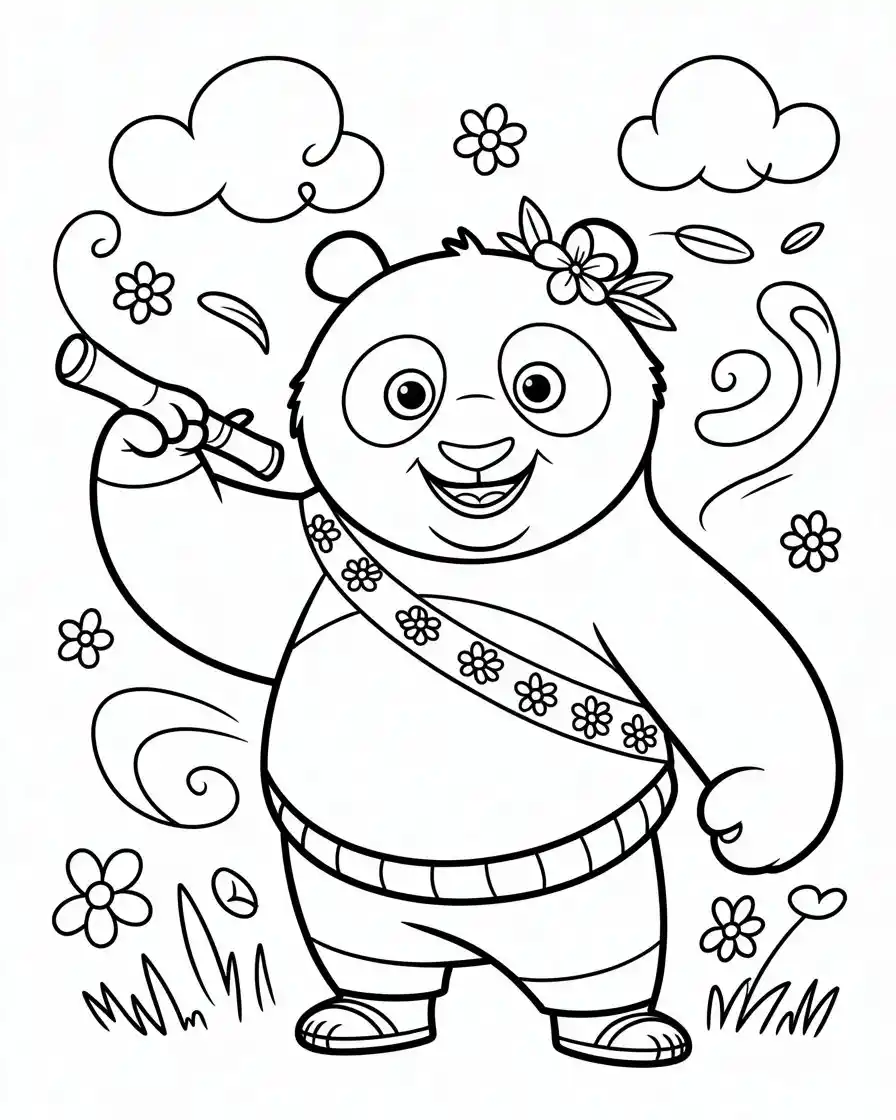
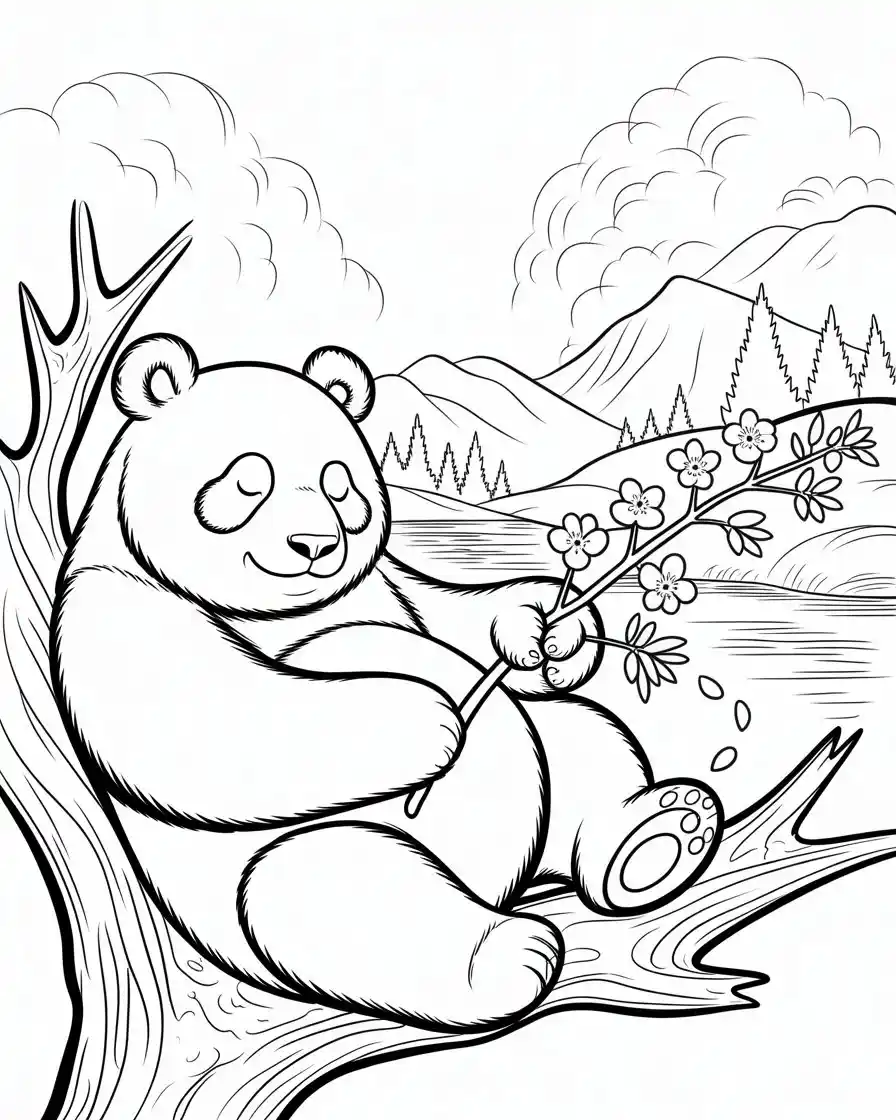
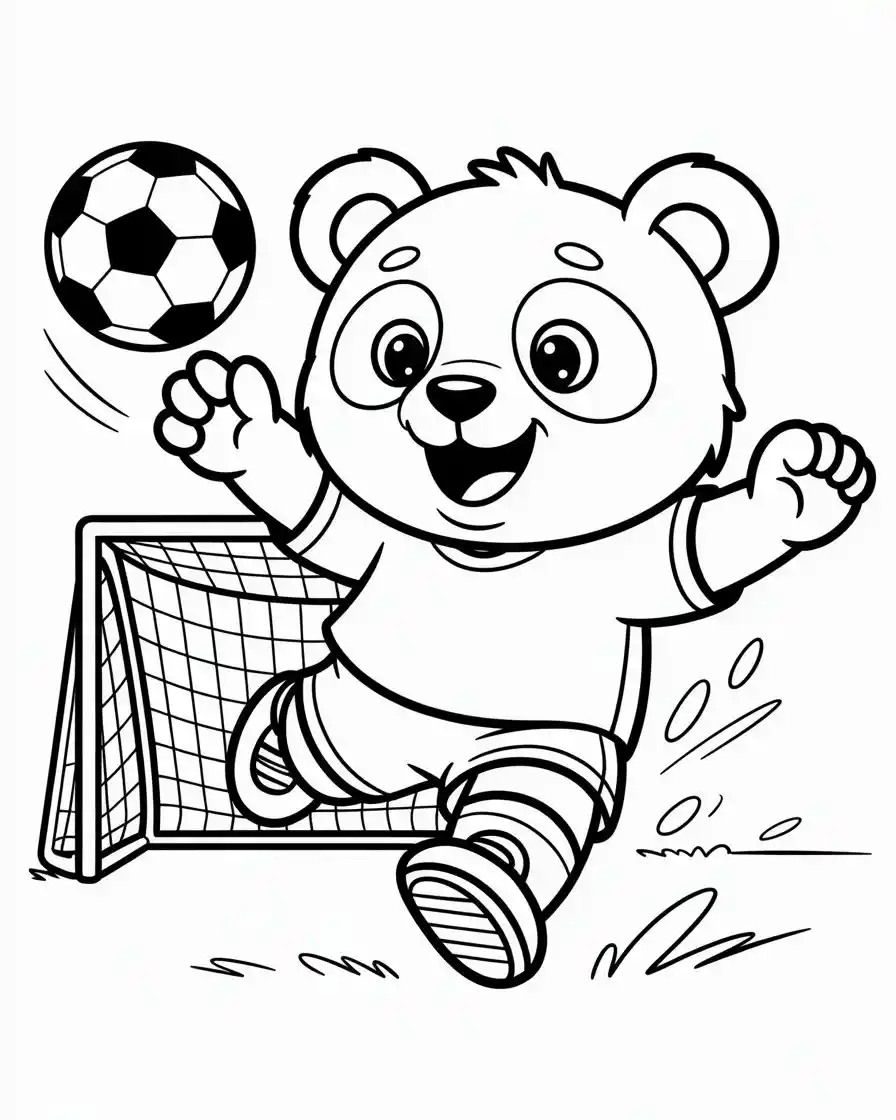

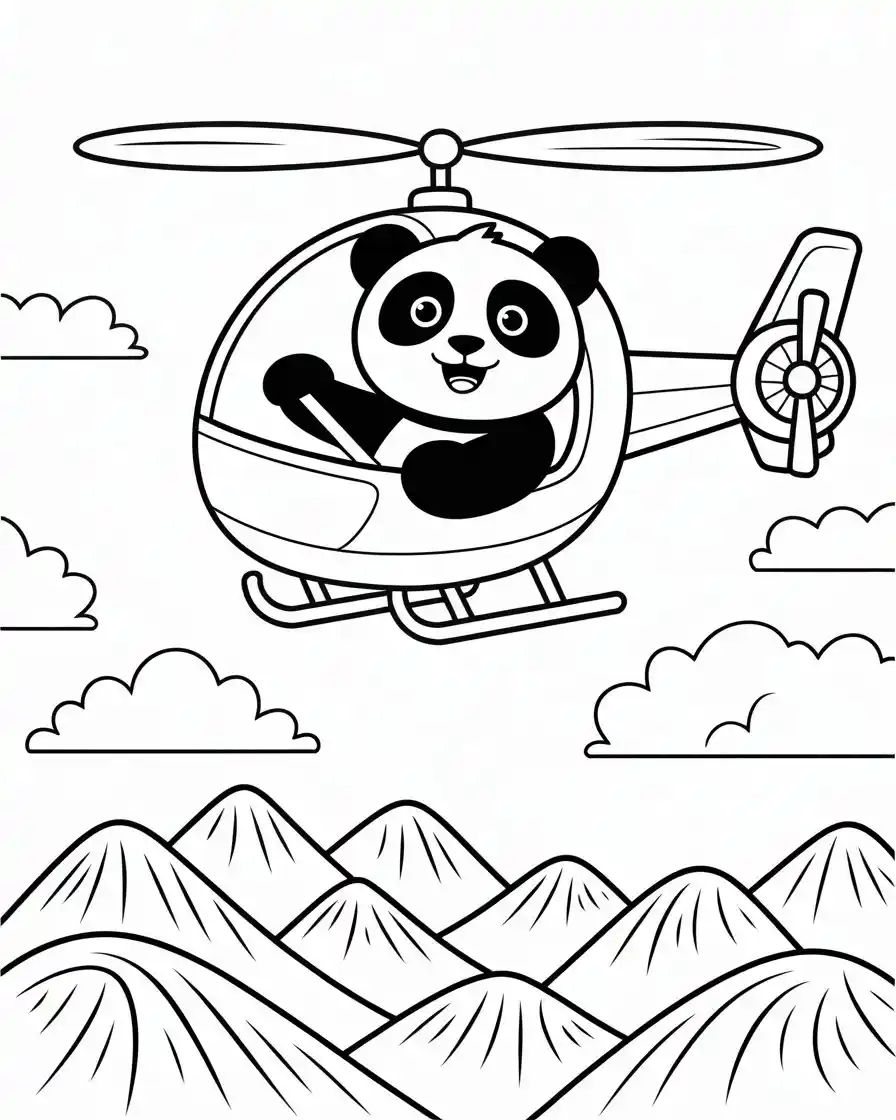
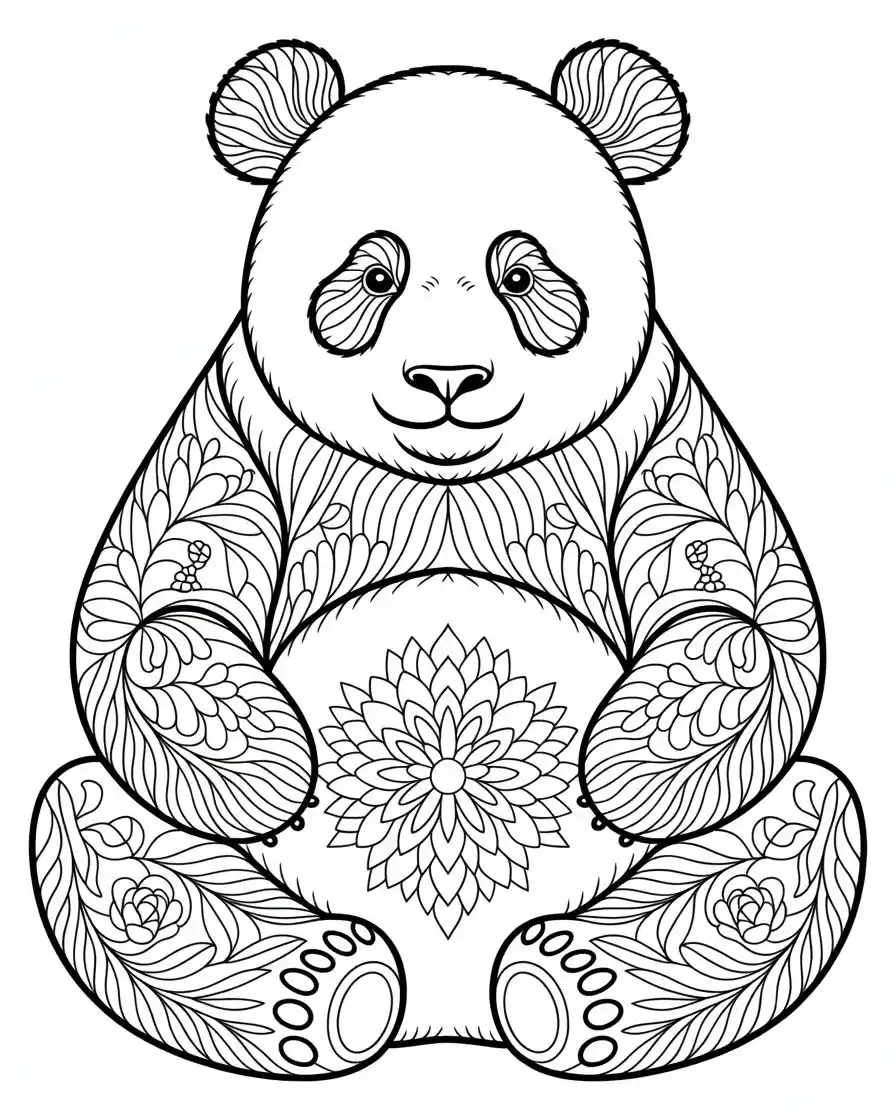

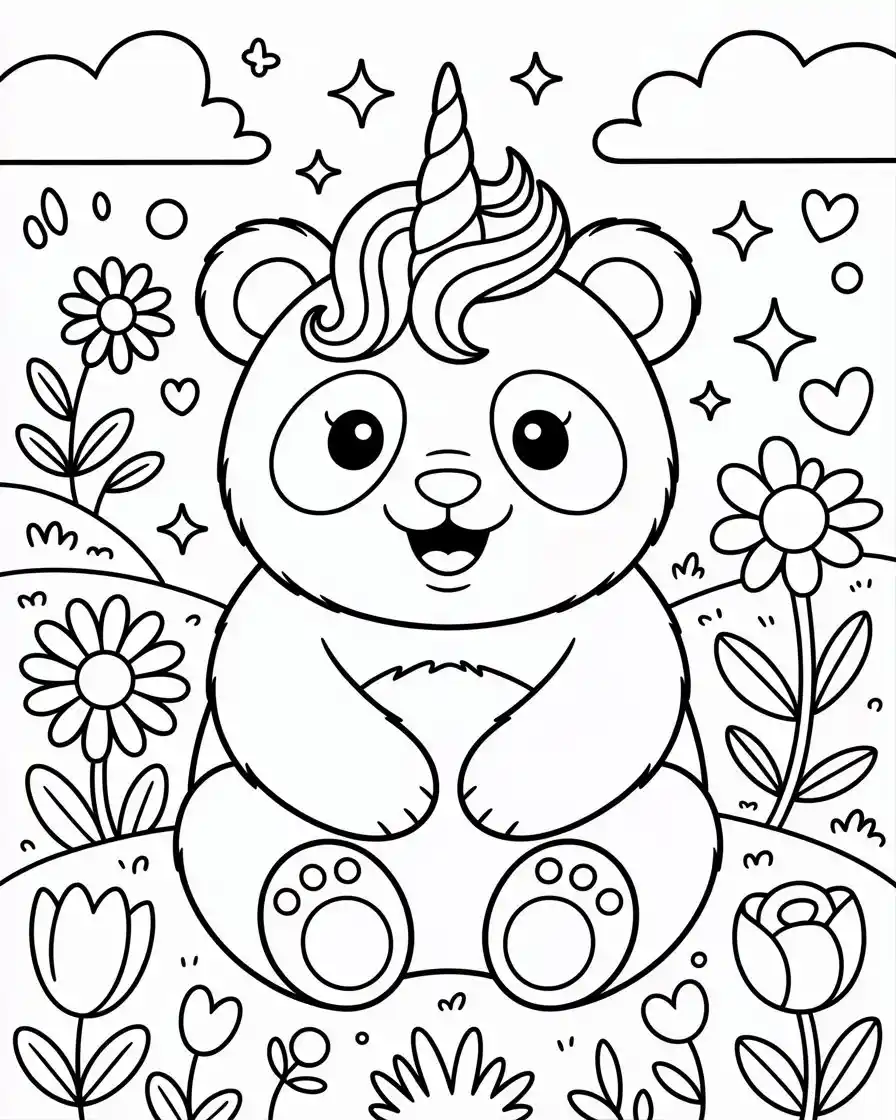
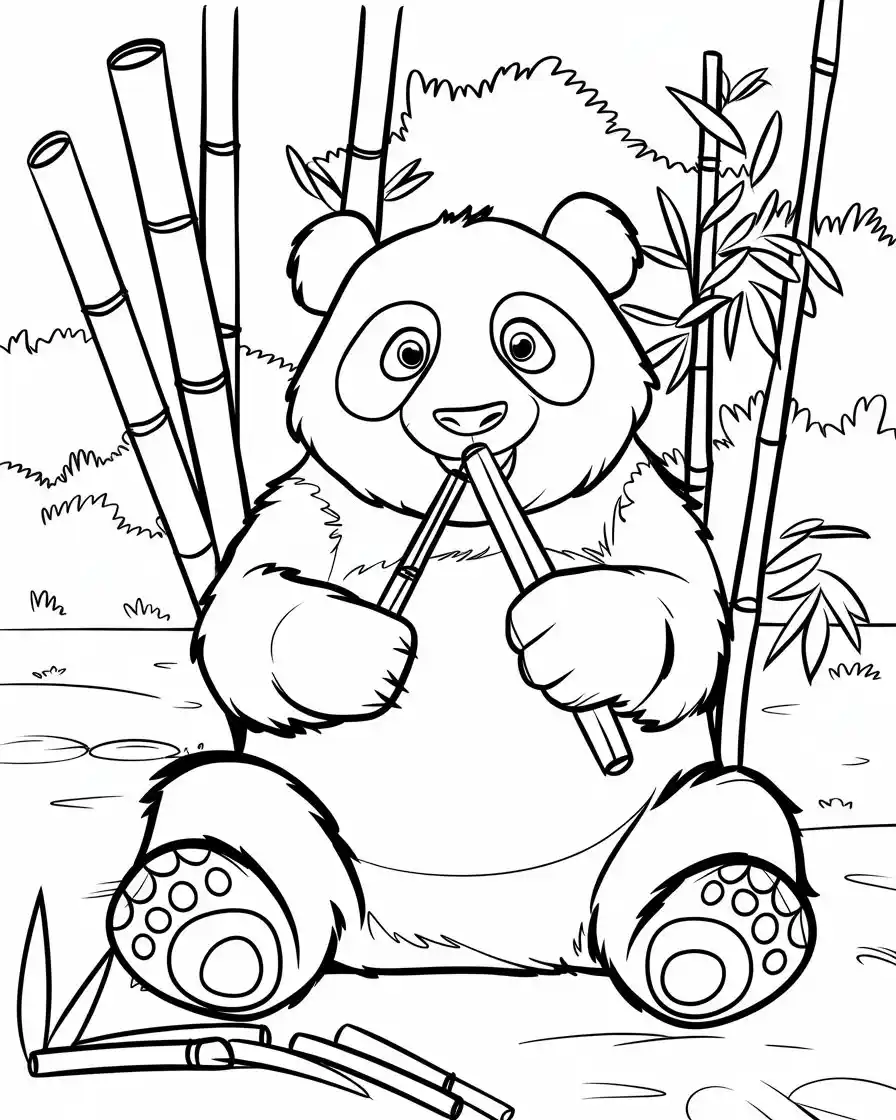
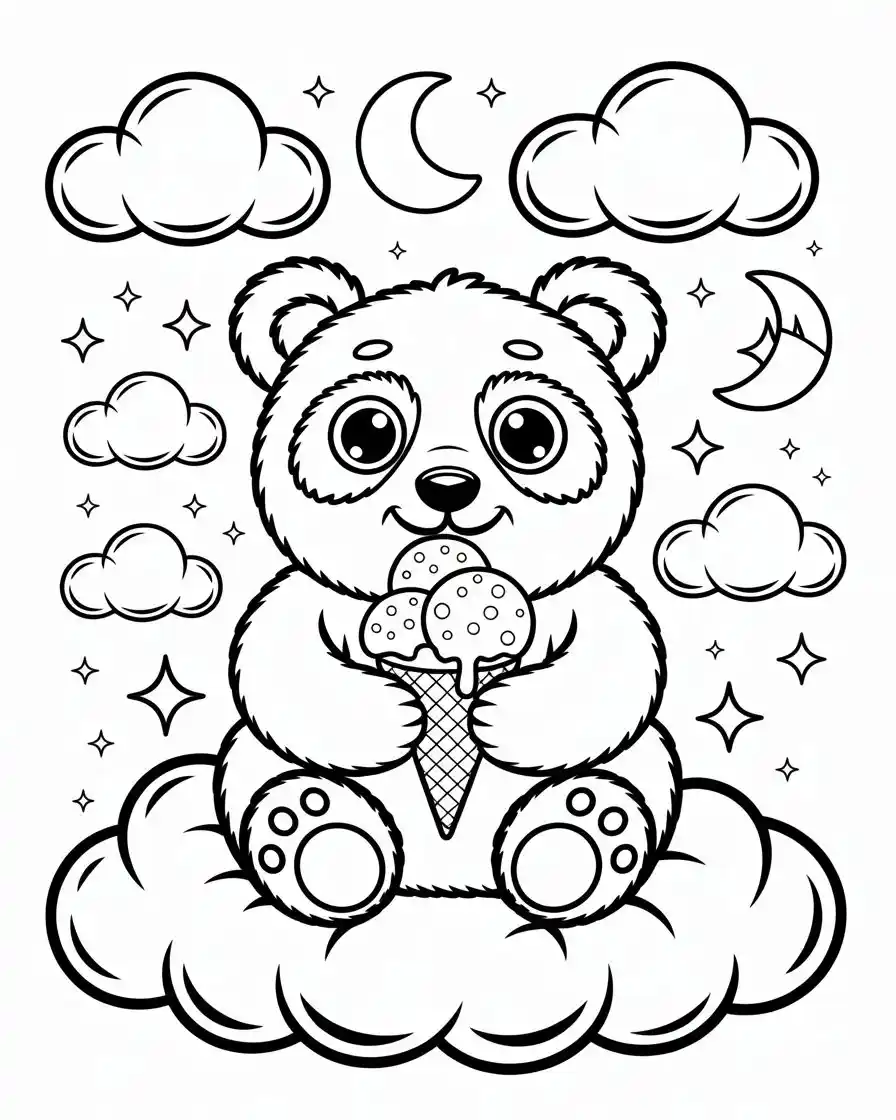
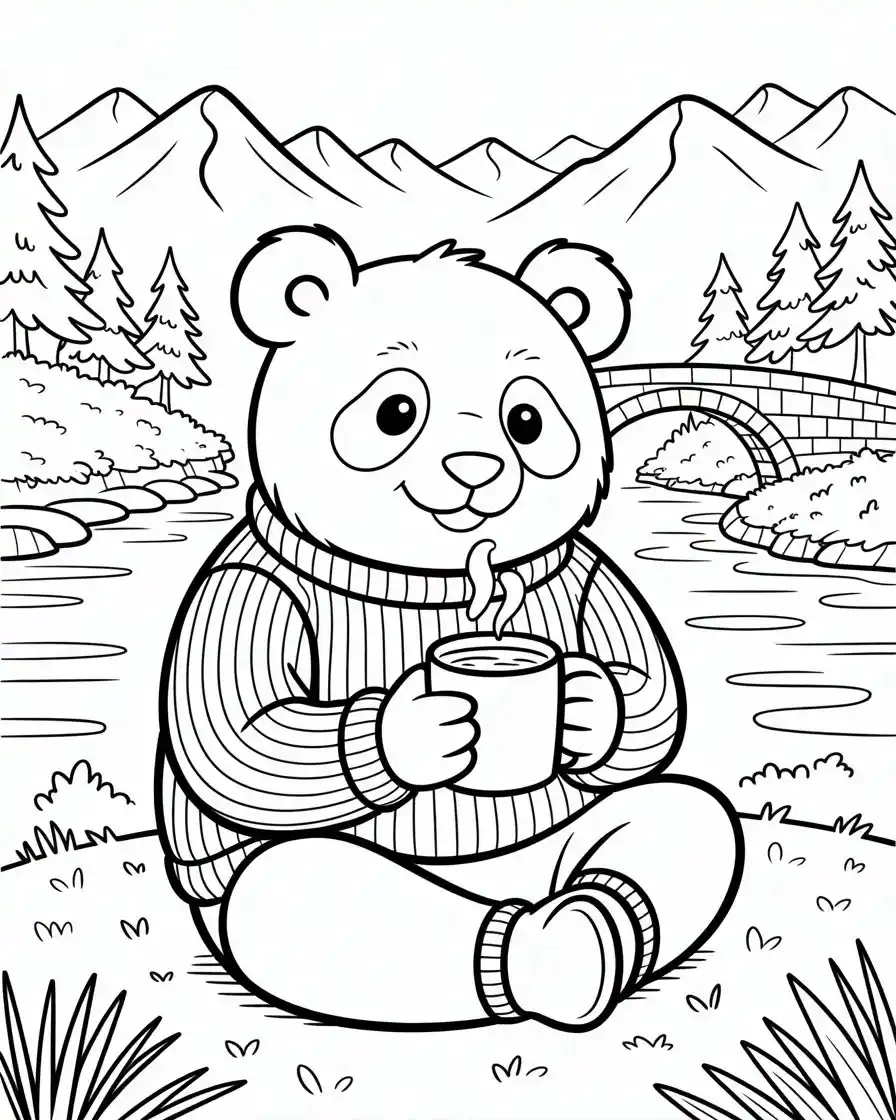
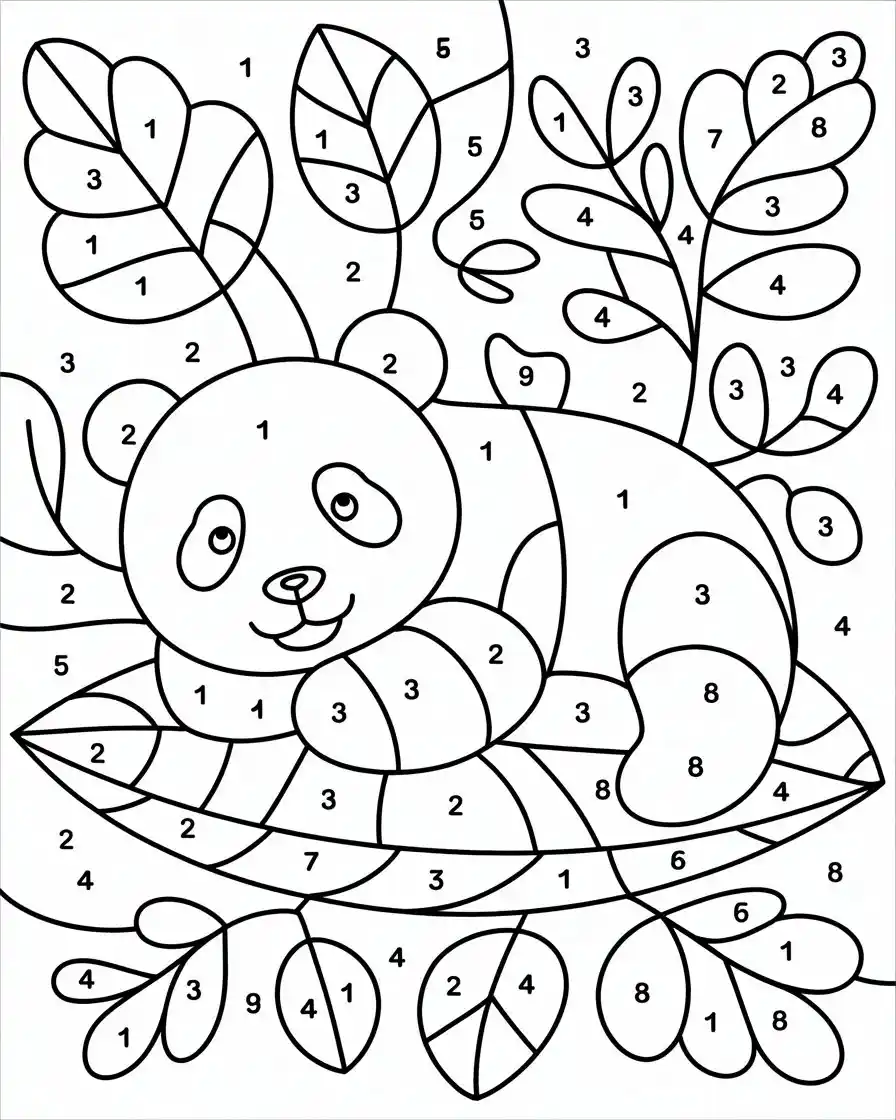


A Guide to Panda Coloring Pages by Age and Skill
One of the most common frustrations families run into is choosing the wrong page for a child’s current abilities. Here’s an honest breakdown of what works at each stage.
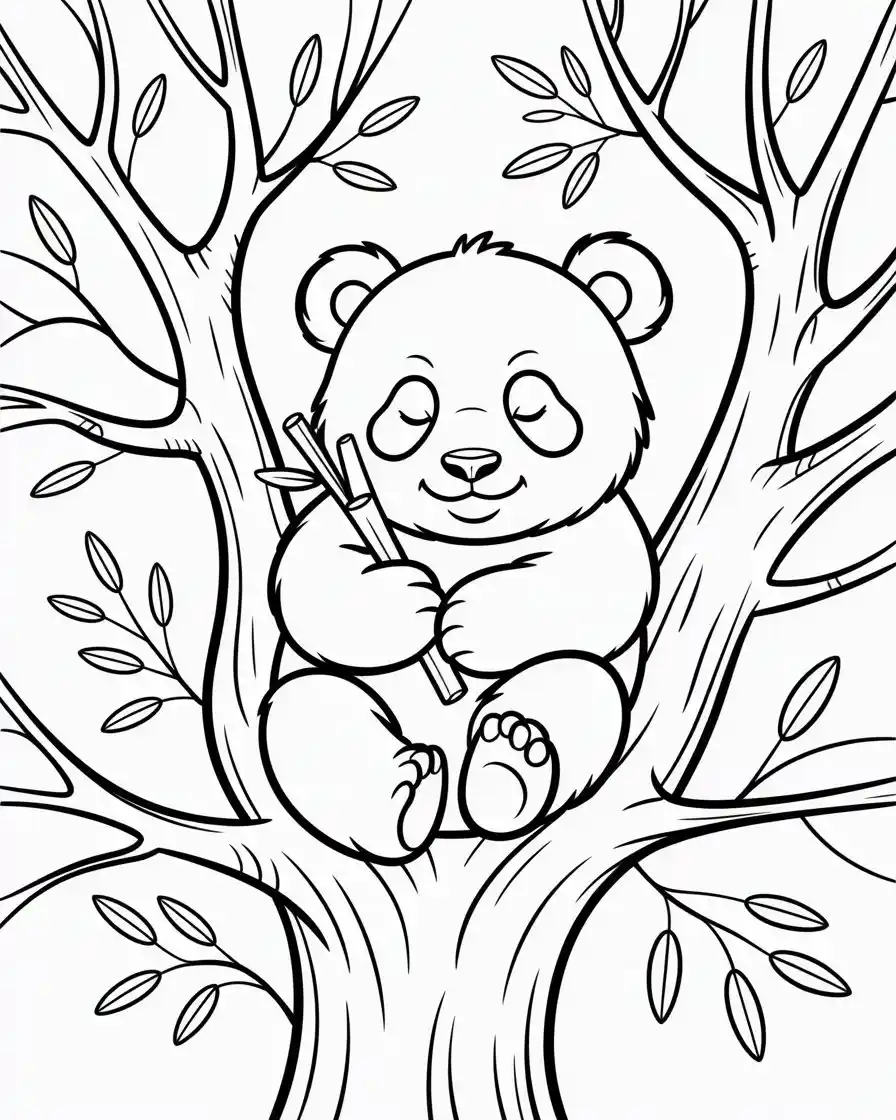
Ages 2–4: Toddler Friendly Pages: At this age, staying inside the lines is not the goal. Coloring is about sensory exploration: how the crayon feels, how the color appears, the simple cause and effect of marking a surface. The best pages for toddlers feature a single, large panda face or body filling most of the page, with a thick black outline and minimal background detail.
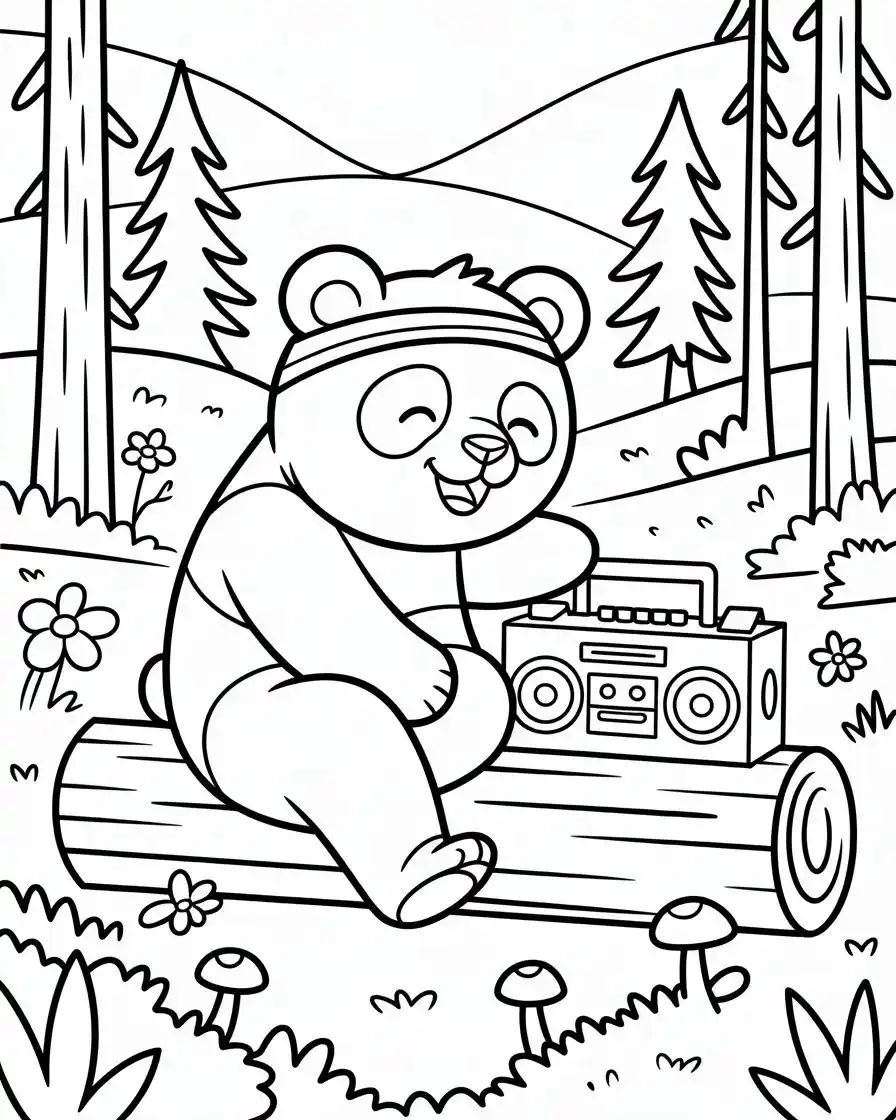
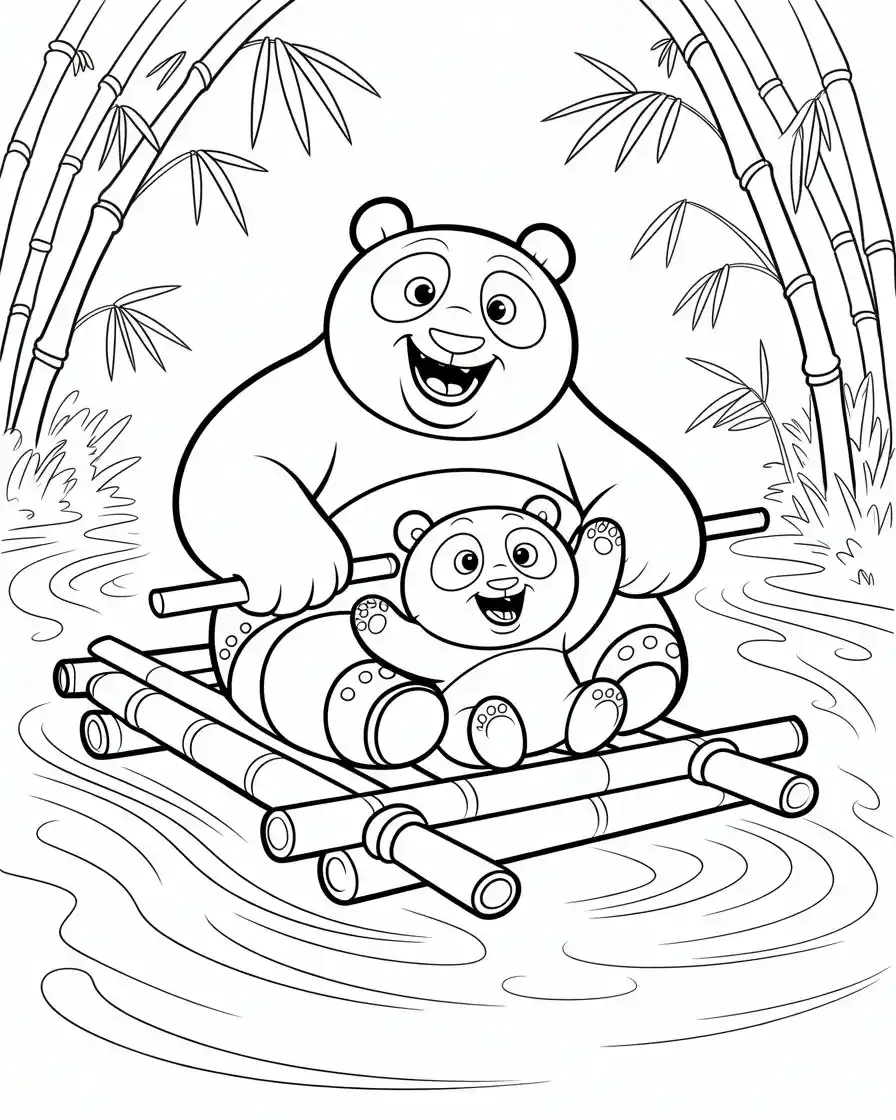
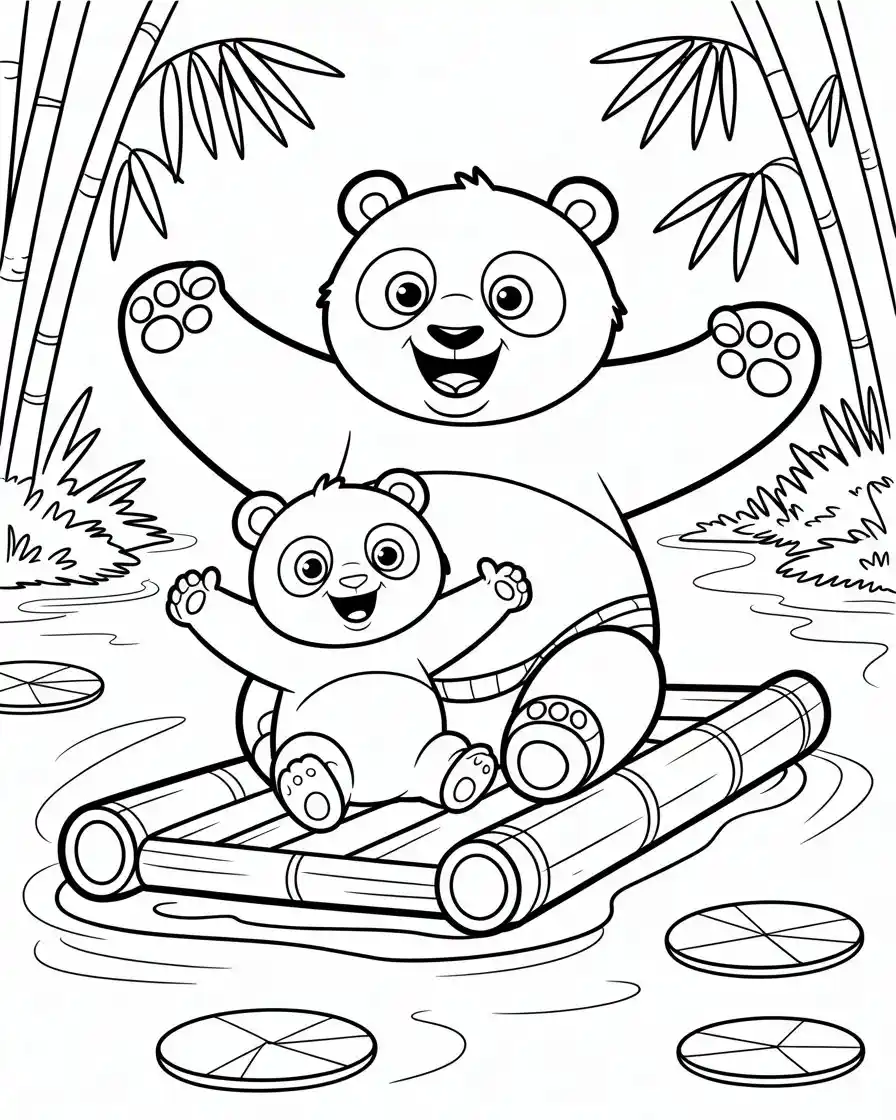
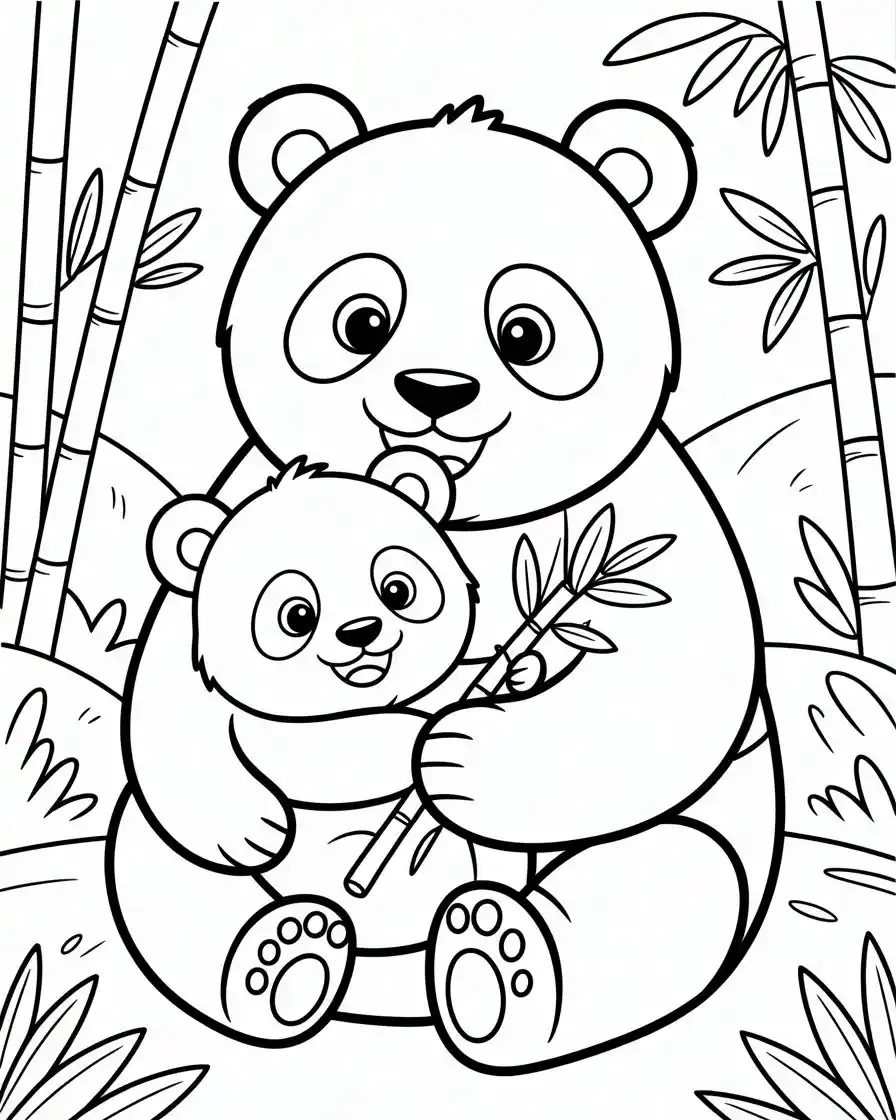
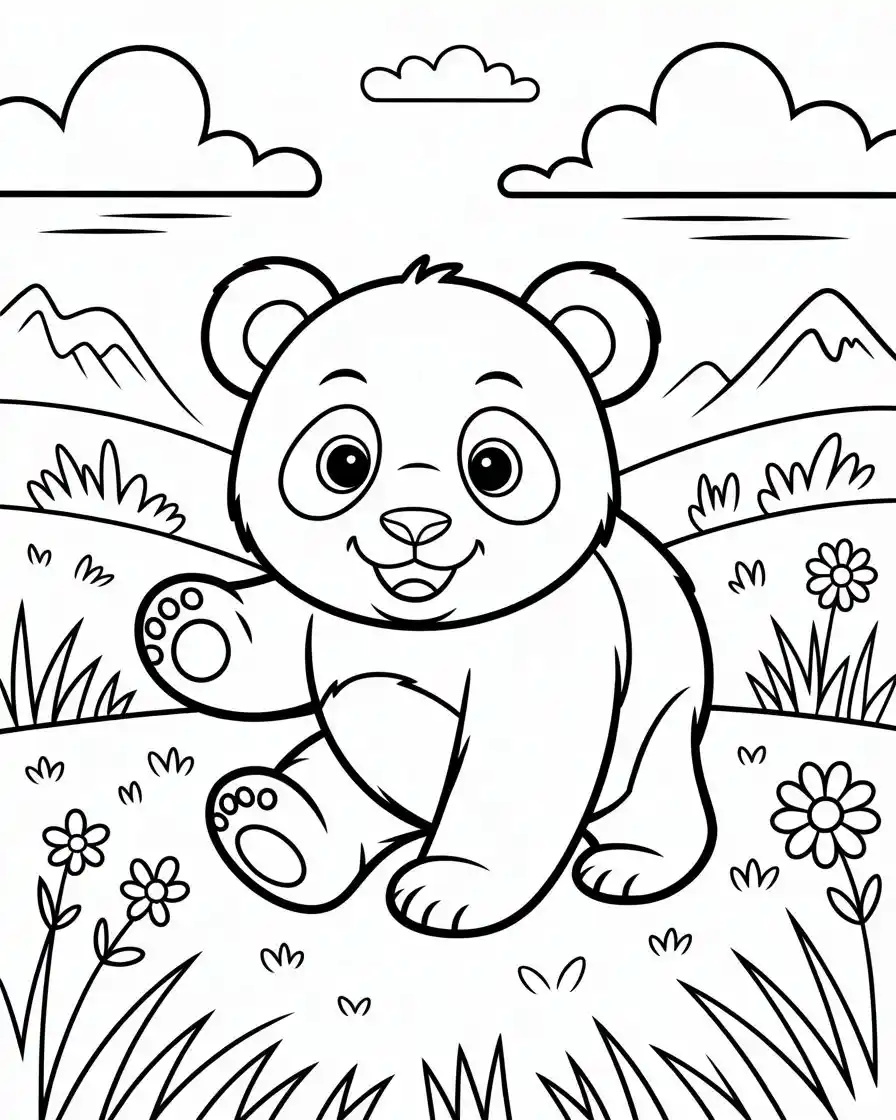
Ages 5–7: Early School Age: Children in this range are developing real precision and typically want their coloring to look right. They can handle more complex scenes: a panda sitting among bamboo stalks, a baby panda with its mother, a panda rolling down a hillside and backgrounds start to feel exciting rather than overwhelming.
Ages 8–12: Intermediate Colorists: Older children often want realistic results and can get frustrated if their skills feel behind what they’re picturing. This is the age where a little technique instruction really pays off, and where more detailed panda designs start to feel genuinely satisfying rather than tedious.
Teens and Adults: Mandala and Advanced Designs: Adult panda coloring pages are a different category entirely, typically featuring intricate geometric or floral patterns combined with a panda silhouette, a style borrowed from the mandala tradition that became widely popular in the mid 2010s and has kept a steady following since.
Types of Panda Coloring Pages: An Honest Overview
Beyond age categories, the subject matter of panda pages varies enormously. Here’s what’s actually available and what each type is best suited for.
Baby Panda Pages
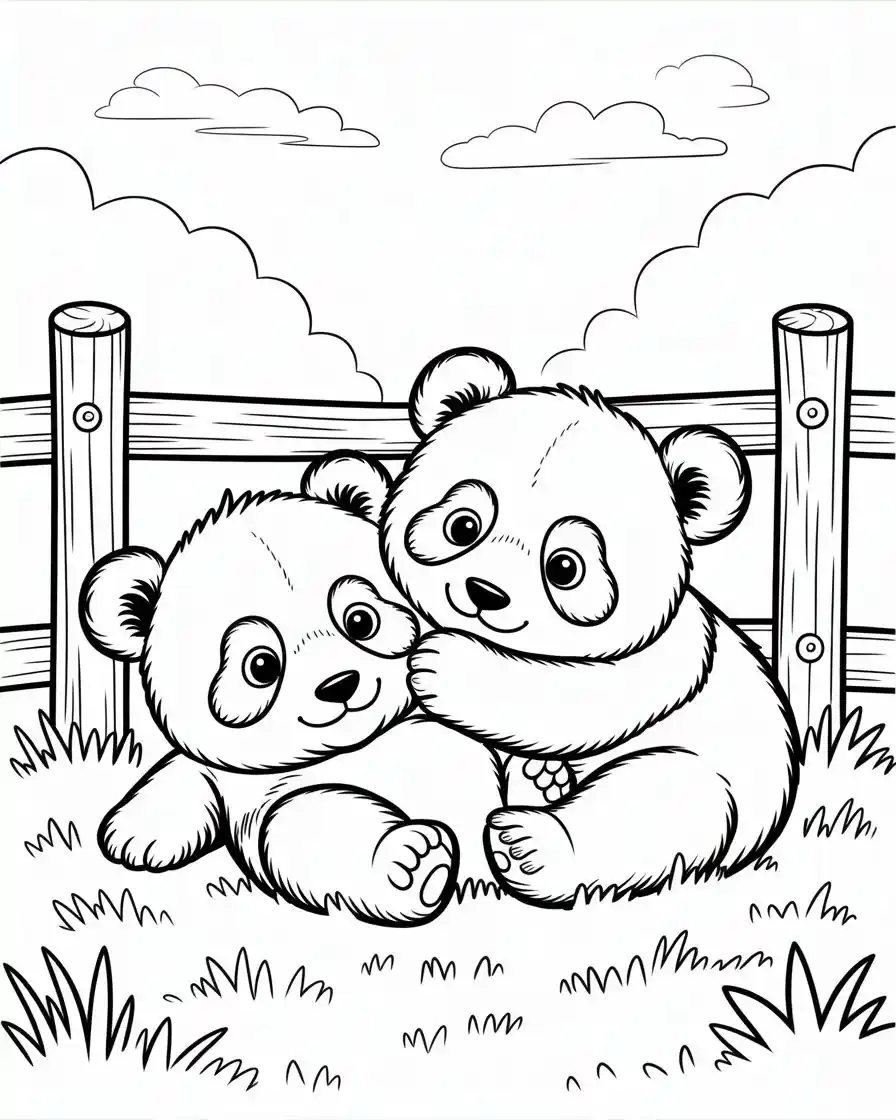
Arguably the most popular subcategory, and for understandable reasons: newborn giant pandas are remarkably small, weighing roughly 100 grams at birth about the size of a stick of butter and develop their distinctive black and white coloring over the first few weeks of life. Baby panda pages typically show the cub as plump and rounded, with oversized dark eye patches relative to its tiny face, which is part of why these designs work so well for birthday projects and Mother’s Day artwork featuring a cub with its mother.
Kawaii Style Panda Pages
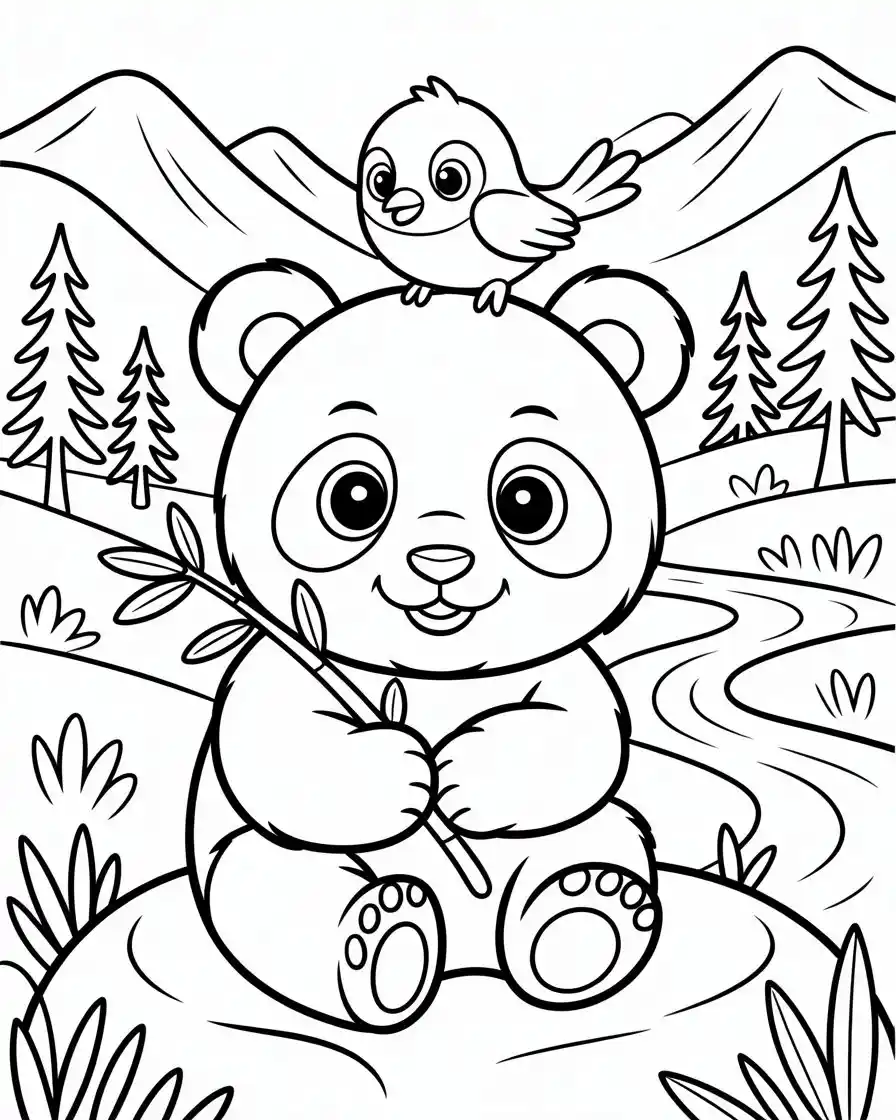
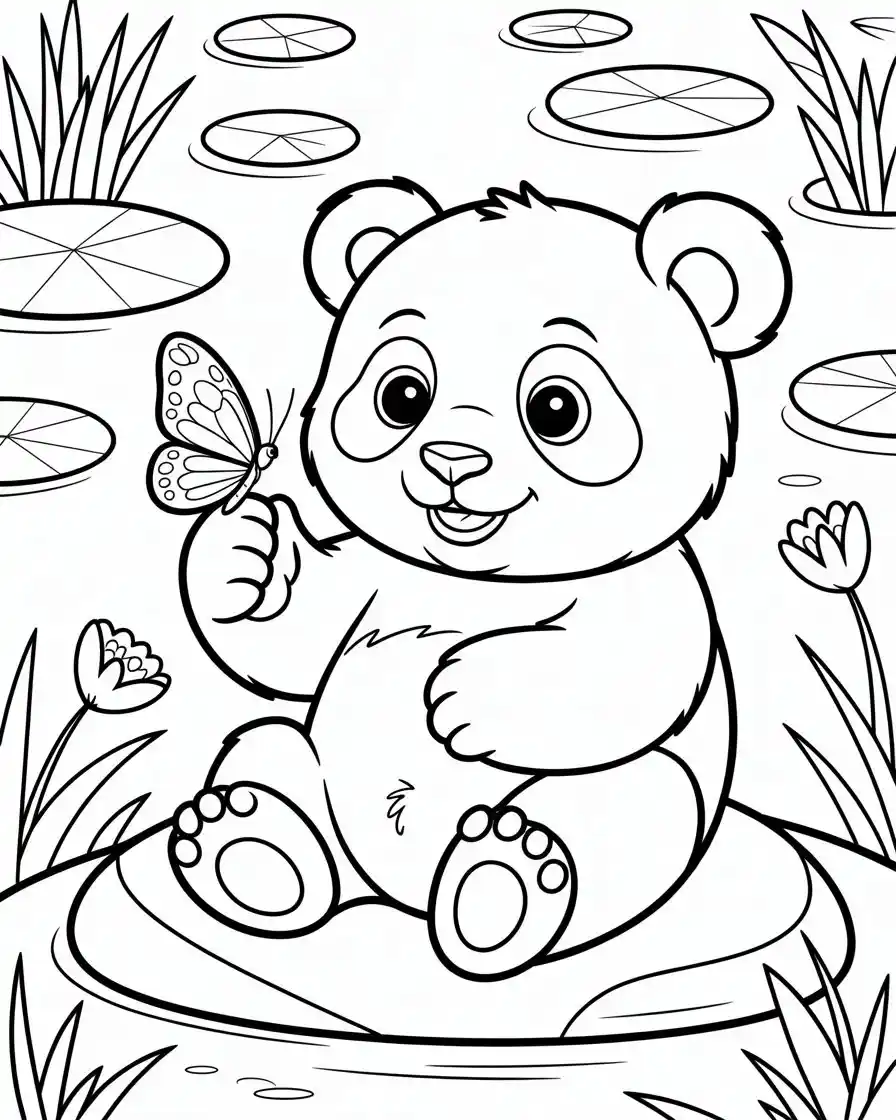
Kawaii is a Japanese aesthetic built around extreme cuteness: oversized heads, tiny bodies, simplified features, pastel color palettes, and accessories that emphasize sweetness. These designs have a devoted following among children aged six to fourteen, and whether it counts as high art is debatable that kids will happily color for forty-five minutes straight because it is not.
Realistic Giant Panda Pages
For children and adults interested in nature and wildlife, these pages offer something genuinely educational. A well drawn realistic panda design shows the real structure of the fur: the coarser outer guard hairs and softer undercoat, the way the coat parts along the spine, and the faint brownish tinge many pandas carry in their white areas. Interestingly, a panda’s dark eye patches may also function as a social signal, making the eyes appear larger and more expressive during panda to panda communication, a small fact that gives coloring those patches carefully a bit of extra meaning.
Seasonal Panda Pages
Holiday themed panda designs consistently spike in search traffic around key dates. Christmas variations feature Santa hat wearing pandas surrounded by snow and gifts, or panda families in winter bamboo forests. Halloween versions lean toward cute spooky rather than genuinely frightening pandas in witch hats or wrapped like mummies with comically startled expressions. Chinese New Year designs, featuring pandas among red lanterns and traditional patterns, add genuine cross cultural value to any classroom setting.
What Coloring Actually Does for Children
A lot of websites list benefits of coloring as a vague marketing point. Here is what is genuinely happening at each stage.
Fine Motor Control
When a four year old colors inside a panda outline, the hand is applying consistent pressure while the wrist rotates, the fingers adjust their grip, and the eye tracks the boundary ahead of the crayon tip all at the same time. Occupational therapists who work on handwriting readiness regularly use coloring as a preparatory activity because it builds the same tripod grip and pinch strength that pencil writing requires.
Vocabulary and Observation
Sitting alongside a child while they color opens natural conversation. What color should the bamboo be? Green like your broccoli. That pairing of a color name with a visual experience and a physical action produces more durable vocabulary than a flashcard. The color is attached to a memory, not just a definition.
Concentration and Finishing Things
Completing a coloring page from blank outline to finished artwork is, for a young child, a real accomplishment. It requires sustained focus for anywhere from five minutes (toddler with a simple page) to twenty minutes or more (older child with a detailed scene), and it produces something tangible they can hold and show.
For Adults: A Different Kind of Benefit
Adults who color and there are millions, judging by a coloring book market that has grown steadily since 2014 tend to report benefits around mental state rather than skill development. The focused, repetitive nature of working through a detailed intricate design creates something close to a meditative state: present, low stakes, gently absorbing.
Popular Ways People Search for This Collection
Not everyone lands on this page looking for the same thing, so it helps to know what’s included. If you want free panda coloring pages without watermarks or a forced sign up, every design here qualifies. If you’re after printable panda coloring pages for a classroom worksheet, the Baby and Kawaii styles print cleanly in black and white for easy photocopying. Parents looking for an easy panda coloring page for a toddler’s first attempt should start with the toddler friendly set, while anyone searching for panda coloring pages for adults will get more value from the mandala and realistic sections, which reward a slower, more detailed session. Grouping the collection around these different intents age, purpose, and difficulty is why this page is organized by style rather than as one long, unsorted list of thumbnails.
Simple Techniques That Make a Real Difference
Color in layers, not one heavy pass
The most impactful single change for intermediate colorists: applying multiple thin layers of color rather than one heavy application. For the fur areas, a light cool gray in shadow areas, followed by a thin pale blue over the full white section, then a final light white layer to unify the surface, creates dimension without any special tools. The same principle applies to black areas: use dark navy rather than black in the darkest sections, and leave a tiny near highlight point where the light would catch the fur.
Markers vs. colored pencils: choose for the result you want
Markers produce bold, saturated, flat color quickly, ideal for graphic-style designs, vivid results, and children who want fast payoff. Their limitation is that layering and shading are difficult, and mistakes are hard to correct.
Colored pencils are slower but far more controllable. They allow gradation, texture, and the directional stroke technique mentioned above. They also build hand strength more effectively. Many families find that having both available and letting children choose creates genuine ownership over the activity and ownership sustains interest.
Print settings that actually affect quality
Set your printer to the highest quality setting and print at 100% scale rather than fit to page, which subtly reduces line weight. For crayon and light pencil use, standard 80 GSM printer paper is fine. For markers, use cardstock at 160 GSM or heavier felt tip ink bleeds through standard paper almost immediately. Printing in grayscale (even from a color file) typically produces crisper outlines and uses significantly less ink.
Frequently asked questions about panda coloring pages
Explore More Animal Coloring Pages
If you enjoyed these panda coloring pages, explore our other free printable collections, including [Bear Coloring Pages], [Koala Coloring Pages],[Tiger Coloring Pages], and [Monkey Coloring Pages]. Every collection is free to download, easy to print, and perfect for kids and adults.