Crocodile Coloring Pages: Realistic, Cute & Printable Designs
Crocodile coloring pages are free, printable PDF sheets that range from simple cute outlines for toddlers to detailed, species-accurate designs for older kids and adults, covering real species like the Nile, saltwater, American, and Cuban crocodile. Every sheet downloads instantly, prints on US Letter or A4 paper, and needs no account or sign-up.
Few animals feel as prehistoric on paper as a crocodile. It belongs to the order Crocodilian and the family Crocodylidae a lineage that has changed very little since the Triassic period, roughly 200 million years ago, meaning a crocodile alive today looks strikingly close to one that shared the planet with early dinosaurs. The armored, ridged skin, long jaw, and low, watchful pose give these outlines a personality softer animals rarely have.
What Makes This Collection Different From a Typical Reptile Printable
This collection goes beyond a plain outline by pairing each design with real taxonomy, conservation status, and species level detail information most crocodile coloring pages online leave out entirely.
Most crocodile printable online repeat the same few facts: chewing habits, tears, maybe a size comparison. What’s usually missing is species level detail a teacher or curious parent can actually use which species is listed as Vulnerable on the IUCN Red List, which one tolerates saltwater well enough to cross open ocean channels, and which one is a “true” crocodile rather than a closely related caiman or gharial. That detail is built into every species-specific sheet here, not added as an afterthought.












The Range of Crocodile Designs in This Collection
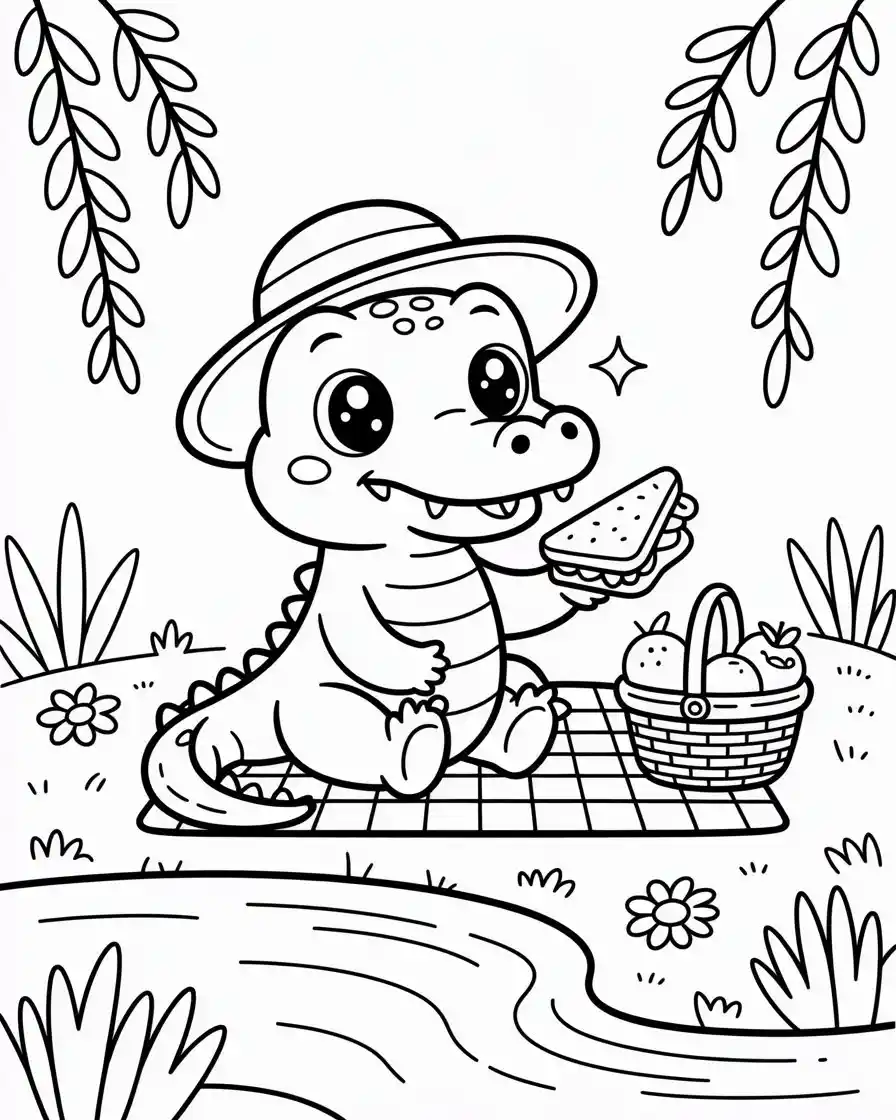
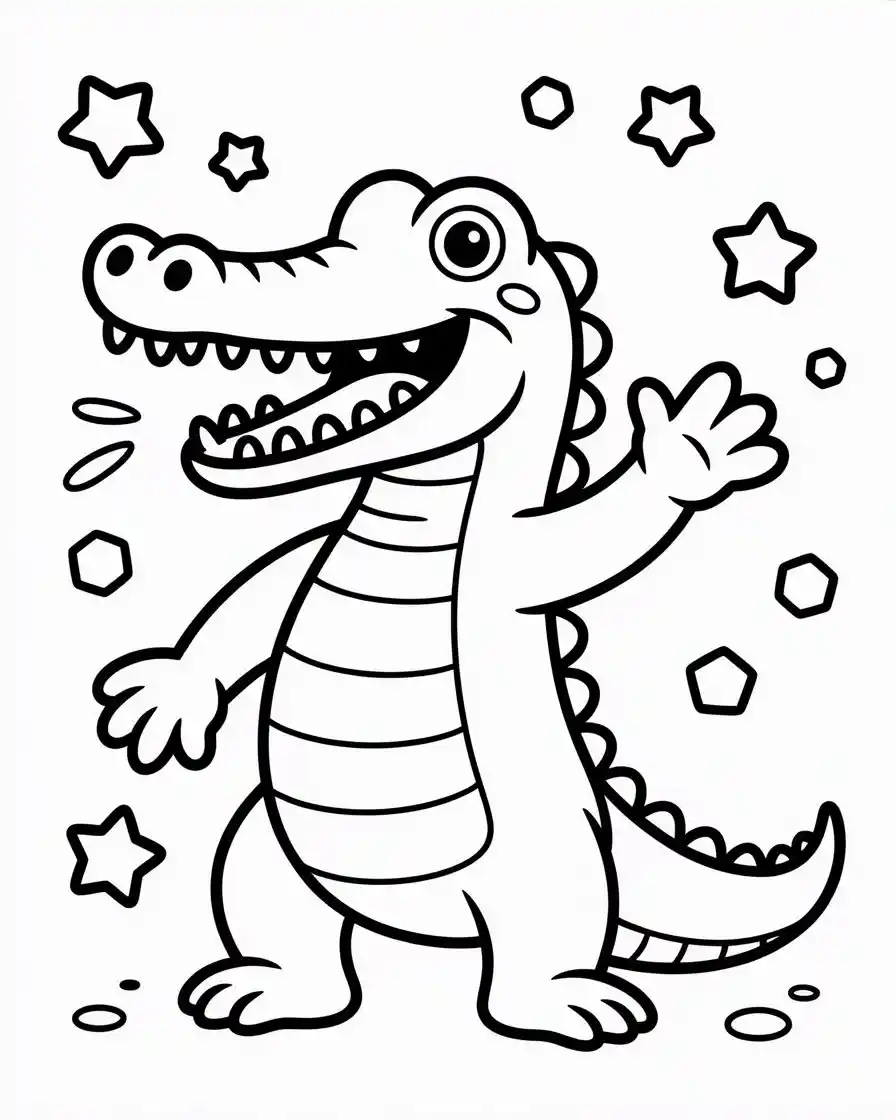
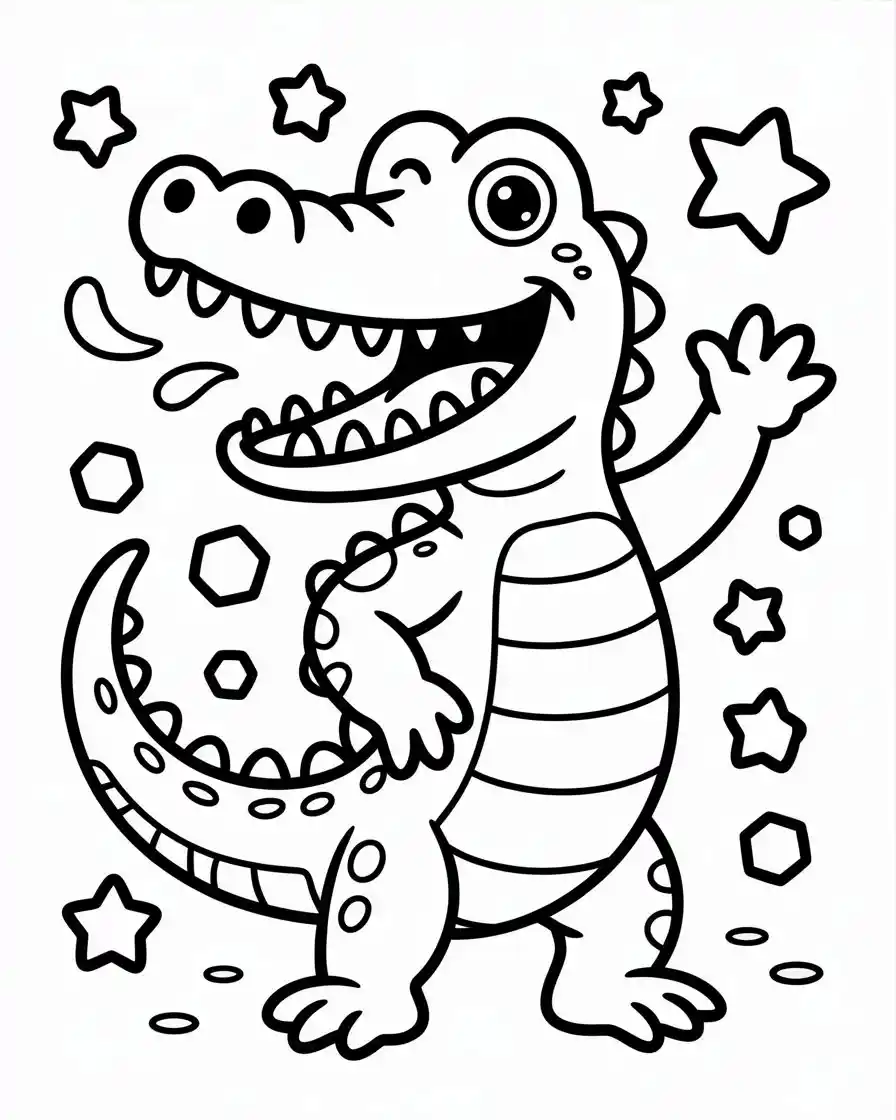
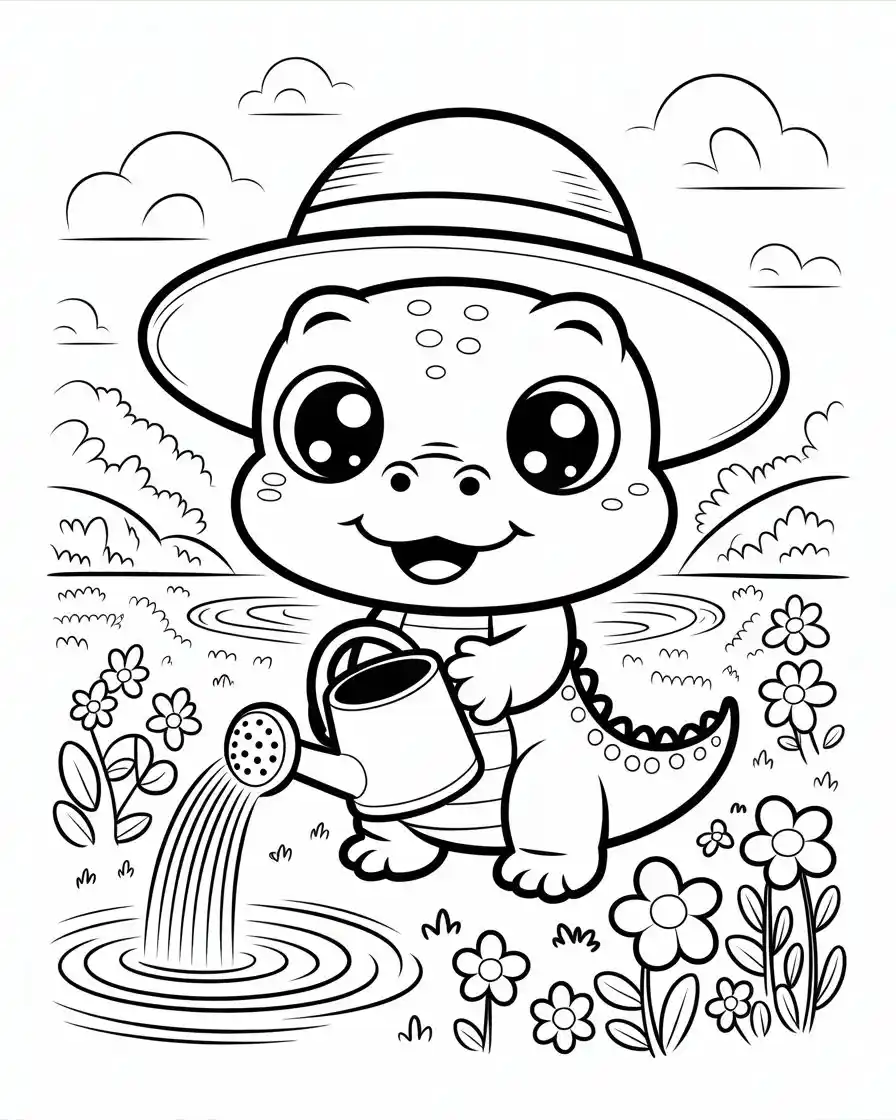
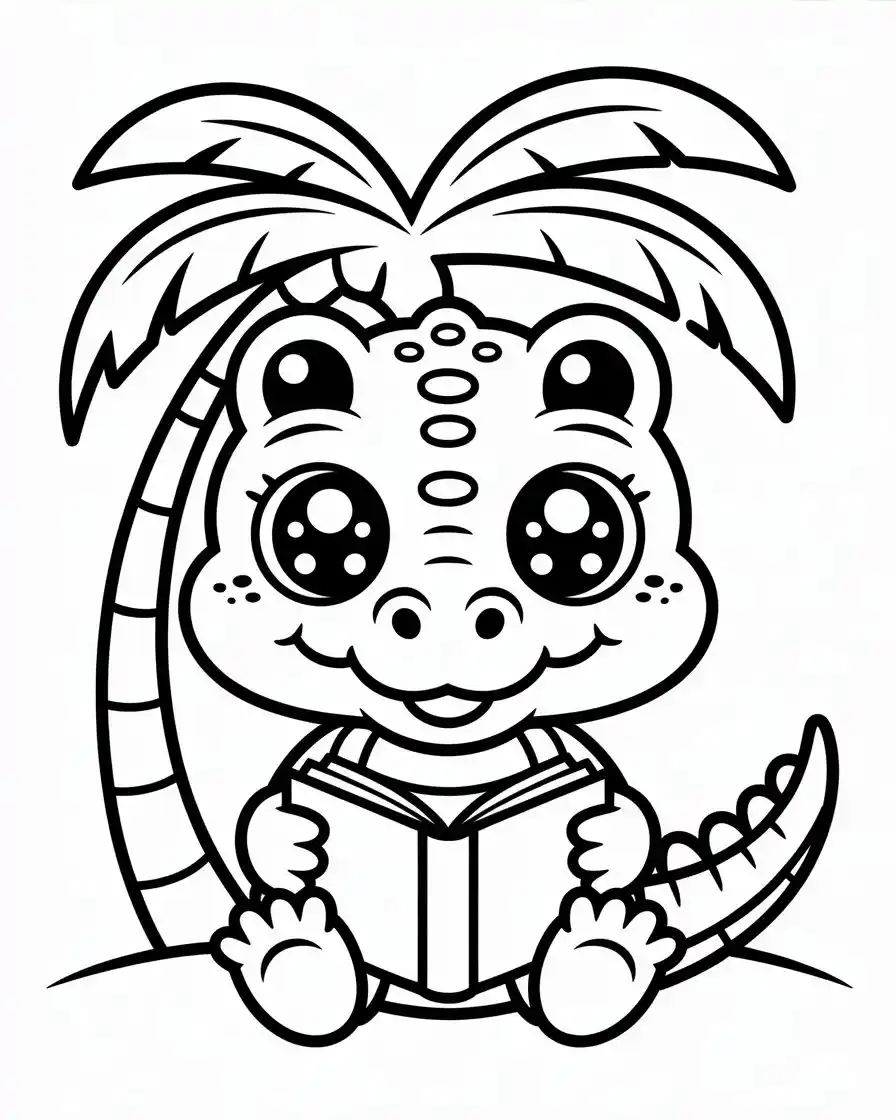
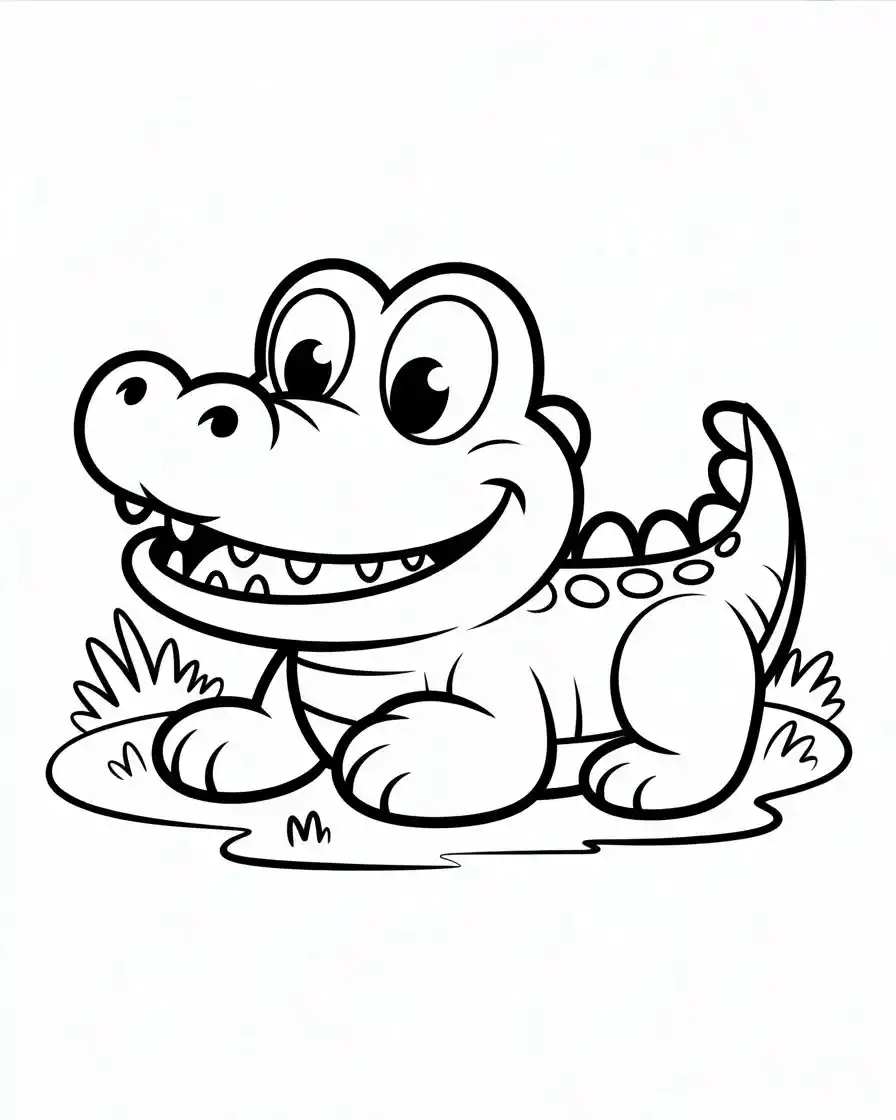
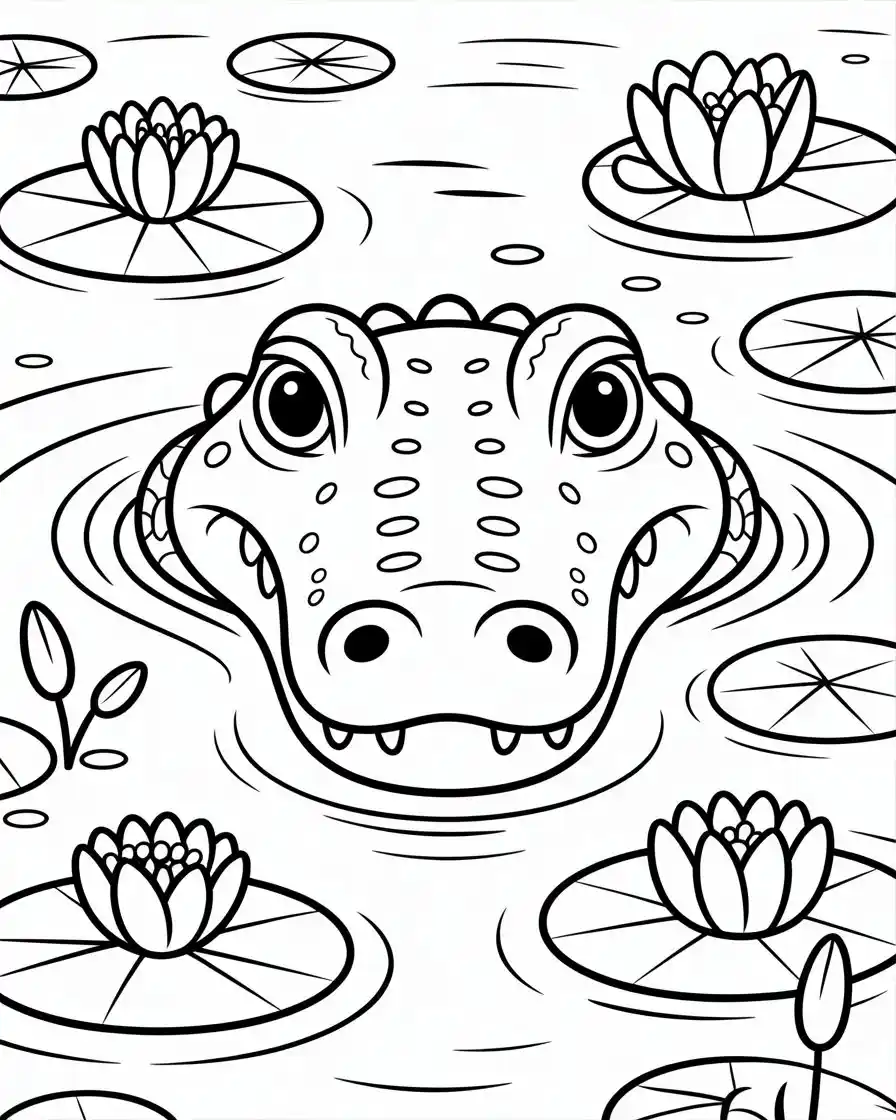
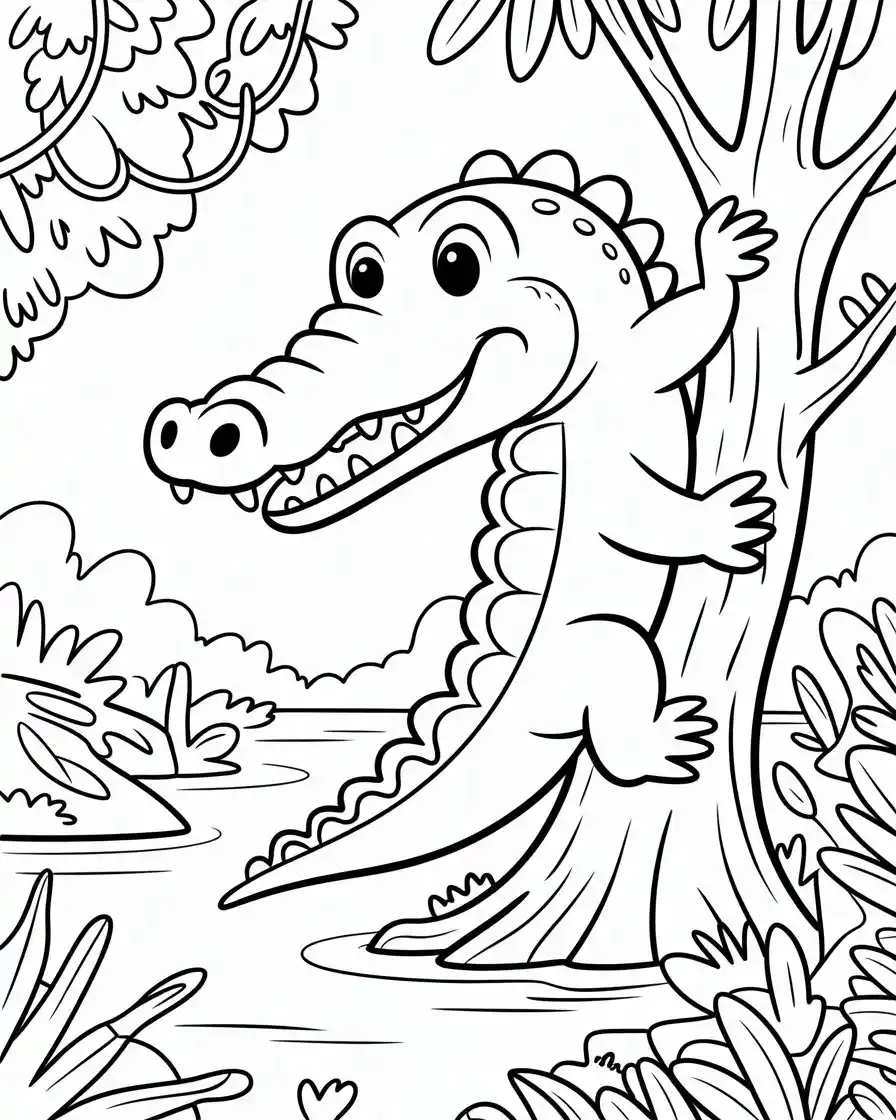
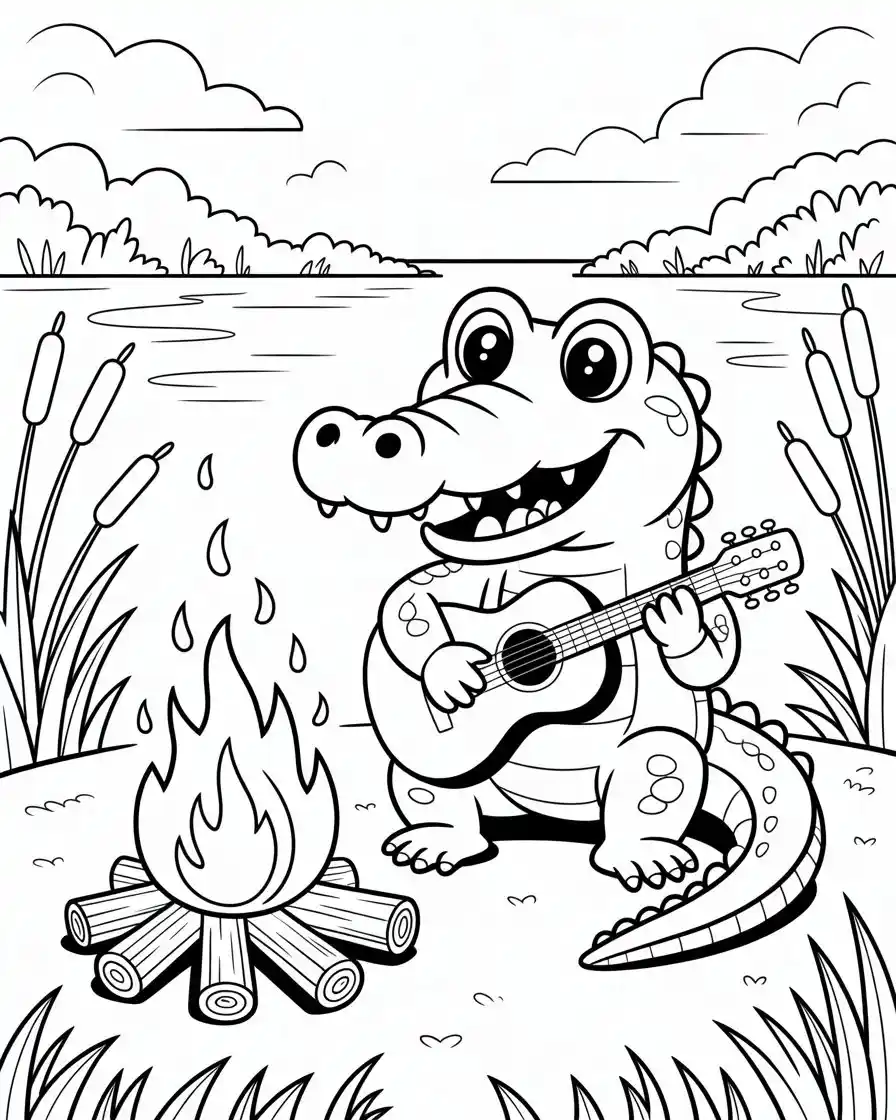
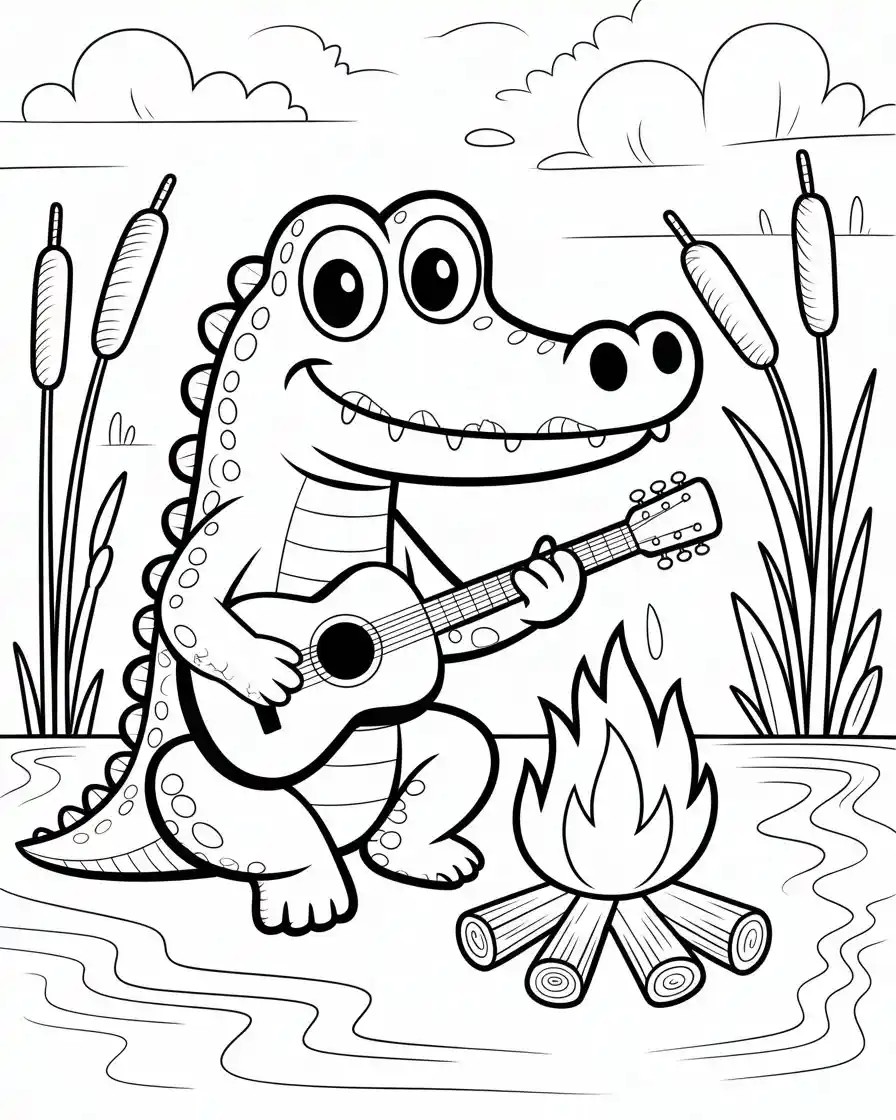
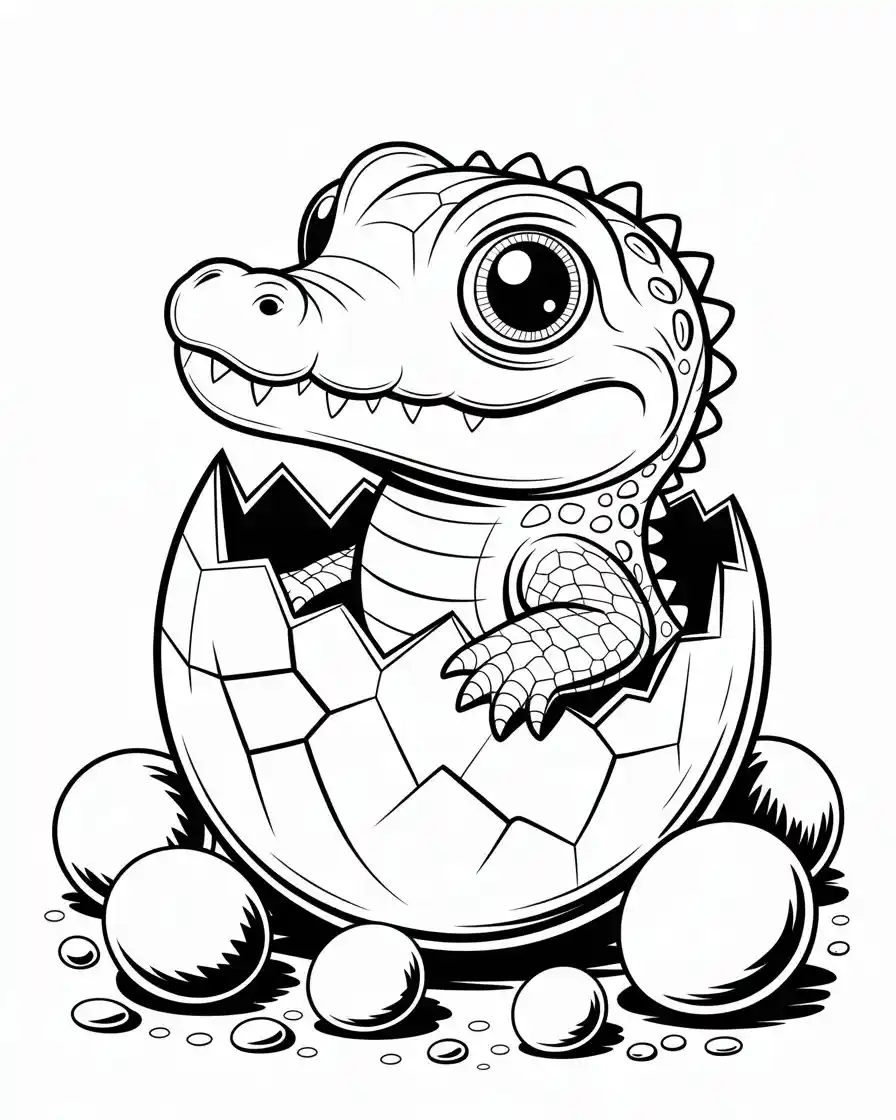
Cute Crocodile coloring Pages: Rounded features, big eyes, and simplified plating for toddlers and preschoolers who are still developing pencil control.
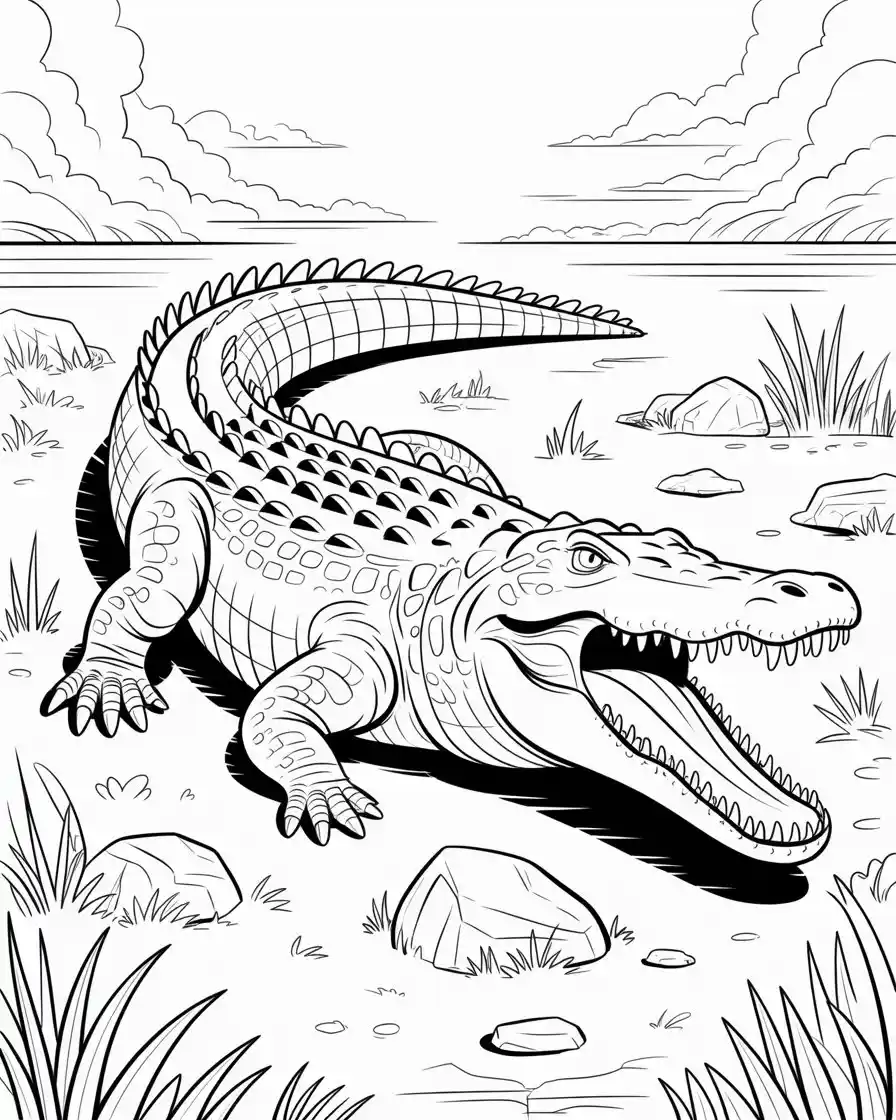
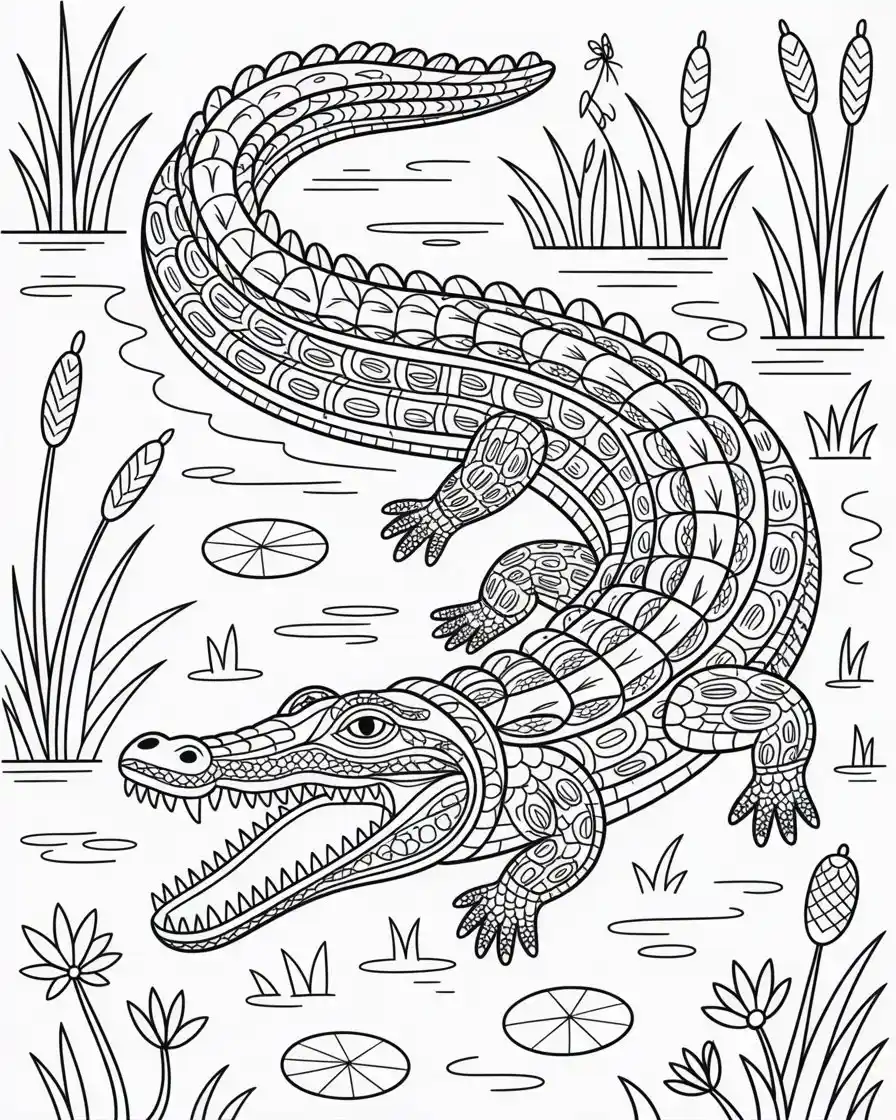
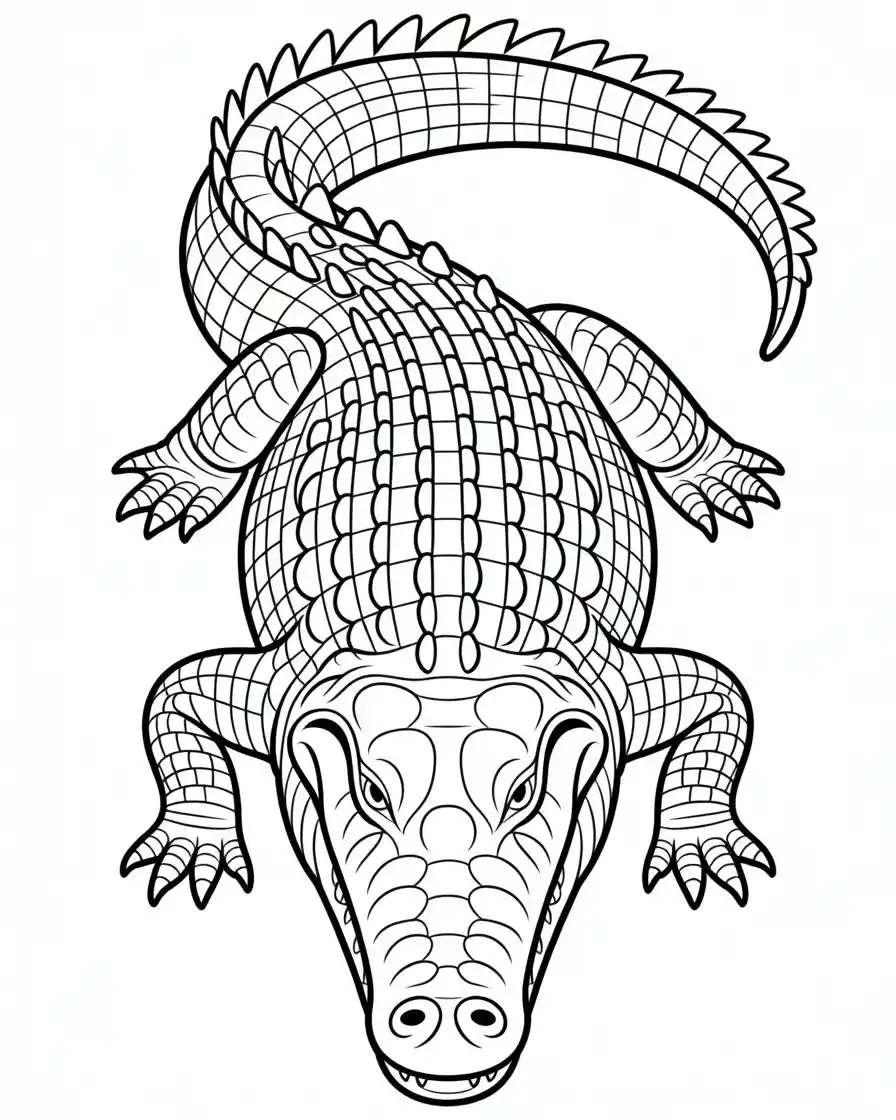
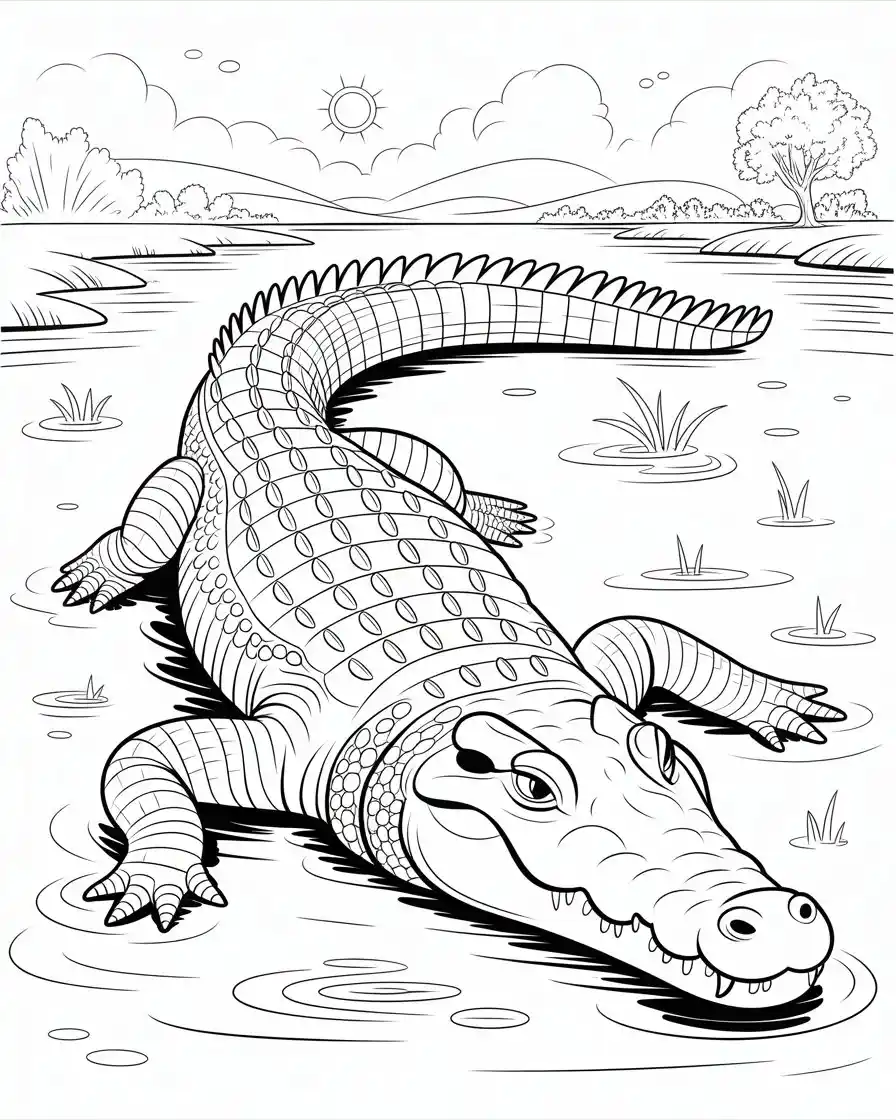
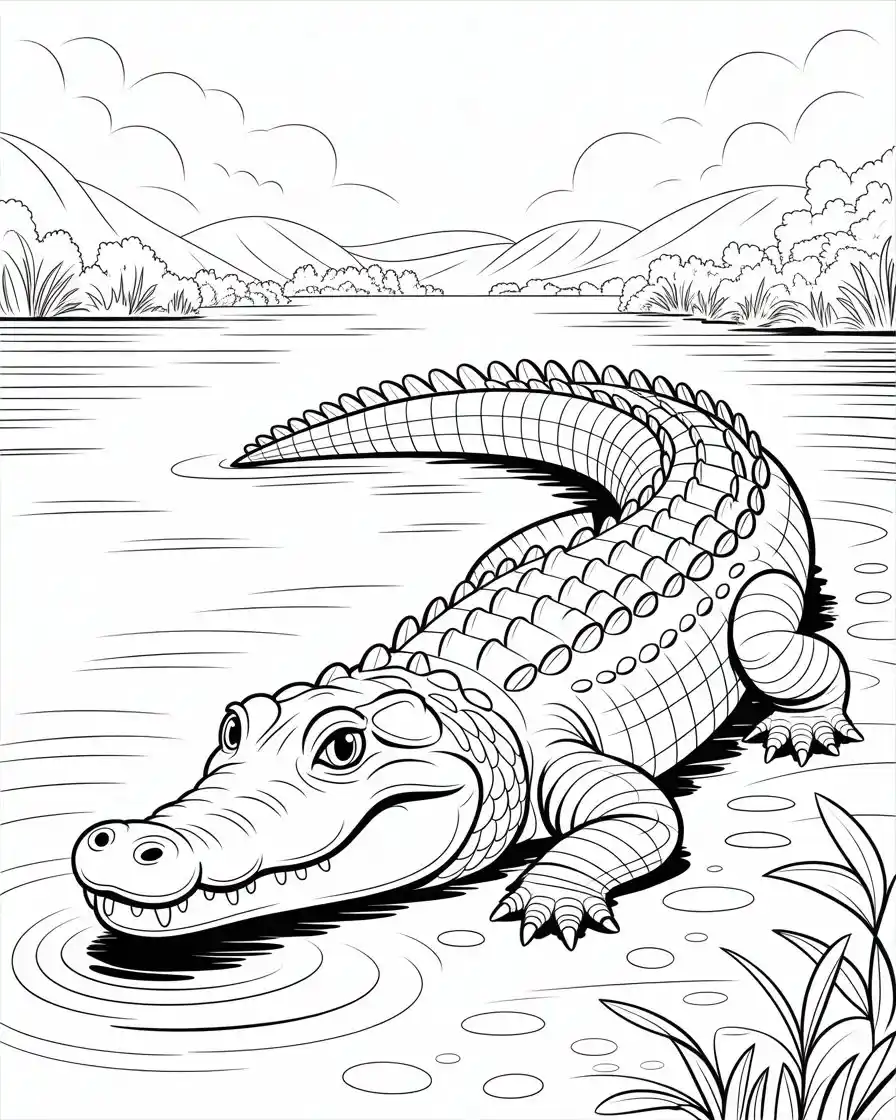
Realistic Crocodile Designs: Detailed skin texture, accurate jaw shape, and a swamp or riverbank backdrop for older kids and adults who want a longer, more advanced session.
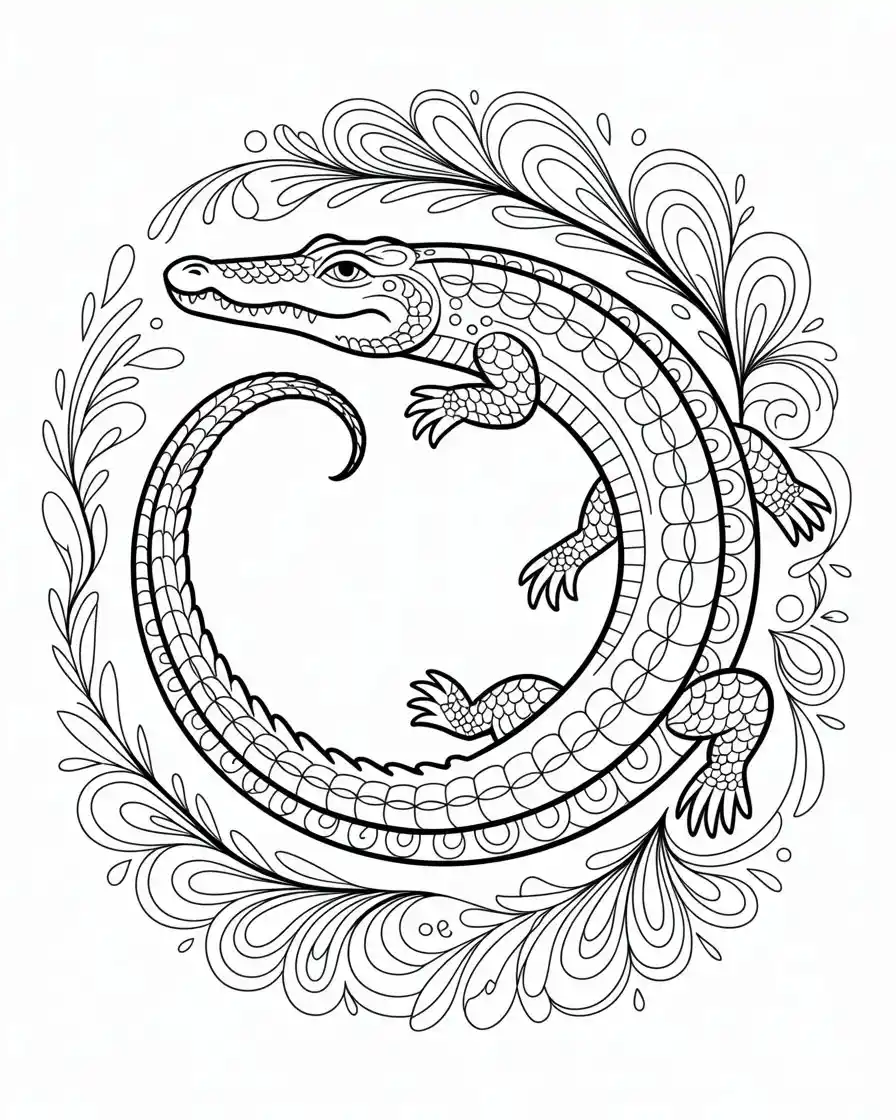
Species-Specific Pages: Designs based on real crocodile species, including the Nile crocodile, saltwater crocodile, American crocodile, and Cuban crocodile, each with slightly different proportions and coloring.
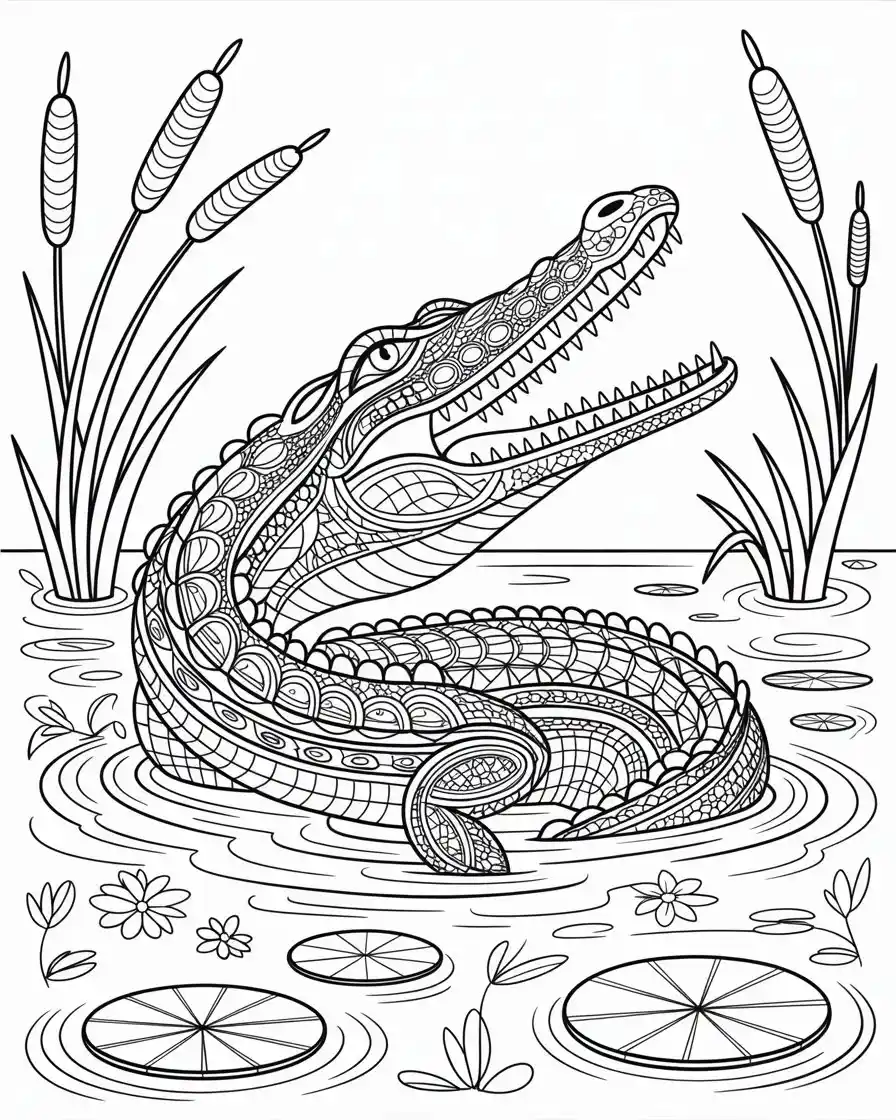
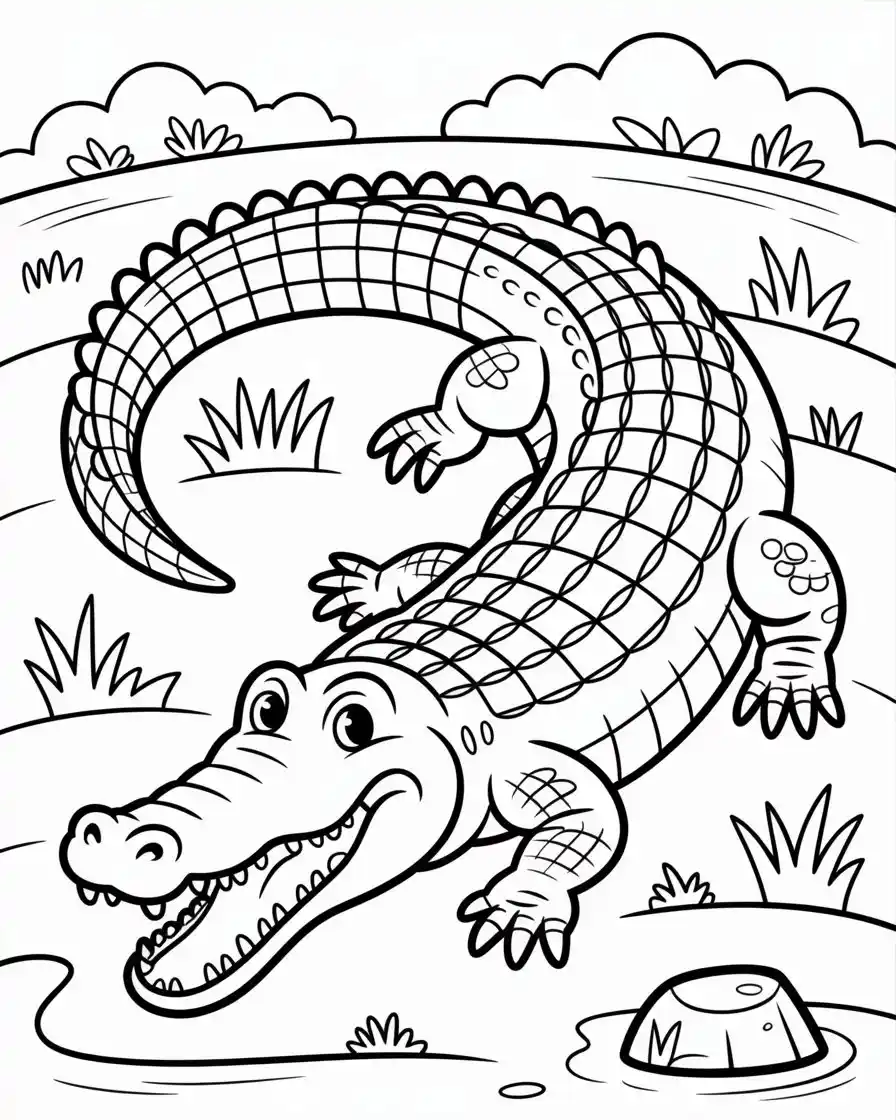
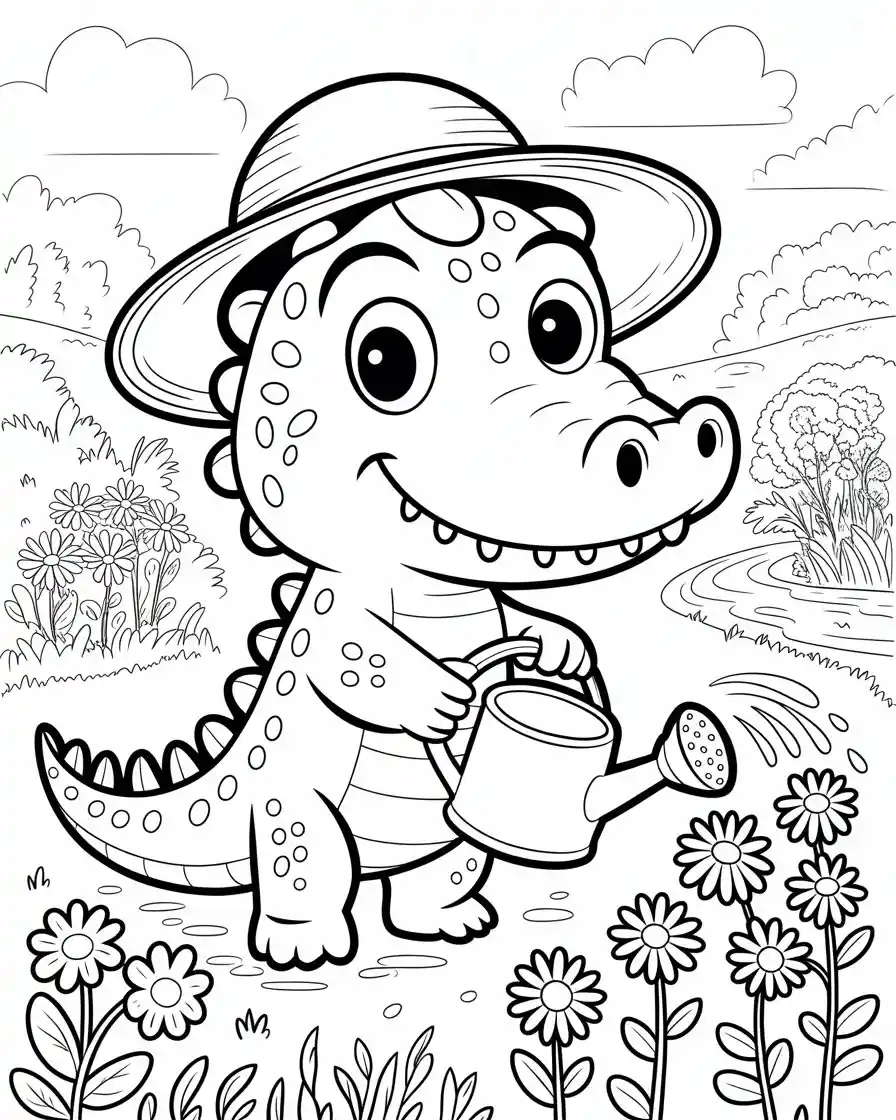
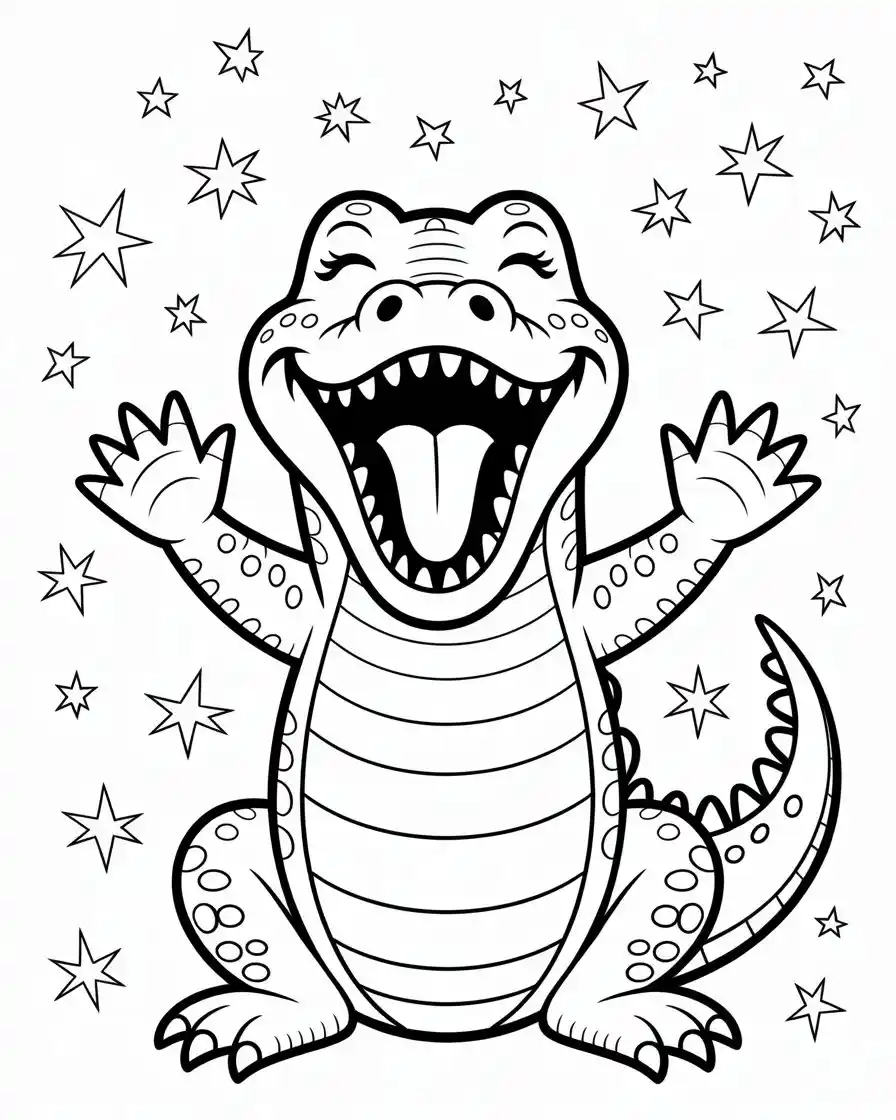
Crocodile in Its Habitat: Scenes showing a crocodile partly submerged in water, basking on a riverbank, or surrounded by reeds, useful for a broader wetlands or reptile unit. A few seasonal options, including a Christmas crocodile coloring page, are also included for holiday classroom activities.
A Quick Look at Real Crocodile Species
Since several designs in this collection are based on specific species, it helps to know a little about each one before picking a crocodile coloring page to print. A Nile crocodile coloring page, based on the species found across much of sub-Saharan Africa, is one of the largest and most detailed designs in this collection, often shown in a classic riverbank pose. A saltwater crocodile coloring page reflects the species native to parts of Australia and Southeast Asia, the largest living reptile on Earth, typically shown with a broader, more powerful-looking head. The American crocodile has a narrower snout than most other species and is found in parts of Florida, Central America, and the Caribbean. The Cuban crocodile is smaller and more brightly patterned, with a distinctive mix of yellow and black coloring that makes for an especially fun coloring challenge.
Coloring Techniques That Work Well Here
Crocodile skin rewards a bit of layering rather than one flat color. Try a base coat of olive or muted green, then add a darker green or brown along the ridges and plating to suggest texture and depth. For the underside, a pale yellow or cream tends to look more natural than white. Colored pencils allow better control for shading the bumpy plating along the back and tail, while markers work well for younger kids who want a bold, fast result on the simpler cute designs.
Why We Say Crocodile Tears
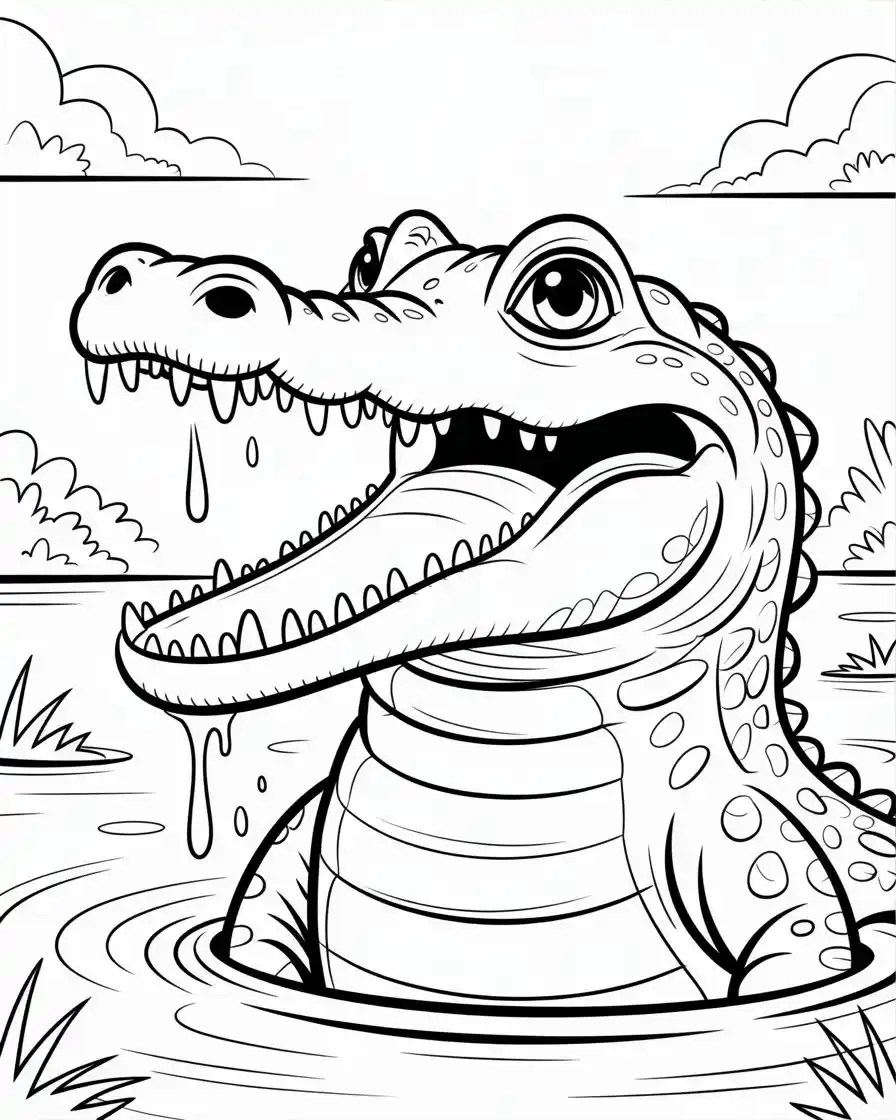
Kids sometimes ask about this phrase, and it makes a genuinely fun fact to share during a coloring session. Crocodiles do actually produce tears while eating, though scientists believe it’s related to the physical act of forcefully expelling air and fluid while feeding, not an emotional response. The phrase “crocodile tears,” used to describe fake sadness, comes from old folklore describing crocodiles as weeping while devouring prey, a story that isn’t biologically accurate but has stuck around in language for centuries. It’s a small, memorable detail that tends to make crocodile coloring pages more interesting to kids who enjoy odd animal trivia.
Matching a Design to Age and Interest
Whether you need crocodile coloring pages for toddlers just starting with crayons or crocodile coloring pages for adults who want a longer, detailed session, this table breaks down what tends to work best at each stage.
| Age Group | Best Fit | Why |
| Preschool (2–4 years) | Cute Crocodile Pages | Simple, rounded shapes suit early crayon grip |
| Early Elementary (5–8 years) | Crocodile in Its Habitat | Familiar setting keeps attention without overwhelming detail |
| Older Kids (9–12 years) | Species-Specific Pages | Real species facts add an educational angle kids enjoy |
| Teens & Adults | Realistic Crocodile Designs | Detailed texture supports a longer, calmer session |
Crocodile vs. Alligator: A Difference Worth Knowing
These two reptiles get mixed up constantly, so it’s worth explaining the difference while coloring. The clearest visual clue is the snout: a crocodile has a narrower, V-shaped snout, while an alligator’s snout is broader and more rounded, shaped like a U. Another giveaway shows up when the mouth is closed, a crocodile’s fourth lower tooth is usually visible even with its jaw shut, while an alligator’s teeth are mostly hidden. Crocodiles also tend to tolerate saltwater far better than alligators, which is part of why species like the saltwater and American crocodile are found in coastal and estuary environments. Pointing out the snout shape alone is usually enough for a child to correctly identify either animal going forward.
Why This Kind of Coloring Session Is Worth the Time
Coloring offers more than a quiet activity. For younger children, holding a crayon and staying within an outline builds the same fine motor control and grip strength used later for handwriting, which is part of why the activity shows up so often in preschool routines. Working through the textured, plated skin of a realistic crocodile design also demands a level of sustained focus that’s genuinely useful practice for a young attention span. For teens and adults, a slow, detail heavy design offers a different kind of value, many people enjoy this kind of repetitive, detailed shading as a quiet, low-key hobby.
Different Reasons People Print This Collection
Not everyone downloading these crocodile printable wants the same thing. Someone looking for something free and simple for a rainy afternoon usually just wants a quick, easy design to grab and print, while a teacher preparing a reptile-unit worksheet wants species-accurate pages that photocopy cleanly in black and white. Parents of toddlers tend to head straight for the cute, rounded styles, since bold outlines are easier for small hands to manage, while older kids and adults after something more advanced usually get more out of the realistic and species-specific sections.
What Kids Do With a Finished Crocodile coloring Pages
A colored crocodile design doesn’t have to end up in a drawer. Younger kids often enjoy cutting out a favorite design to use as a bookmark, while a detailed realistic page works well pinned to a bedroom wall for kids who are into reptiles or dinosaurs. In a classroom setting, having each student color a different real species and grouping the results together makes an easy, low-effort bulletin board for a wetlands or reptile unit, and it naturally opens a conversation about habitat, diet, and how crocodiles differ from alligators.
Steps to Print a Crocodile Sheet at Home
- Click a design to open the full PDF in a new tab.
- Print at 100% scale rather than “fit to page” to avoid thinning out the fine skin-texture detail.
- Use standard printer paper for crayon or light pencil work.
- Switch to cardstock if markers or watercolor pencils will be used, since thinner paper lets ink bleed through quickly.
- Both US Letter and A4 paper sizes work without any stretching or cropping.
Frequently asked questions About Crocodile coloring pages
Explore More Animal Coloring Pages
If you enjoyed this collection, a few related pages worth checking out include [Sea Turtle Coloring Pages], [Frog Coloring Pages], [Lizard Coloring Pages], and [Jellyfish Coloring Pages], all free, printable, and ready to download.
Whether it’s a quick, simple design for a five-minute activity or a detailed, species-accurate scene for a longer afternoon, the goal stays the same: a reliable source of free, print-ready crocodile printable that families and teachers can come back to.