Free Butterfly coloring pages to print for kids
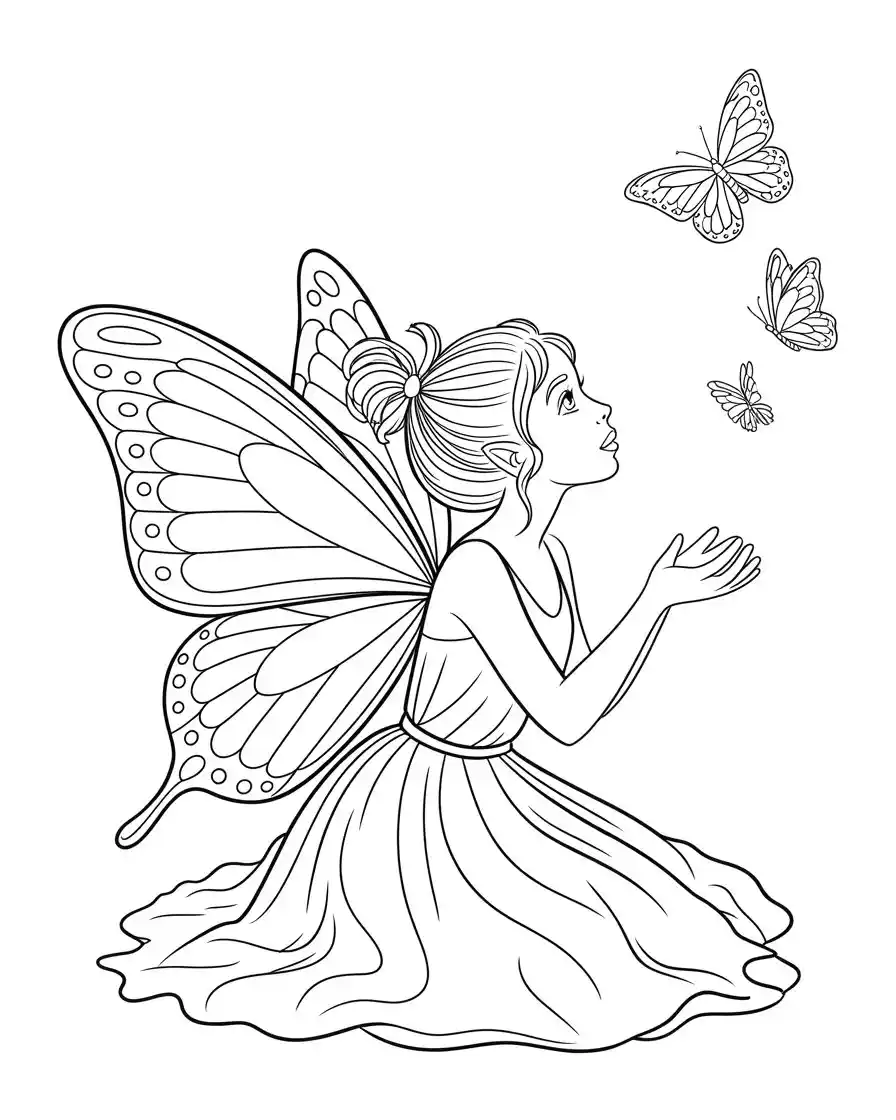
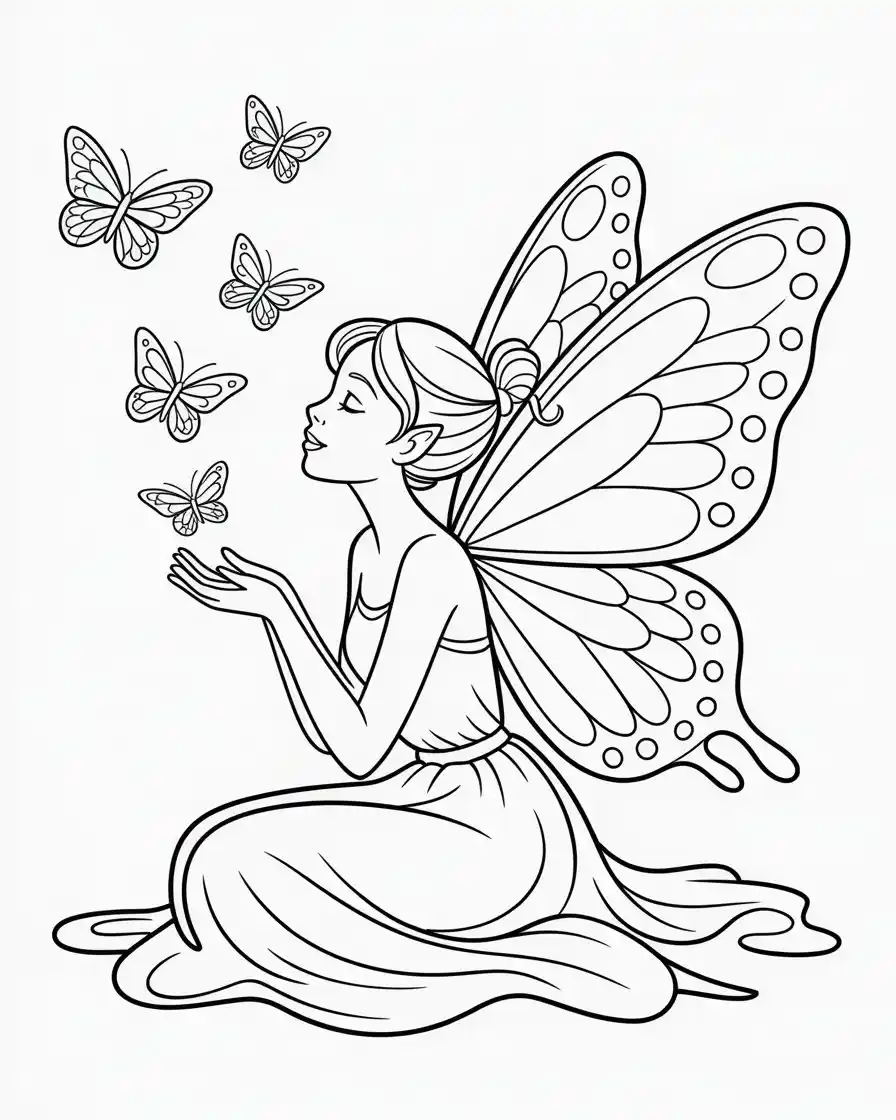
Butterfly Coloring Pages are free, printable black and white outline drawings that children and adults fill in using crayons, markers, or colored pencils. This collection offers 54+ designs, ranging from simple toddler friendly shapes to detailed adult mandalas, each available as an instant PDF download with no sign up required. Coloring a butterfly outline helps young children build fine motor control, supports classroom lessons on metamorphosis and life cycles, and gives adults a screen free, low pressure way to relax. Whether you need a quick activity for a preschooler, a science class handout, or a focused creative break, this set covers every age and skill level with print ready pages you can use again and again.
What Are Butterfly Coloring Pages?
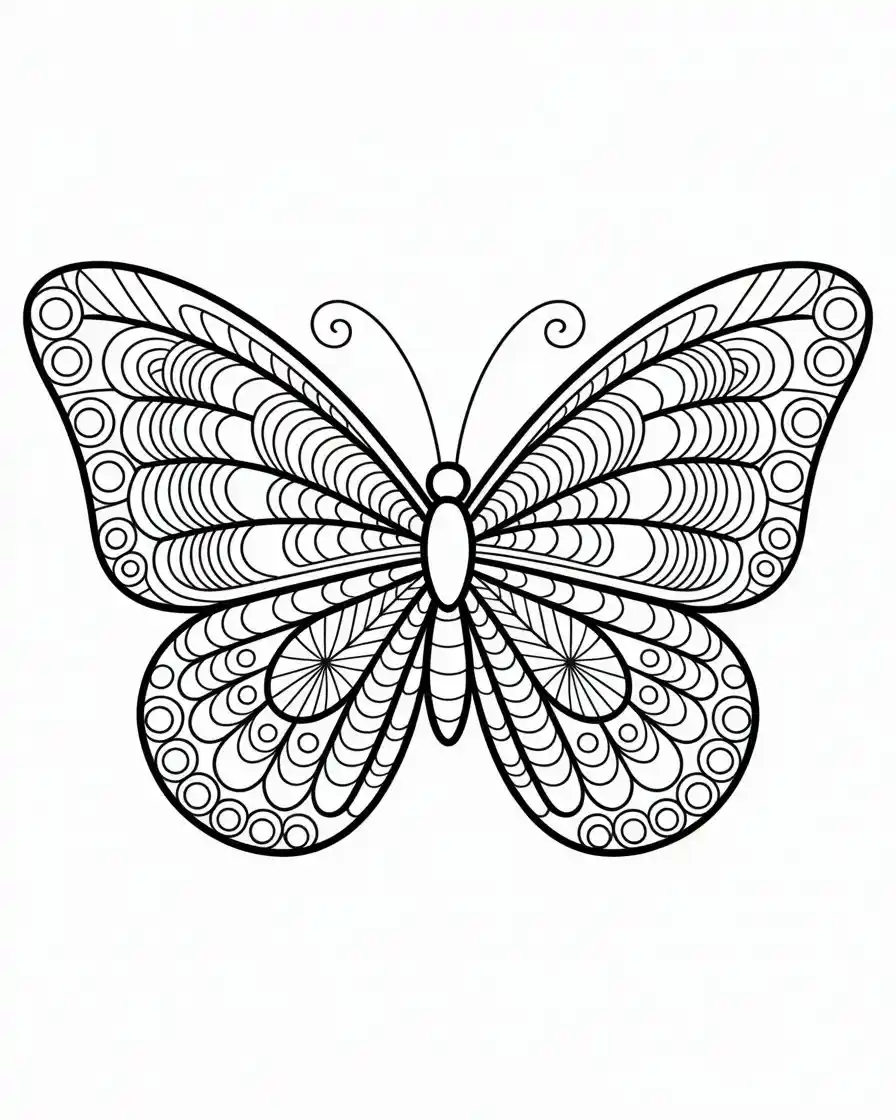
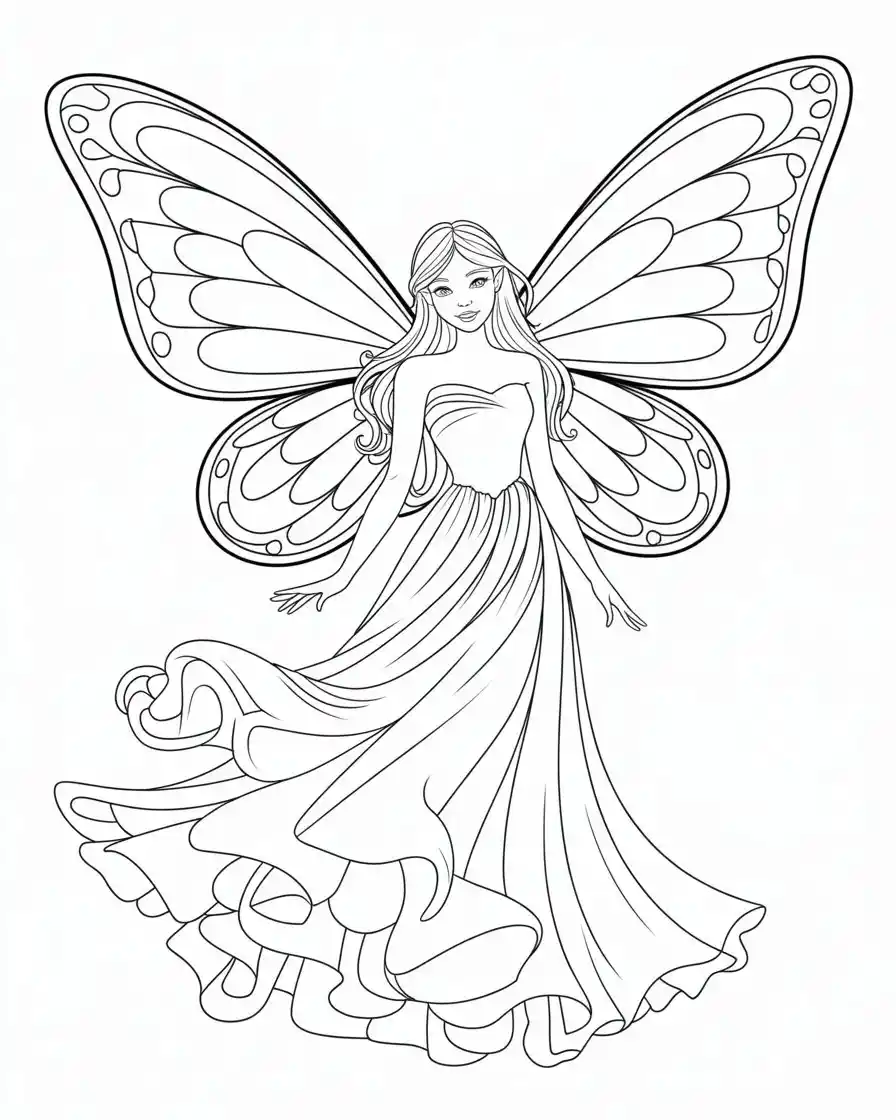
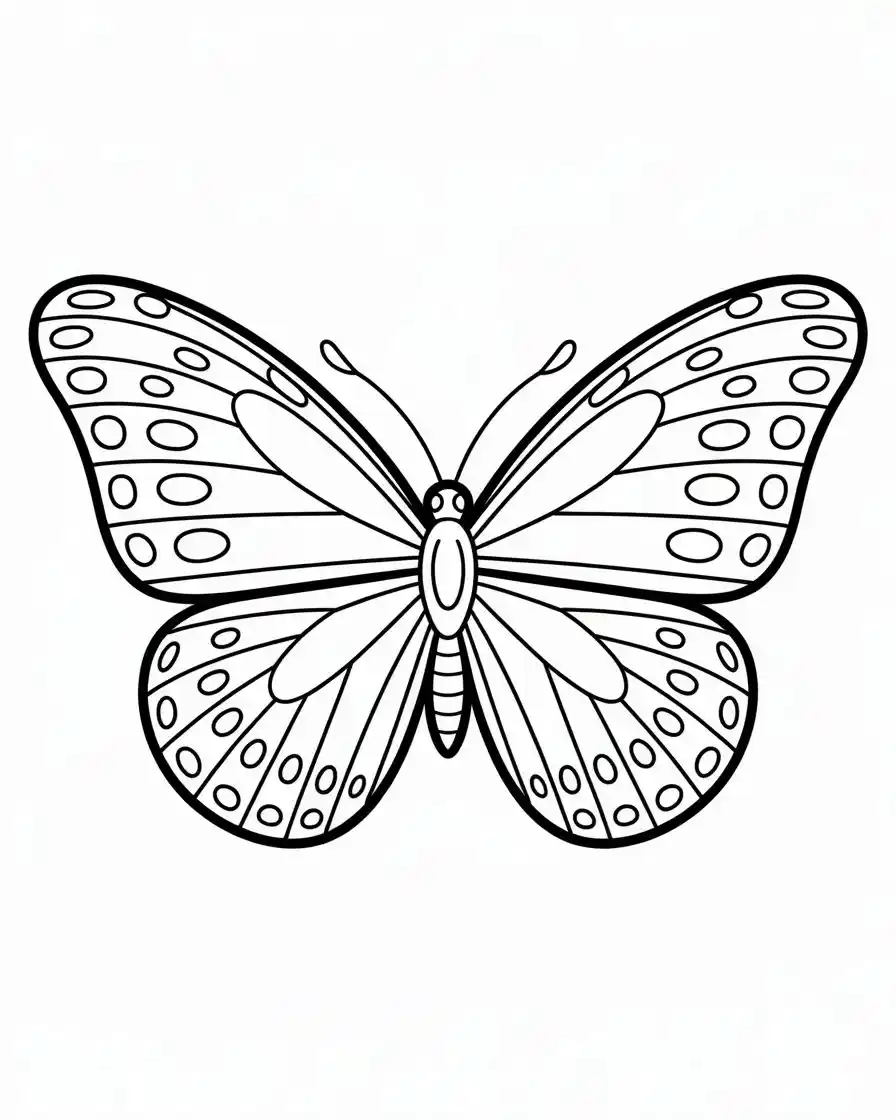
Butterfly coloring pages are printable outline drawings of butterflies ranging from a single thick bordered shape for toddlers to intricate symmetrical mandalas for adults. They’re used at home as an early learning activity, in classrooms alongside insect and life cycle units, and by adults as a focused, low pressure creative break.
Butterflies belong to the order Lepidoptera, which includes more than 17,500 known species. They develop through four stages egg, caterpillar, chrysalis, and adult known as complete metamorphosis. A child who colors a chrysalis next to an emerging adult tends to retain the life cycle better than one who only reads about it. This is part of why butterfly coloring sheets are so widely used as a teaching aid rather than just a quiet time activity.
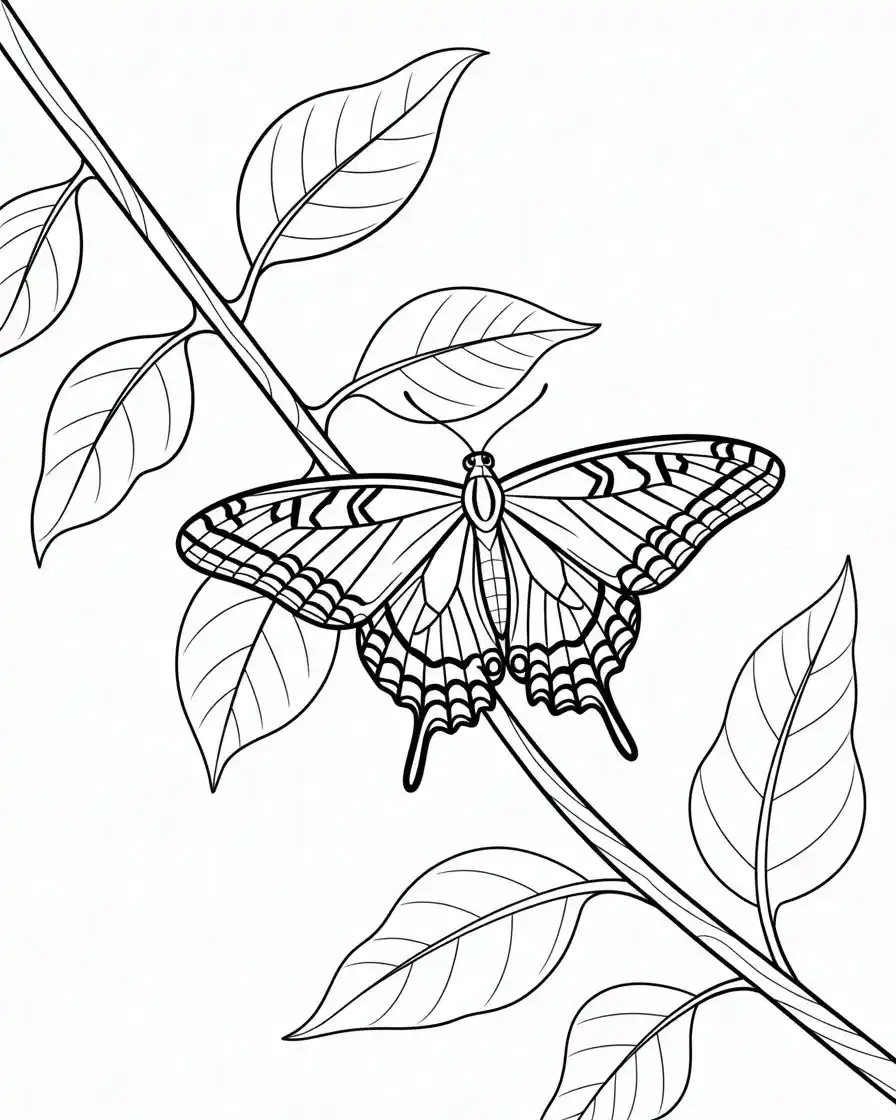
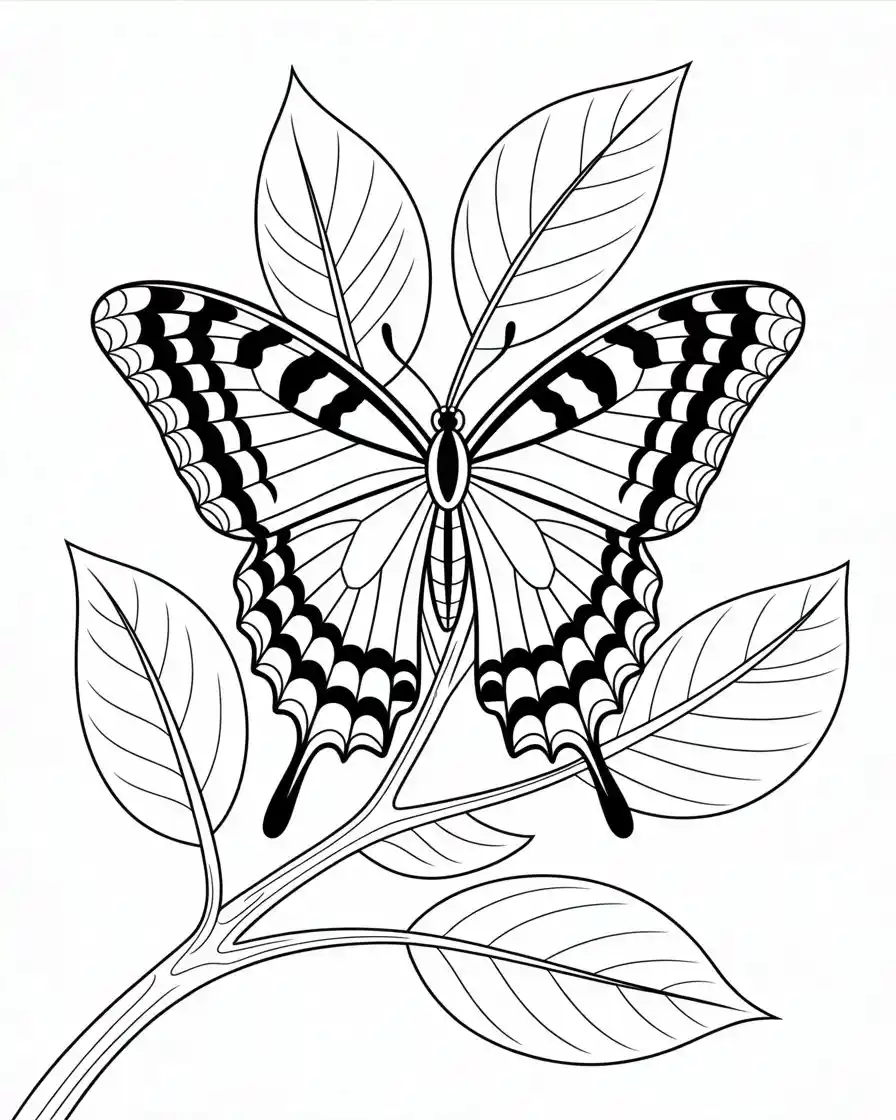

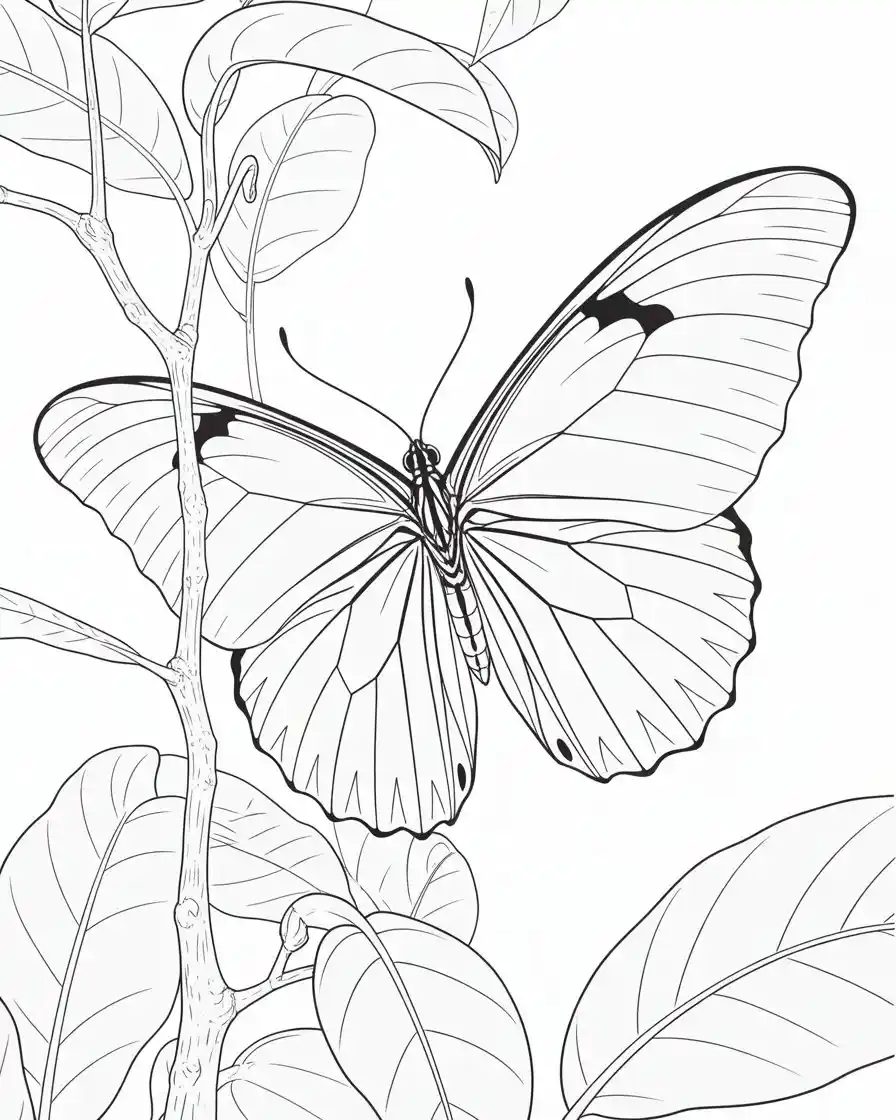
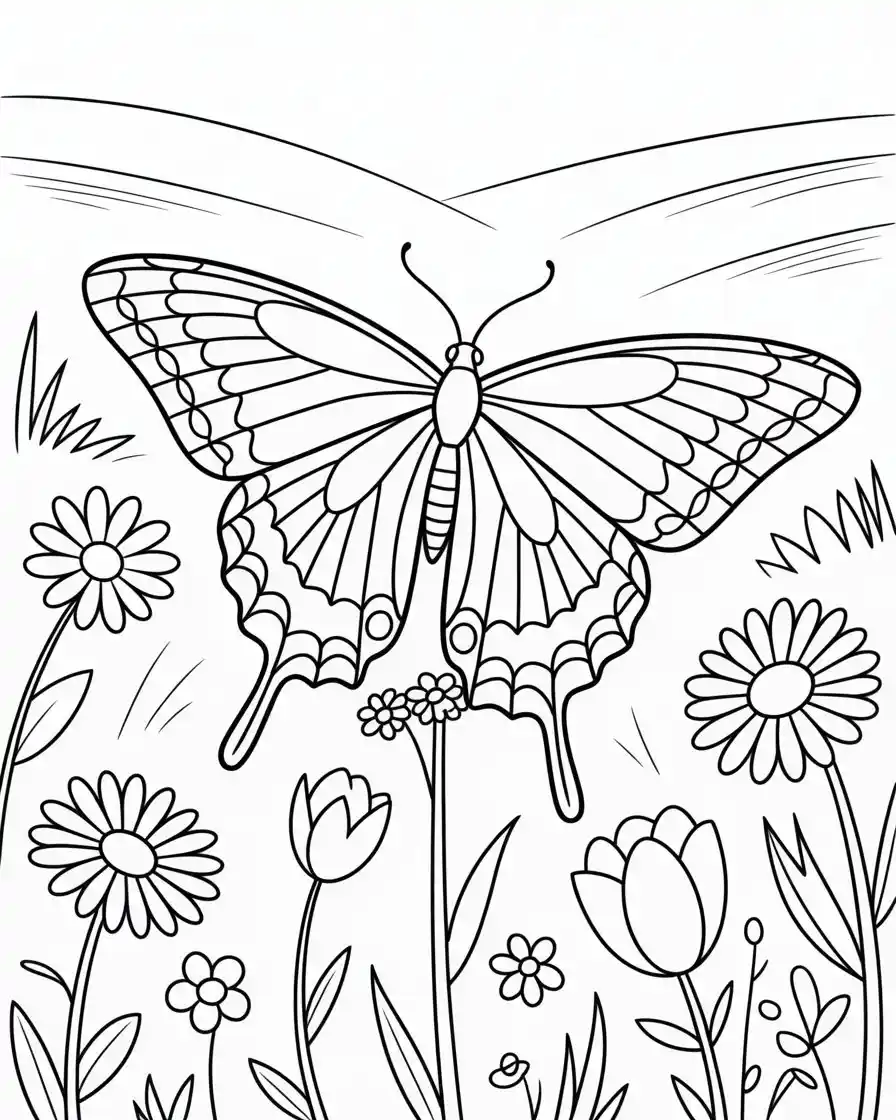
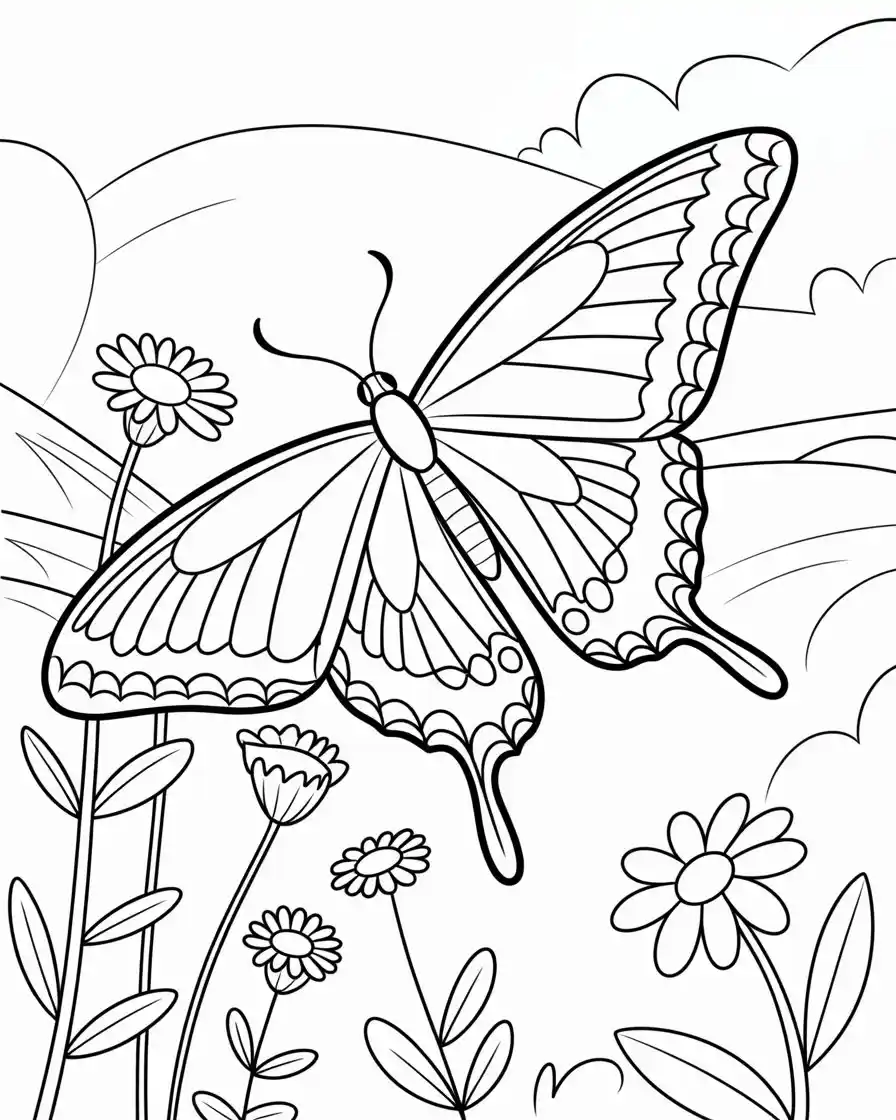
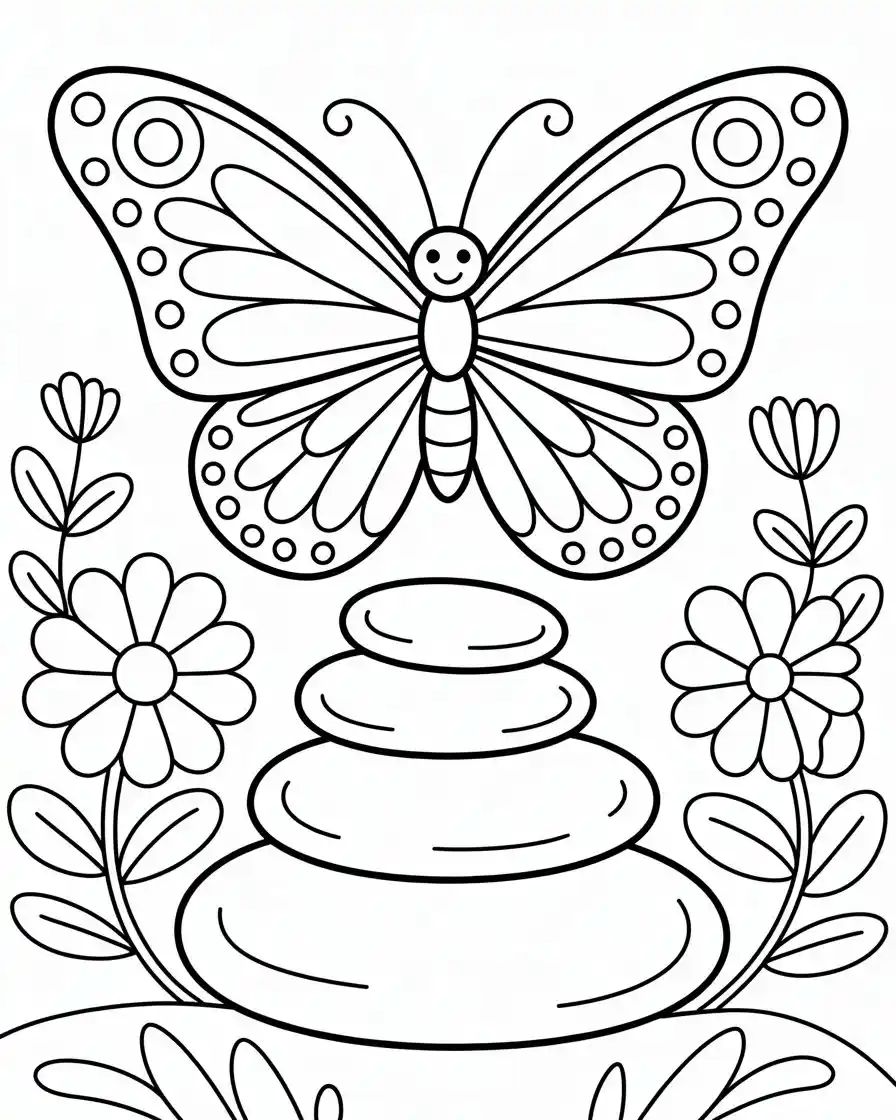
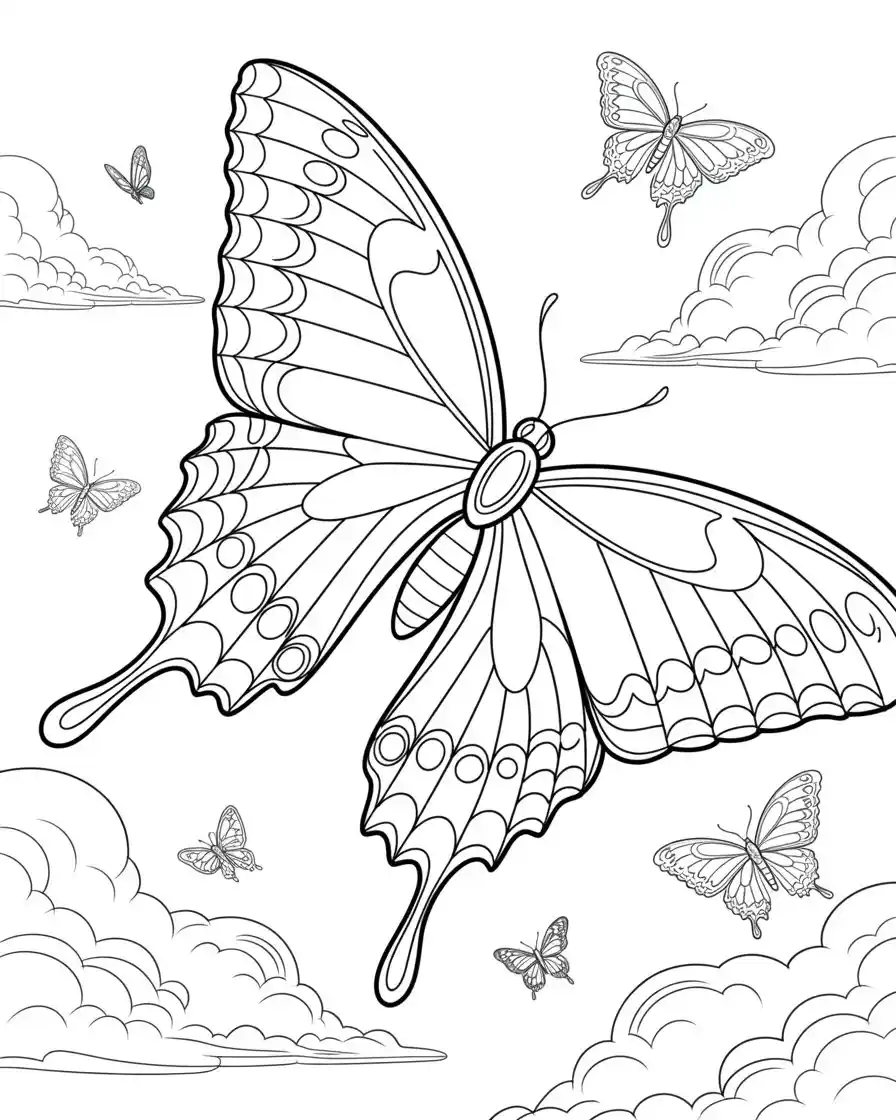

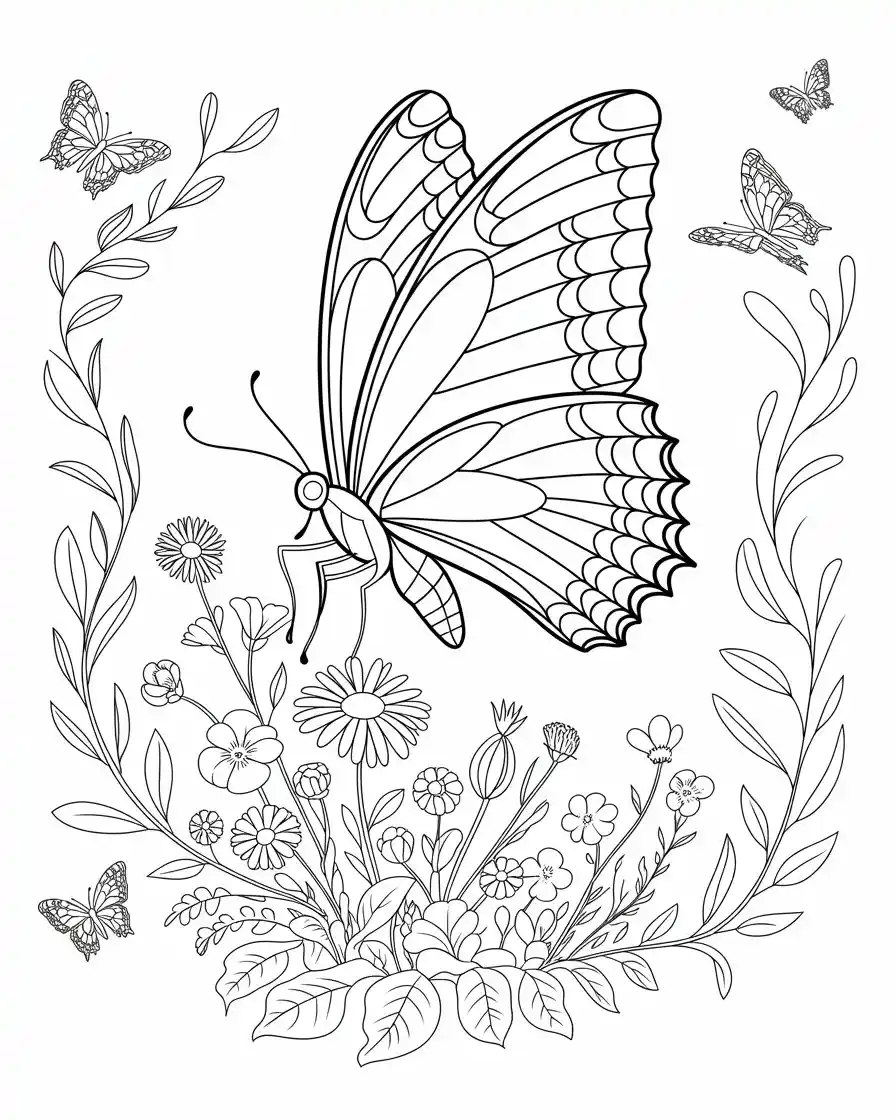


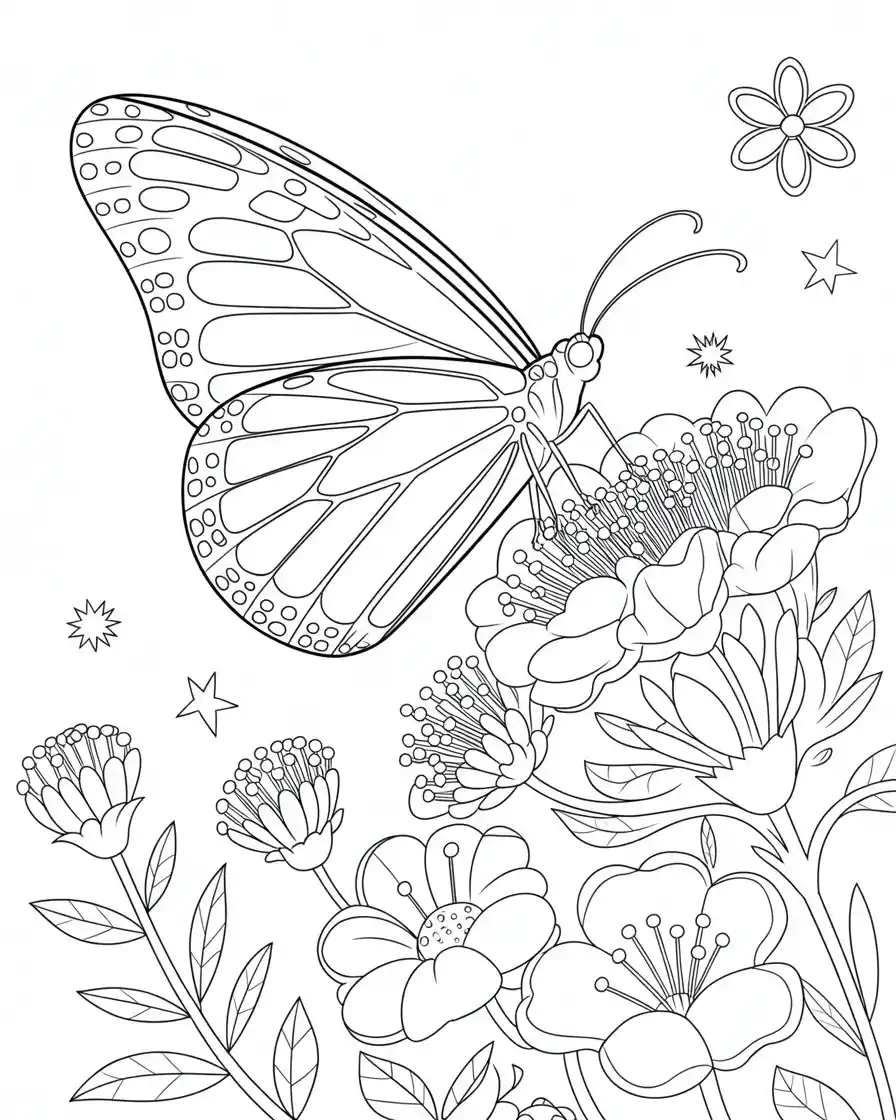
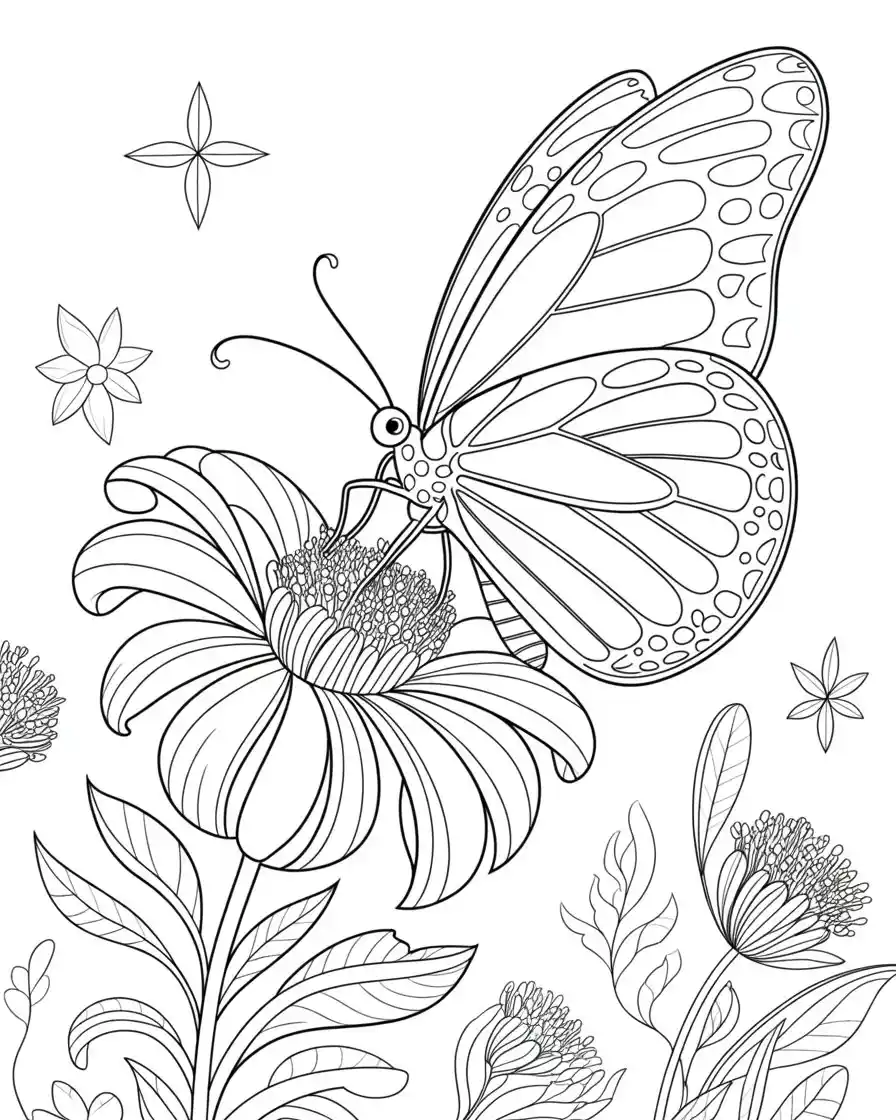
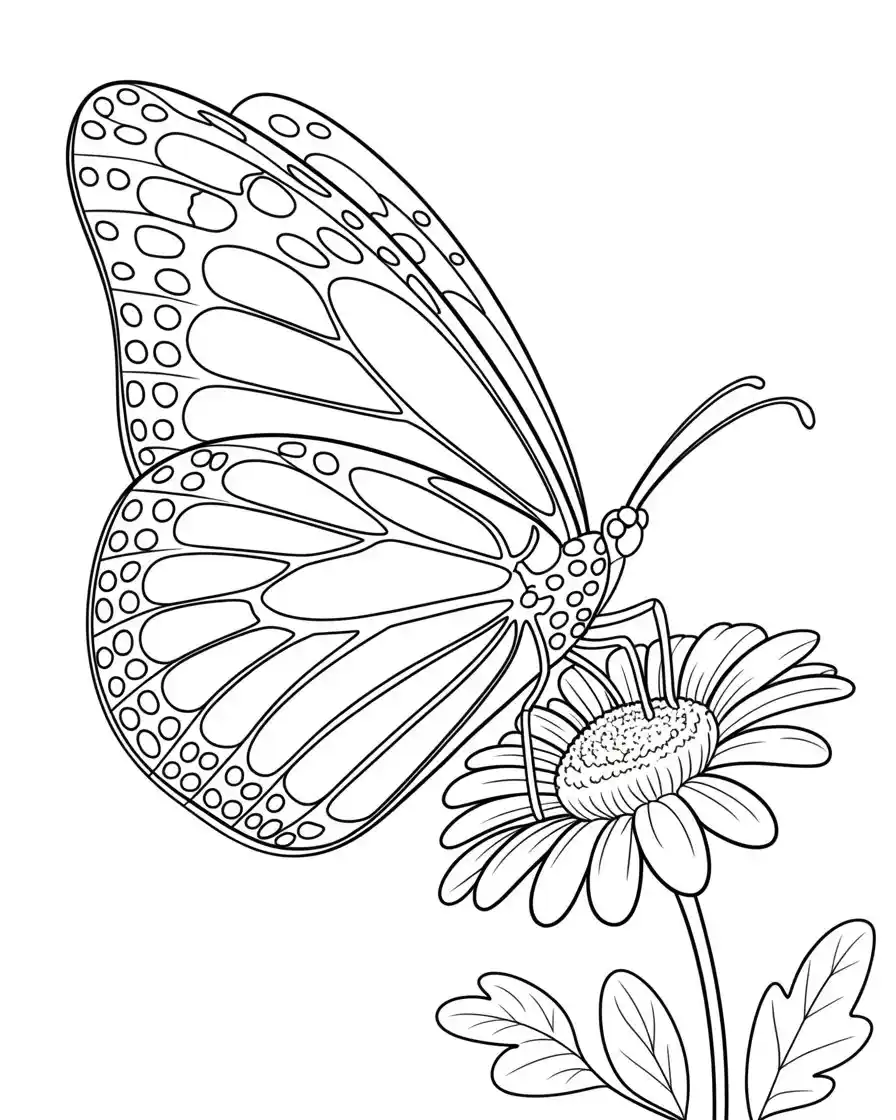


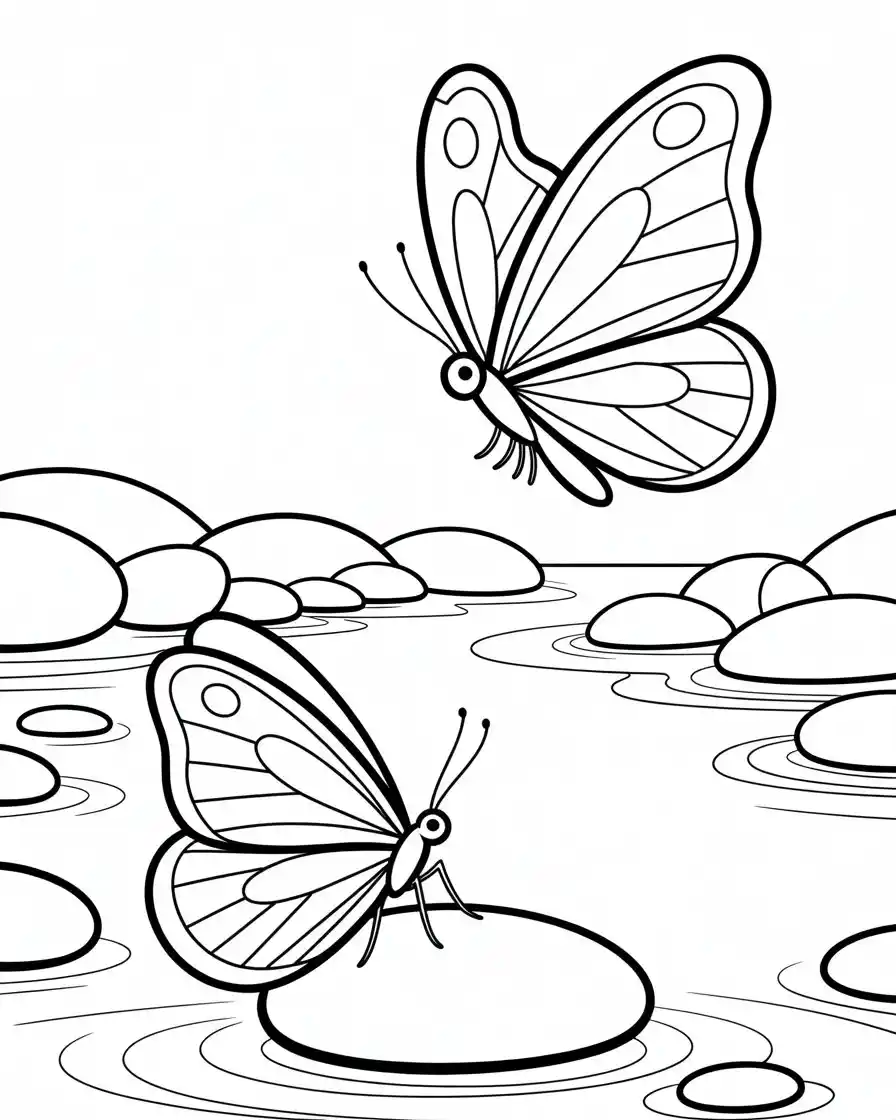
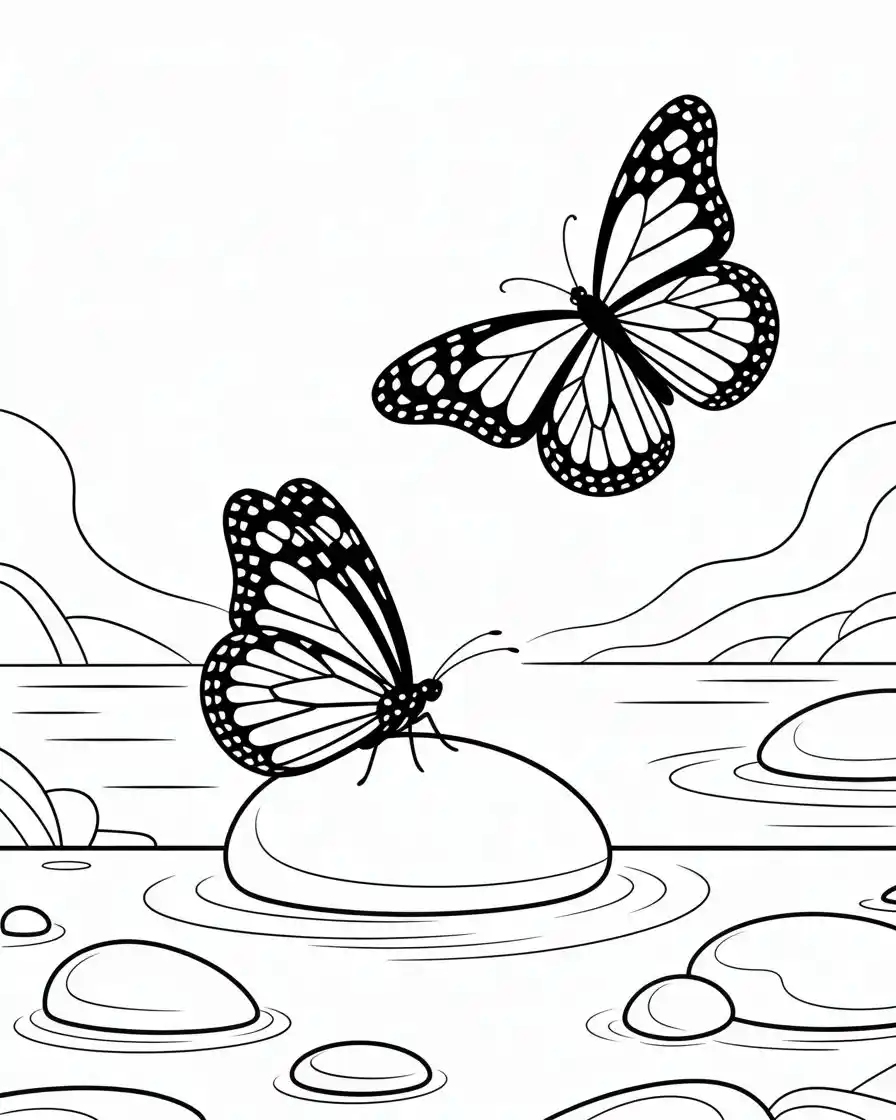
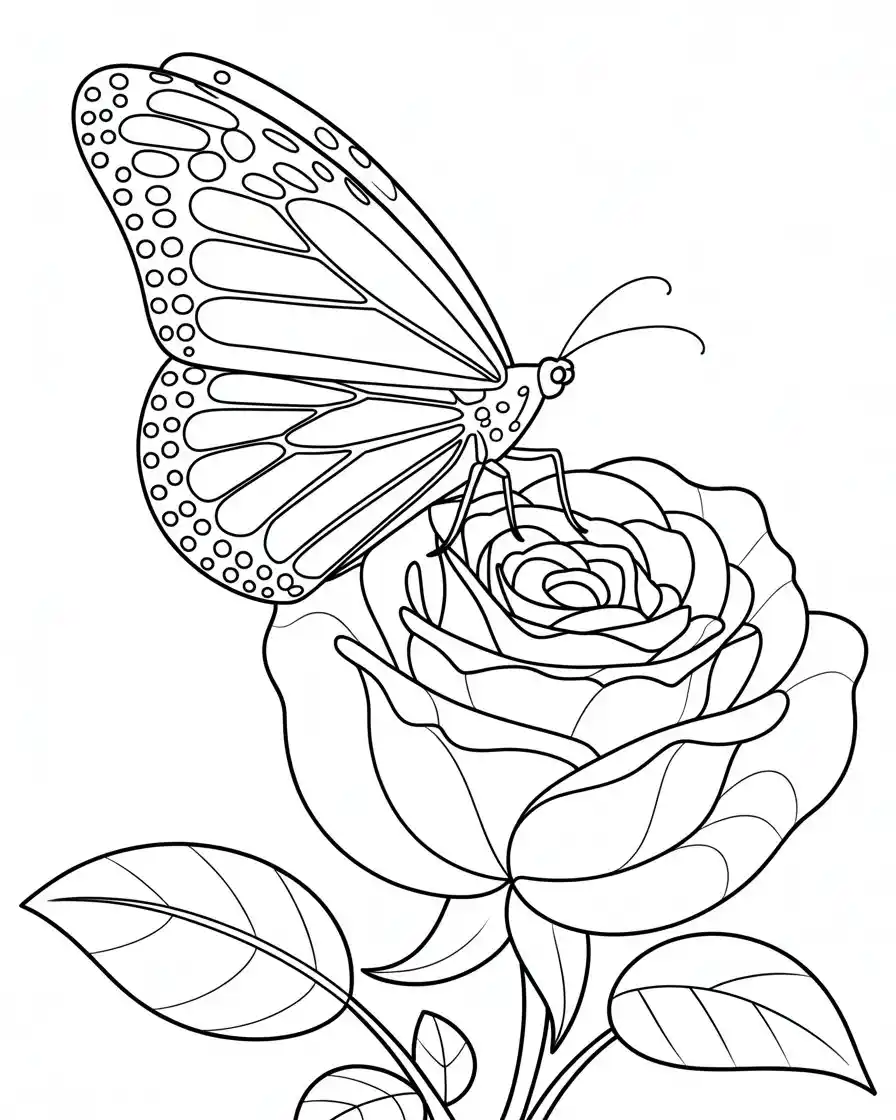

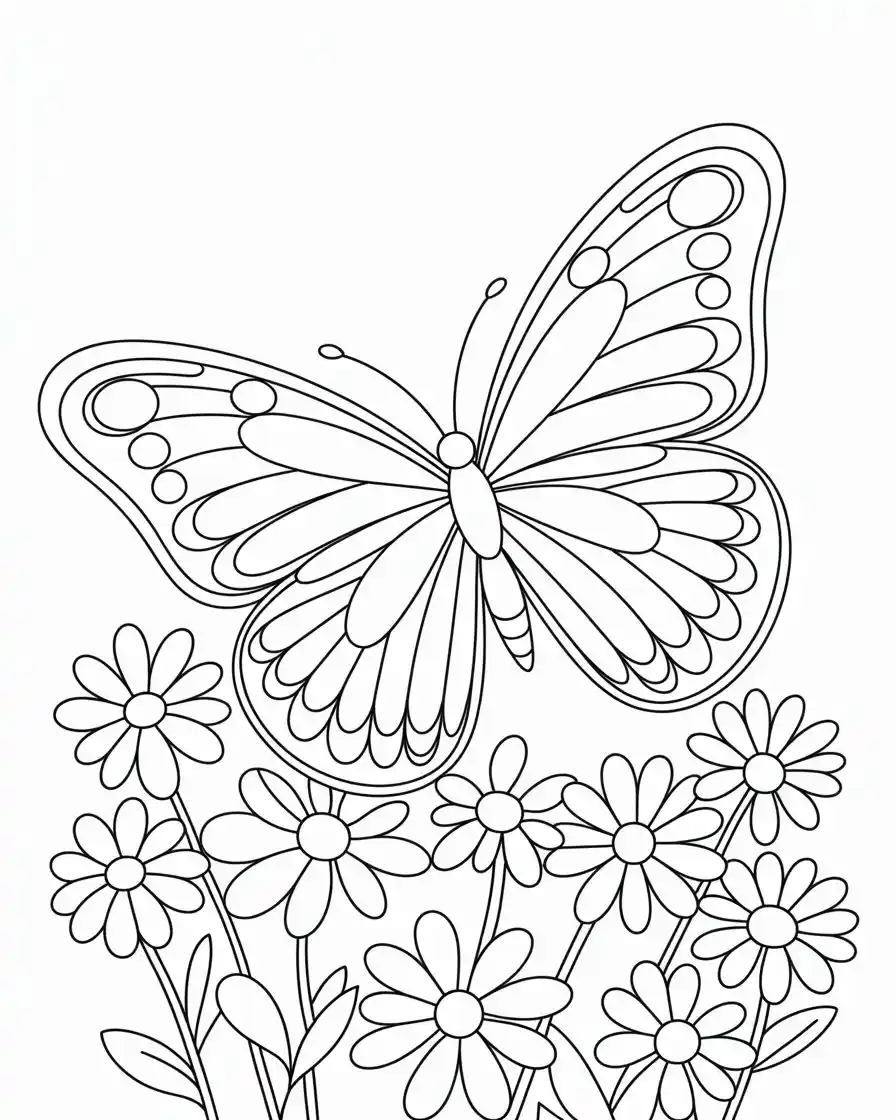



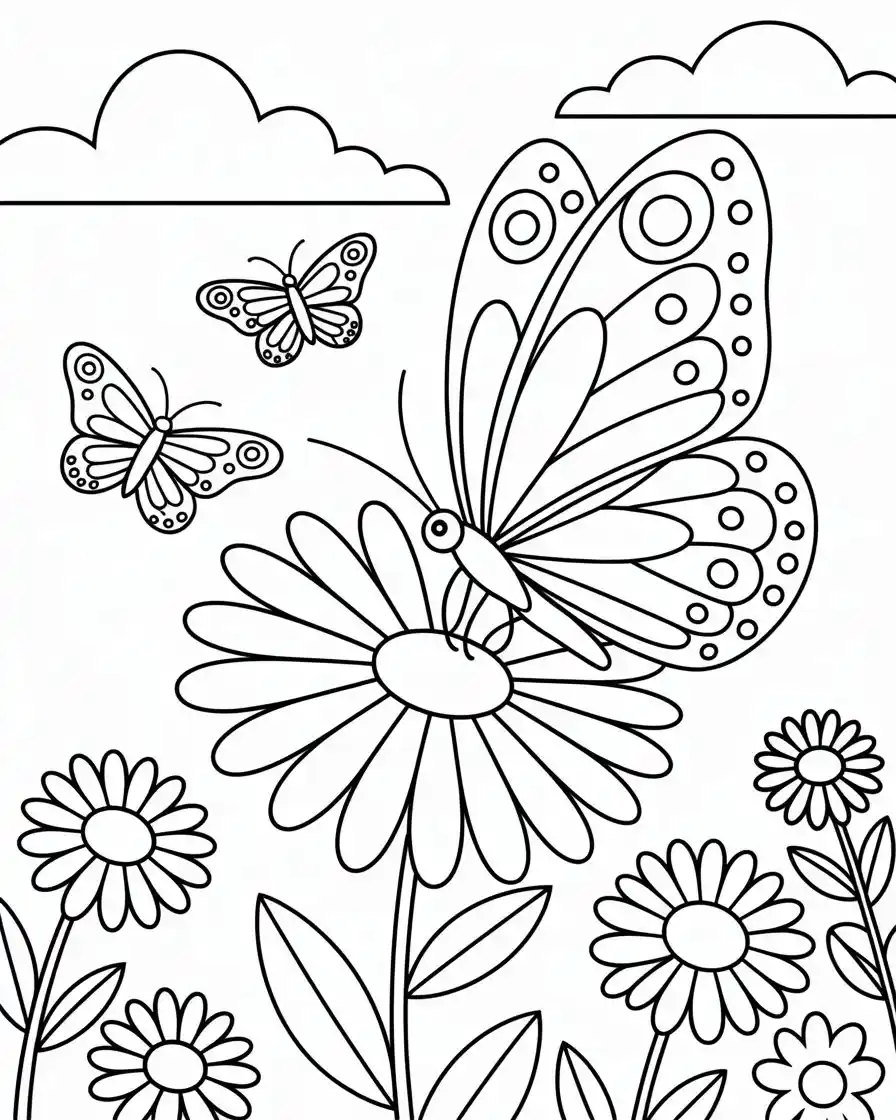

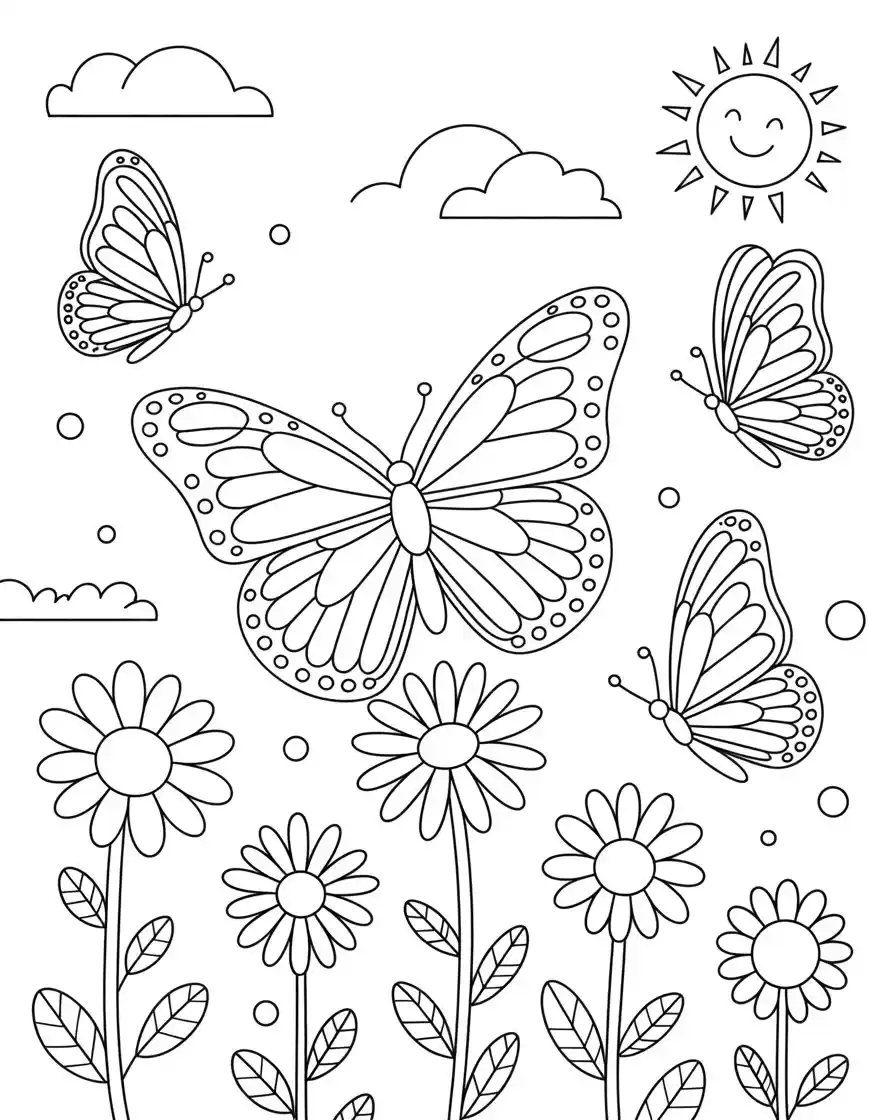

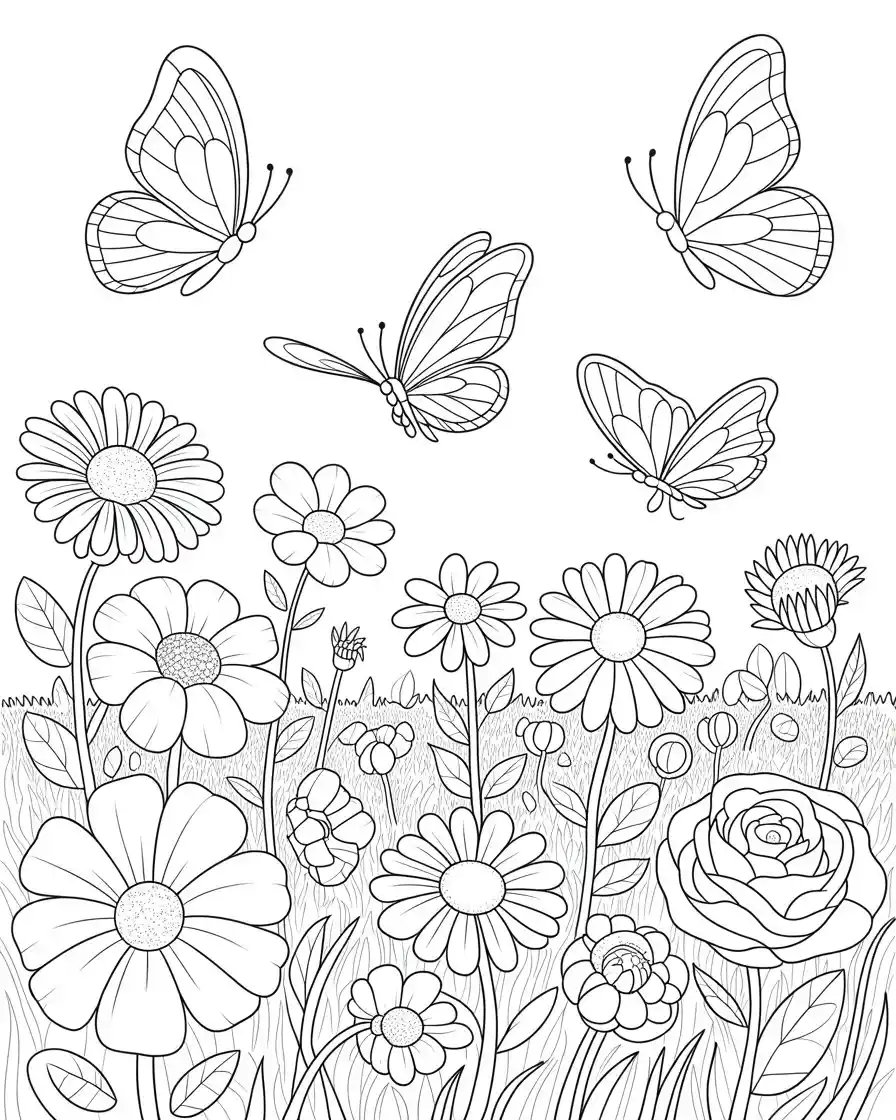

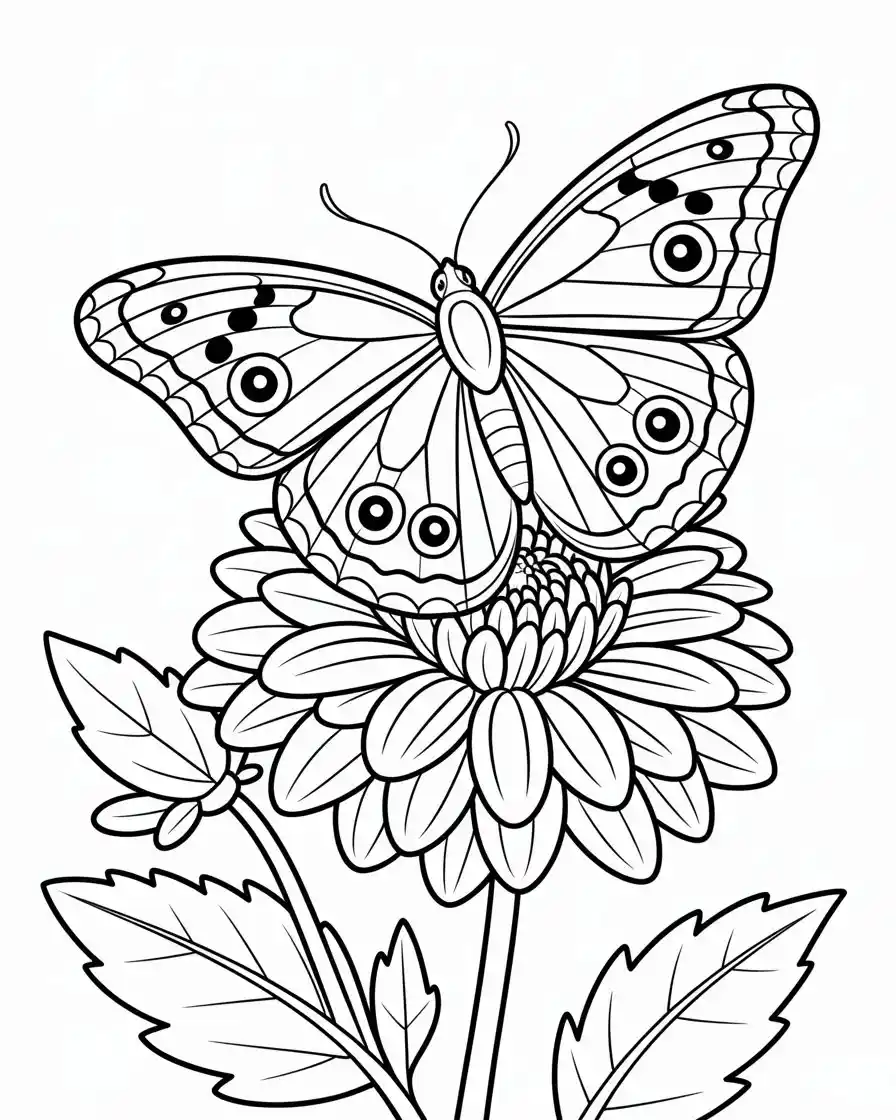


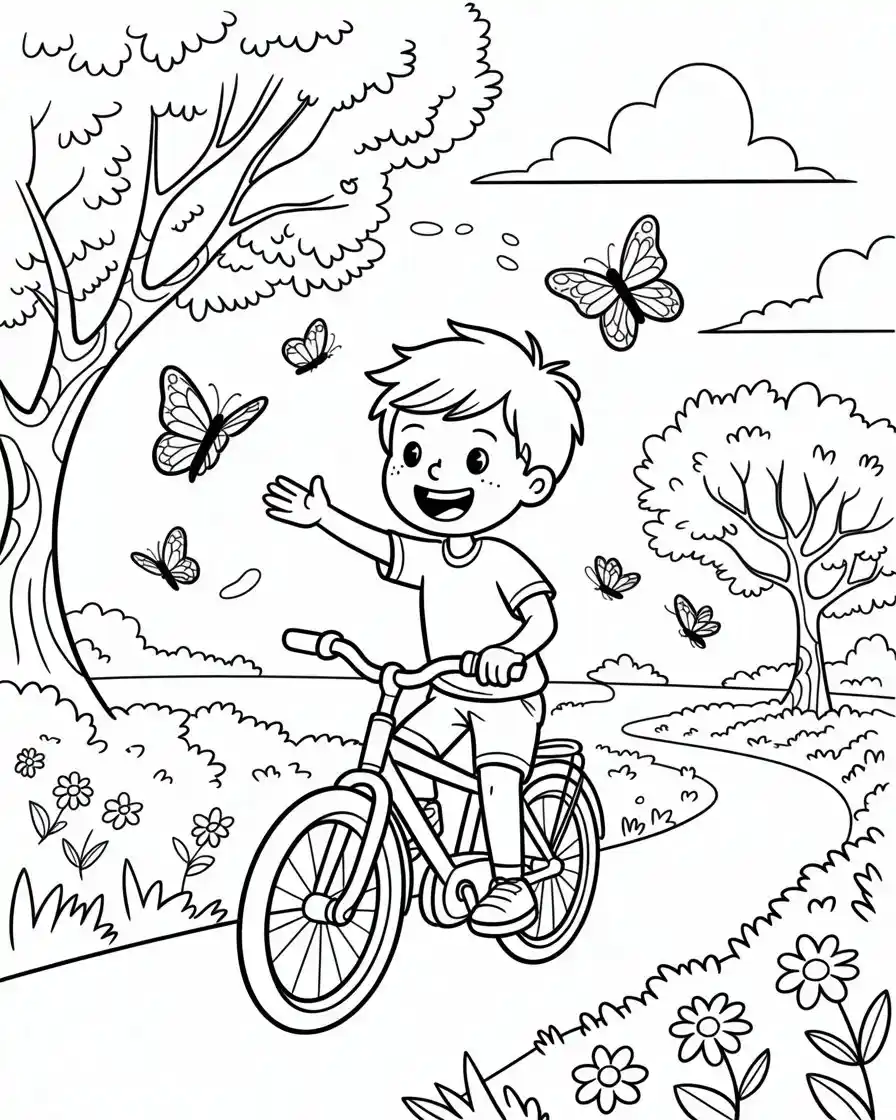
Why Butterfly Coloring Pages Are So Popular
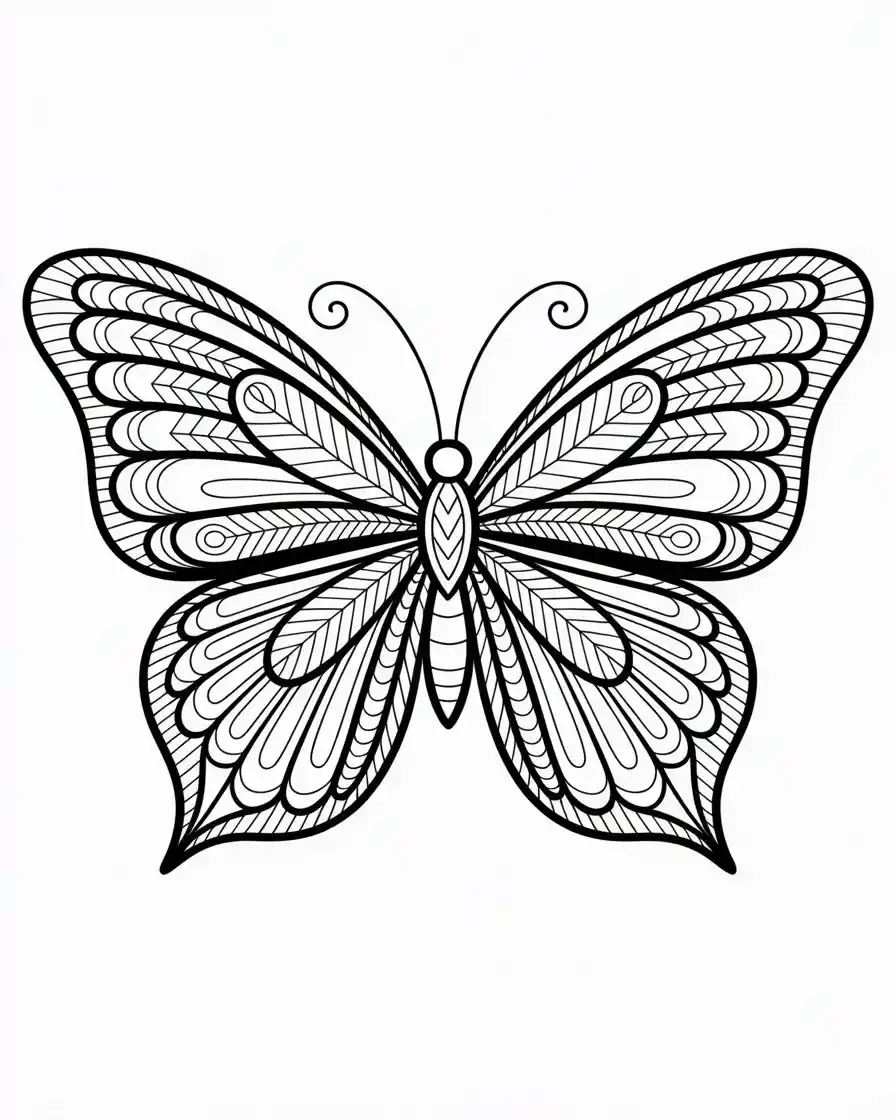
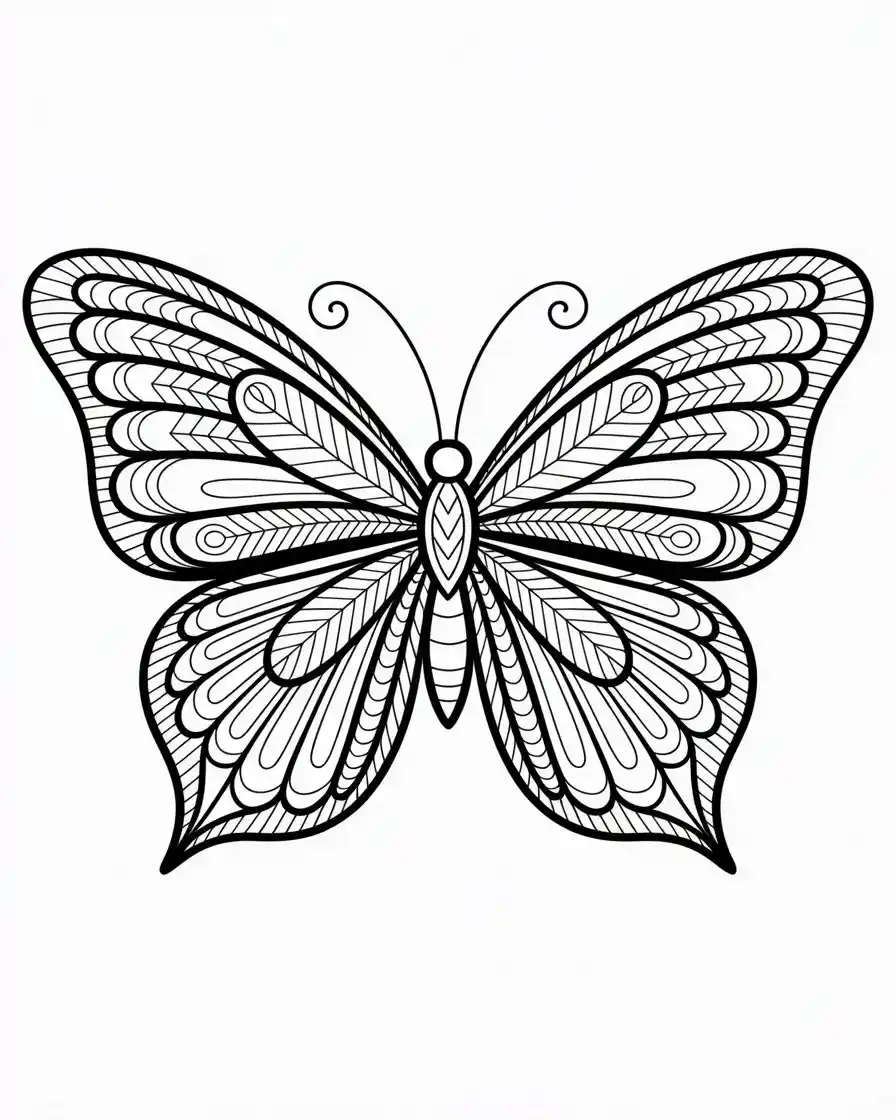
Butterflies are one of the most requested coloring subjects for a simple reason: their wings are naturally symmetrical, which makes them satisfying to color even for a beginner. A child doesn’t need to understand color theory to produce something that looks balanced the shape does that work automatically. This is also why butterfly designs show up so often in early childhood classrooms, occupational therapy practices, and family activity bins.
There’s also a seasonal pull. Butterflies tend to spike in search interest during spring and early summer, when real butterflies are visible outdoors and many schools run insect or garden units. Parents often look for a printable coloring set to pair with a backyard butterfly spotting walk or a visit to a butterfly garden, turning a single afternoon into both an outdoor activity and a quiet indoor follow up.
Butterfly Facts for Kids
- The Monarch migrates up to 3,000 miles a year, the longest known insect migration (USDA Forest Service).
- A butterfly tastes with sensors on its feet to identify flowers.
- Wing color comes mainly from light reflecting scales, not pigment.
- Glasswing butterflies have nearly transparent wings with almost no scales.
- Butterflies can’t fly once their body temperature drops below 55°F.
- A caterpillar’s body largely reorganizes itself inside the chrysalis before emerging as an adult butterfly.
- Some species, like the Painted Lady, are found on every continent except Antarctica.
These pair well with the life cycle sheets and species illustrations above for classroom science lessons, and they make good talking points while a child works through a page.
Choosing a Design by Age
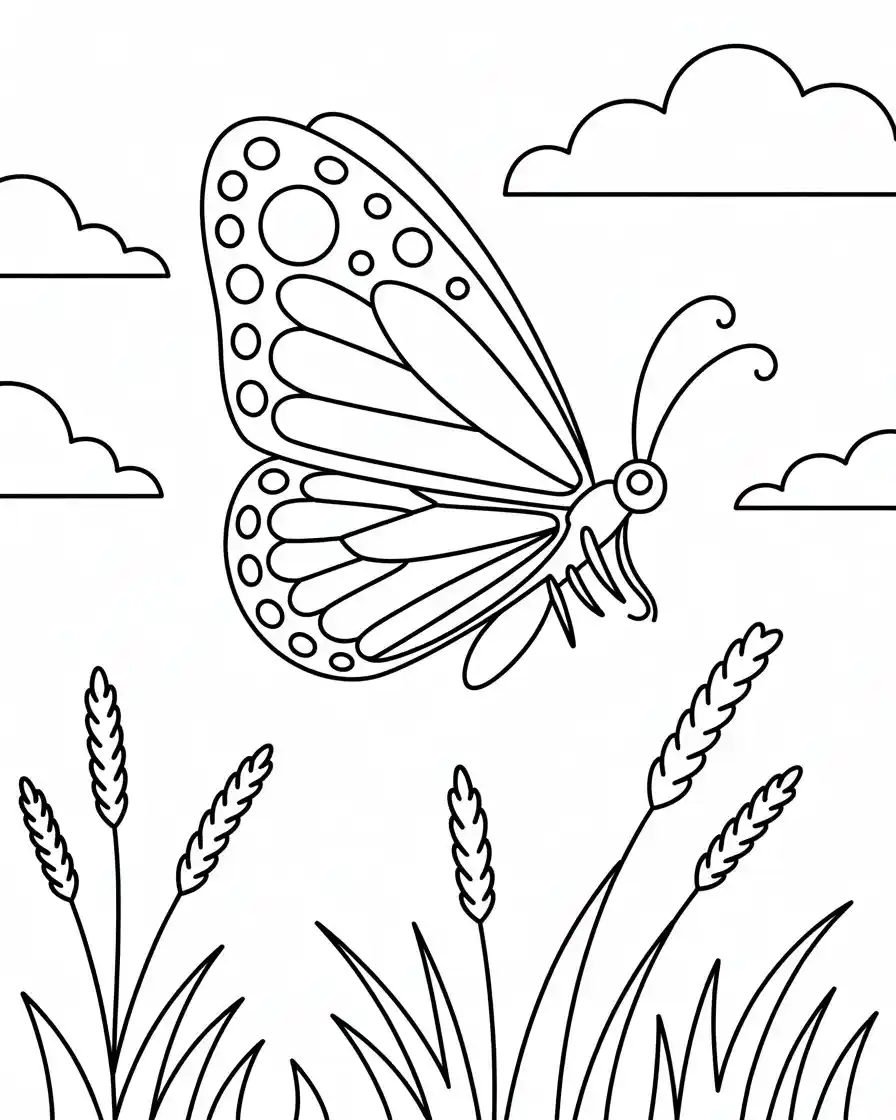
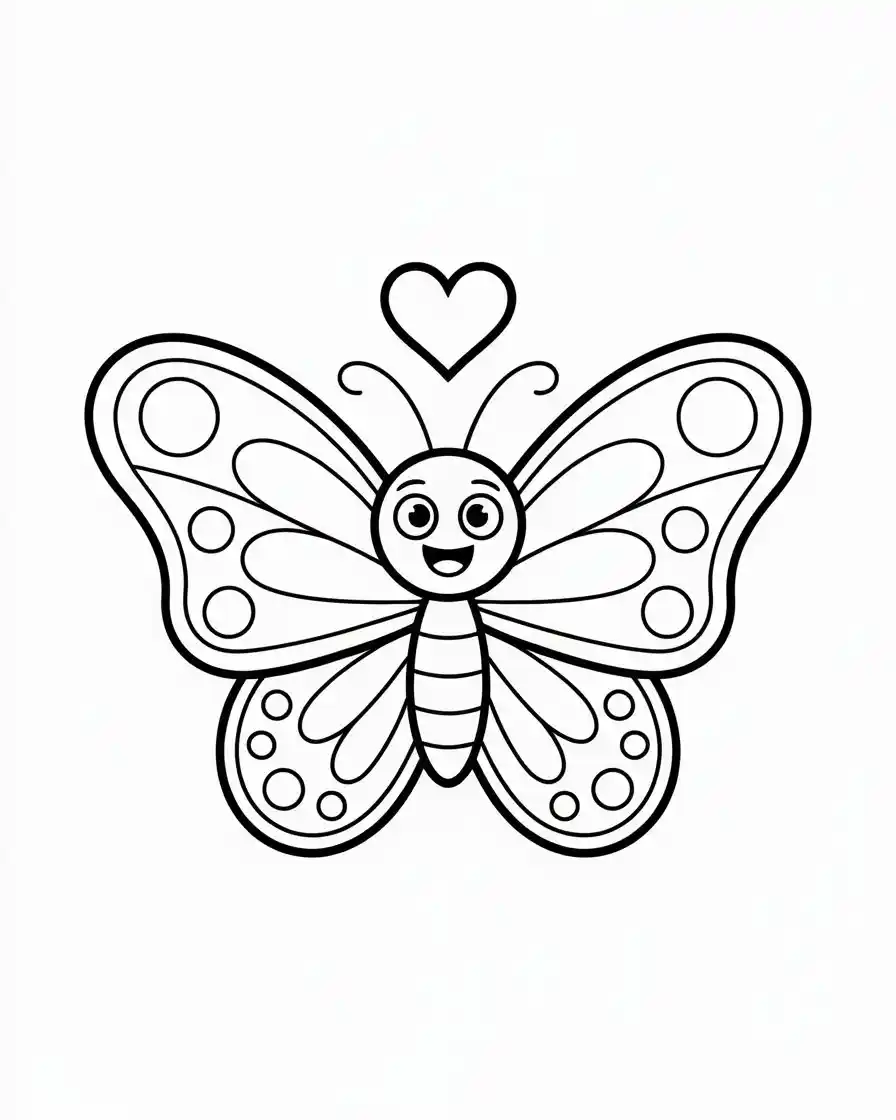
Ages 2–4: One large butterfly, thick lines, no interior sections. At this stage kids are learning to make marks within a boundary neatness isn’t the goal yet. The simplest designs in this collection are built specifically around that single boundary.
Ages 4–6: Two or three open wing sections. Kids start making deliberate color choices, and wing symmetry introduces pattern recognition naturally, often without any adult explanation needed.
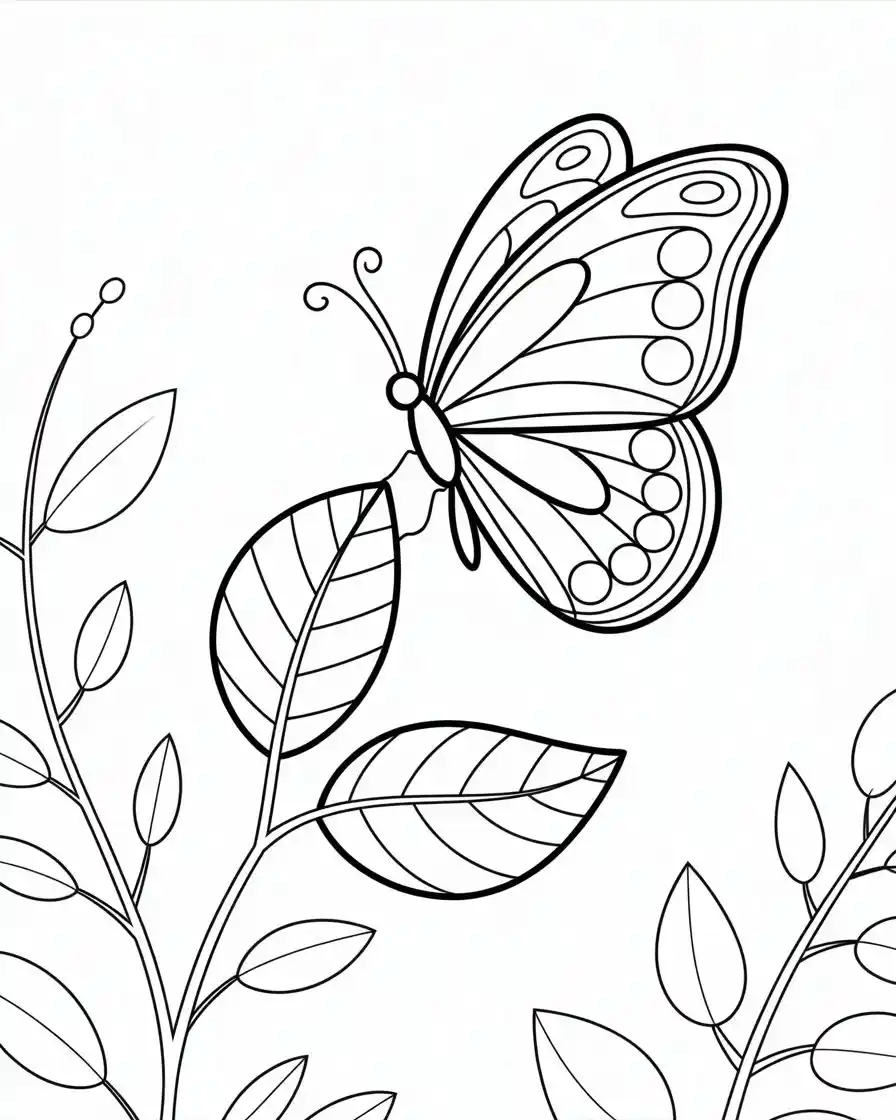
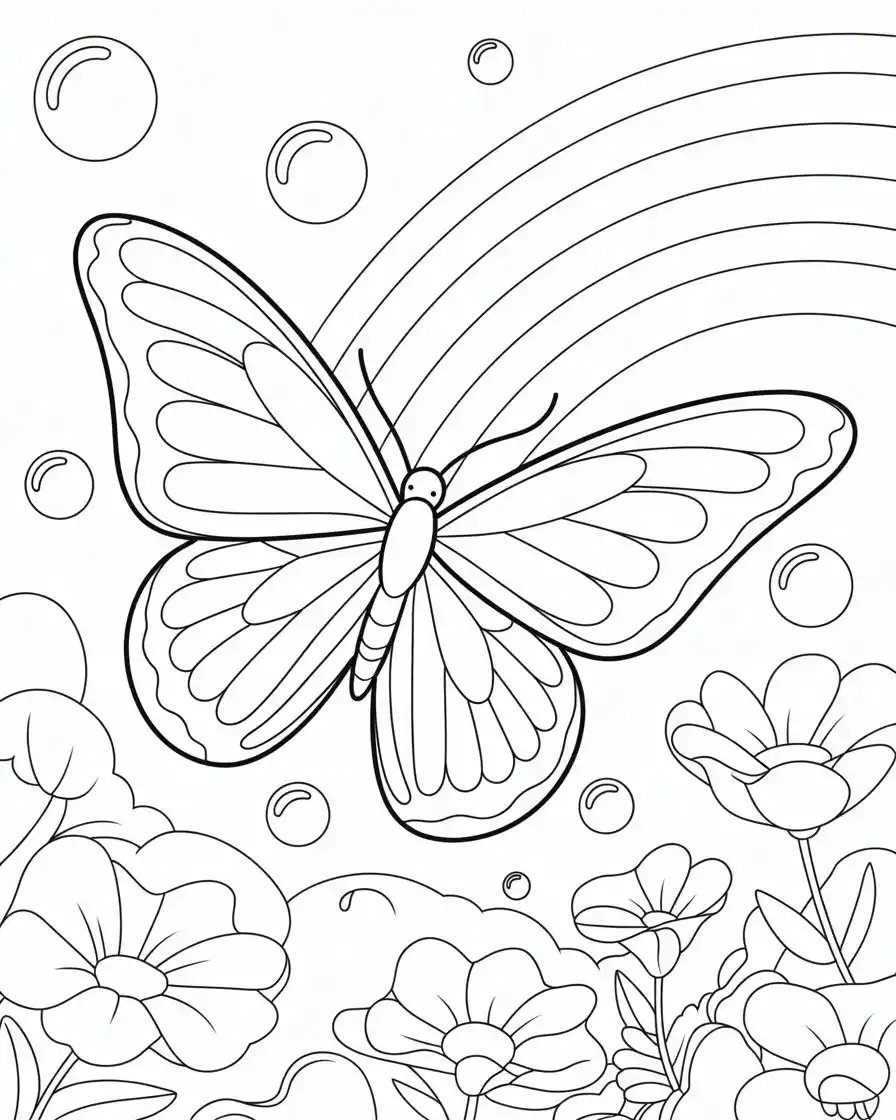
Ages 6–10: Medium detail pages with patterned wings and background elements. Colored pencils work well from around age 7. Life cycle sheets fit especially well here for school science units, since the page itself becomes a small reference diagram.
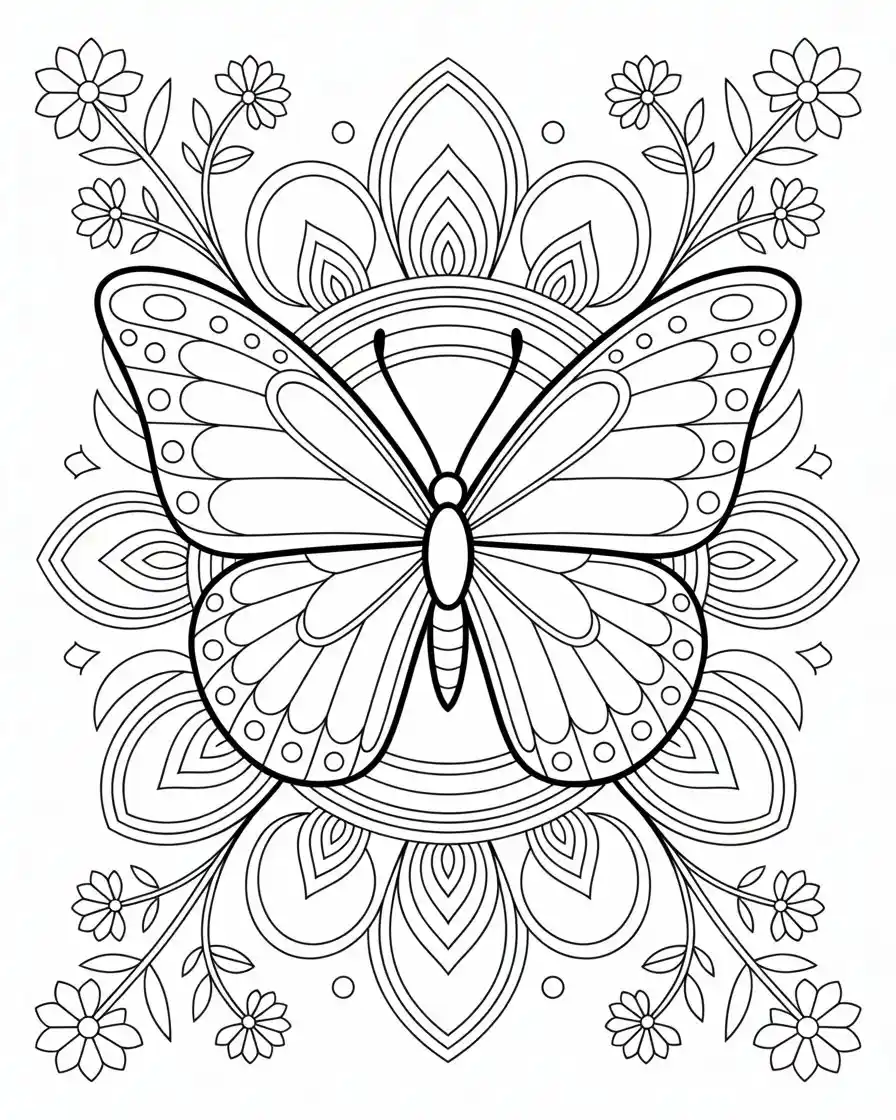
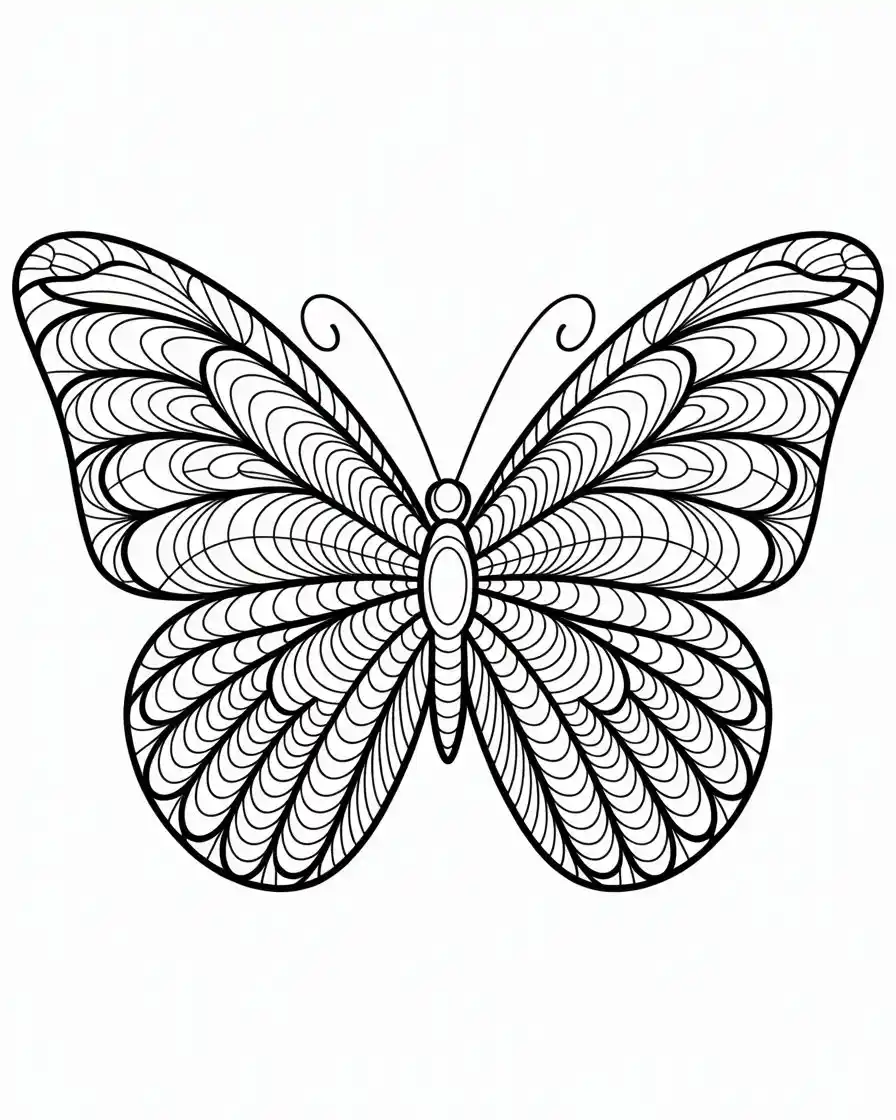
Ages 10+ and adults: Realistic illustrations, mandalas, and stained glass styles. The fine detail rewards patience and gives a busy mind something specific to focus on, which is part of why adult coloring as a category has stayed popular well beyond its initial trend phase.
Are They Really Free Butterfly Coloring Pages ?
Yes every design in this collection is free to download and print, with no account, payment, or watermark. Print the same page ten times to test ten color combinations; there’s no limit. PDF format keeps print quality consistent across any home or school printer, regardless of default print settings.
Because these pages are free rather than part of a paid pack, there’s also no restriction on classroom use a teacher can print a full class set of the same design without needing a separate license.
Can Adults Use These Designs?
Yes. The mandala, stained glass, and realistic species pages are built for adult coolers, with fine interior sections and complex symmetry that take real time to complete. Many adults find this kind of repetitive, detailed work genuinely calming it anchors attention on a physical task rather than a screen, which is often the actual appeal rather than the finished picture itself.
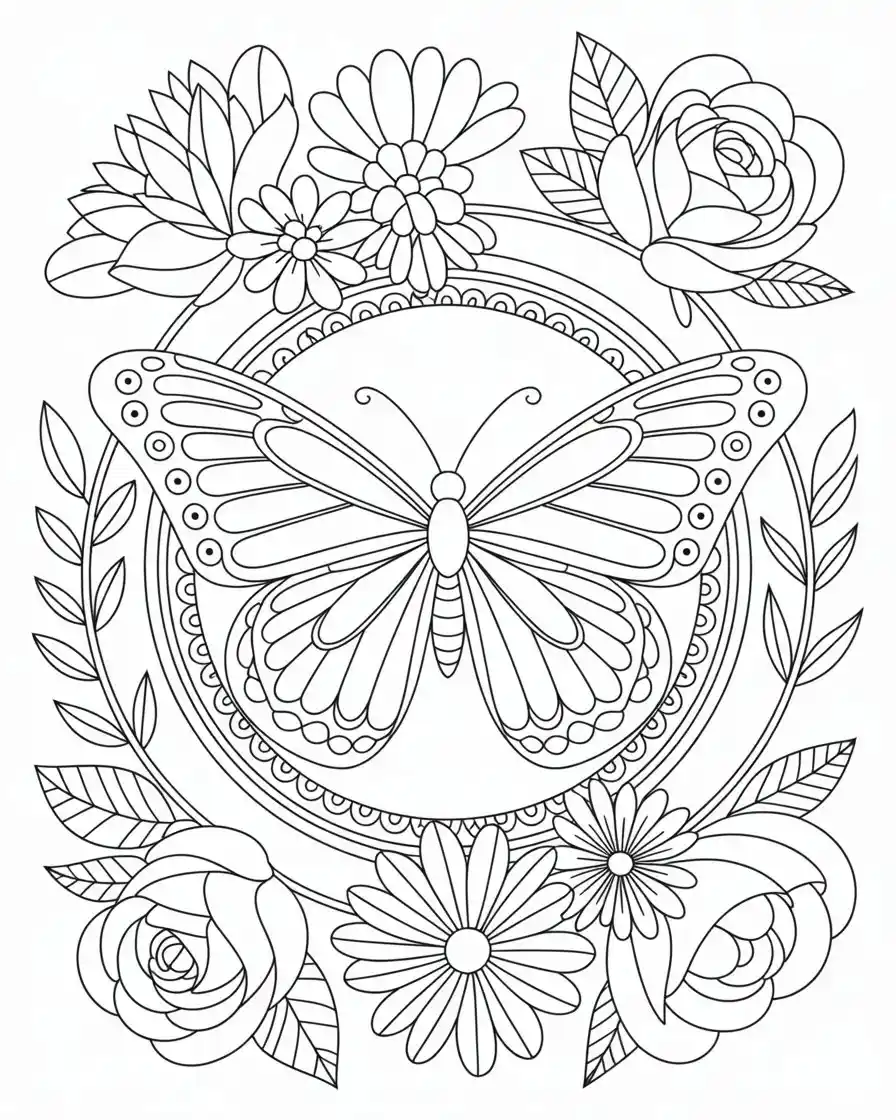
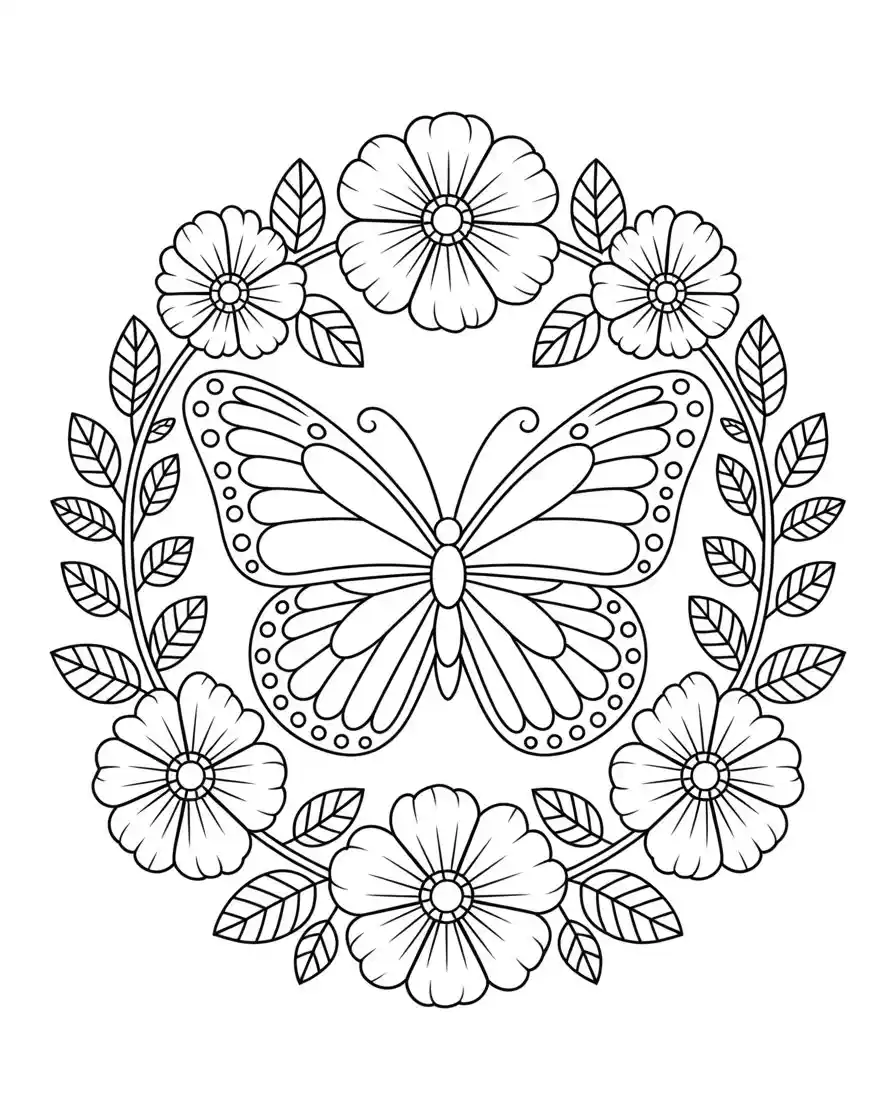
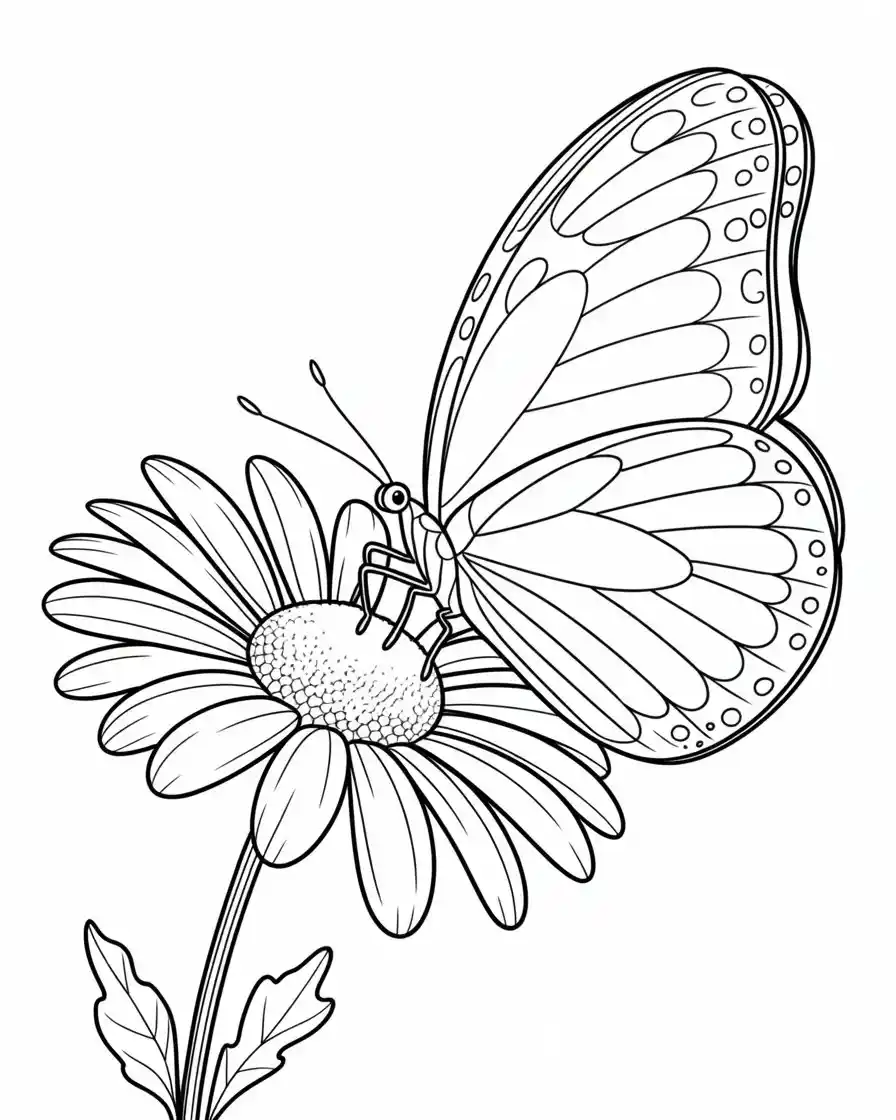
If you’re new to adult coloring, starting with one of the simpler Monarch or flower and butterfly designs before moving to a full mandala is a reasonable way to build up the patience the more detailed pages require.
Tools and Paper Tips for Best Results
The right materials matter more than people expect. A few practical notes:
- Crayons are forgiving and work well for younger children still developing grip control.
- Colored pencils allow shading and blending, which suits the medium detail pages aimed at ages 6–10 and up.
- Markers produce the boldest, most saturated color but are most likely to bleed through thin paper.
- Gel pens work well for small detail areas on mandala and stained glass designs but are slower to use across large sections.
For paper weight, 90gsm or heavier prevents most marker bleed through, while standard 80gsm is perfectly fine for crayons and colored pencils. If you plan to display the finished page taped to a window for the stained glass design, for example slightly heavier paper also holds up better to tape and handling.
7 Craft Ideas Using Finished Pages
1. Craft stick puppet Glue a flat craft stick along the butterfly’s body, add a pom pom head and pipe cleaner antennae. Turns a flat page into a toy.
2. Wind hoop mobile Cut 5–8 butterflies in varying sizes, tie strings through punched holes, and attach to a bent wire hoop. Hang near a window.
3. Butterfly headband Glue small colored butterflies around a card stock band sized to the child’s head a simple, popular party craft.
4. Layered glitter decoration Print and color three copies of one design, add glitter glue along the wing veins, then stack with a slight rotation between layers and glue at the center.
5. Paper plate garden scene Paint a plate blue on top, green on the bottom. Attach a cut out butterfly to a craft stick, push it through a small hole from behind, and move it across the “garden.”
6. Toilet roll desk decoration Cover a toilet paper roll with colored paper, glue wings to the back on each side and a body to the front, then add antennae and googly eyes.
7. String mobile Cut 10–12 butterflies in mixed sizes, attach strings of varying lengths, and tie to a wooden dowel. Hang from a ceiling hook so the butterflies drift as air moves.
Using These Pages in a Classroom or Homeschool Setting
Teachers and homeschooling parents often build a short lesson around a single page rather than handing it out cold. A simple structure that works well: introduce the four life cycle stages verbally first, hand out the life cycle sheet, let students color each stage as you describe it, then close with two or three of the facts above as a recap. The life cycle and species illustration styles are built with this kind of structured use in mind wide enough sections for fast classroom coloring, but enough labeled detail to function as a real reference.
For a multi day unit, pairing a simple outline on day one with a more detailed species illustration on the final day gives a visible sense of progress, since students can compare their own growing control over color and detail across the week.
Frequently Asked Questions About Butterfly Coloring Pages
More Free Coloring Pages on This Site
If your child enjoyed the garden and flower scenes here, the bee color include honeycomb patterns and simple anatomy sheets that pair naturally with the butterfly life cycle set for a broader insect theme.
For younger kids who liked the simple outlines, the Dragon coloring pages offer the same thick bordered simplicity in a round shape that’s easy for very young children to fill in.
Kids drawn to more detailed nature illustrations will find the Chicken coloring pages and horse coloring pages worth exploring both run from simple cartoon styles to realistic renders.
And for something a little different, the Bear coloring pages are a genuine hit unfamiliar enough to feel exciting, with a full range from beginner to detailed designs.
All designs are free for personal and classroom use. Download your free printable butterfly coloring pages PDF and start coloring today.