Dolphin Coloring Pages: Cute, Realistic, and Mandala Designs
Dolphins move through water the way few other animals do, fast, playful, and unmistakably social, which is probably why dolphin coloring pages are some of the most requested ocean animal designs around. This page brings together dolphin coloring pages for every age and style, from simple toddler-friendly outlines to detailed mandala and realistic designs for older colorists.
Toddlers get large, forgiving outlines built for a first crayon. Kids get a kawaii-style baby dolphin and full ocean scenes with coral and fish. Teens and adults get scientifically accurate bottlenose dolphin illustrations for marine biology fans, and intricate zentangle or mandala patterns for slower coloring sessions. A pink Amazon river dolphin design sits apart from the rest, since it looks nothing like the grey ocean dolphin most people picture.
Nothing here requires an account or email address, just open a design and print it.
What Are Dolphin Coloring Pages? Dolphin coloring pages are free, printable PDF sheets featuring bottlenose, baby, mandala, and Amazon river dolphin designs. They give kids, teachers, parents, and adults a screen-free creative activity that also introduces basic facts about marine life.

Dolphin Classification: Where This Animal Fits
Coloring a dolphin is more interesting once you know where it sits in the animal kingdom. Dolphins belong to Kingdom Animalia, Phylum Chordata, and Class Mammalia, they’re mammals, not fish. Within mammals, dolphins fall under Order Cetacea, the same order as whales and porpoises, and most familiar species, including the bottlenose dolphin, belong to Family Delphinidae, the oceanic dolphin family. The Amazon river dolphin sits outside that family entirely, in its own separate group of river dolphins, which is part of why it looks and behaves so differently from the rest of this collection.








What’s Inside This Collection
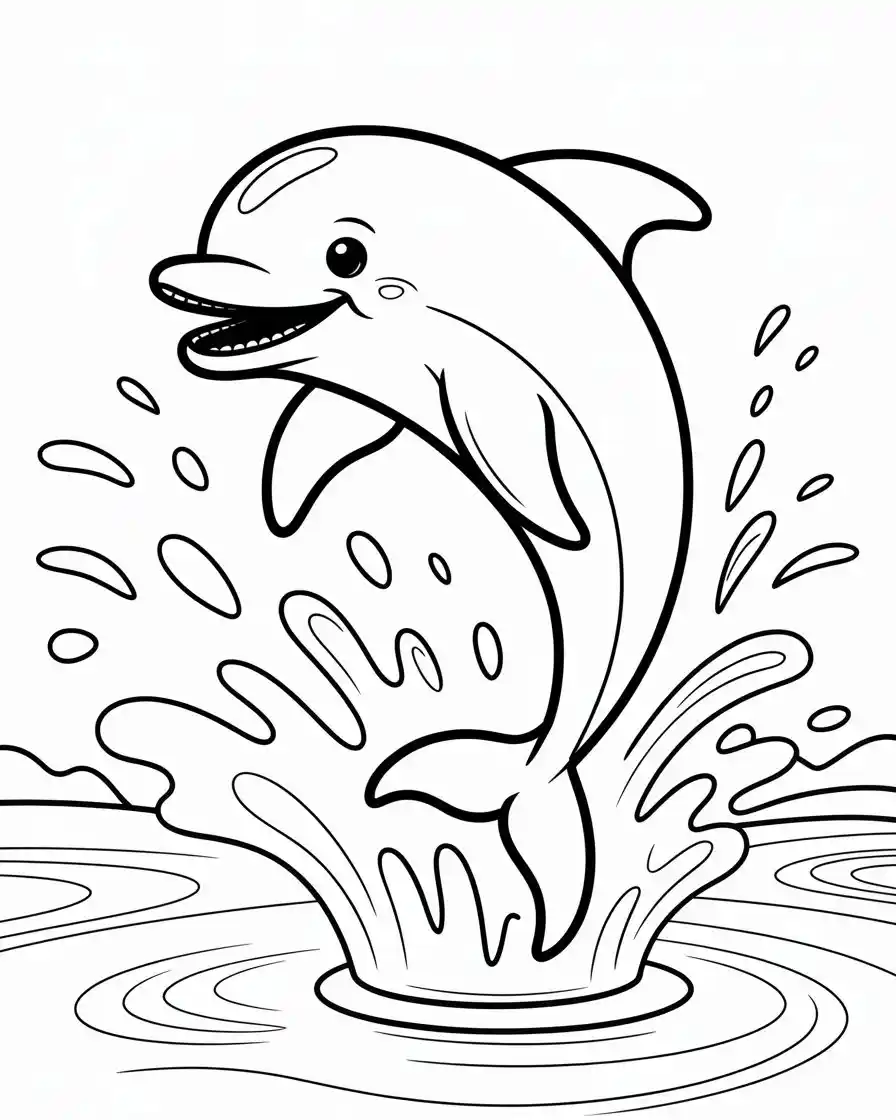
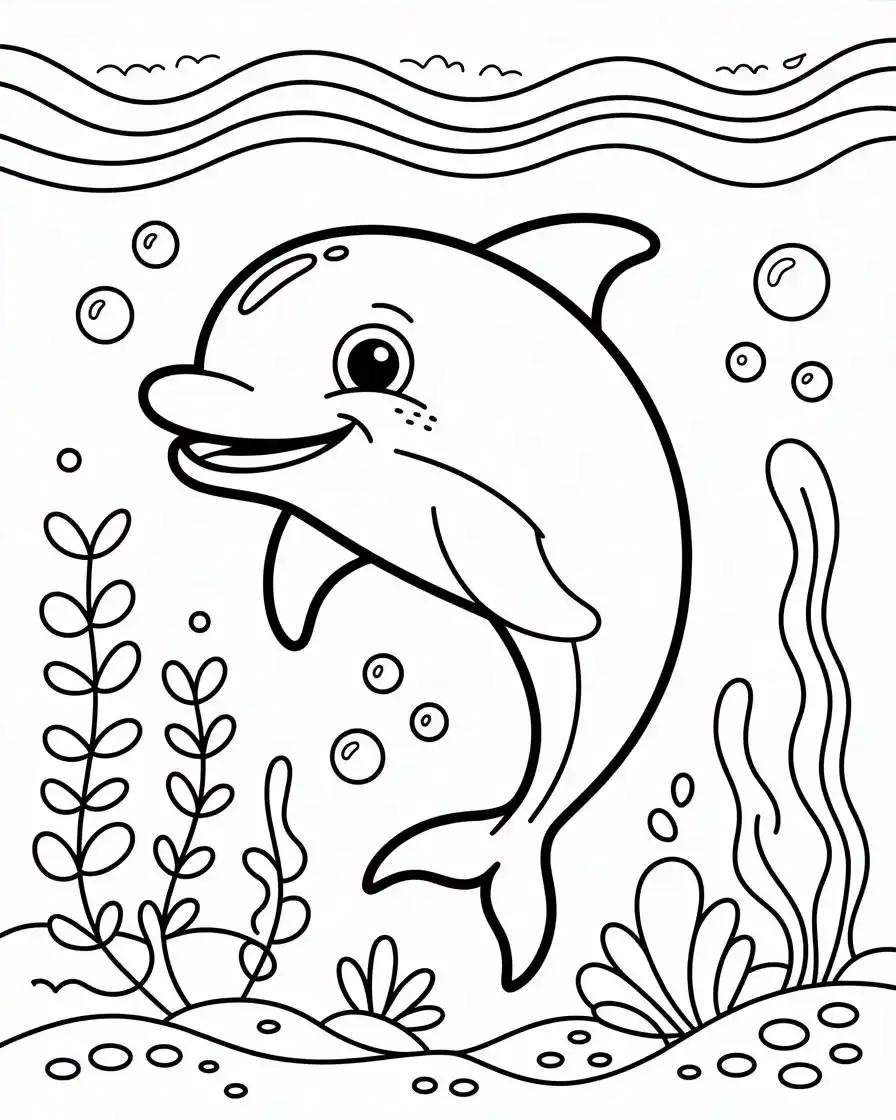
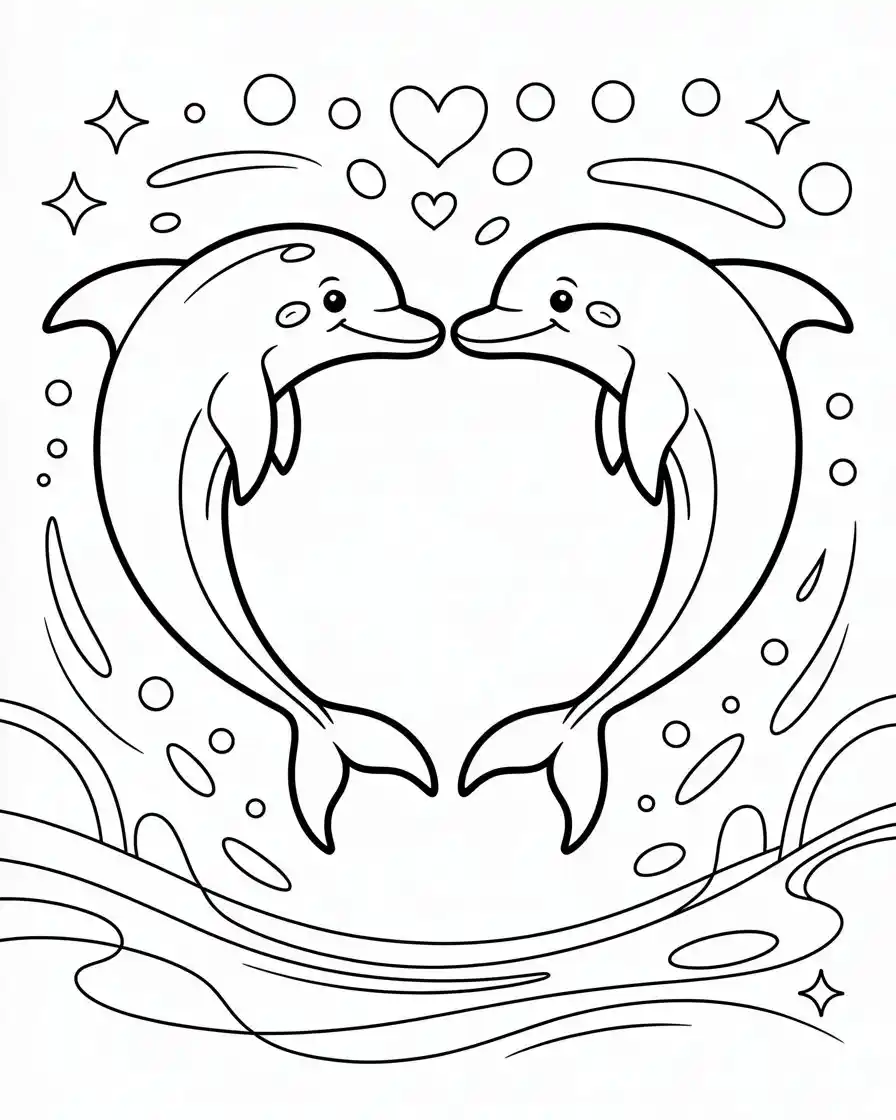
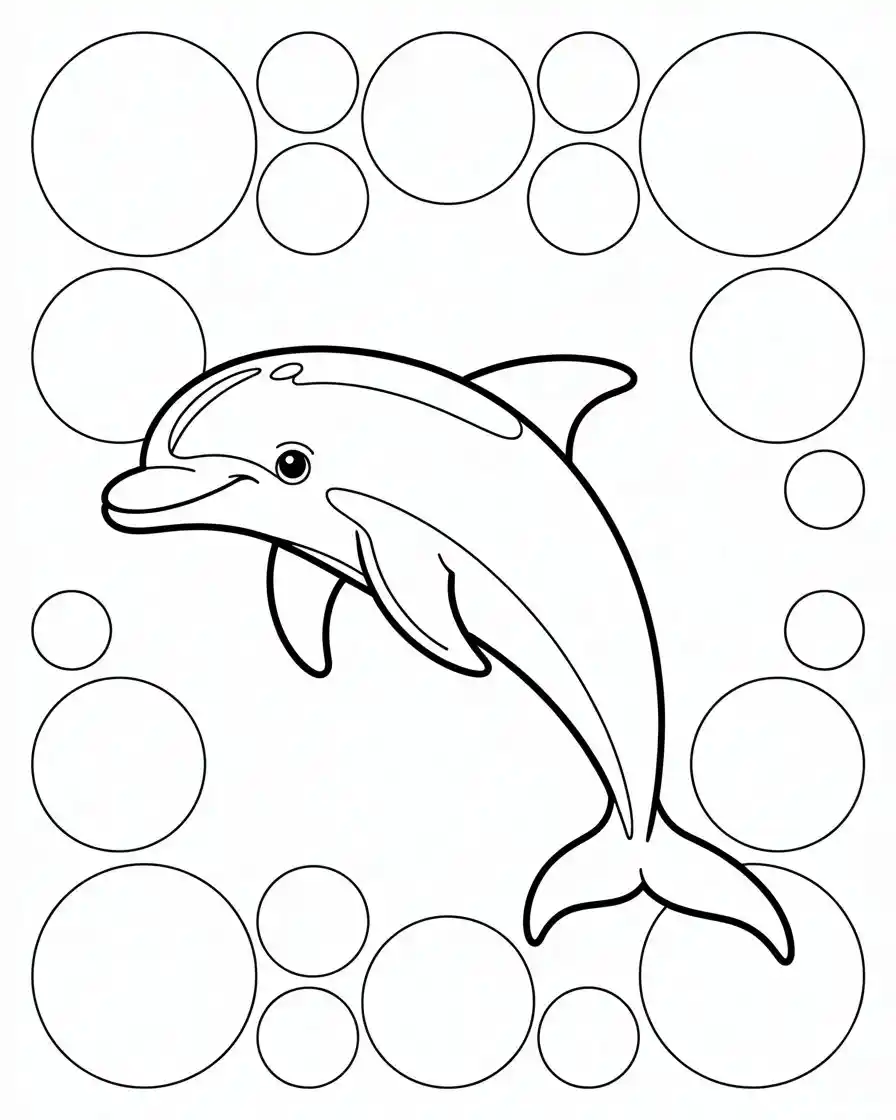
The designs in this dolphin coloring pages collection are grouped roughly by age and style, so it’s easy to find something that fits your child, classroom, or your own coloring time. Simple outlines for toddlers and preschoolers (ages 2 to 5) use large, bold lines that are quick and easy to fill in with crayons or chunky markers.
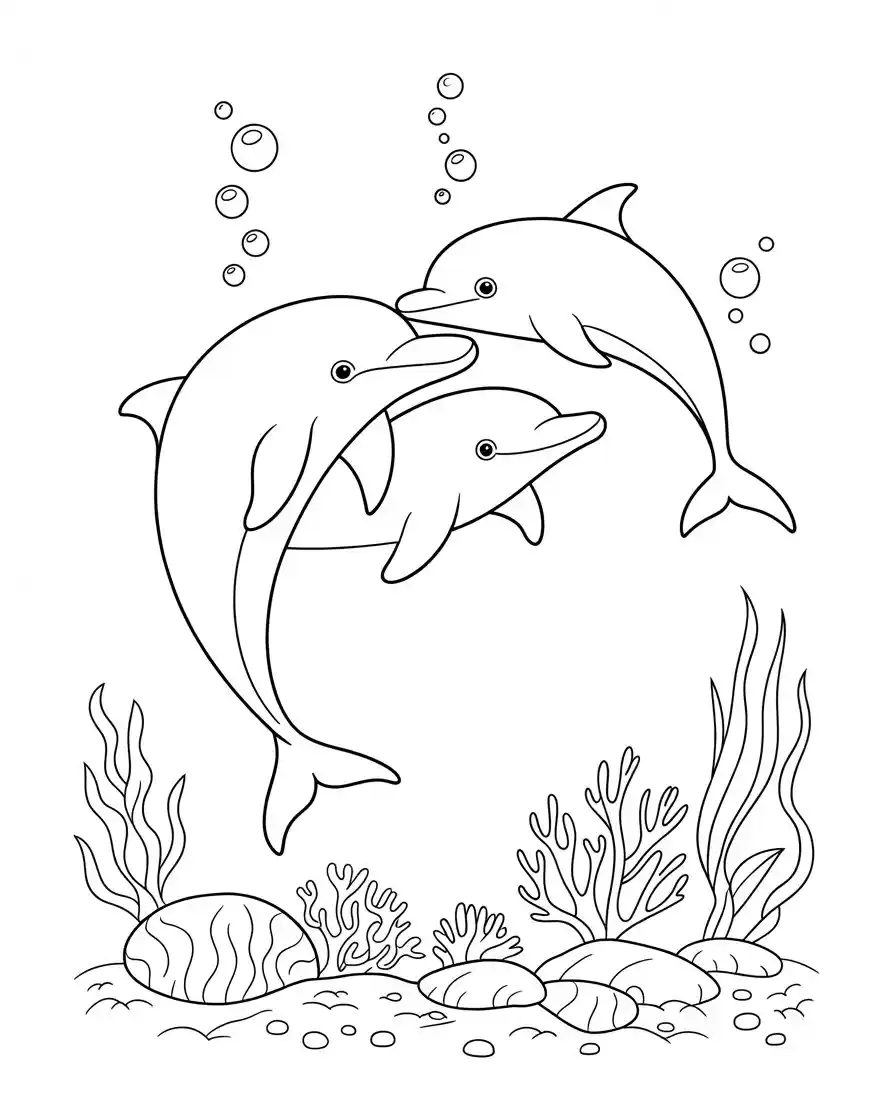
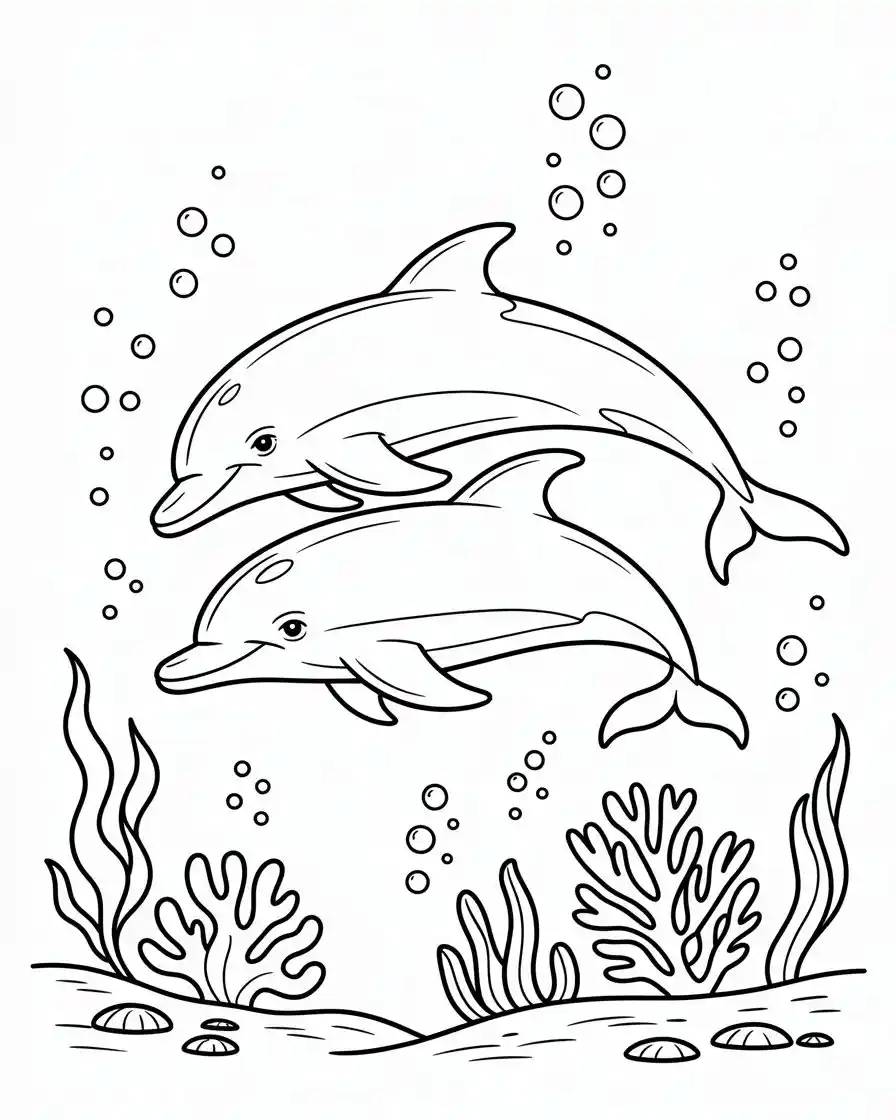
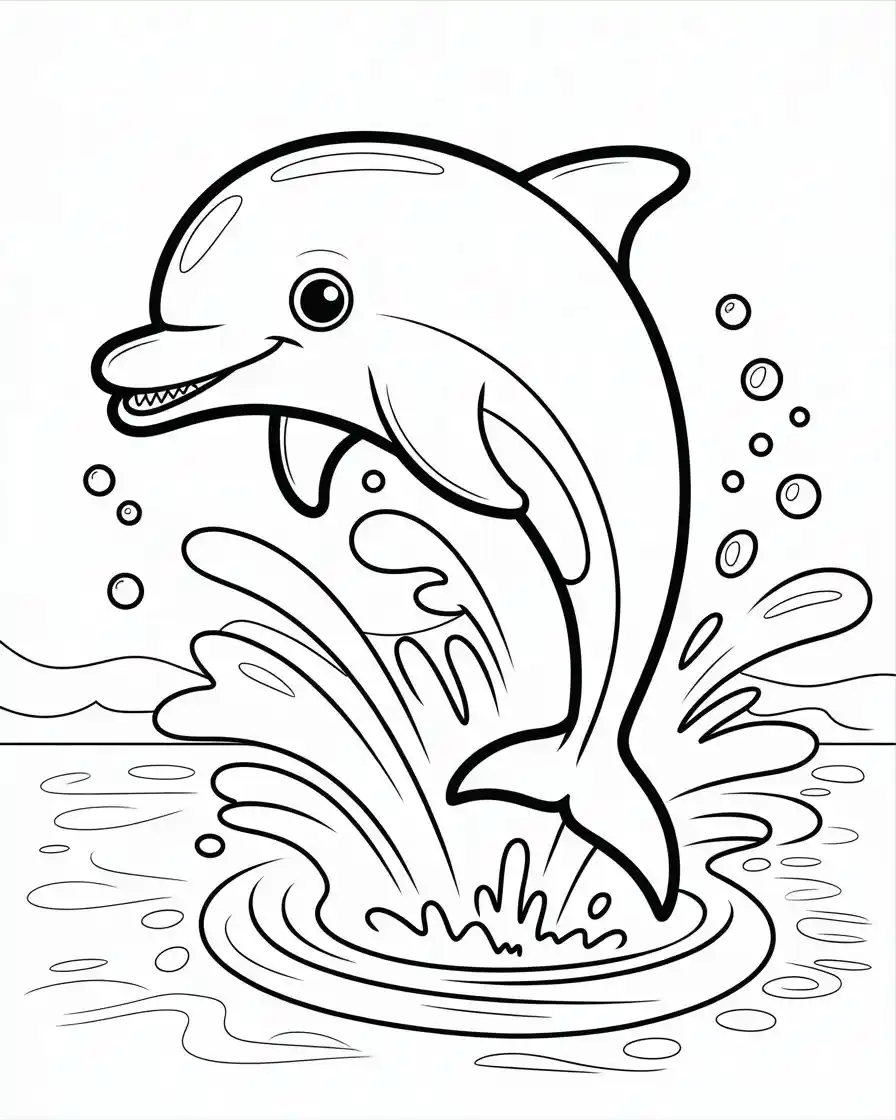
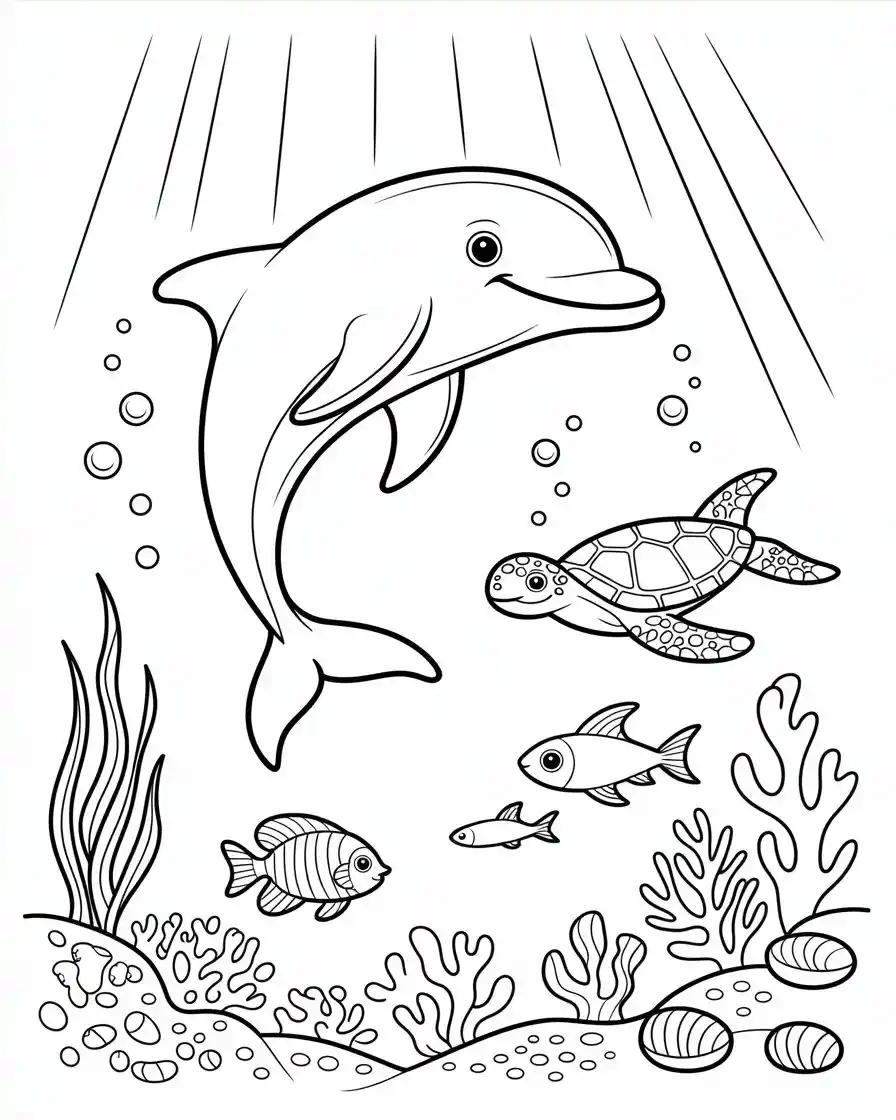
Cute baby dolphin designs use a kawaii style with oversized eyes, generally a favorite with kids around ages 4 to 9.Full ocean scenes place a dolphin among coral, fish, and seaweed, giving kids who like a busier, story-rich page more to work with.
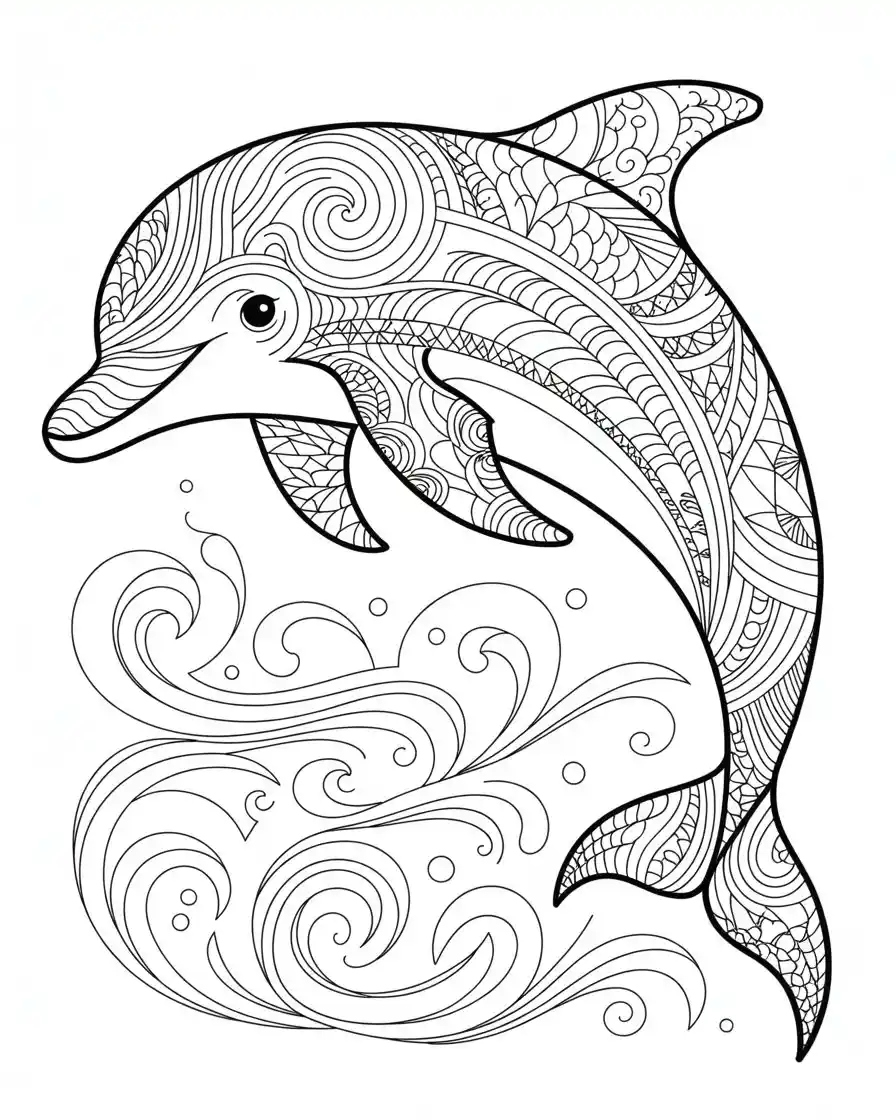
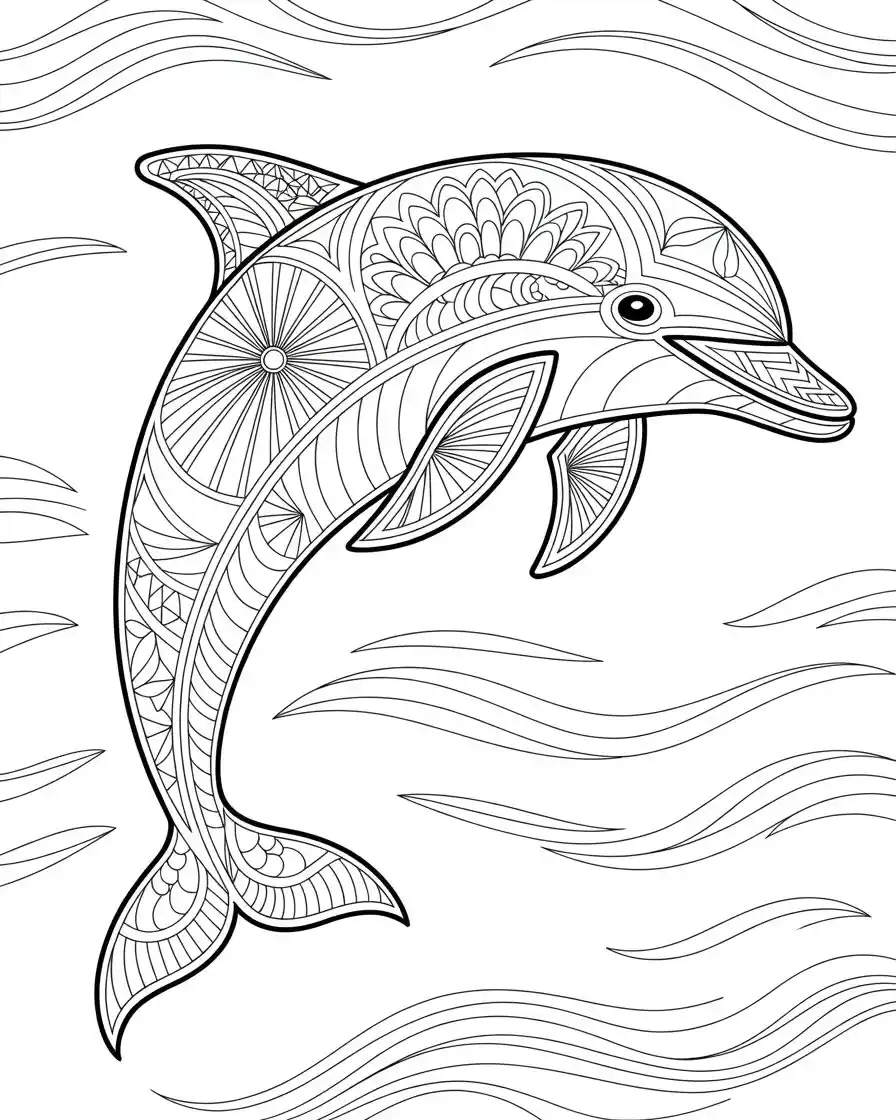
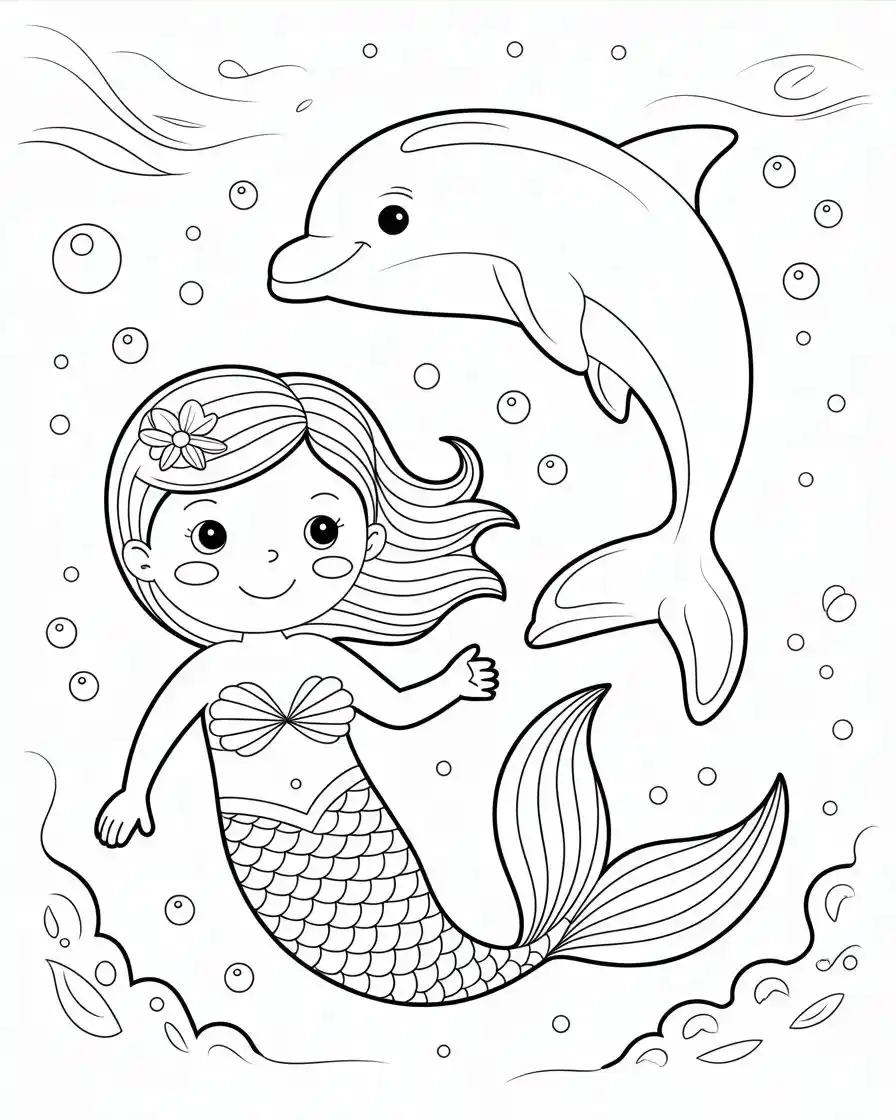
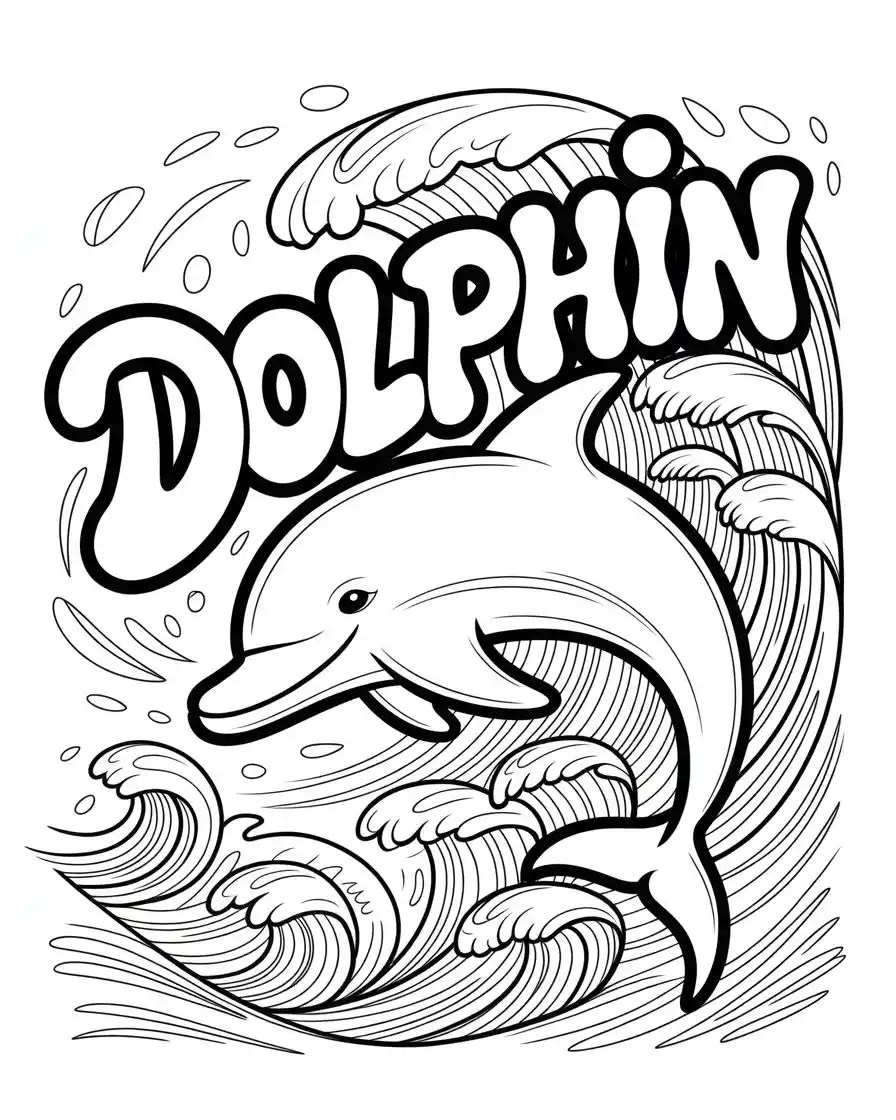
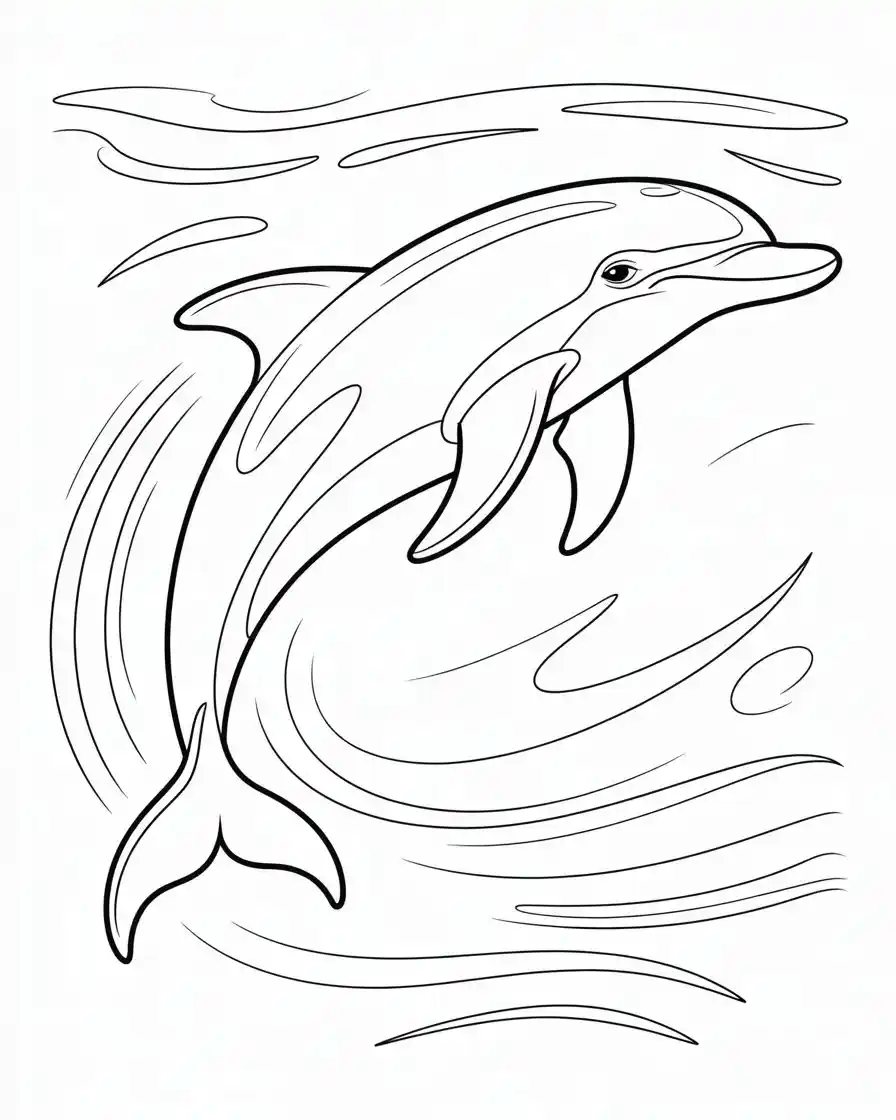
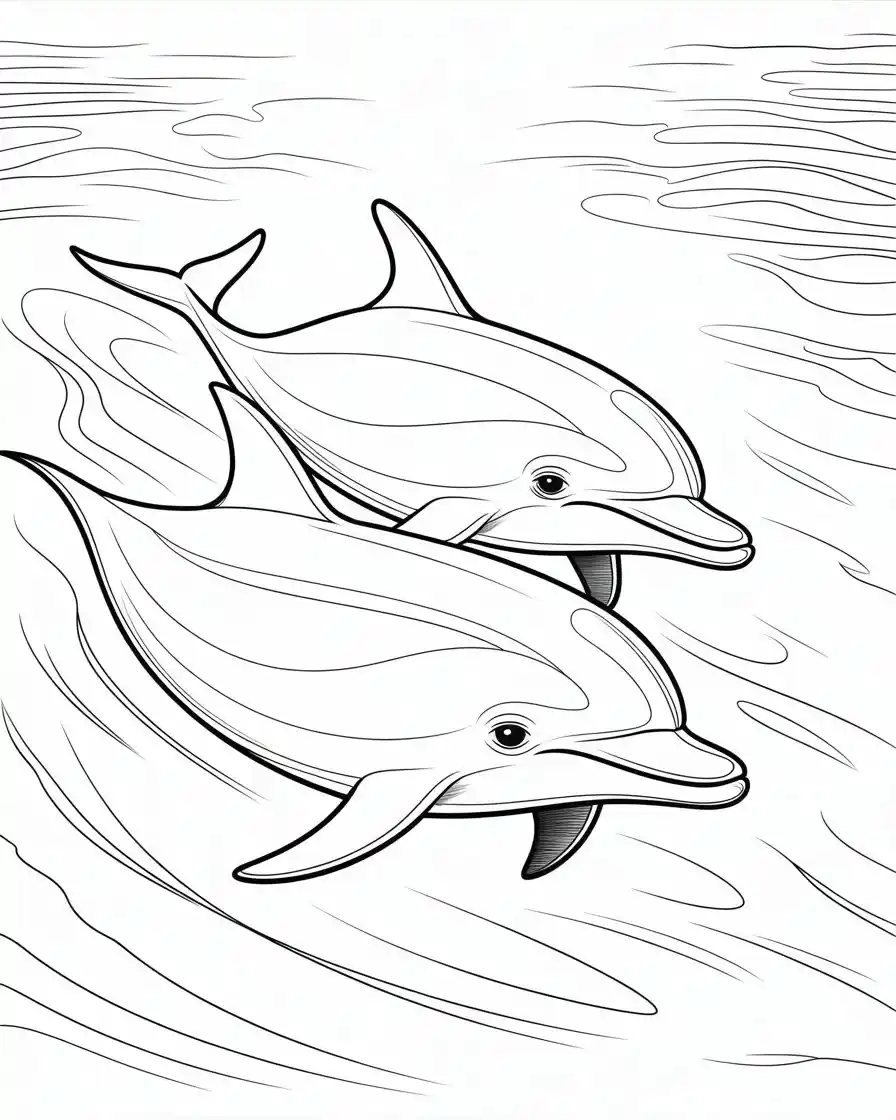
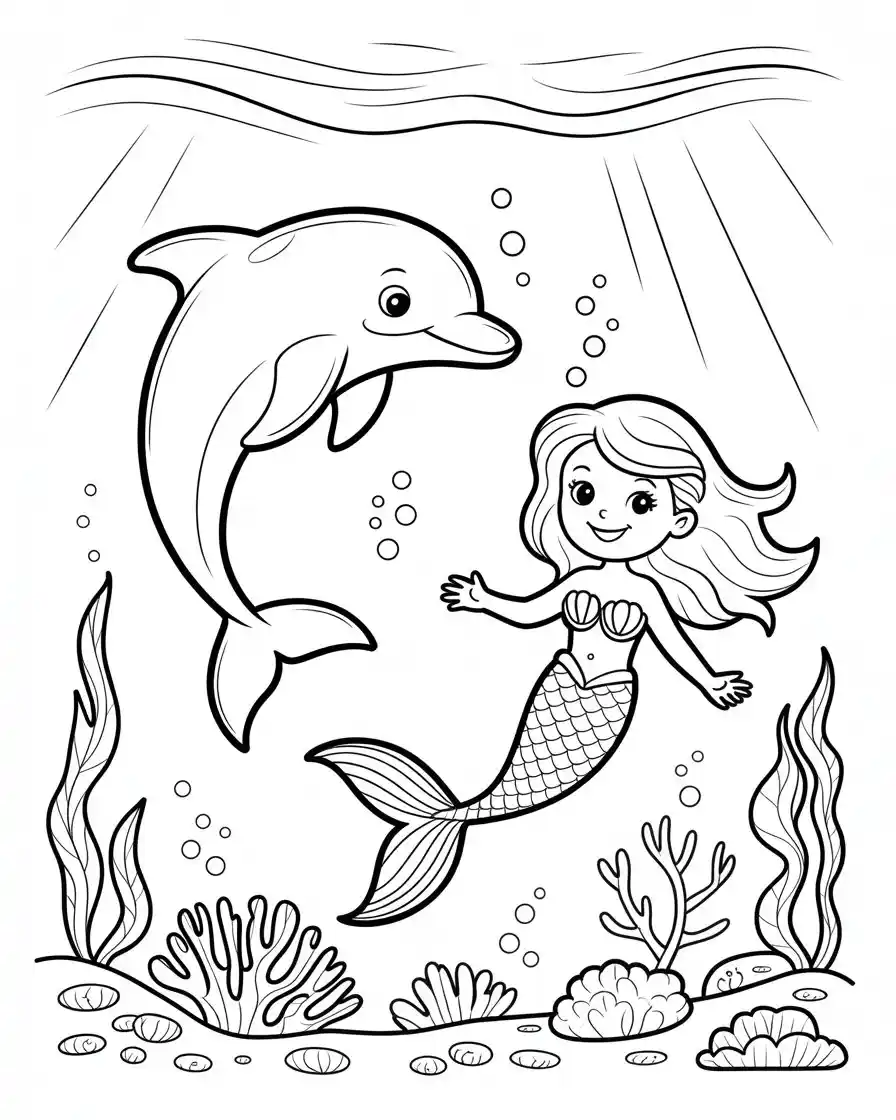
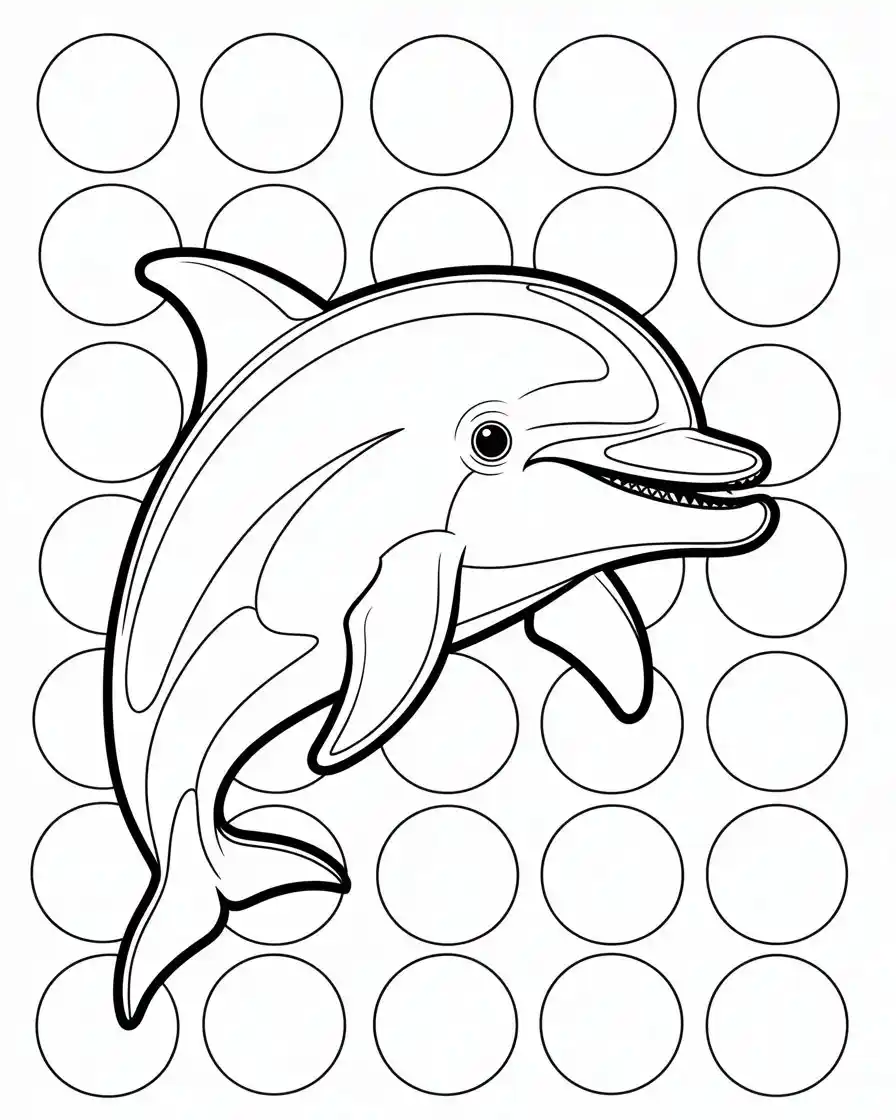
Zen tangle and mandala dolphins use intricate geometric patterns across the whole body, aimed at teens and adults who enjoy slow, detailed coloring with fine-tip pens. bottlenose dolphin illustrations are scientifically accurate in proportion and shape, suited to older kids and adults interested in marine biology. Dolphin and mermaid designs, along with a pink Amazon river dolphin illustration, round out the more themed and specialty options in the set.
What Age Are These Designs Good For? This collection covers ages 2 and up: large, simple outlines for toddlers, cartoon and ocean scene designs for kids 6 to 12, and mandala or realistic illustrations for teens and adults.
Where Do Dolphins Live?
Dolphins live in open ocean waters worldwide, coastal bays, and, unusually for a marine mammal, a handful of freshwater rivers, including the Amazon basin. Pairing these designs with a habitat fact or two while you work turns coloring time into a small geography and biology lesson.
Open ocean waters worldwide are home to most dolphin species, with bottlenose dolphins among the most widely distributed and recognizable. Coastal waters and bays host smaller, more visible pods, which is why dolphins are often the marine animal people spot closest to shore. Rivers are home to a handful of freshwater species, somewhat unusual for a marine mammal family, the Amazon river dolphin, or boto, lives in the rivers of the Amazon basin and is naturally pink rather than the grey most people expect. Deeper offshore waters support some less commonly seen species that spend most of their time far from coastlines, following prey rather than staying near a fixed territory.
Dolphin Facts Worth Sharing While You Color
Dolphins are mammals, not fish. They breathe air through a blowhole, give birth to live young, and nurse their calves, the same traits shared by whales and other marine mammals, and must surface regularly even while sleeping.
Dolphins belong to the order Cetacea, close relatives of whales and porpoises. Around 40 species have been identified across oceans and rivers worldwide, and the bottlenose dolphin is the most familiar, recognized by a curved mouth line that looks like a permanent smile.
Dolphins live in social groups called pods, ranging from a couple of individuals to several hundred. They use echolocation, a form of biological sonar, sending out clicks and listening to the returning echoes to locate prey in murky water. Each dolphin also develops its own signature whistle, a sound other dolphins use to identify it, similar in function to a name, and they’re known to sleep with one half of the brain at a time, keeping one eye open to stay alert while resting.
How to Color Dolphins
For a realistic look, use blue-grey or slate grey across the back and sides, then shift to light grey or white on the belly. Real dolphins have this same light to dark pattern, called countershading. For the ocean background, deep navy blue works well further out, fading to a lighter turquoise near the surface.
Color in the direction of the body, nose to tail, with light pressure on the first layer and a darker second layer along the back and fin edges, keeping the belly the lightest area helps the dolphin read as rounded rather than flat. For a more playful approach, a different color for each body section works well for younger kids, and the Amazon river dolphin is a natural fit for pink since that’s its real coloring.
Craft Ideas Using Your Colored Dolphin Pages
Hoop art: mount a colored dolphin through a circular paper frame so it looks like it’s leaping through a hoop. Classroom door border: color several dolphins, cut them out, and tape them around a doorframe. Mirror image card: color two identical pages, then fold and glue them together for a symmetrical greeting card. Hanging mobile: cut out dolphins in different sizes, attach to strings of varying length, and hang from a coat hanger. 3D standing dolphin: color and cut two identical shapes, fold each in half lengthwise, and glue together for a free-standing model.
Who Might Find These Pages Useful
Coloring, and these dolphin coloring pages in particular, offer more than just something to keep hands busy. For toddlers, simple large-outline pages with thick lines help build the fine motor control used for holding a pencil, skills that carry over into early writing. For school-age children, finishing a page requires sustained attention, and the images double as a natural conversation starter about ocean habitats, echolocation, or why dolphins live in groups.
For adults, more detailed designs like the mandala and realistic illustrations offer a slower, more absorbing kind of coloring, without any medical or therapeutic claims being made here about coloring’s effects.
How to Print These Dolphin Coloring Pages
Are These Designs Free to Download? Yes. Every design in this collection downloads as a PDF at no cost, with no sign-up, subscription, or watermark, on any device.
Pick a design from the age group, mandala, or themed section above. Open the PDF by clicking the image, it will open in a new tab or download automatically depending on your browser. Check your print settings, set scaling to “Fit to Page” for the cleanest result on both A4 and US Letter paper. Standard copy paper works fine for crayons or pencils, slightly heavier cardstock (120 to 200 gam) holds up better for markers or watercolors. Set print quality to high for crisp outlines, then color, display, or turn it into one of the crafts above.
No account, email address, or payment step is needed at any point in this process.
Choosing the Right Dolphin Design
With this many styles in one place, narrowing down helps before browsing. For a very young child, the simple large-outline designs are easiest to finish without frustration. For a school project on marine biology, the realistic bottlenose dolphin illustration paired with the facts on this page works better than a cartoon or fantasy design. If your child is drawn to something more magical, the dolphin and mermaid pages are a popular middle ground. Teens and adults after a slower, more absorbing project are generally better served by the entangle or mandala designs, since the intricate patterns reward careful, patient coloring.
Bottlenose vs. Amazon River Dolphin: A Quick Comparison
What’s the Difference Between a Bottlenose and an Amazon River Dolphin? A bottlenose dolphin is grey, ocean-dwelling, and the species behind most realistic designs. The Amazon river dolphin is naturally pink, lives in freshwater, and has a longer, narrower snout.
The bottlenose dolphin is the classic ocean dolphin most people picture, sleek, grey, with that curved permanent-smile mouthline, and it’s the species behind most of the realistic and cartoon-style designs in this dolphin coloring pages set. The Amazon river dolphin, or boto, looks almost nothing like it. It lives in freshwater rivers rather than the ocean, has a longer, narrower snout, and is naturally pink, more pink the older and more socially active the individual tends to be, according to researchers who study the species. For a coloring page, that makes the boto one of the rare cases where a bright, unrealistic-looking color choice is actually the scientifically accurate one
Frequently Asked Questions About Dolphin Coloring Pages
More Free Printable Coloring Pages
If you enjoyed this collection, a few related pages worth checking out include Rabbit Coloring Pages, Bat Coloring Pages, and Bee Coloring Pages, all free, printable, and ready to download. New designs are added to this dolphin coloring pages collection periodically, so it’s worth bookmarking if today’s selection doesn’t include quite the right style.