Bear Coloring Pages free pdf sheets for kids
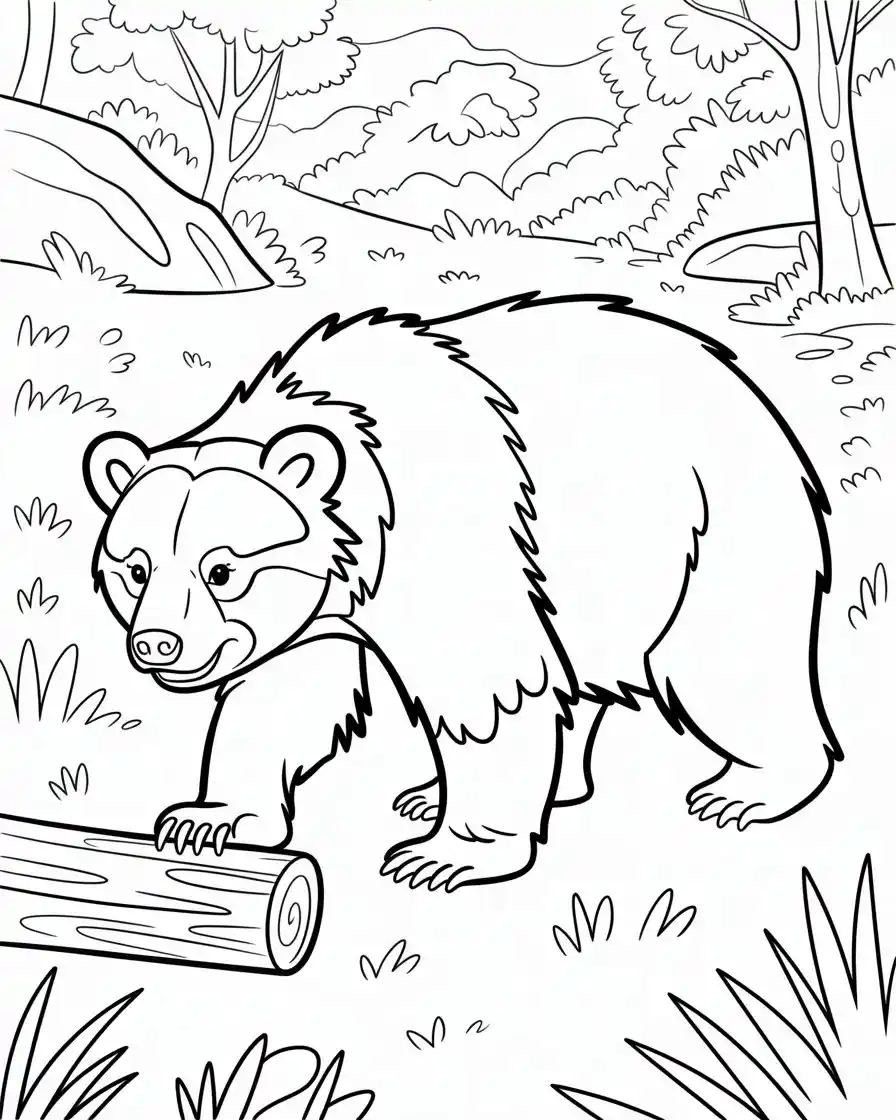
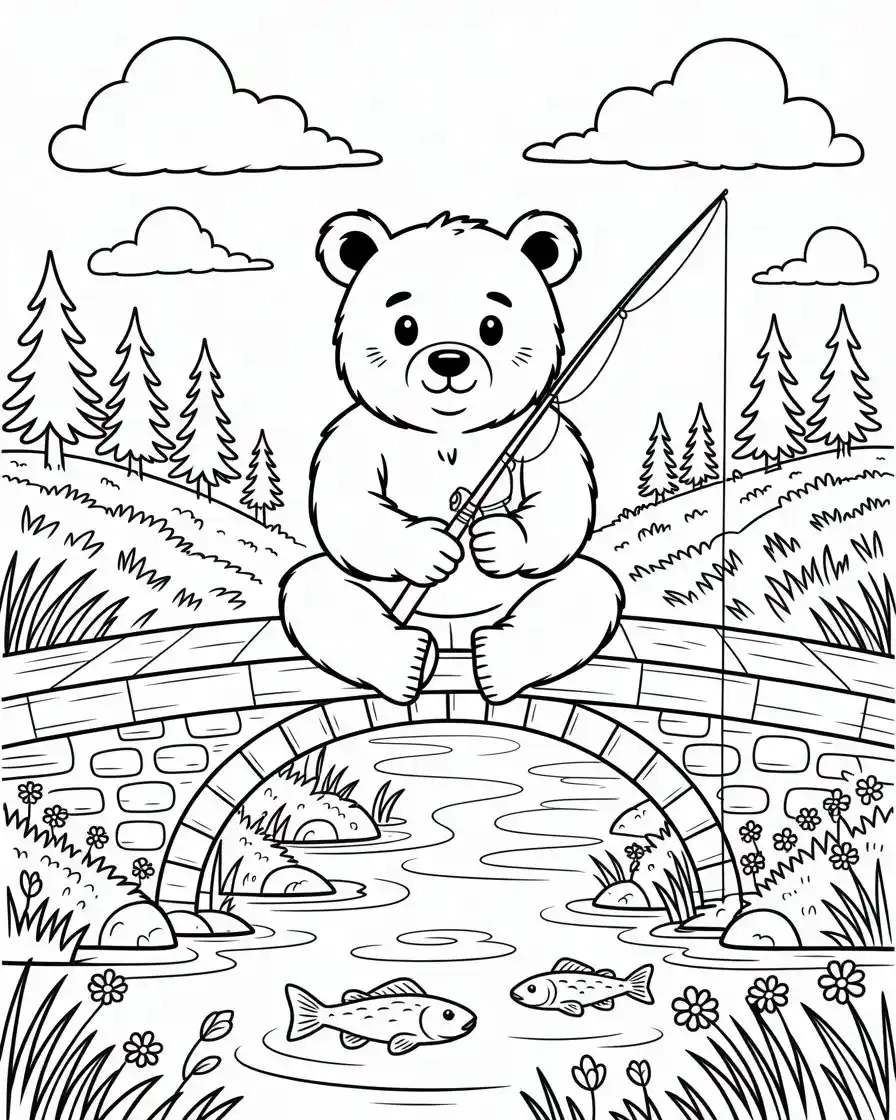
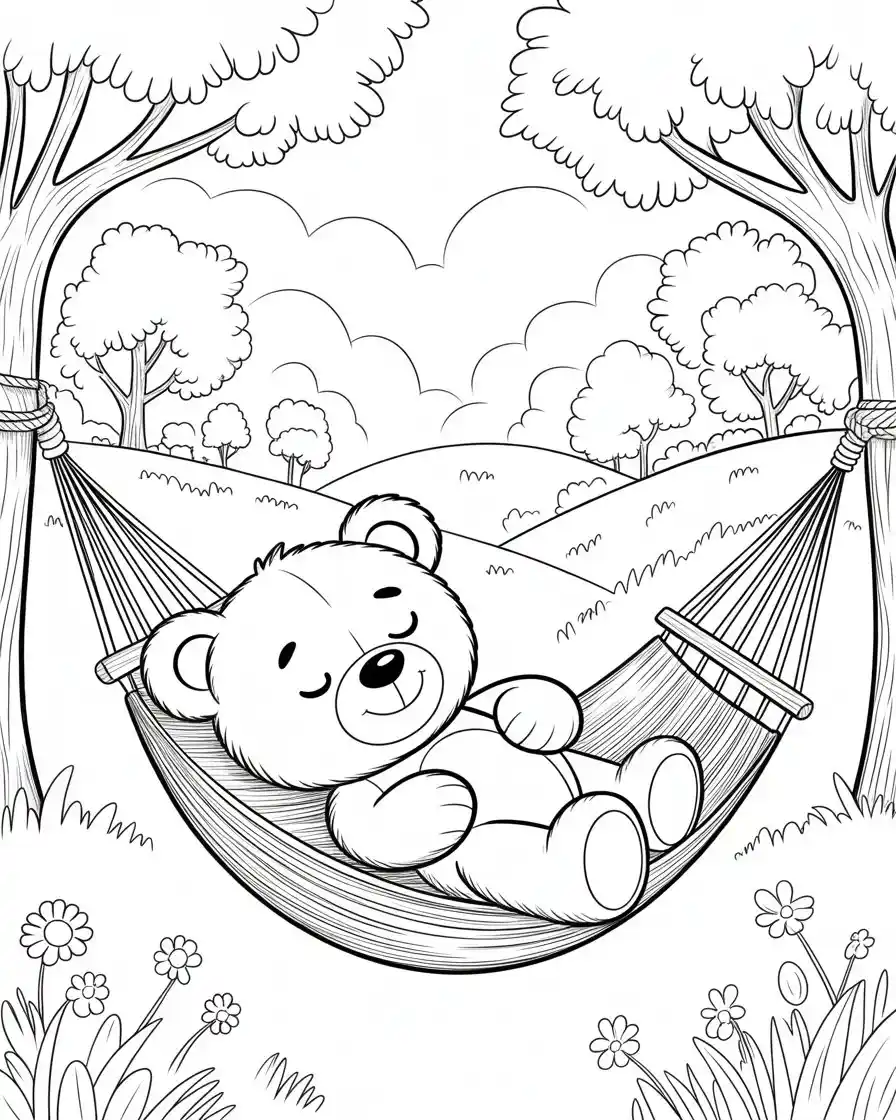
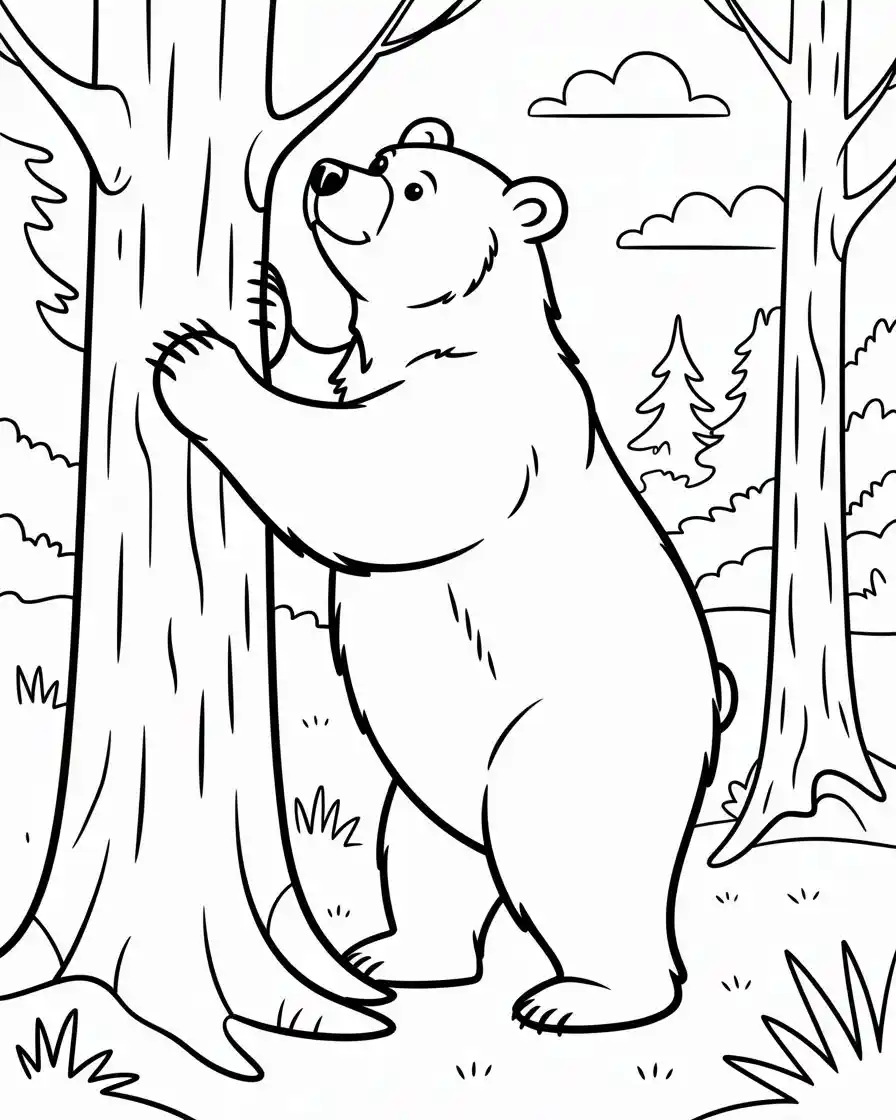
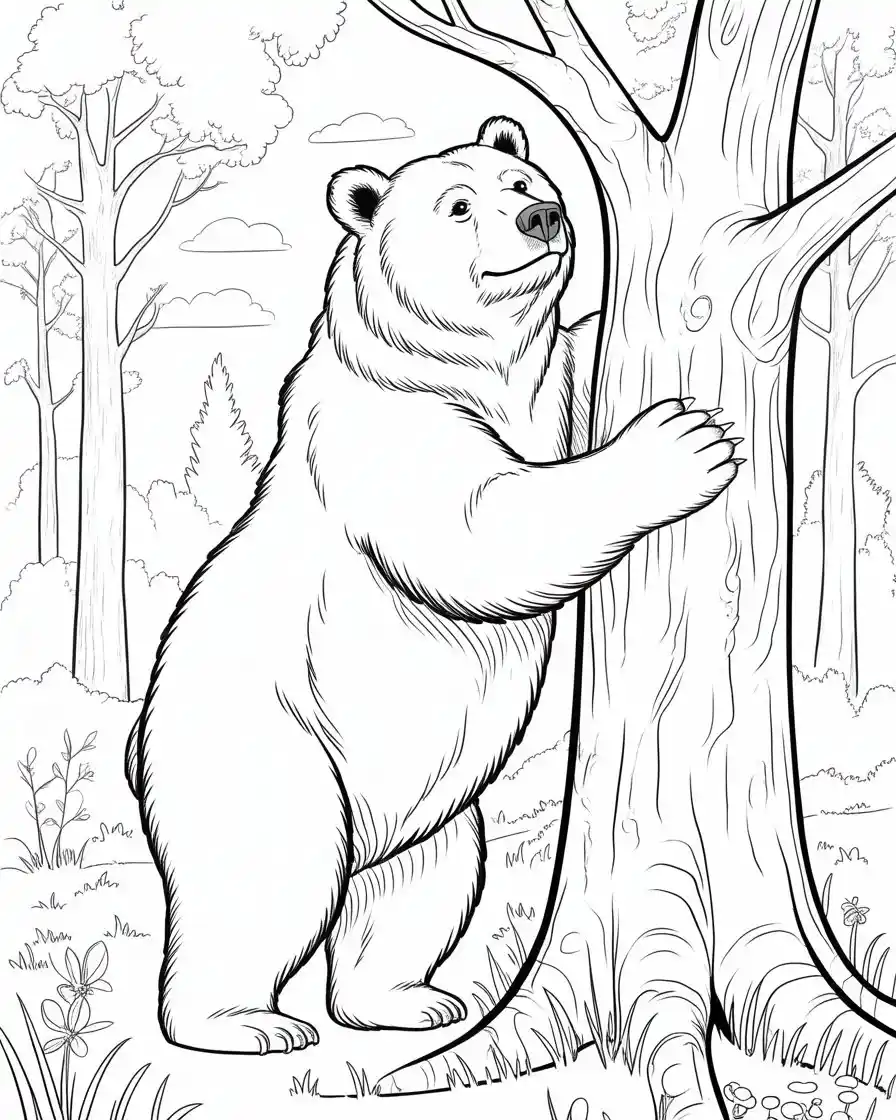
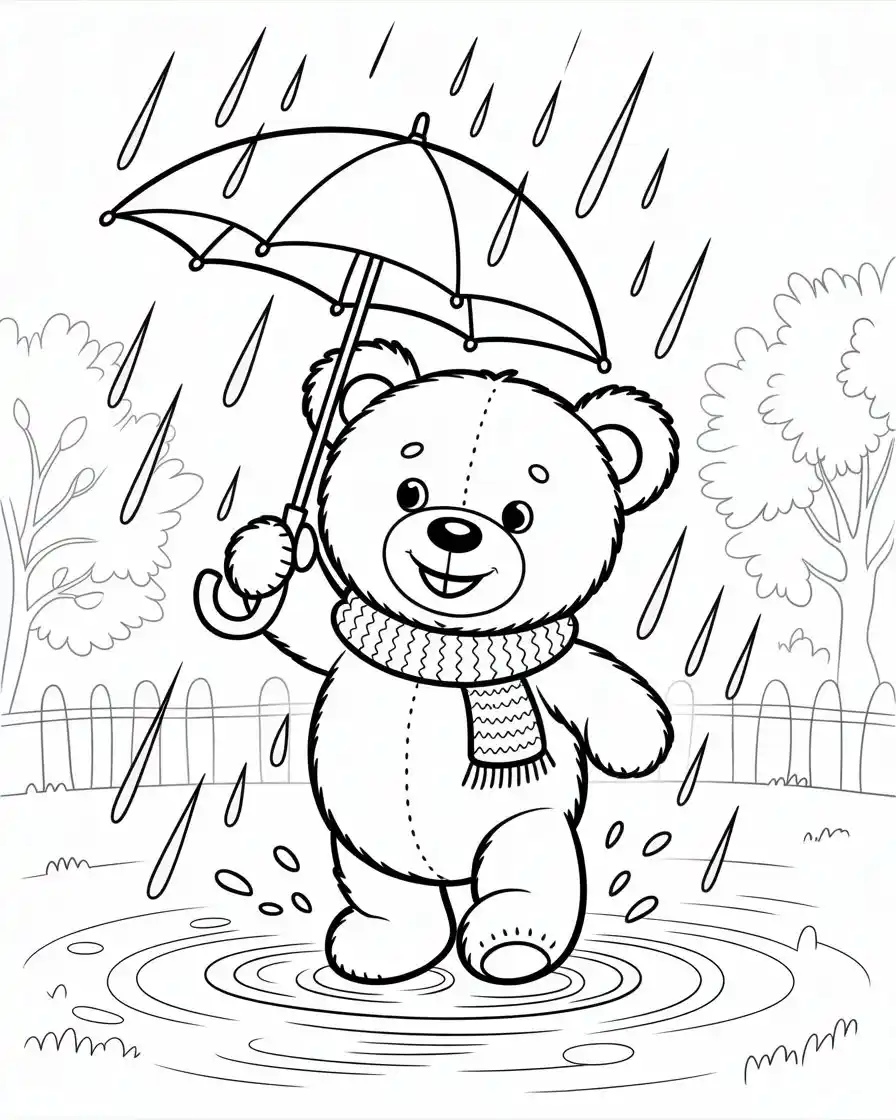
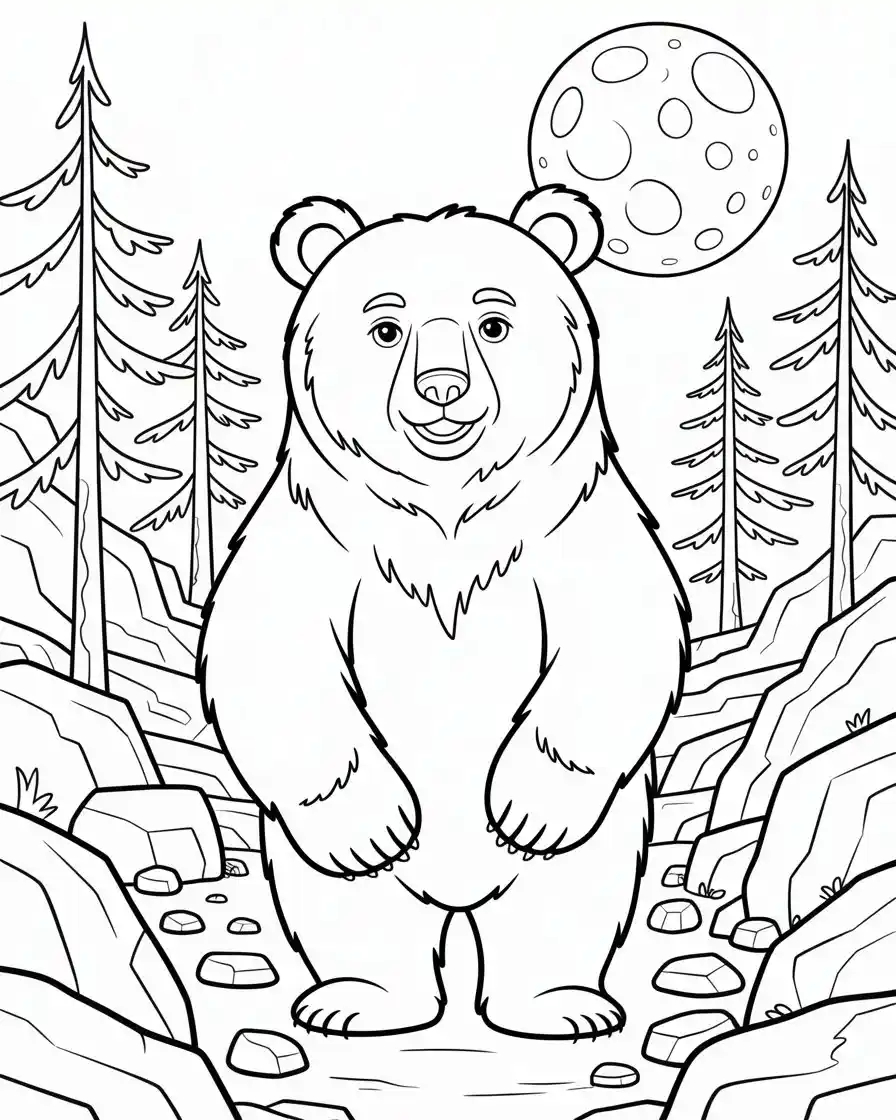
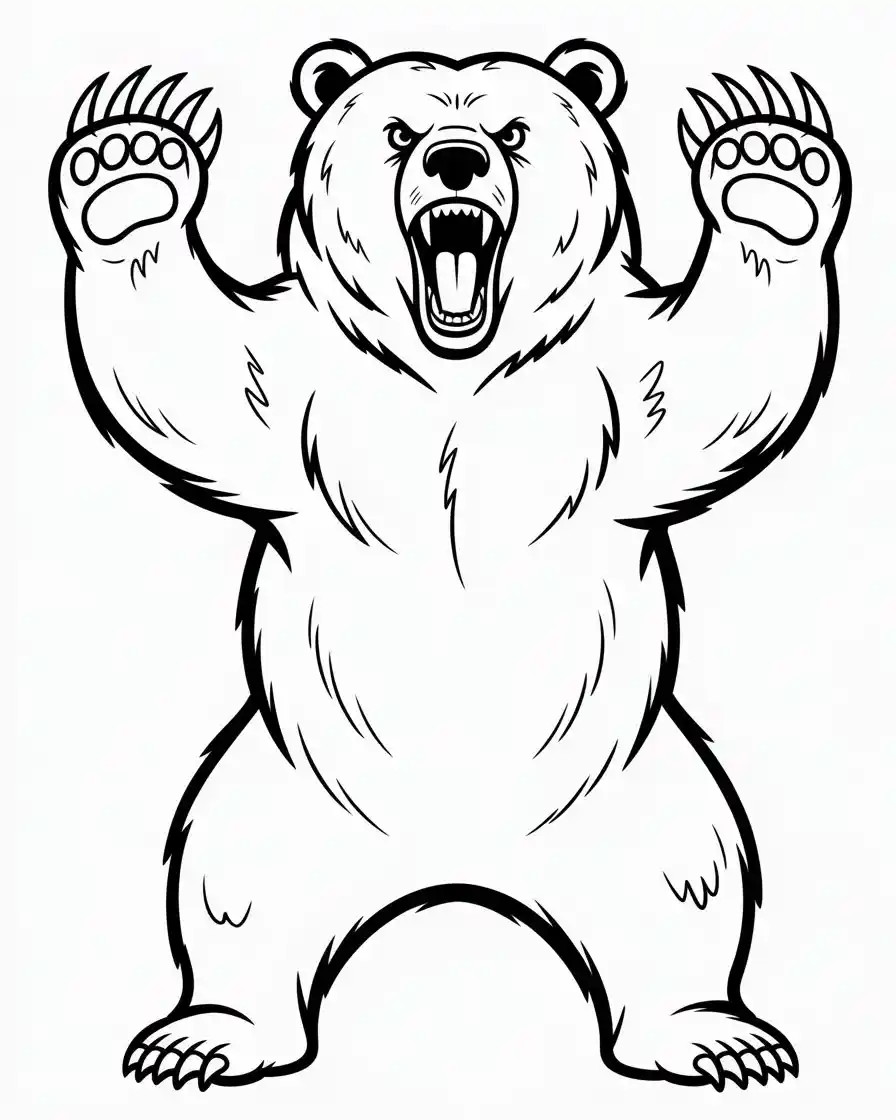
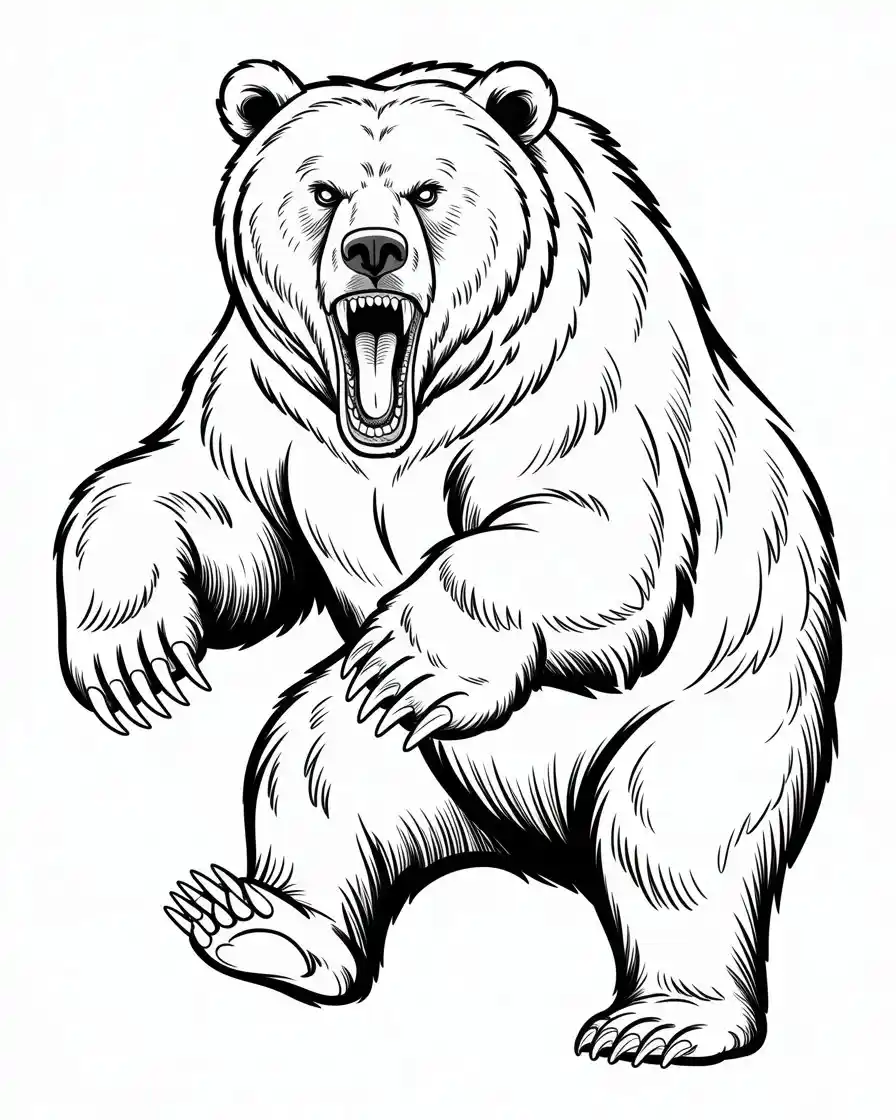
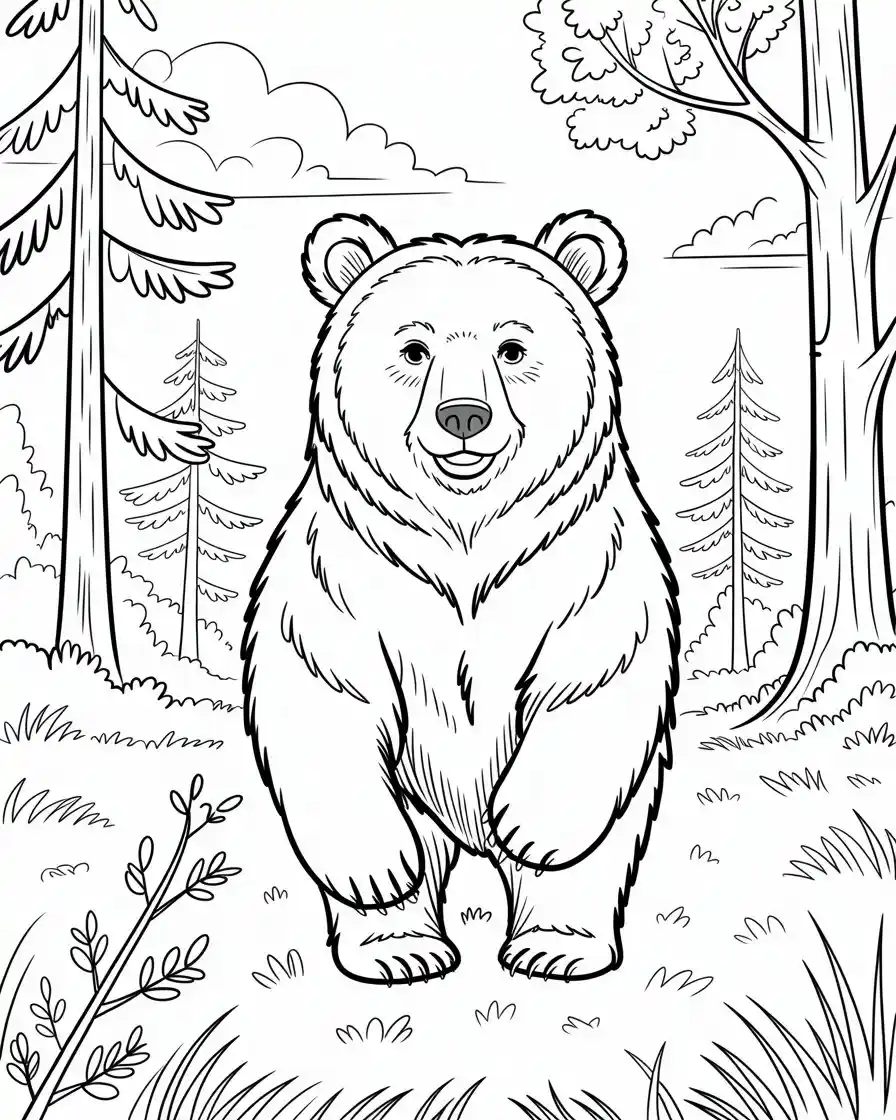
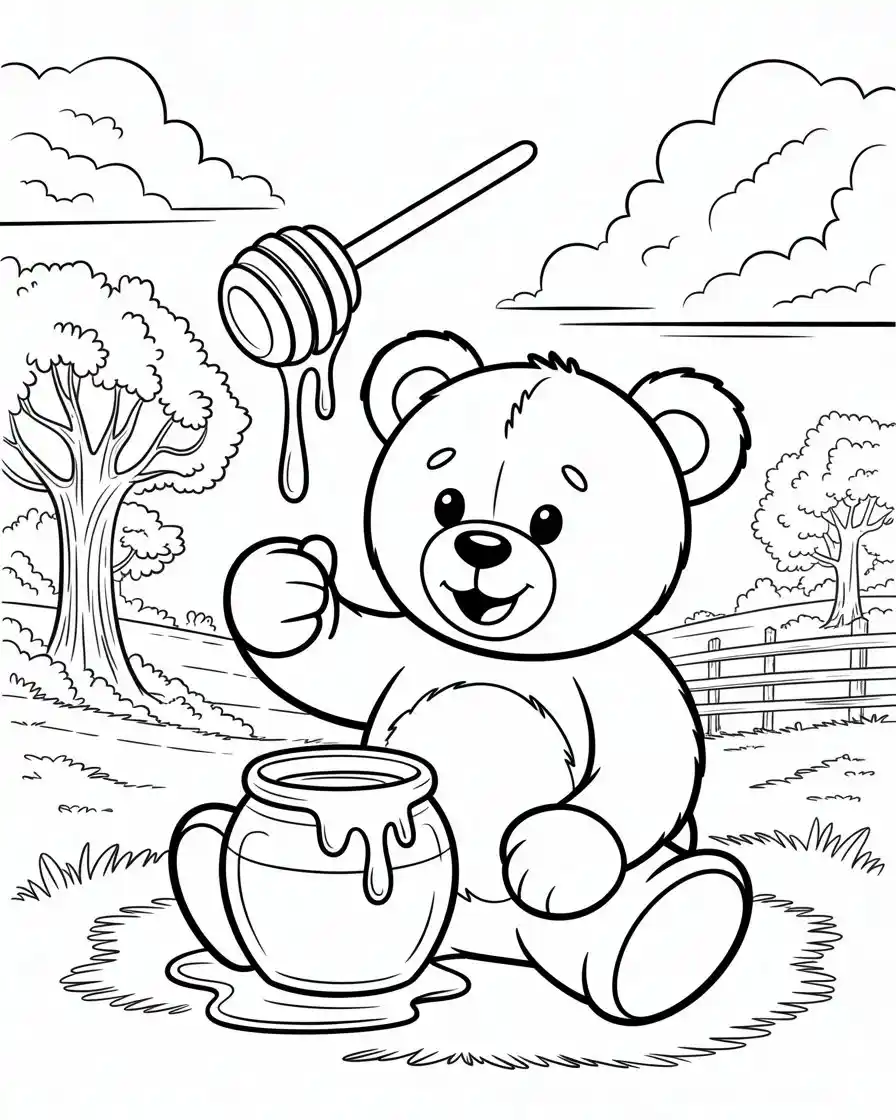
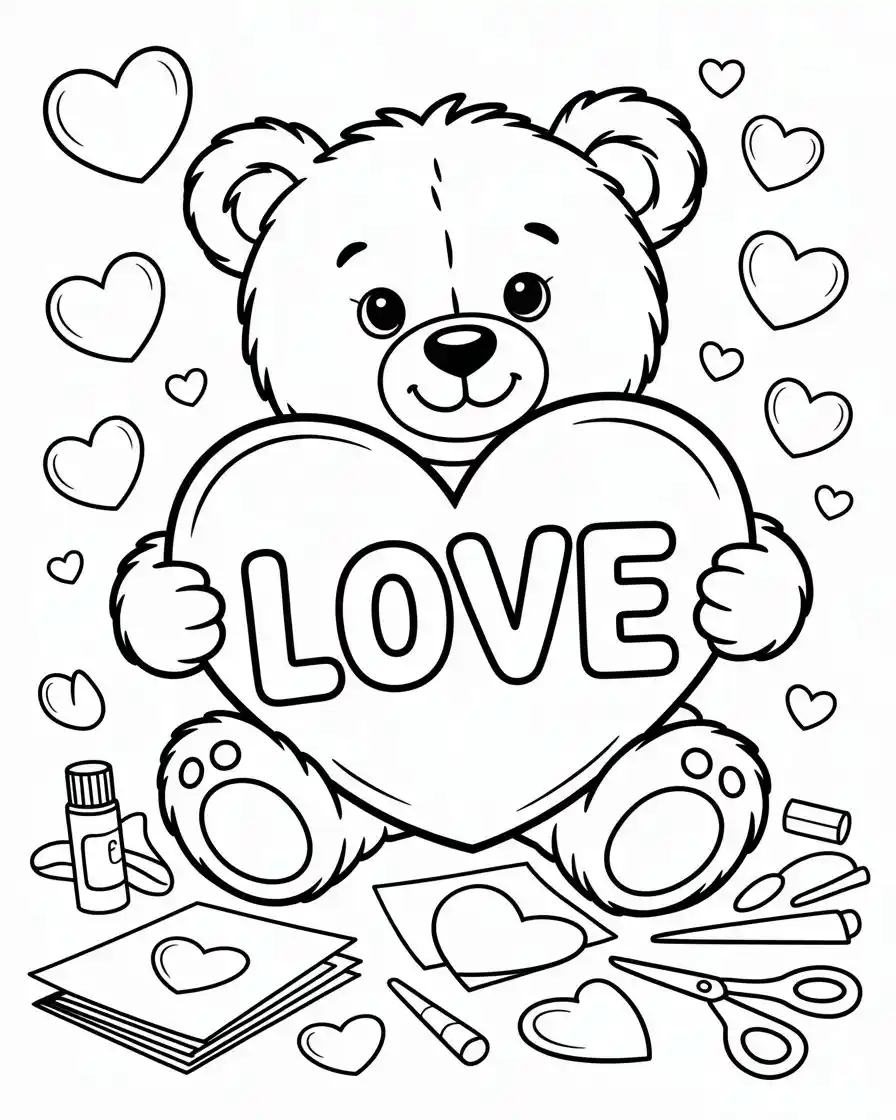
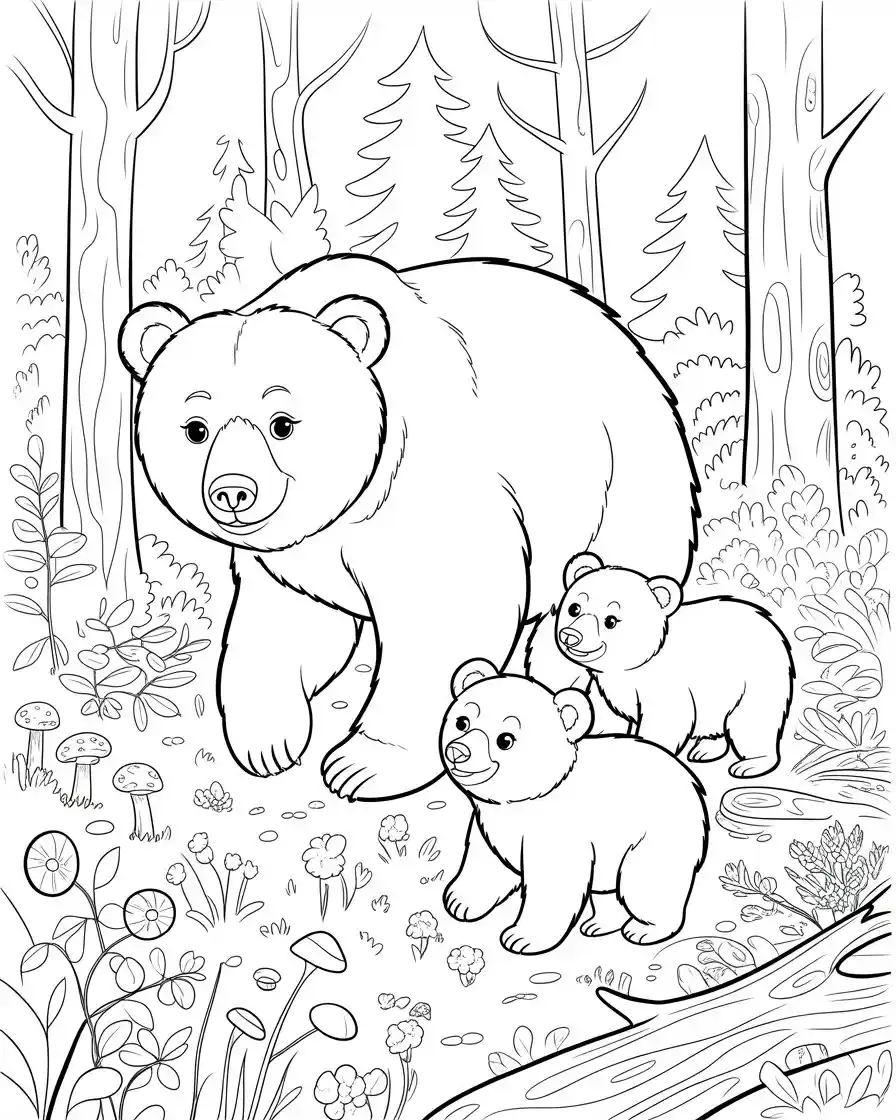
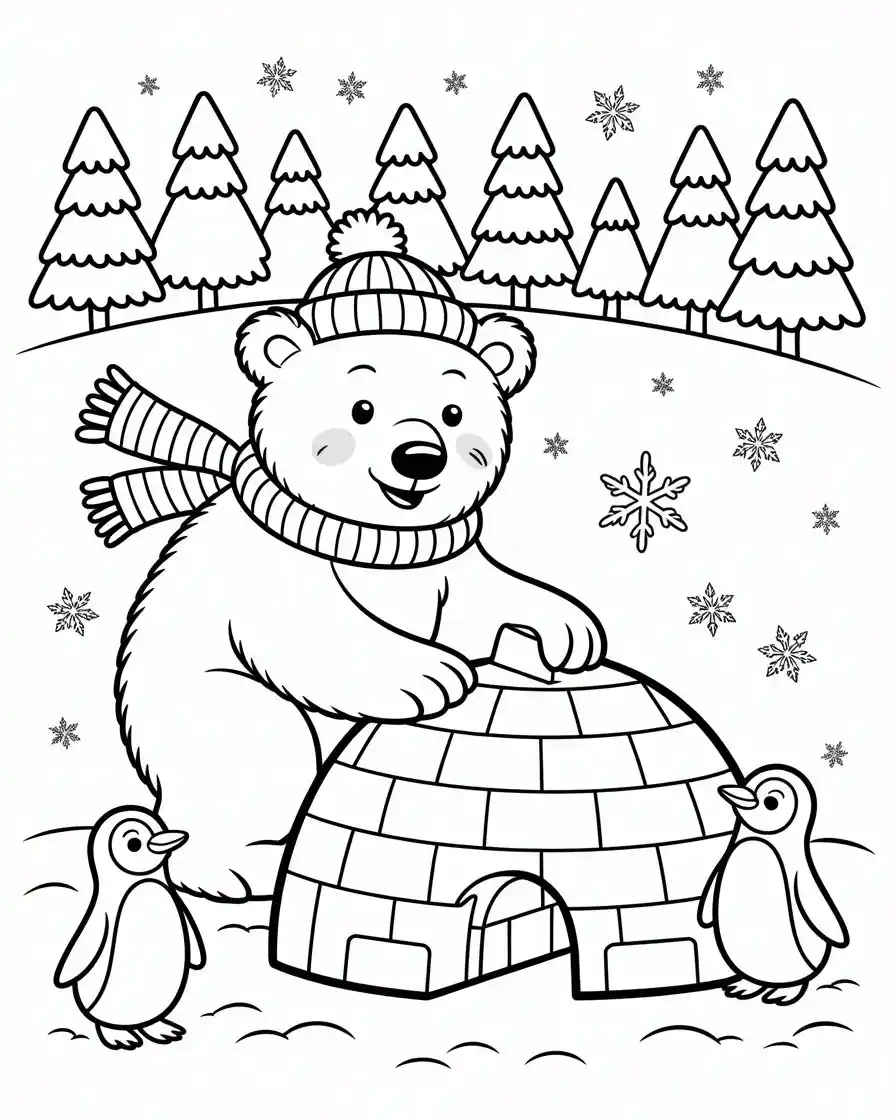
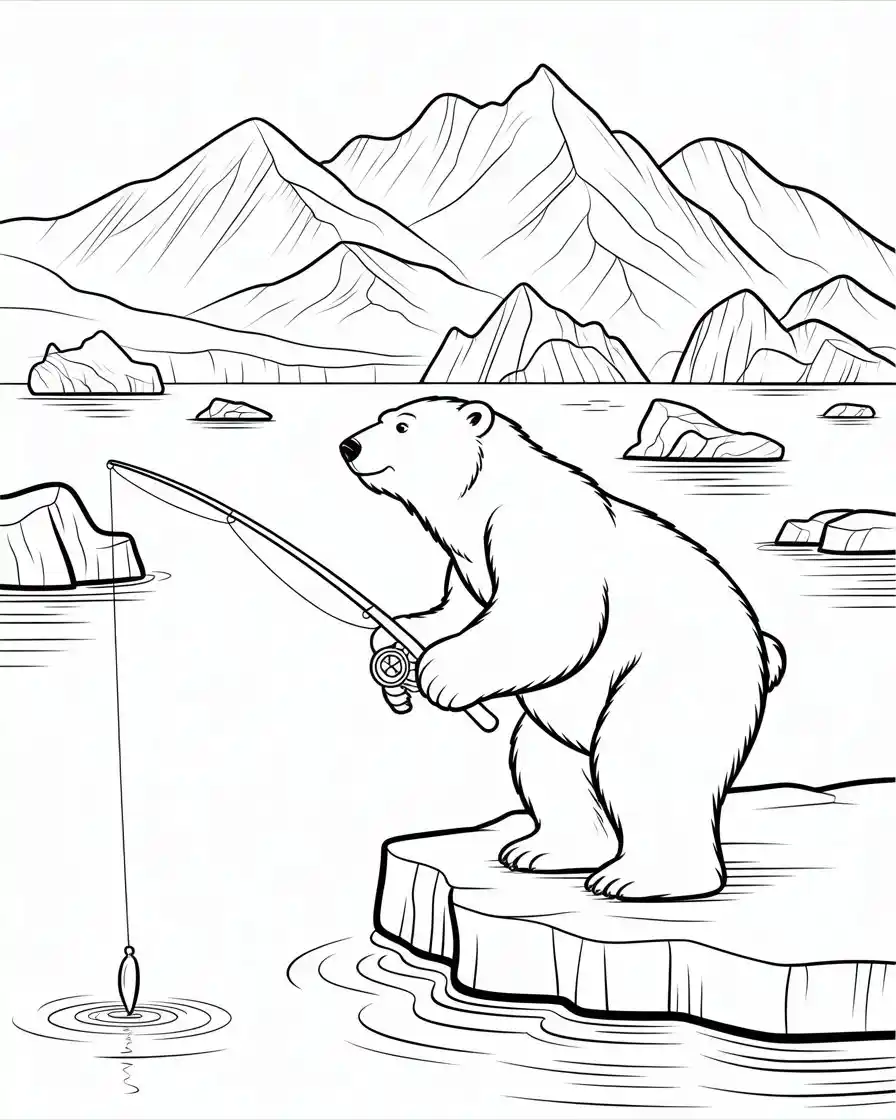
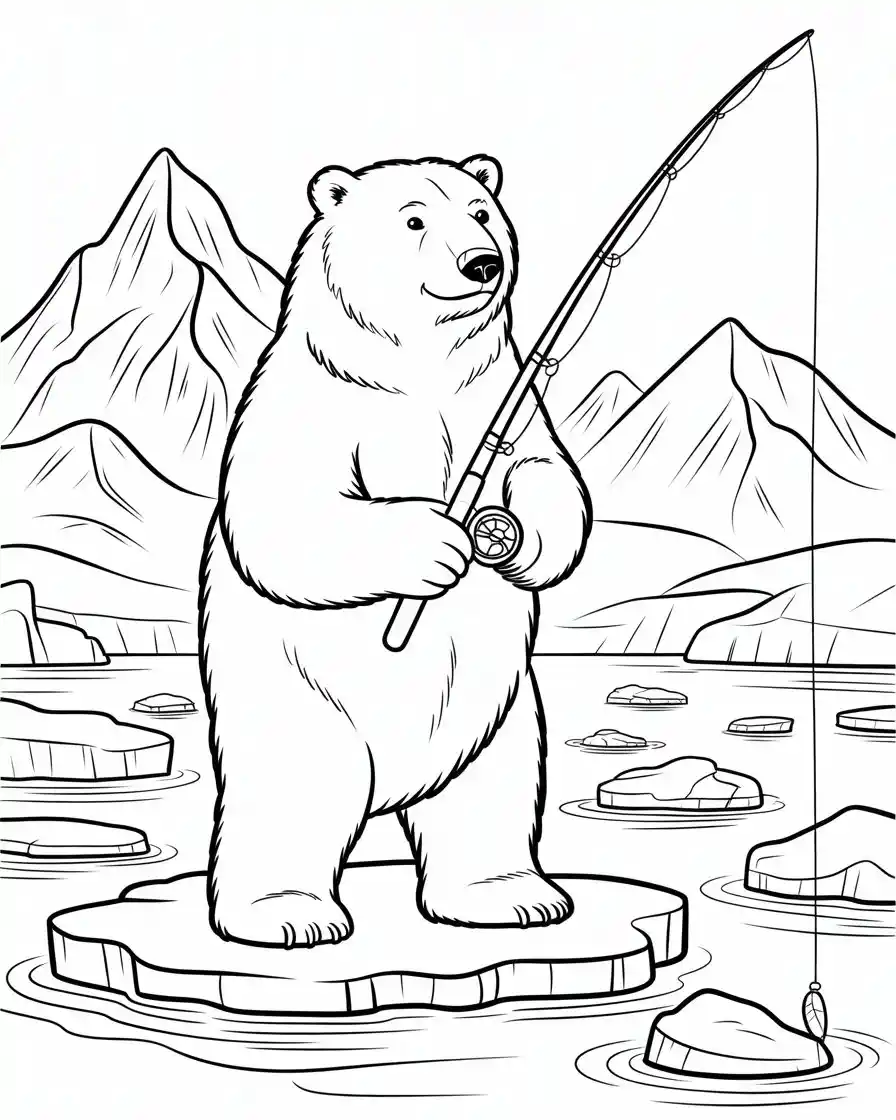
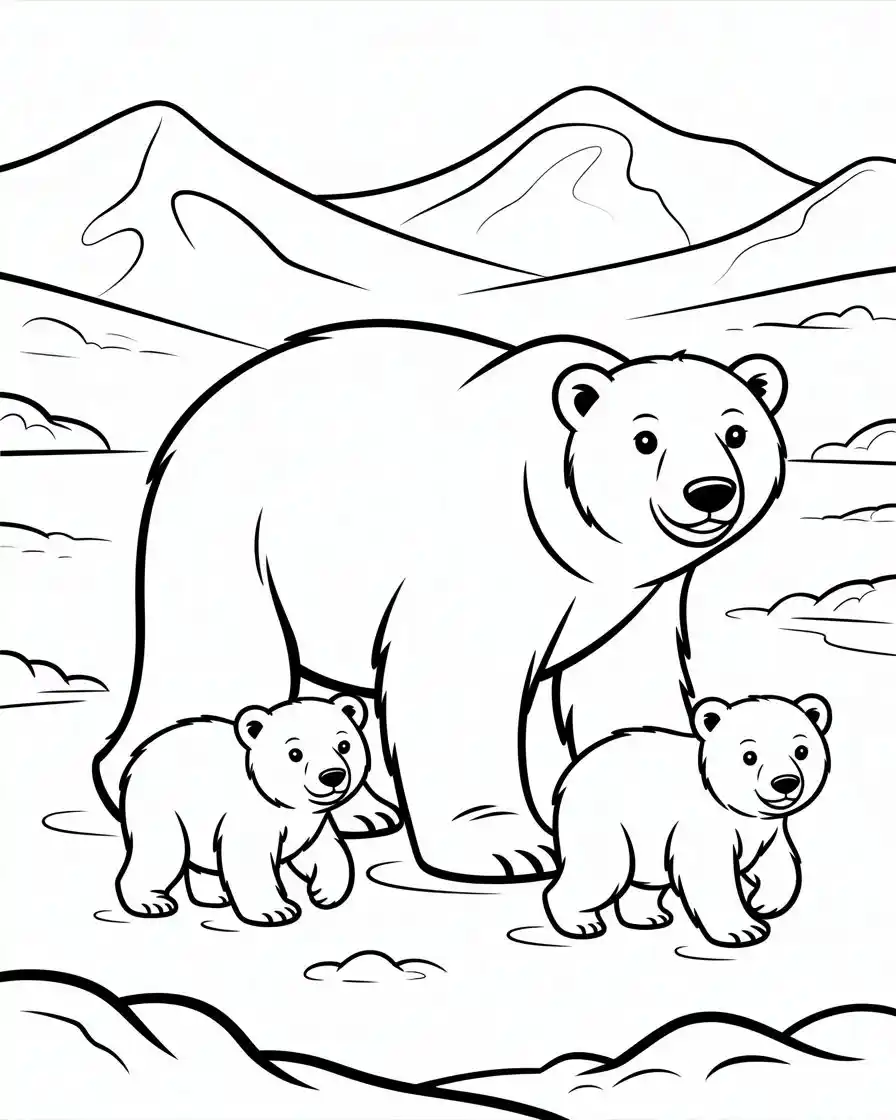
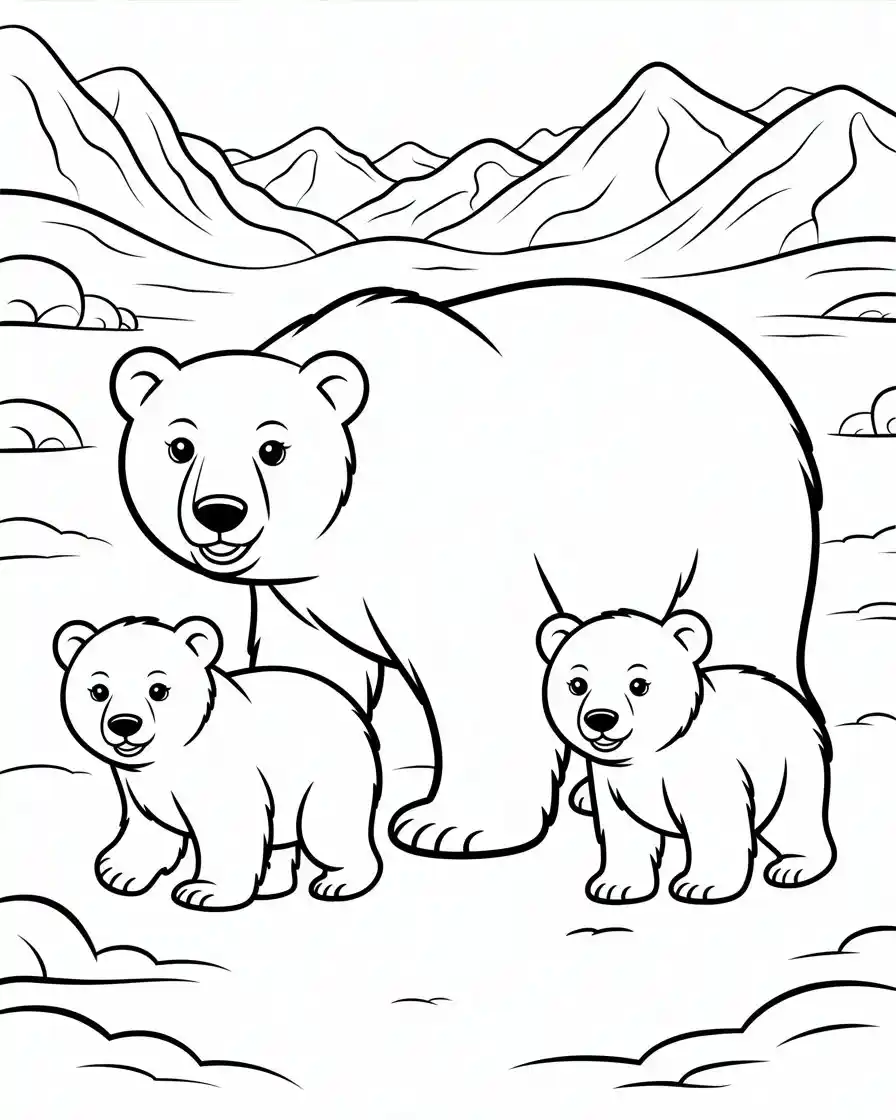
These bear coloring pages include 52+ free printable PDF designs featuring grizzly bears, polar bears, giant pandas, teddy bears, and other popular bear themed illustrations. Suitable for toddlers, children, teenagers, and adults, every page is available for instant download with no sign up or subscription required. Whether you’re looking for a simple activity for young children, educational wildlife themed sheets for the classroom, or detailed illustrations for relaxation and creative expression, this collection offers a wide variety of options. Each design prints clearly on standard A4 and US Letter paper, making it easy to enjoy at home, in school, or during group activities. Simply choose your favorite design, print it, and start coloring within minutes.
What Is Inside This Collection?
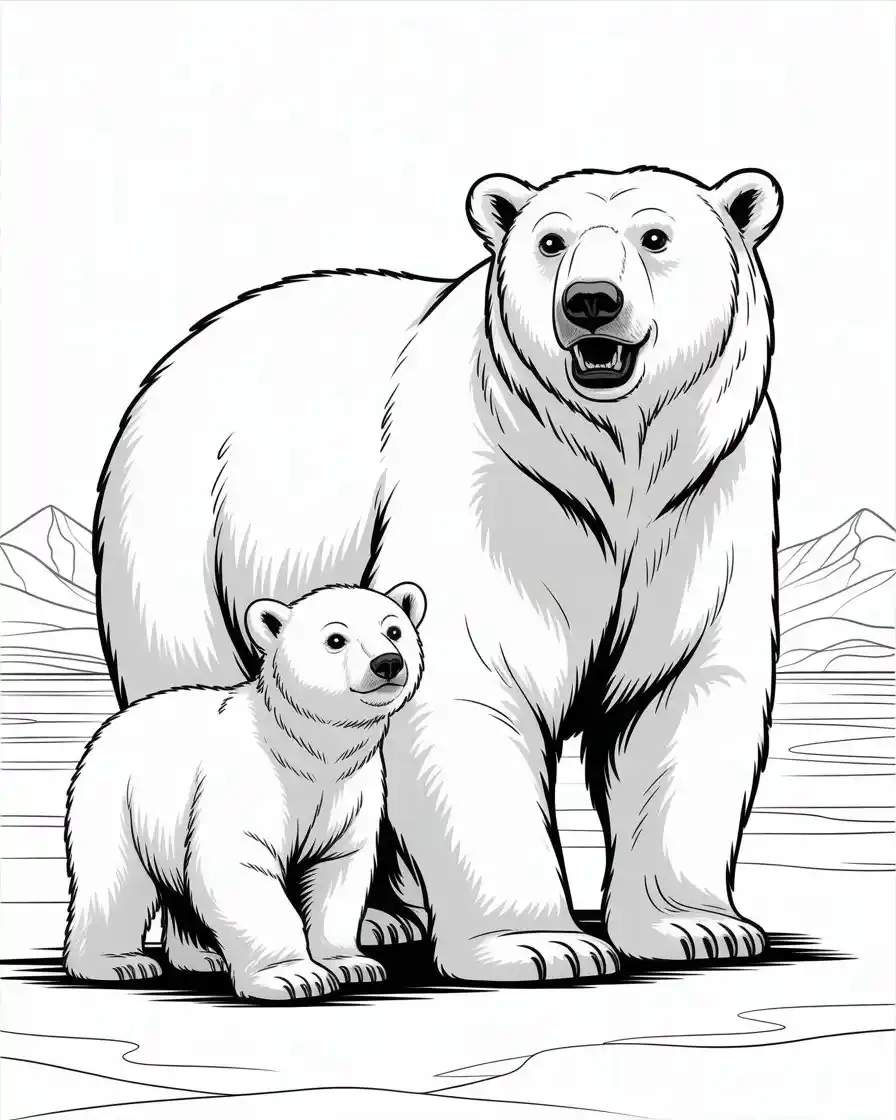
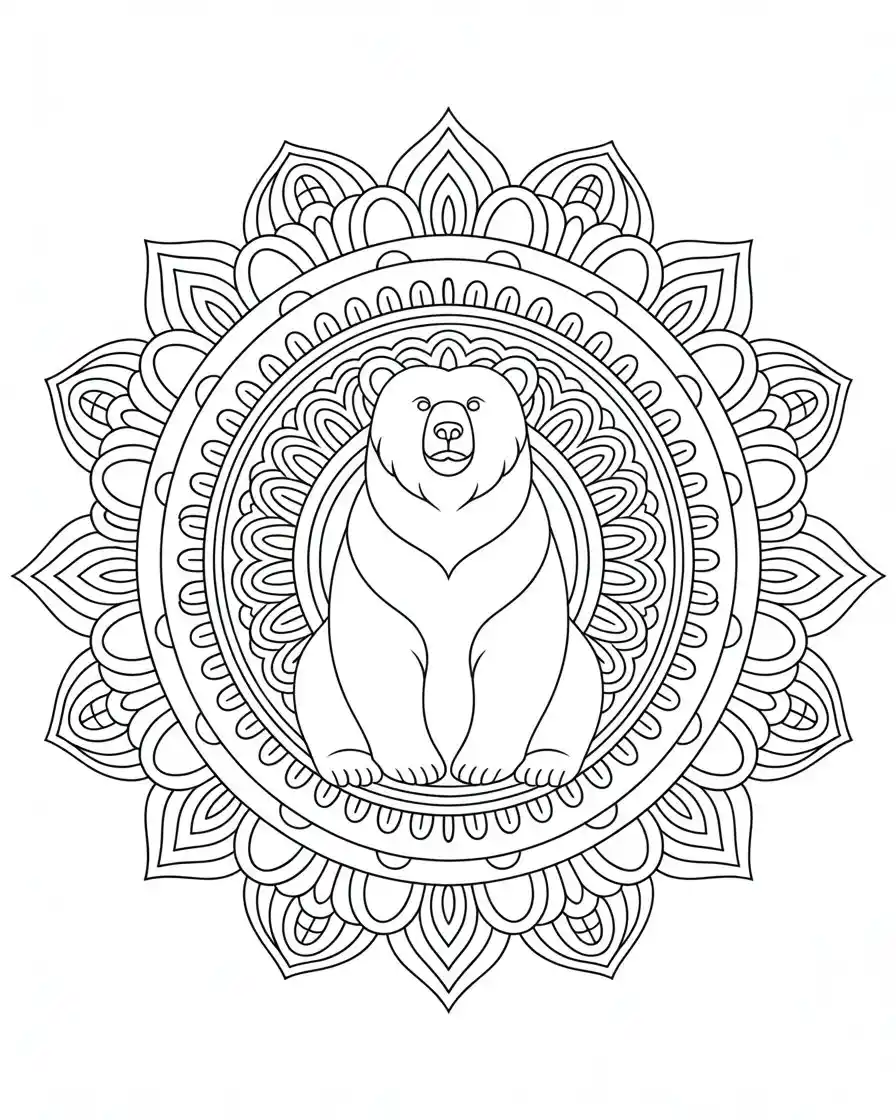
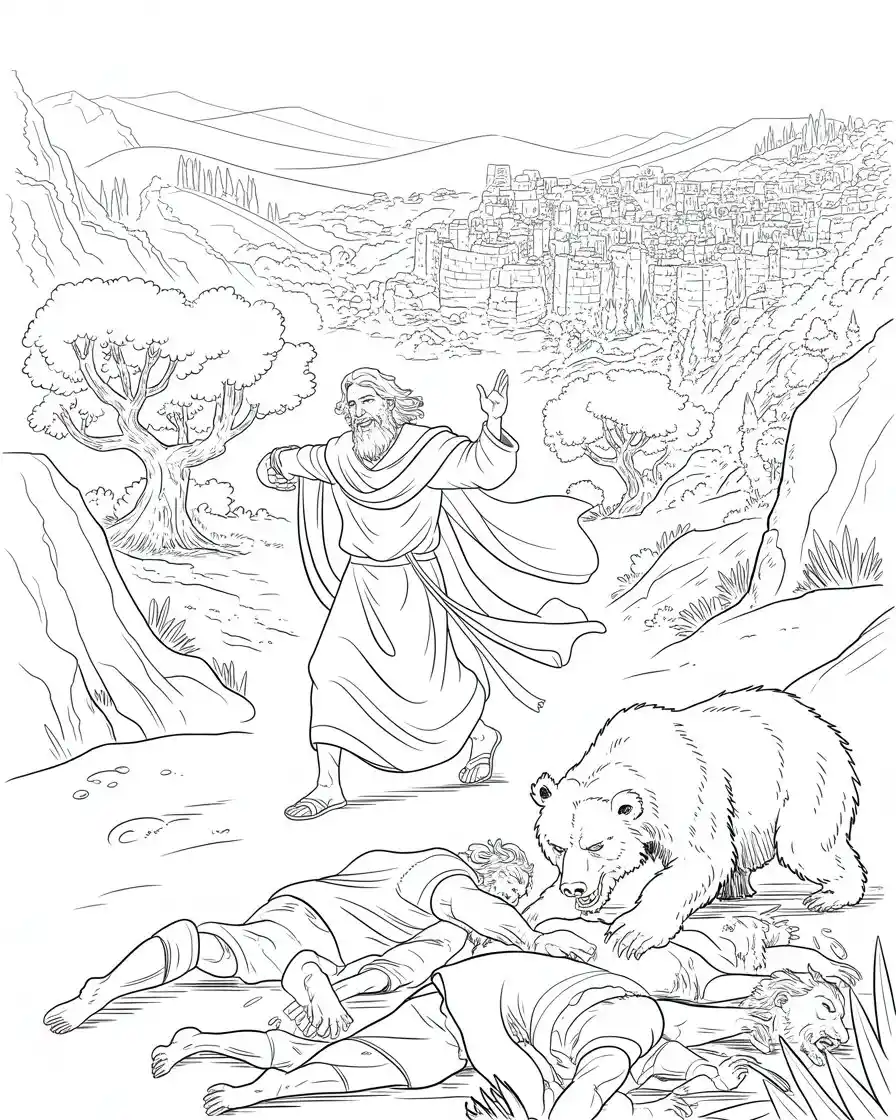
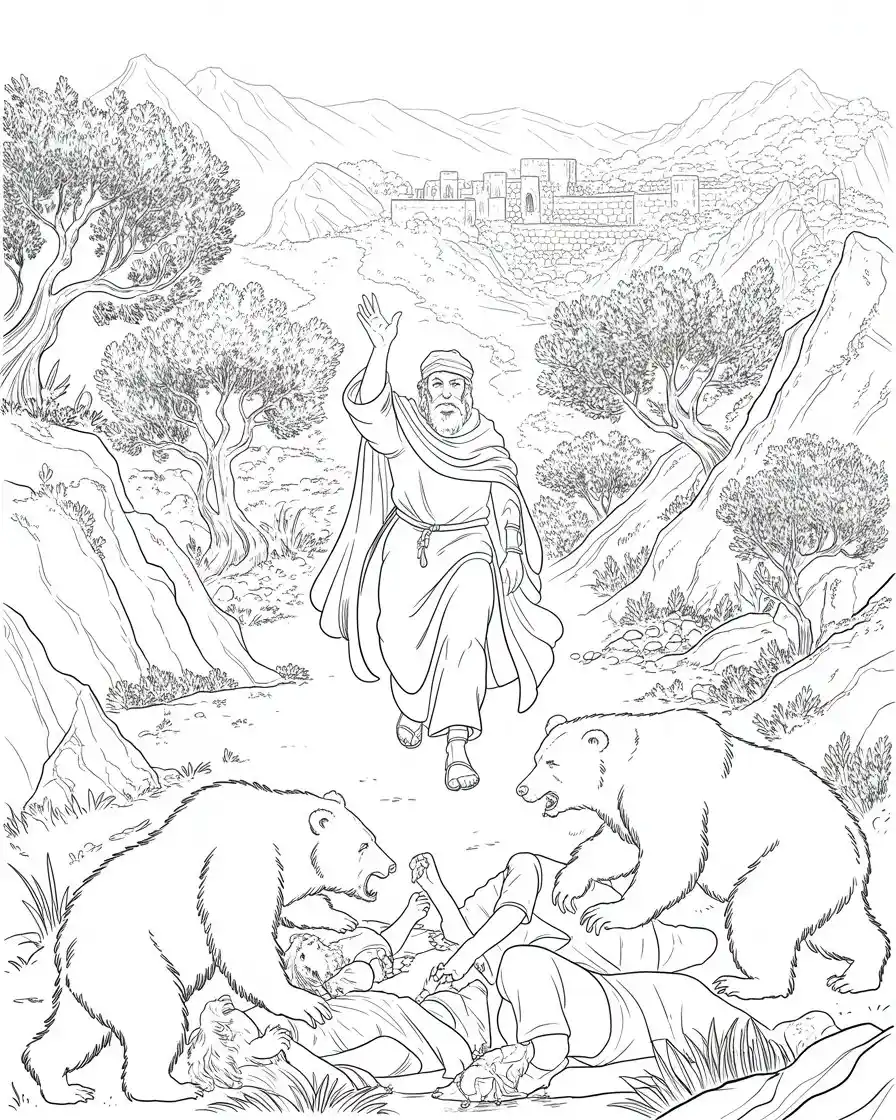
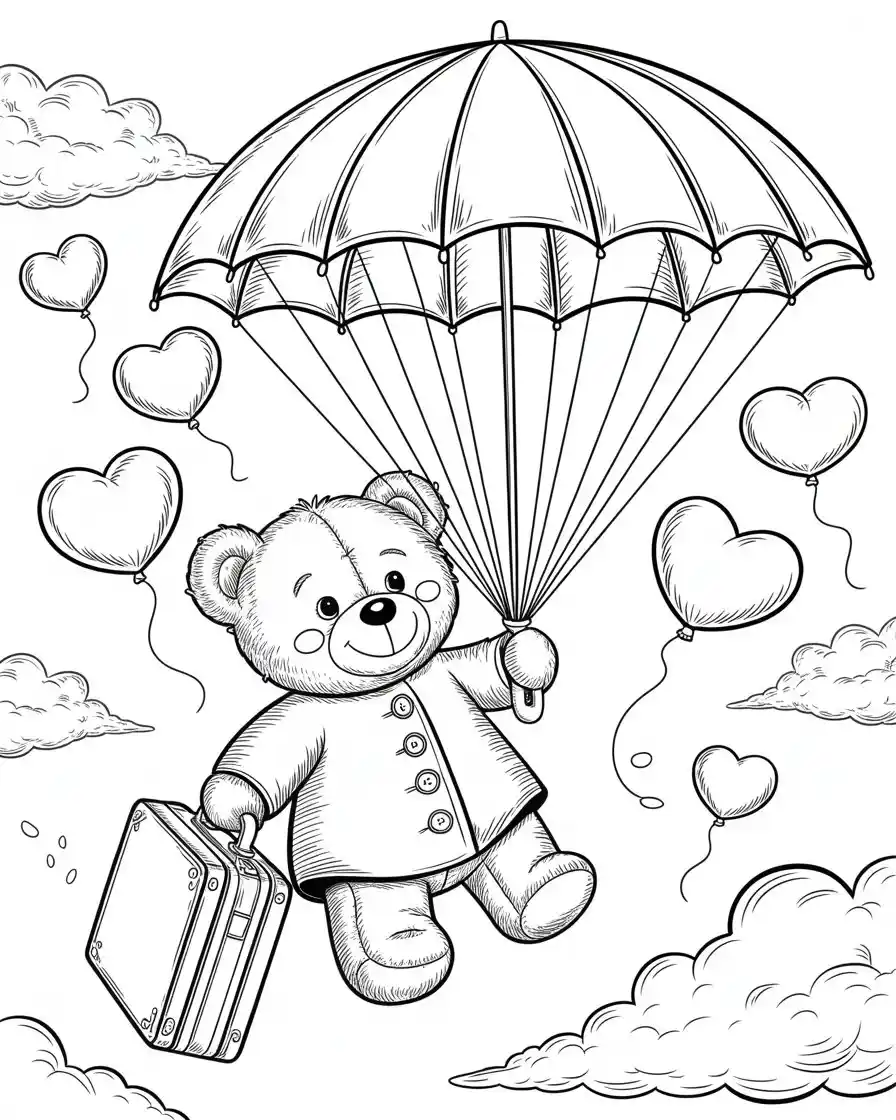
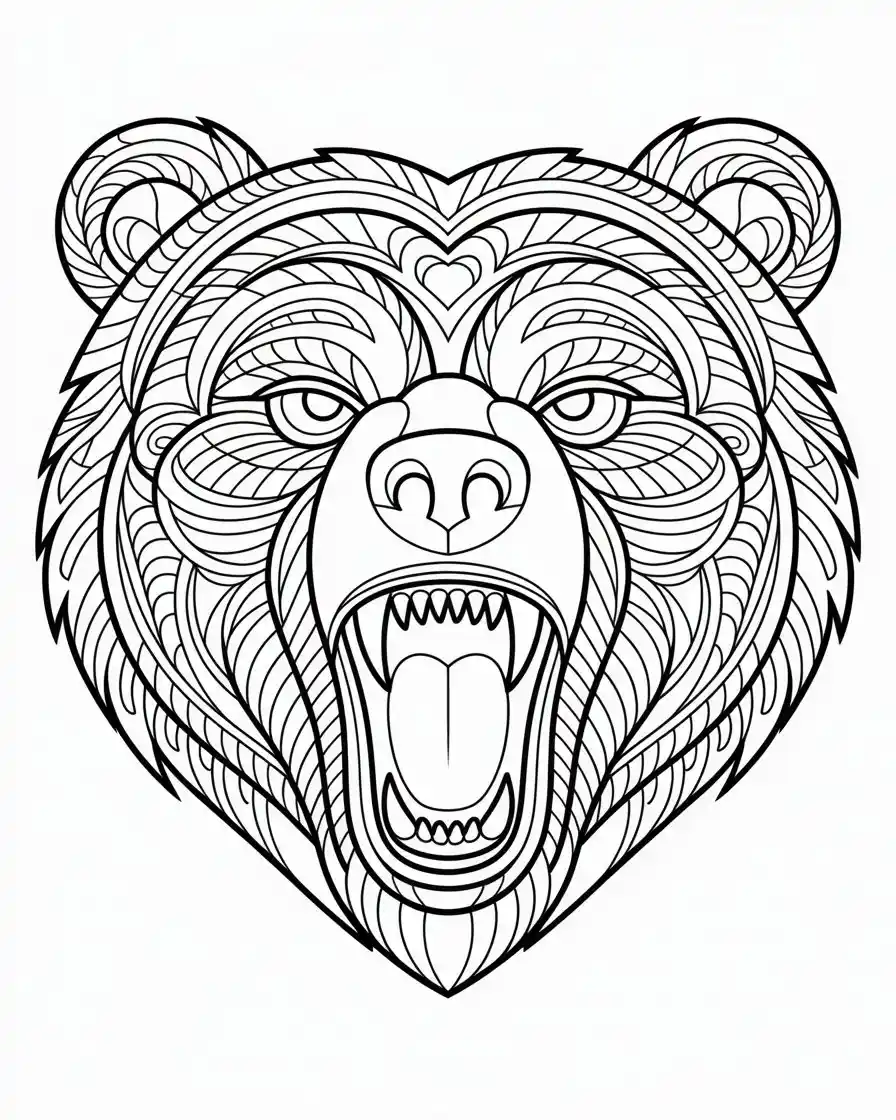
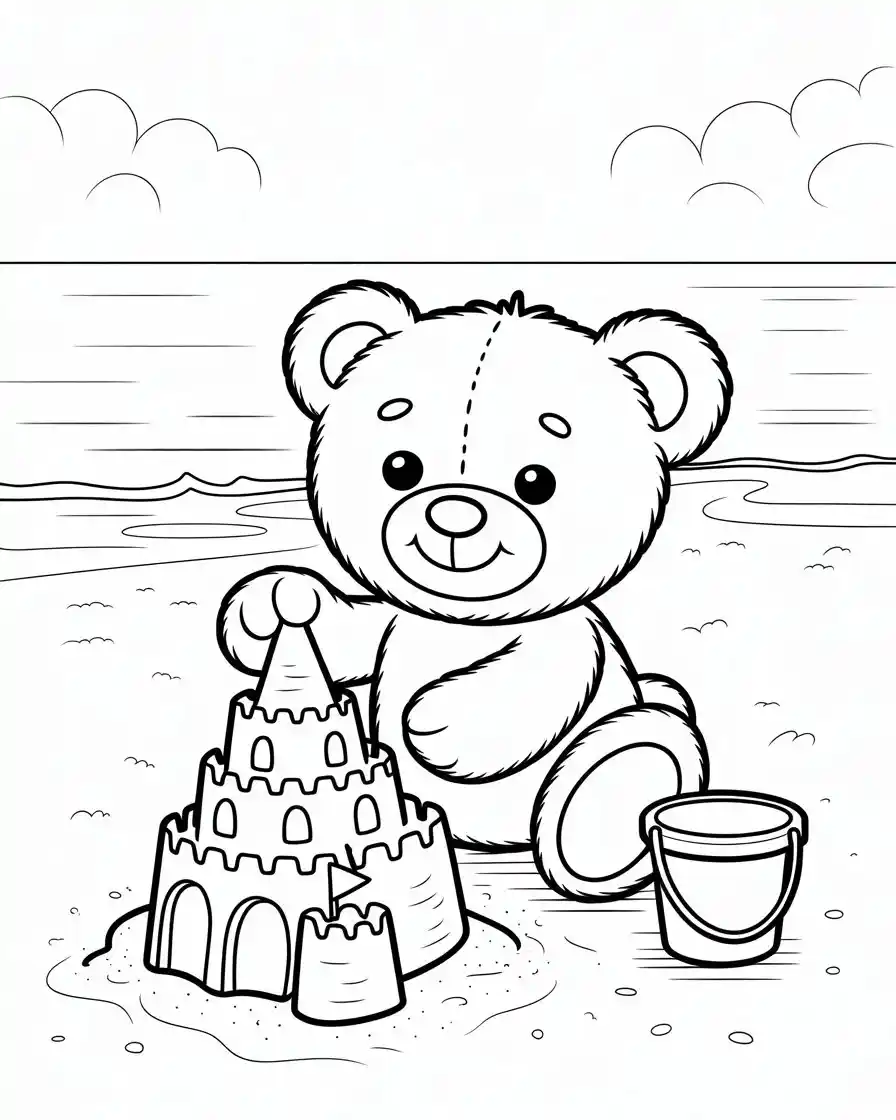
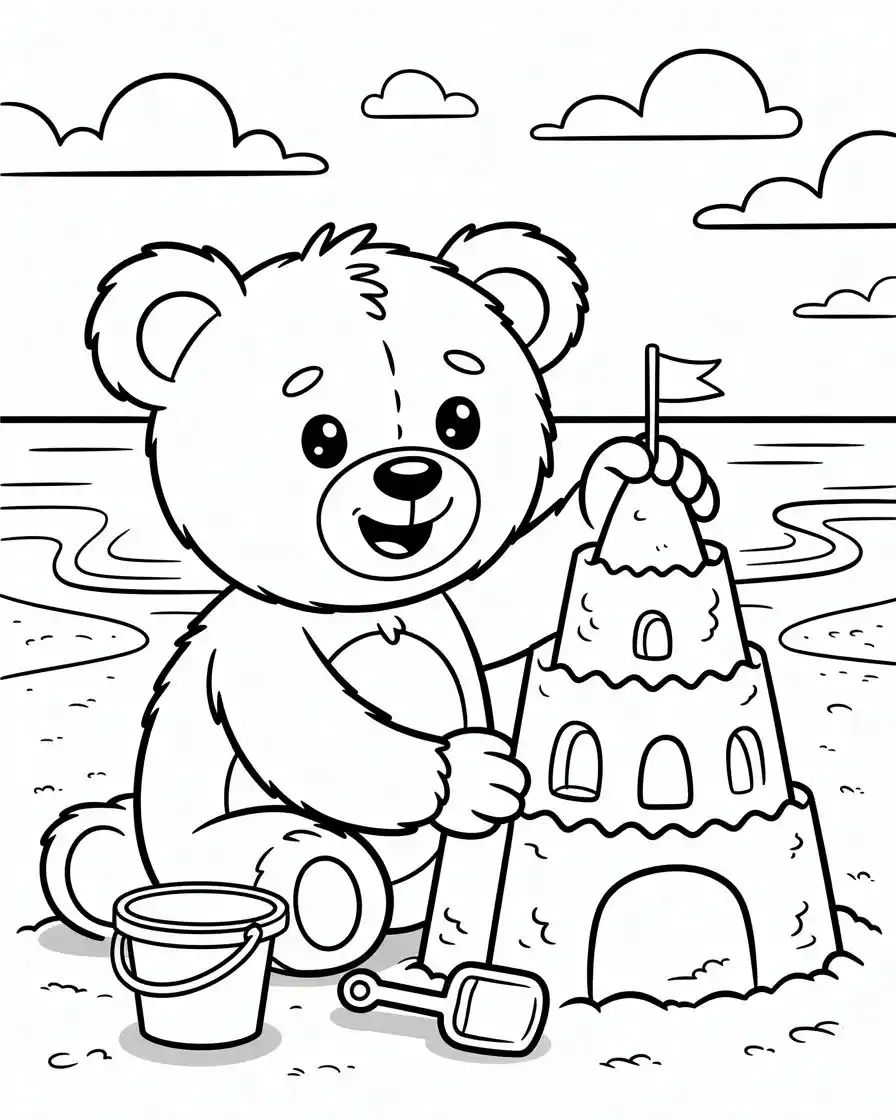
This collection of bear coloring pages features 52+ printable designs carefully organized by style, species, and difficulty level. You’ll find classic teddy bears, realistic grizzly and brown bears, Arctic polar bear scenes, playful panda illustrations, cartoon inspired characters, and detailed mandala style artwork for older users. Simple thick outline pages help younger children color confidently, while more intricate wildlife illustrations provide a rewarding challenge for teenagers and adults. The variety allows families, teachers, and hobbyists to find suitable designs for different ages and interests in one place. Every page is provided in high resolution PDF format and can be printed as many times as needed for personal or classroom use.














Where Do Bears Live? Five Habitats Explained
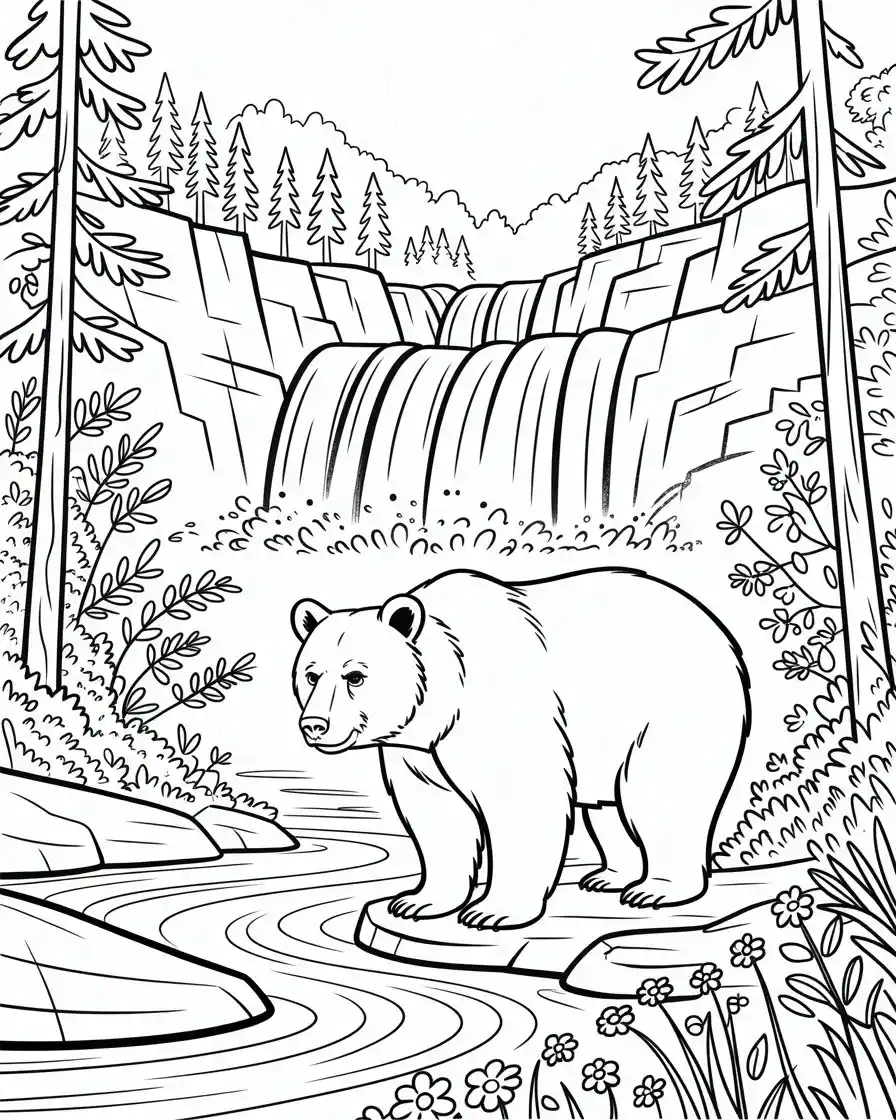
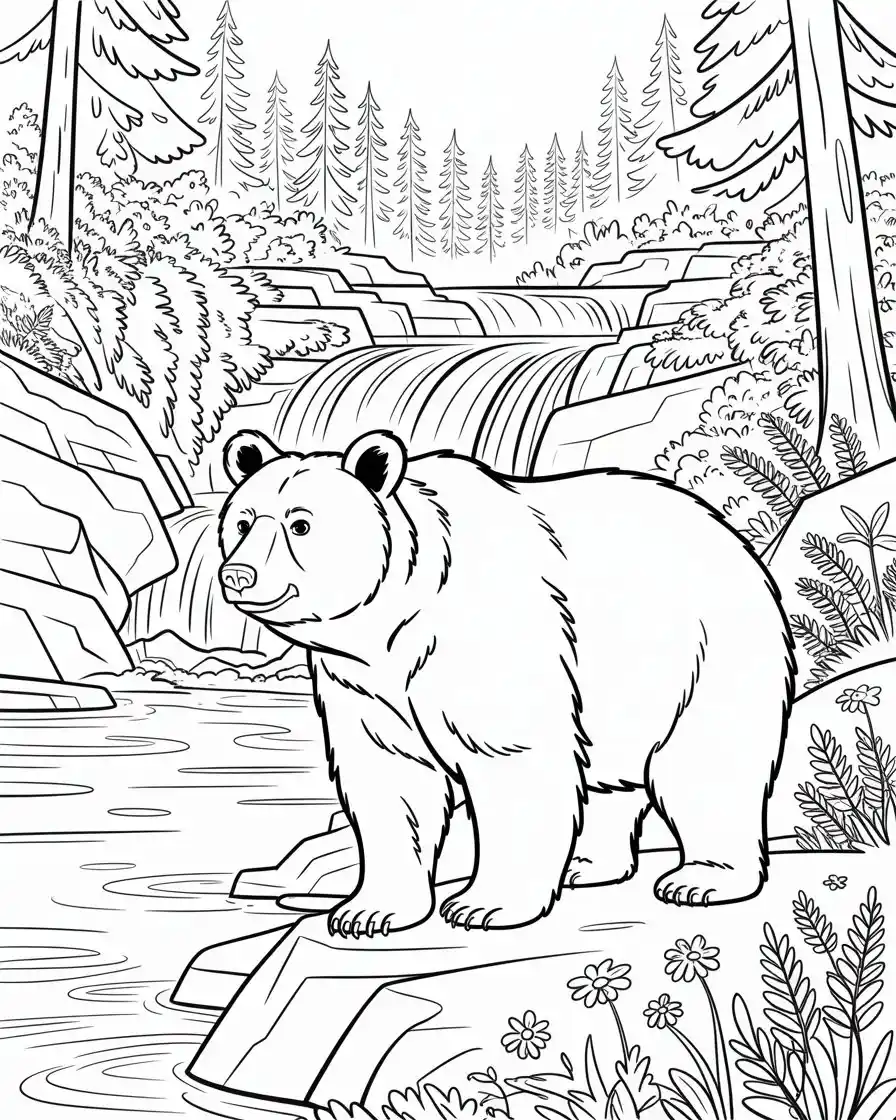
Temperate forests and woodlands: Brown bears coloring pages and American black bears thrive across North America, Europe, and Asia. Salmon rich rivers, dense tree cover, and berry rich undergrowth give these species everything they need before entering winter torpor. Most grizzly and brown bear designs in this collection depict exactly this environment.
Bamboo forests of central China: Giant pandas survive exclusively in fragmented mountain ranges across Sichuan, Shaanxi, and Gansu provinces. The IUCN downsized the giant panda from Endangered to vulnerable in 2016 after populations rose above 1,800 individuals one of conservation’s most celebrated recoveries a fact worth sharing while working through panda bear designs.
Tropical rainforests of Southeast Asia: The sun bear, the world’s smallest bear at 25–65 kg, lives across lowland forests in Malaysia, Indonesia, and Thailand. The IUCN lists sun bears as Vulnerable, primarily threatened by deforestation and illegal wildlife trade.
Andean cloud forests: The spectacled bear is the only bear native to South America, living at altitudes up to 4,300 meters in the Andes. It feeds mainly on bromeliads, cacti, and fruit and is widely cited as the real world inspiration for the fictional character Paddington Bear from Michael Bond’s children’s books.
10 Bear Facts Worth Sharing During Coloring
These facts pair naturally with any design in this collection. Verified against: Lynn Rogers, North American Bear Center IUCN Species Survival Commission Bear Specialist Group; Stirling & Durocher, Polar Bears: A Complete Guide to Their Biology and Behavior (2012).
1. Eight bear species exist worldwide. American black bear, brown bear, polar bear, giant panda, spectacled bear, sun bear, sloth bear, and Asian black bear each occupying a completely different ecological niche.
2. Polar bears have black skin beneath transparent fur. Individual hairs are hollow, scattering light to appear white. Dark skin beneath maximizes solar heat absorption a dual layer system evolved over approximately 500,000 years.
3. Giant pandas eat for up to 16 hours daily. Bamboo delivers so little nutrition that adults consume 12–38 kg per day. Their digestive anatomy is carnivorous a legacy of meat eating ancestors making high volumes essential.
4. A grizzly sprints at 35 mph (56 km/h). Despite weighing up to 360 kg, a grizzly briefly outpaces a horse over short distances, powered by muscle mass built on a high calorie pre hibernation diet that adds up to 180 kg in a single autumn.
5. Bears smell 2,100 times better than humans. Bear biologist Lynn Rogers (bear.org) documents grizzlies detecting food at over 30 km and locating buried carcasses beneath 60 cm of snow.
6. Bear “hibernation” is actually torpor. Heart rate drops from 40 to just 8 beats per minute, metabolism slows 75%, yet a disturbed bear becomes fully alert within minutes unlike true hibernators such as ground squirrels.
7. A group of bears is called a sleuth. They gather at salmon rich rivers during spawning season in what biologists informally call a fishing congregation sometimes including dozens of individuals sharing the same stretch of water.
8. Newborn grizzly cubs weigh just 340-680 grams. A 200 kg mother gives birth to cubs the size of a squirrel born blind, hairless, and entirely dependent on her warmth and milk inside the winter den.
9. The sun bear’s tongue extends 25 cm. It reaches deep into tree hollows and termite mounds to extract honey and insects the primary food source for this species.
10. The panda’s thumb is a wrist bone. The radial sesamoid an enlarged wrist bone evolved independently to grip bamboo stalks. This is one of biology’s most cited examples of convergent evolution.
Coloring Tips That Actually Work By Age Group
Toddlers (ages 2–5): The simple cute bear coloring pages round bear faces and baby cub outlines large open areas fill quickly and give young children a satisfying sense of completion. Chunky washable crayons grip well in small hands. Accuracy does not matter at this age; confidence and enjoyment do.
Children aged 6–12: Layer instead of flat filling. For brown and grizzly designs, start with a mid brown base, then build darker tones into shadow areas under the chin, inside the ear, between the front legs. Leave a tiny white dot on each eye to bring the face to life. For polar bear designs, pale lavender and icy blue for shadow areas look far more convincing than plain white on white paper.
Adults and teenagers: The detailed grizzly bear coloring pages and wildlife illustrations reward working strictly light to dark never apply the darkest tone first. Use short directional pencil strokes following the direction of fur growth varying pressure creates realistic texture. Watercolor pencils blended with a damp brush give the detailed wildlife illustrations a polished finish that standard colored pencils cannot match.
5 Ways to Go Beyond the Coloring Page
1. Conservation awareness poster: Teachers in our network have used these coloring pages of bears species designs to create classroom displays comparing IUCN threat levels Least Concern (black bear) through Vulnerable (sun bear, giant panda) to data deficient species. Children who build these posters retain the conservation information significantly longer than those who read it from a worksheet.
2. Habitat diorama: Cut out a colored bear design and place it in a shoebox decorated as its natural environment Arctic ice shelf for a polar bear, bamboo forest for a panda. A geography and science activity that works from age 6 upward.
3. Wildlife journal: Children add habitat notes, conservation status, and food sources around the illustration combining art with genuine research skills.
4. Species mobile: Print five different teddy bear coloring pages and wildlife species designs, color each one carefully, back with thin cardboard, and hang at varying heights from a wooden dowel. Parents report this is one of the most frequently displayed pieces of children’s art a testament to how engaging well designed bear coloring pages can be.
5. Handmade bear card: Color a favorite design, mount on folded card, add a pompom nose and wiggle eyes. Handmade cards are treasured in a way that shop bought cards simply are not and children take visible pride in gifting something they made themselves.
Who These Designs Are Built
Parents at home: Our most active users searching for bear are parents of children aged 4 to 10 who want screen free activities that are both quiet and genuinely engaging. Based on page analytics and reader feedback, free bear color in the grizzly and panda categories drive the most return visits from this group.
Primary school teachers: All designs print in unlimited quantities for free. Teachers in our reader community use these printable bear color particularly the habitat based designs for Year 2–4 science units on animal classification and global ecosystems. The IUCN referenced facts in this article are written to be directly usable in a classroom context.
Adult colorists: Many adults use detailed animal coloring pages as a relaxing creative activity and mindfulness hobby. The detailed mandala and coloring pages of bears realistic wildlife designs in this collection are specifically built for this audience complex enough to sustain focus, structured enough to be satisfying.
Frequently asked questions About Bear coloring pages
More Free Animal Coloring Pages
Children who enjoy bear designs often return for these collections all built to the same standard of accuracy and age appropriateness:
- 🐼 Panda Coloring Pages — giant panda and red panda designs with bamboo forest settings
- 🦁 Lion Coloring Pages — pride scenes, portrait close ups, and cartoon cubs
- 🐘 Elephant Coloring Pages — African and Asian species in savanna and forest environments
- 🦇 Bat Coloring Pages — Halloween bats, realistic wildlife illustrations, and vampire bat designs
- 🦋 Butterfly Coloring Pages — detailed wing pattern designs for every skill level
Browse our full library of free bear coloring pages and 1,000+ animal designs across 50 species no account, no limits on printing.