Free Deer Coloring Pages – Cute, Realistic & Printable PDF
Deer coloring pages are free, printable PDF designs for kids and adults, ranging from simple fawn outlines to detailed, realistic whitetail and mule deer scenes. Every design can be downloaded and printed instantly, with no sign-up required.
There’s a quiet, graceful quality to a deer that makes it a favorite subject for both young children and adults looking for a longer, calmer coloring session. The curved antlers, slender legs, and gentle expression give these designs a softness that pairs naturally with a woodland or forest setting, and the range of species and poses means there’s genuine variety within a single, familiar animal.
Why the Deer Works So Well as a Coloring Subject
Part of the appeal is how flexible the subject is. A simple, rounded fawn works for a toddler who just wants to fill in a shape, while a detailed whitetail buck with a full antler rack gives an older kid or adult something genuinely challenging to shade. A few real facts are worth sharing while your child works on a design, drawn from commonly available wildlife resources:
- Only male deer typically grow antlers, and in most species, these are shed and regrown every single year, getting larger as the animal ages.
- A deer’s eyes are positioned on the sides of its head, giving it a nearly 310-degree field of view to help spot predators approaching from almost any direction.
- White-tailed deer are named for the bright white underside of their tail, which flashes upward as a warning signal when the animal senses danger and bolts.
- Fawns are born with little to no scent and a spotted coat that helps them stay camouflaged and hidden in tall grass during their first few weeks of life.


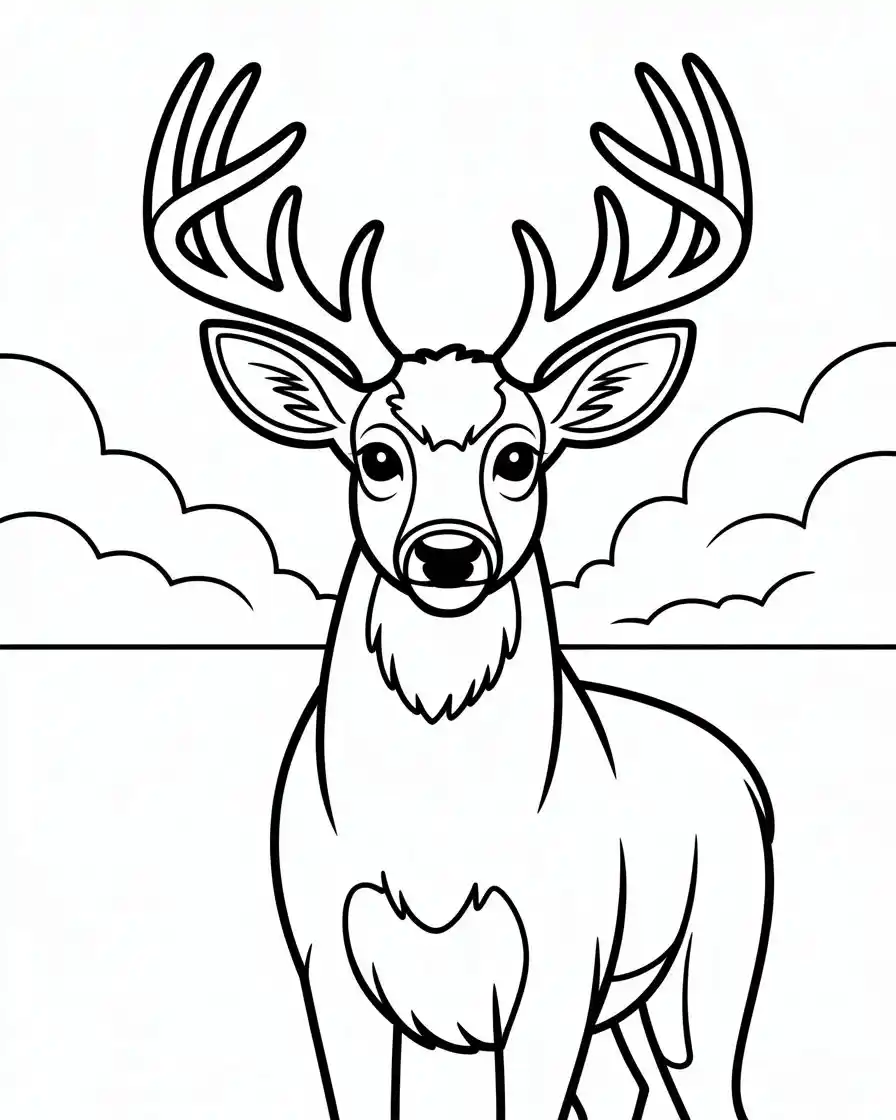

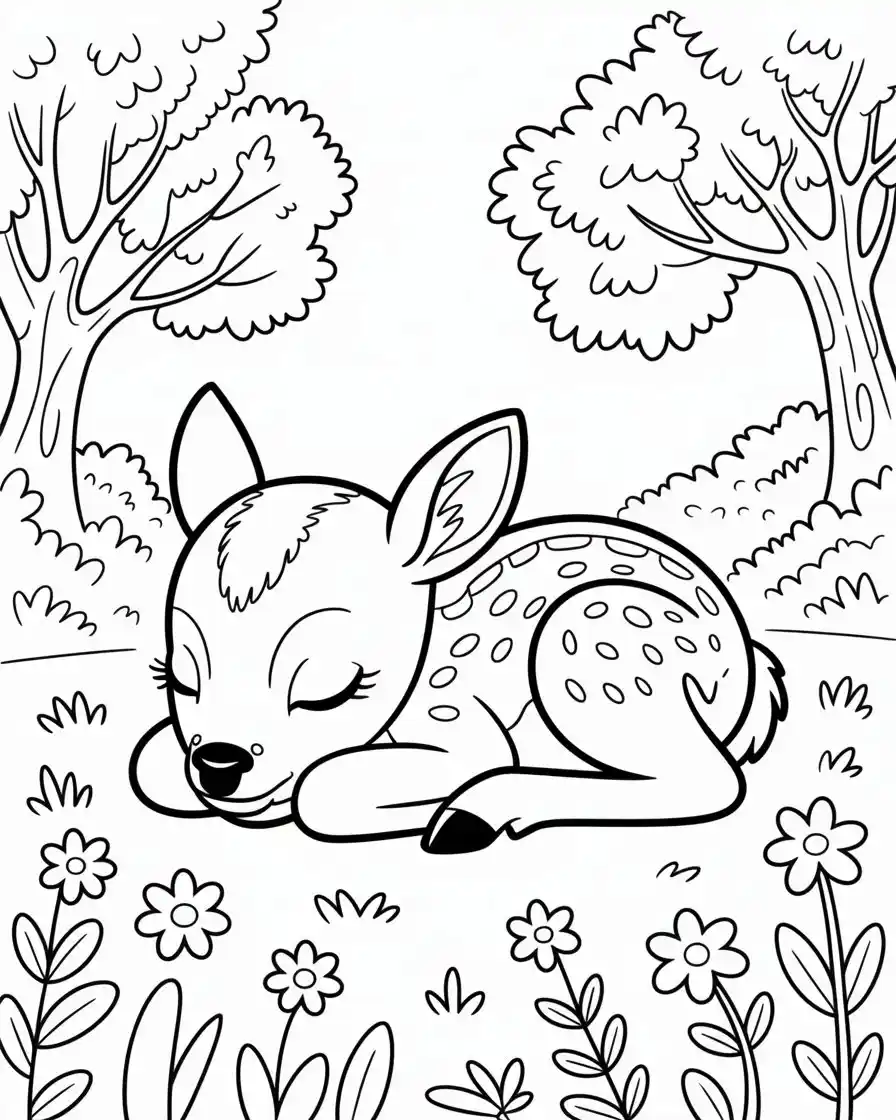
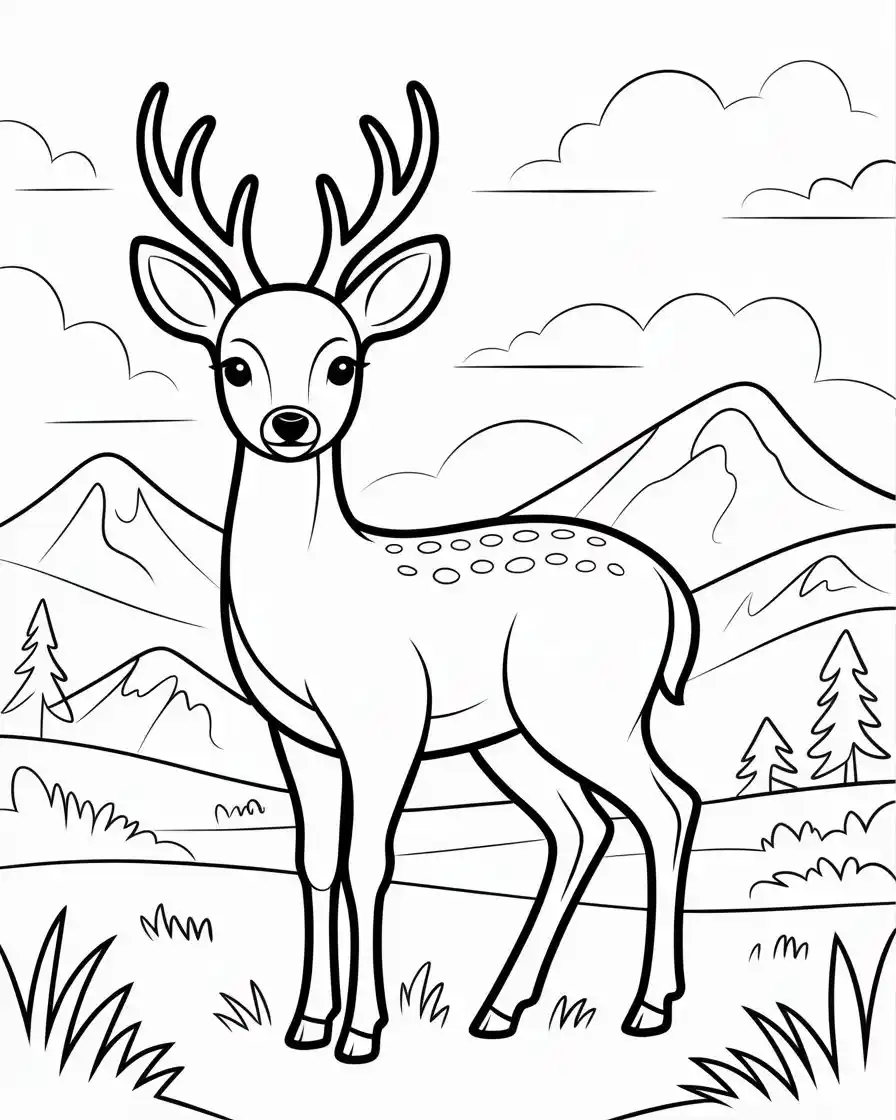
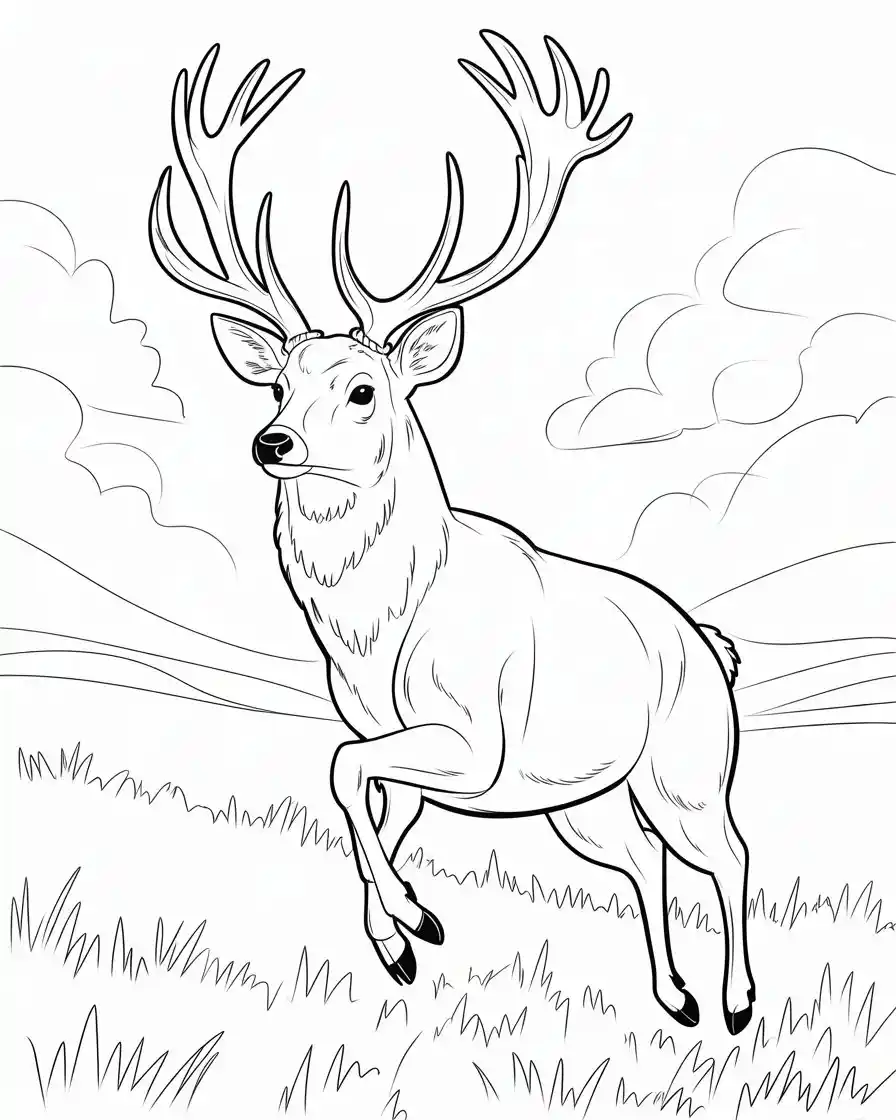


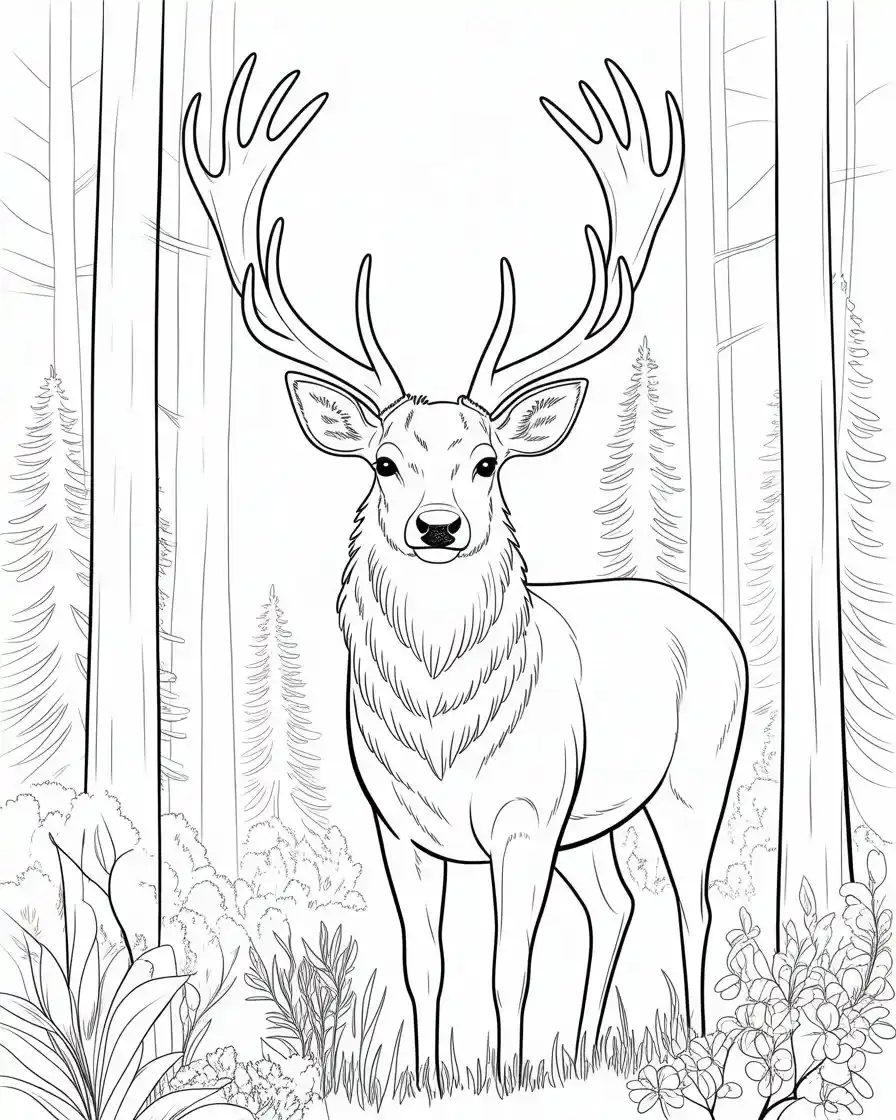

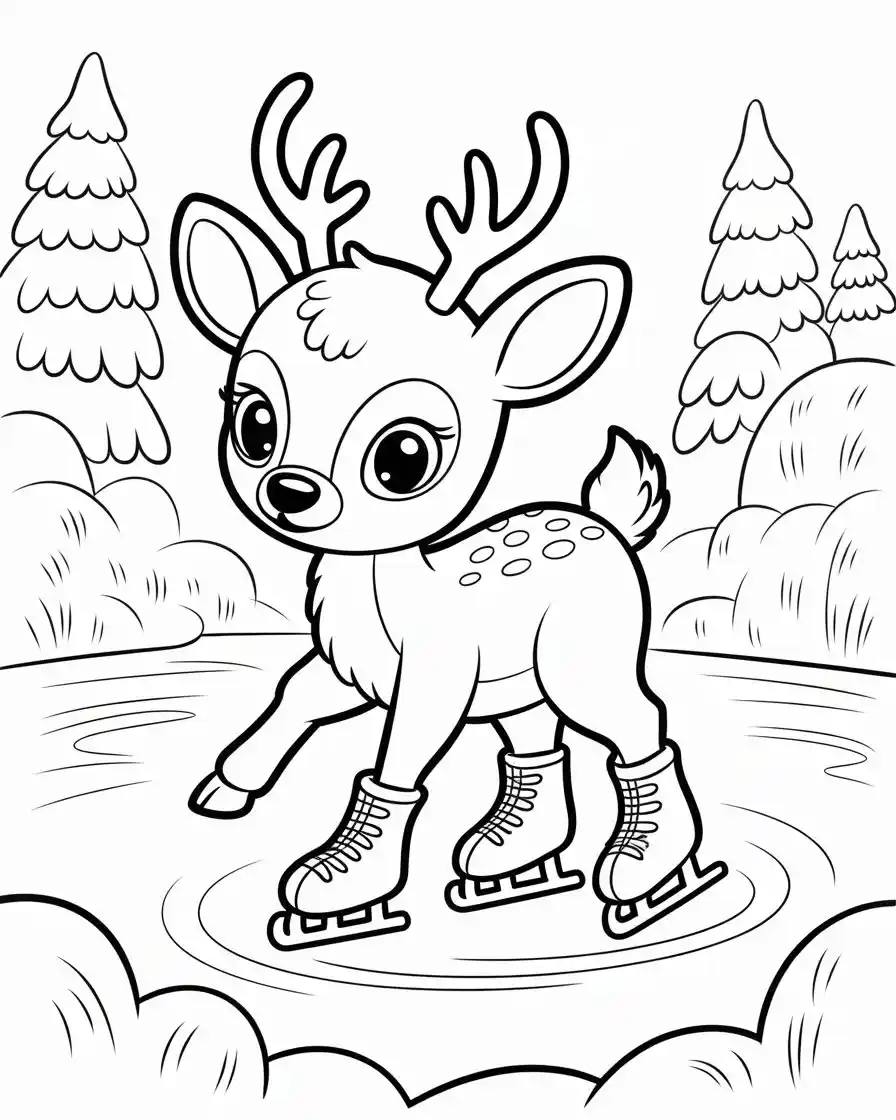

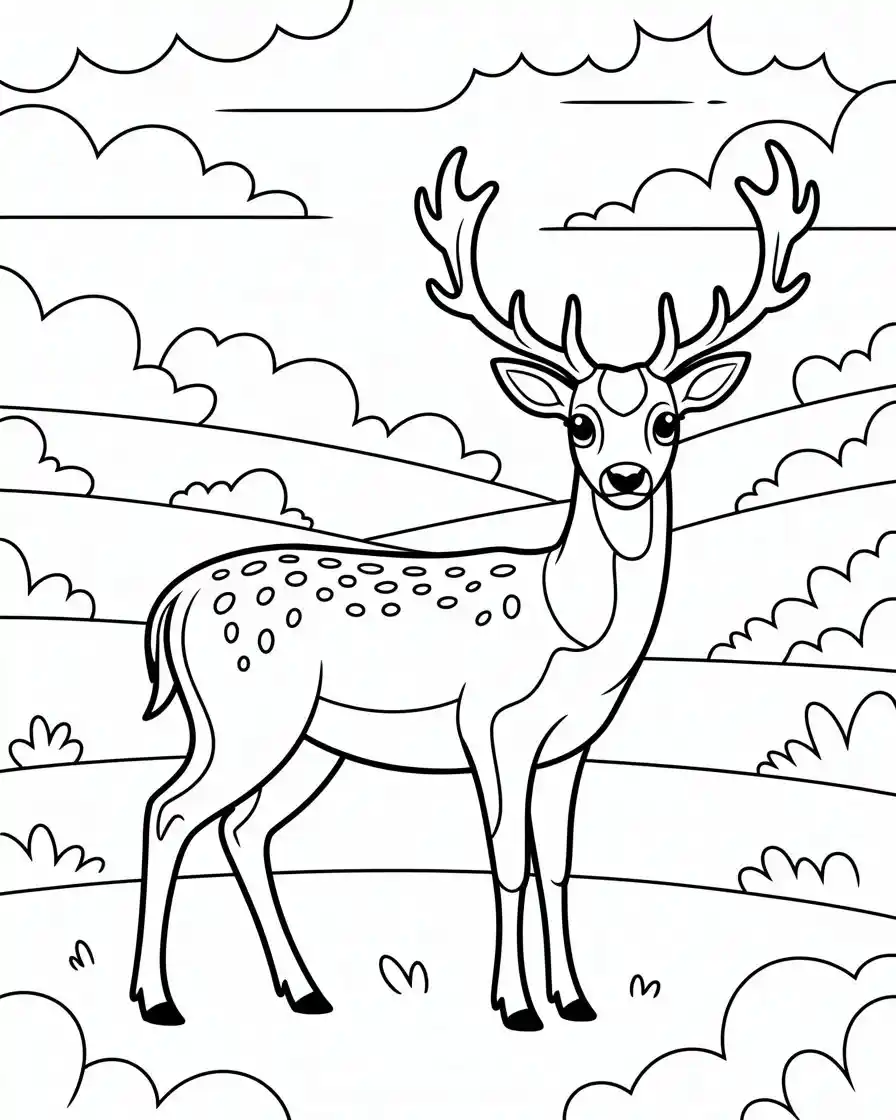
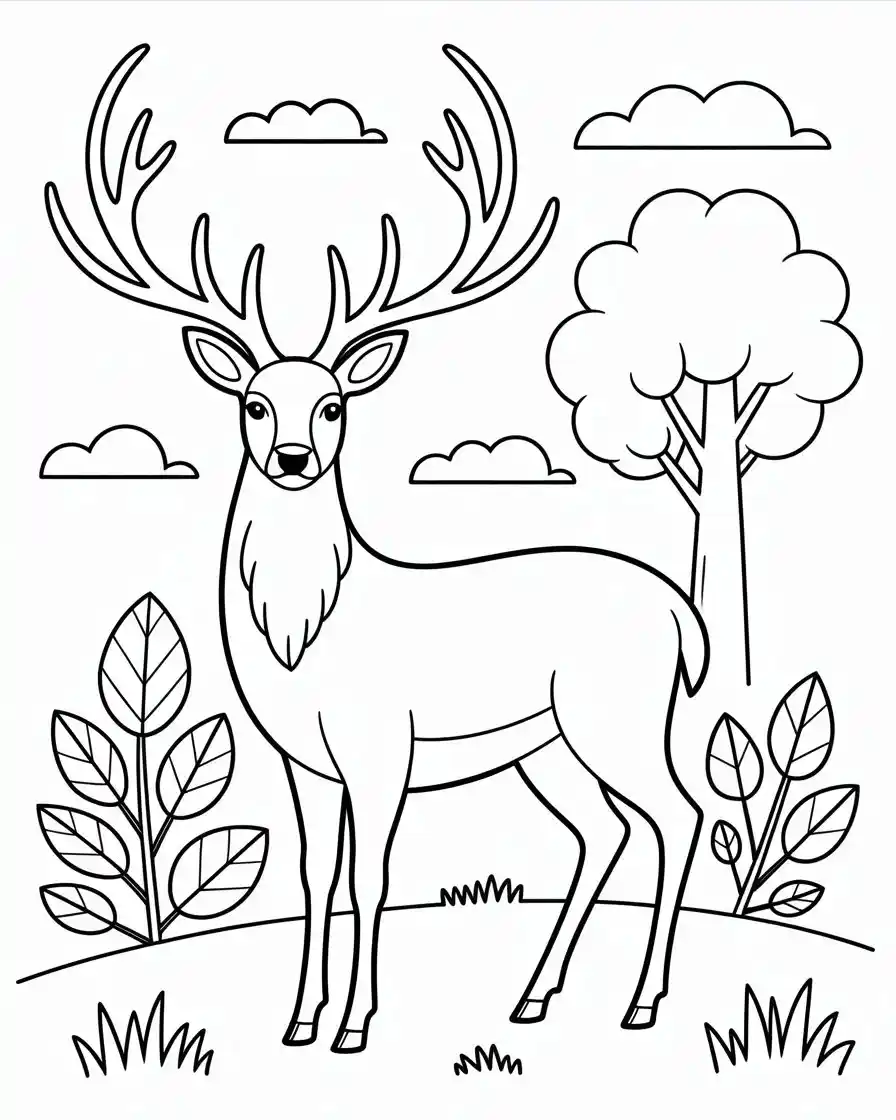

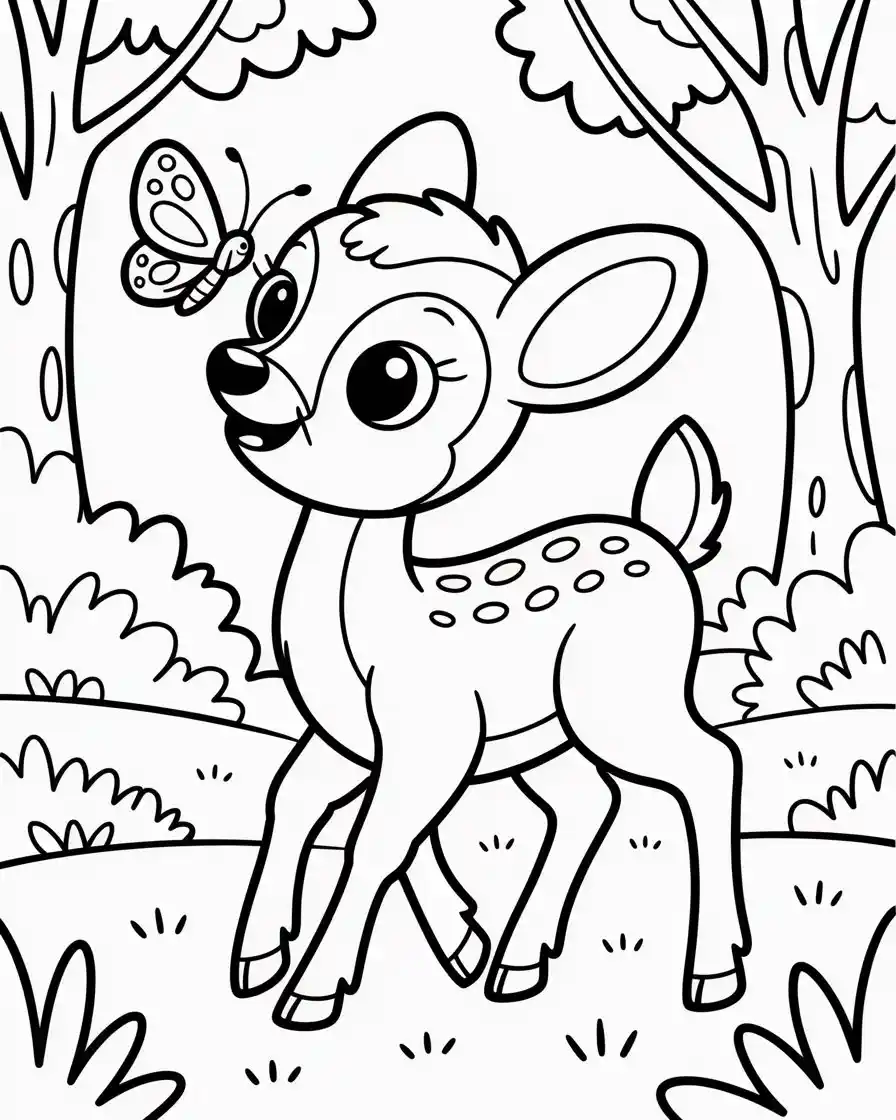
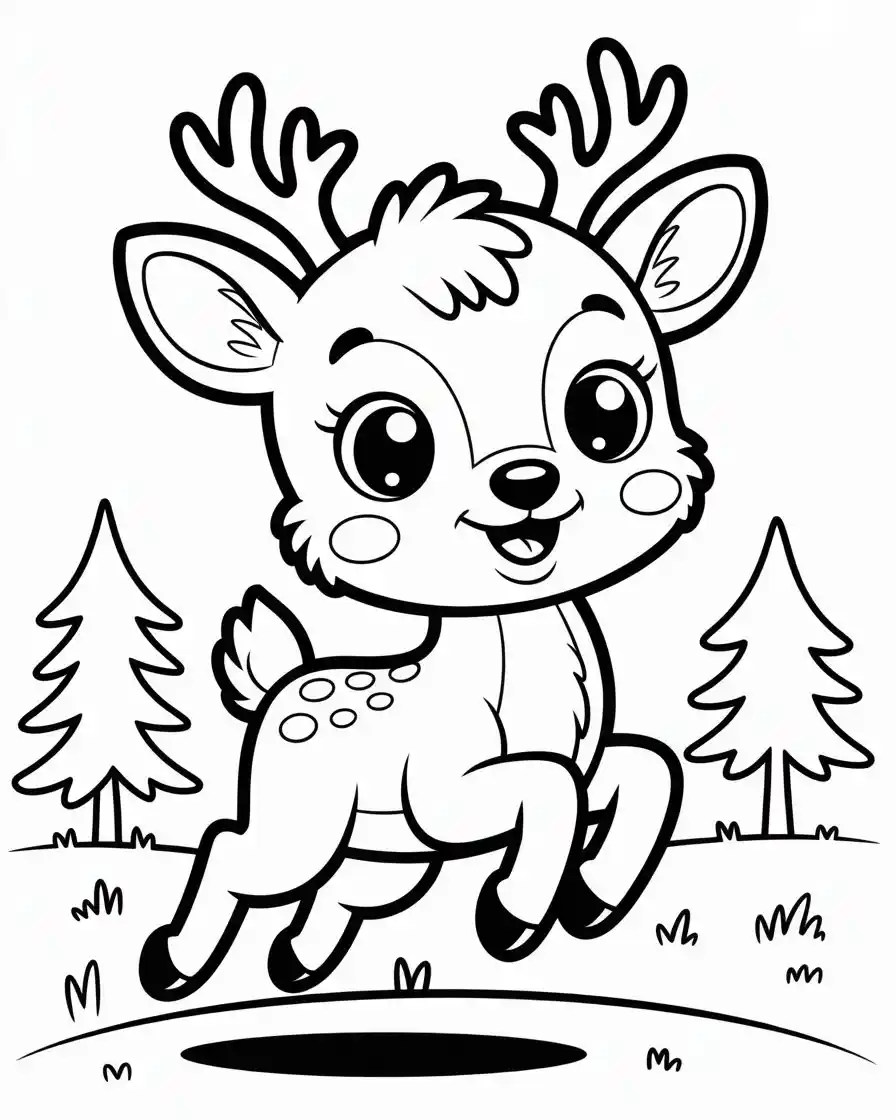
The Range of Deer Designs in This Collection
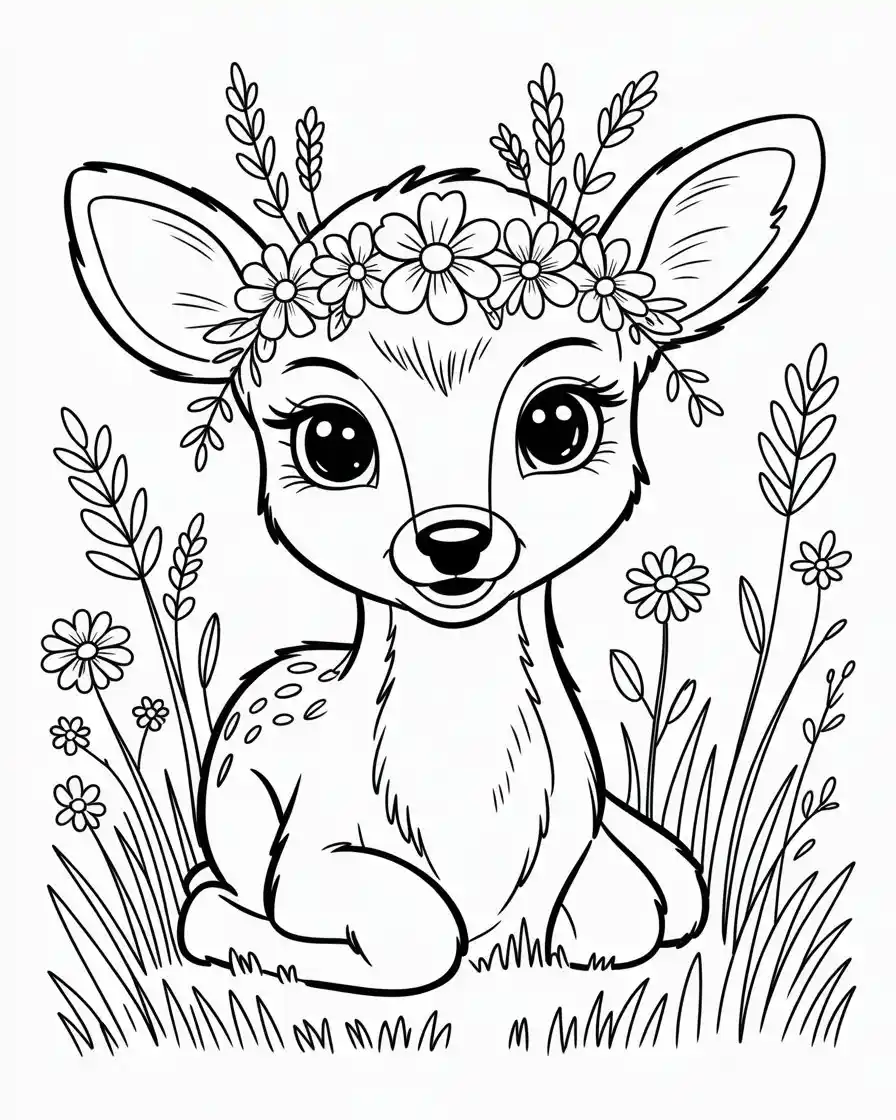
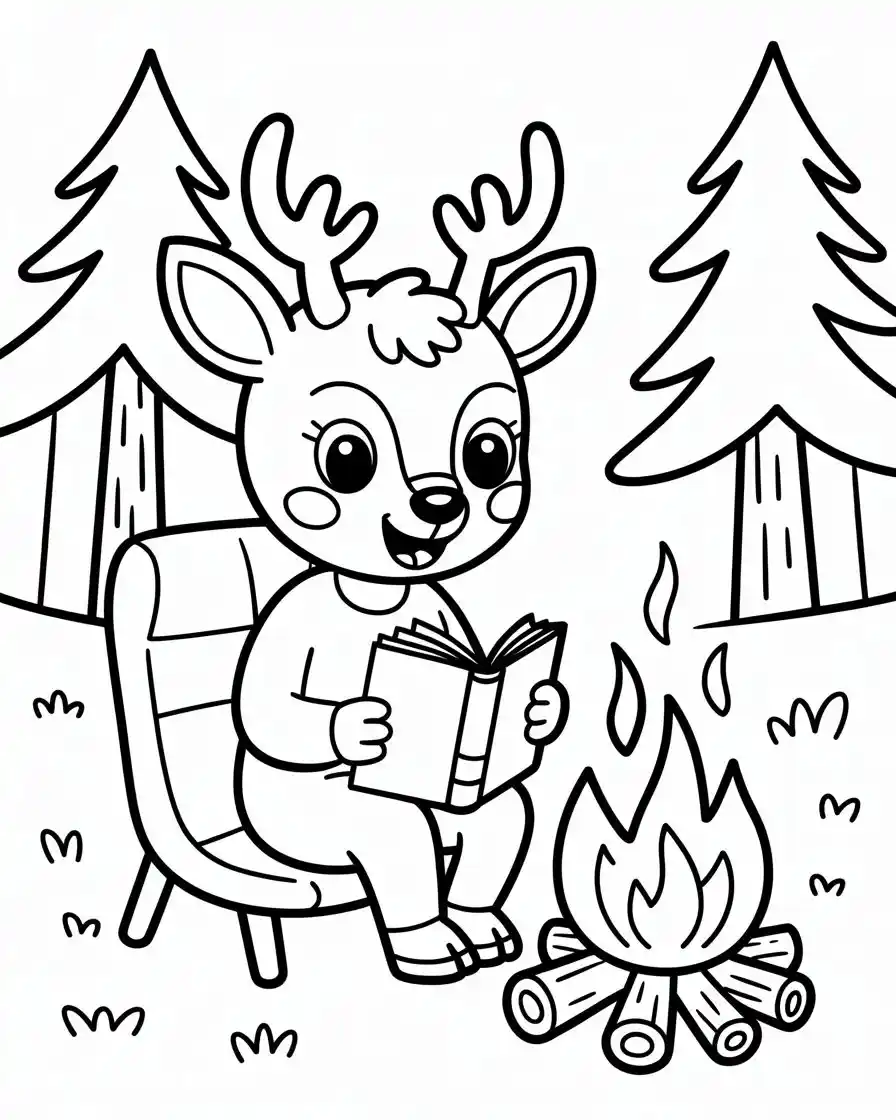
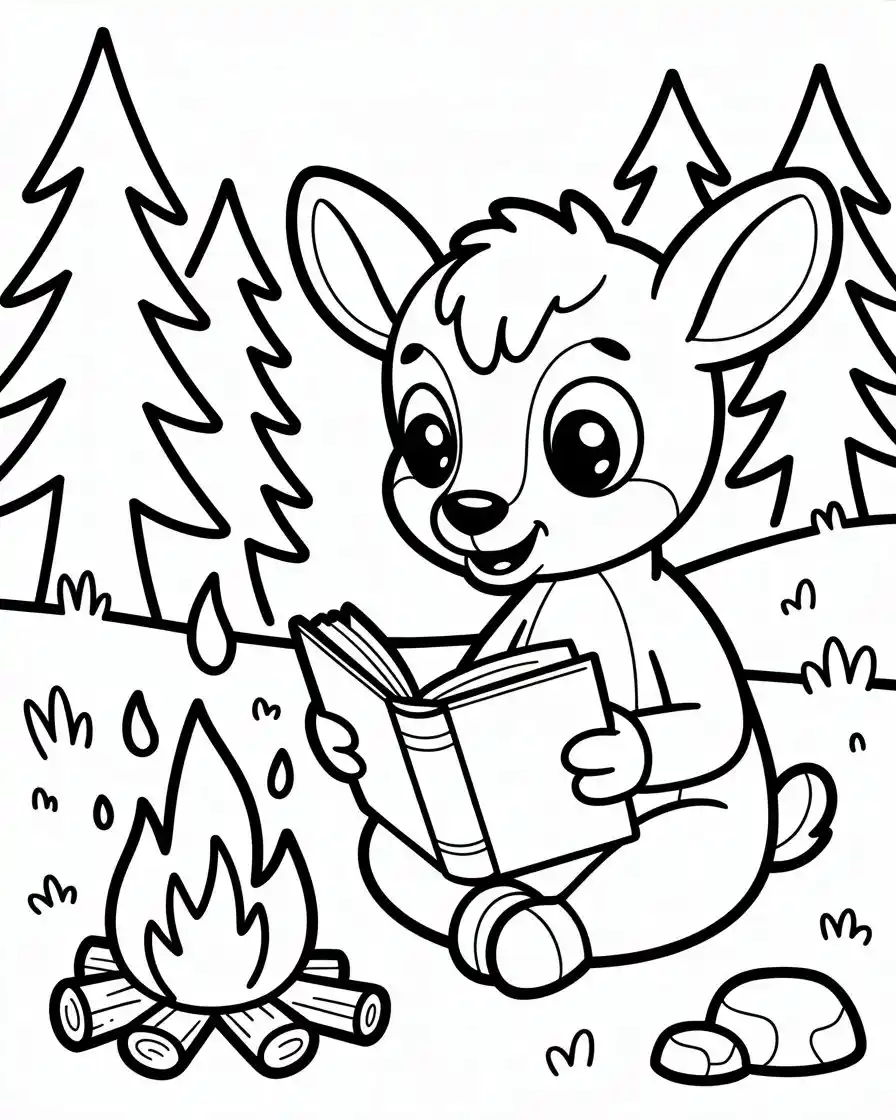
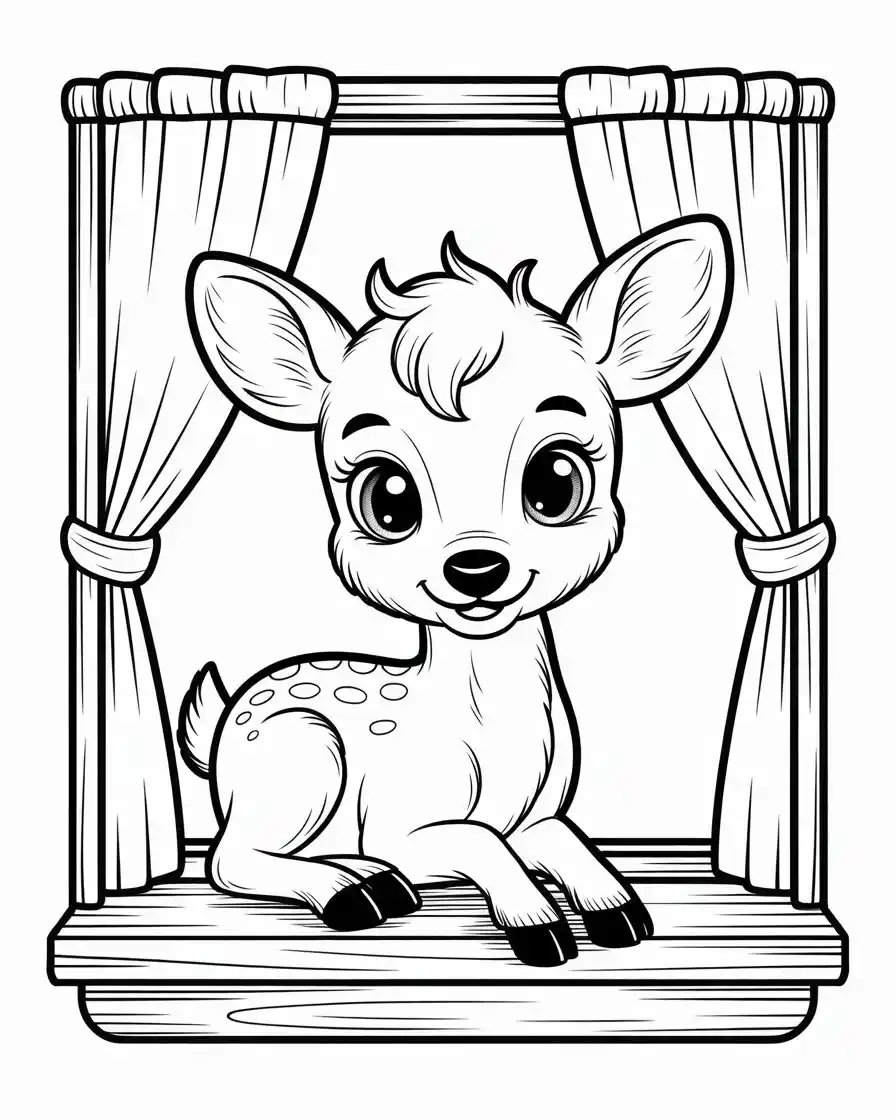
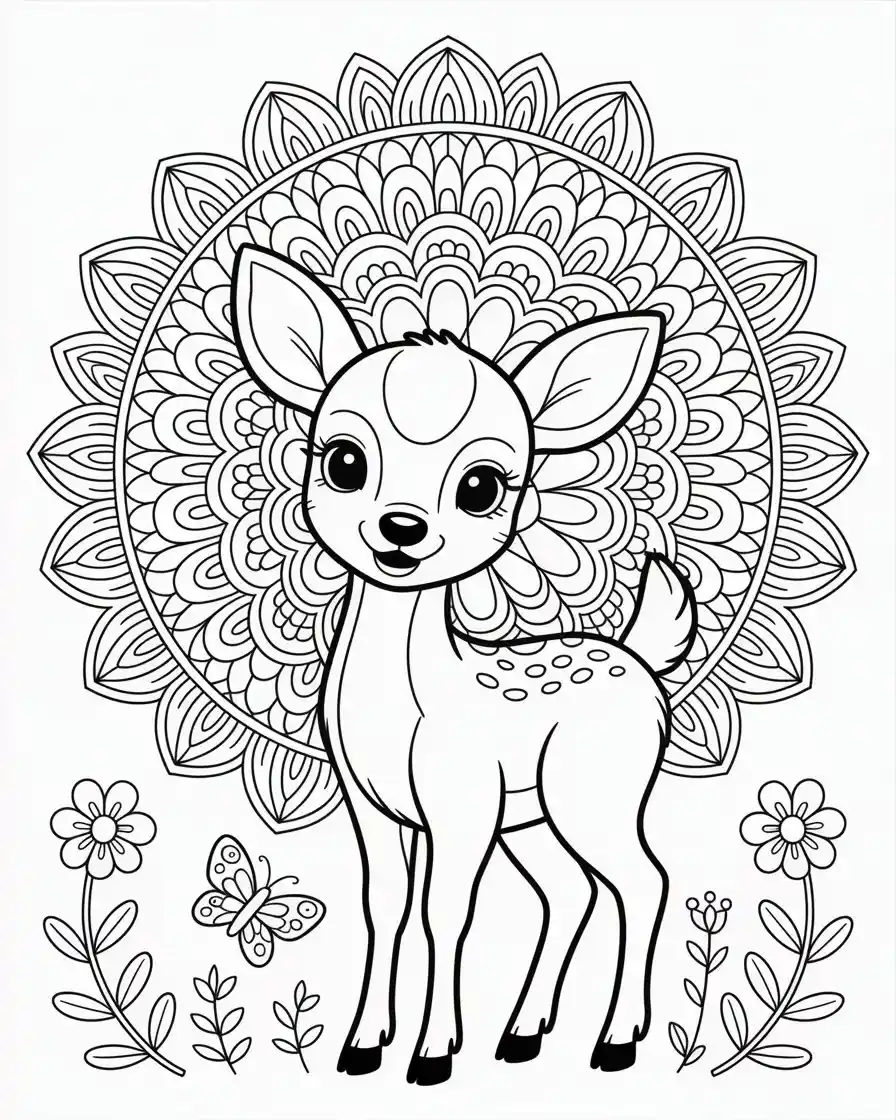
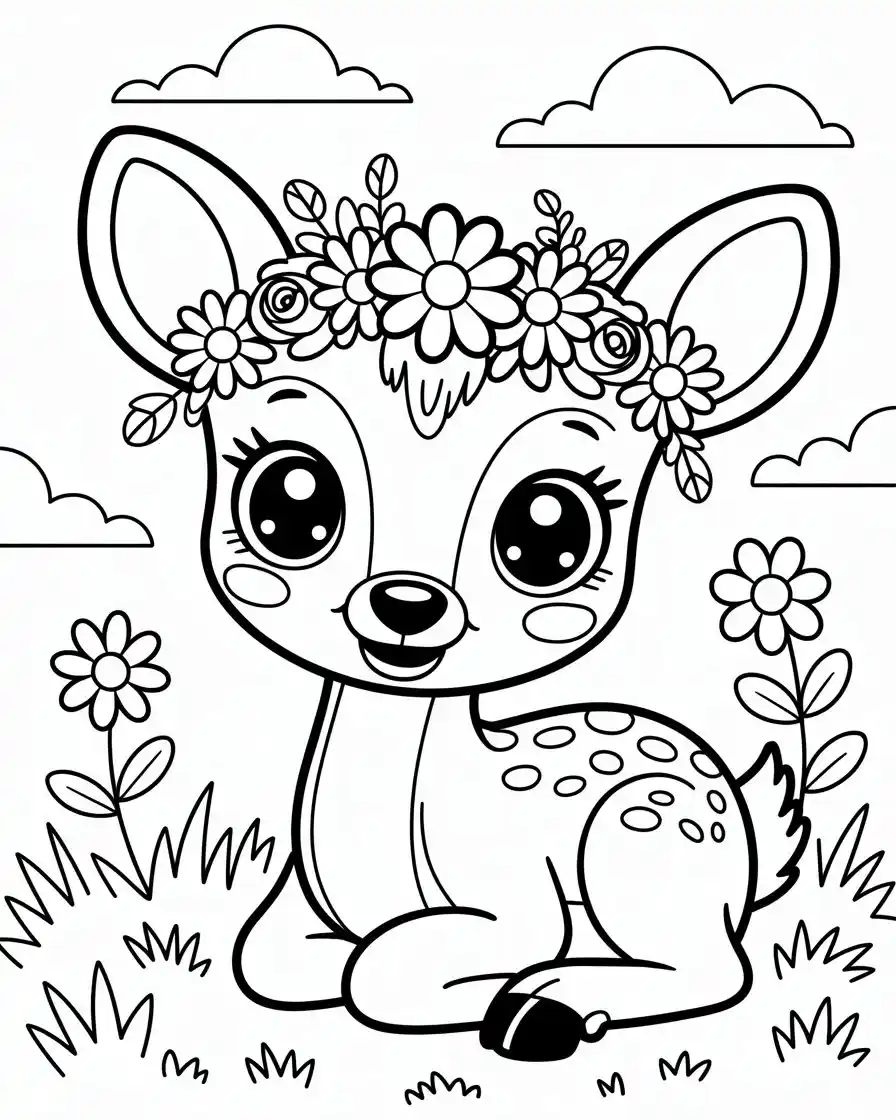
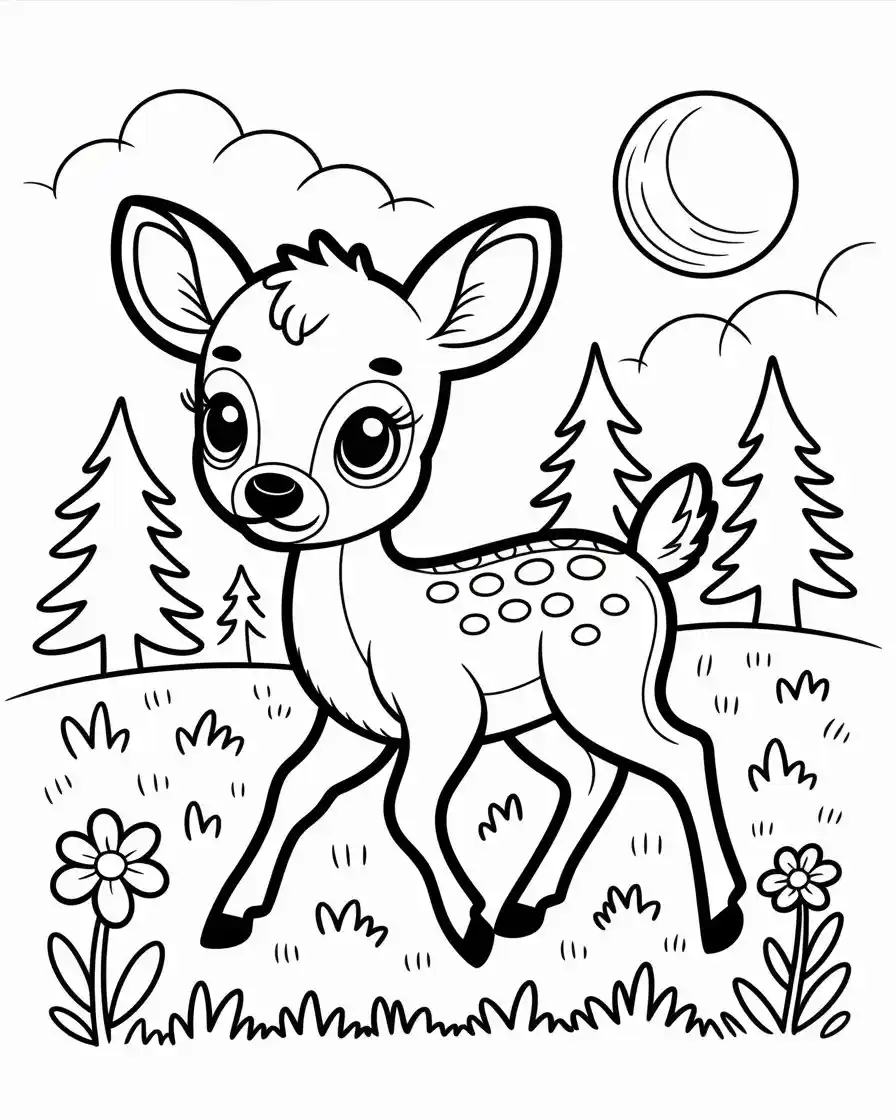
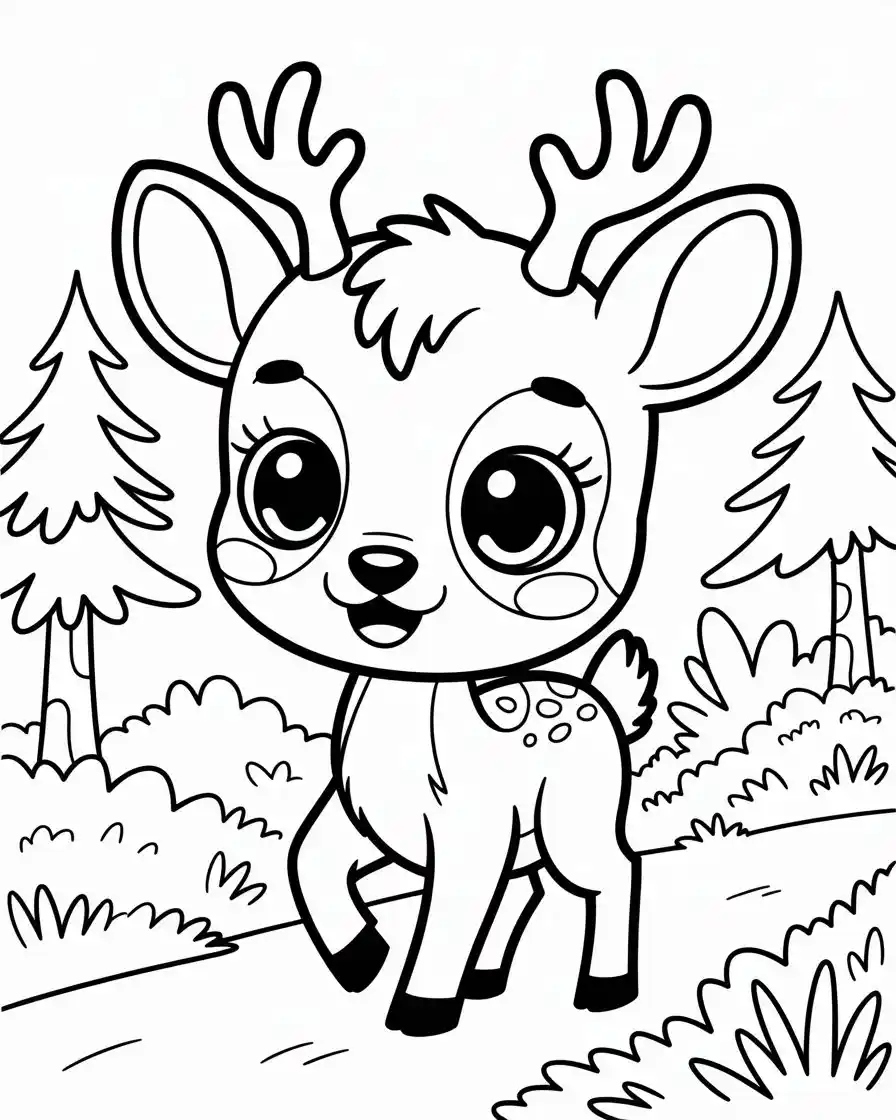
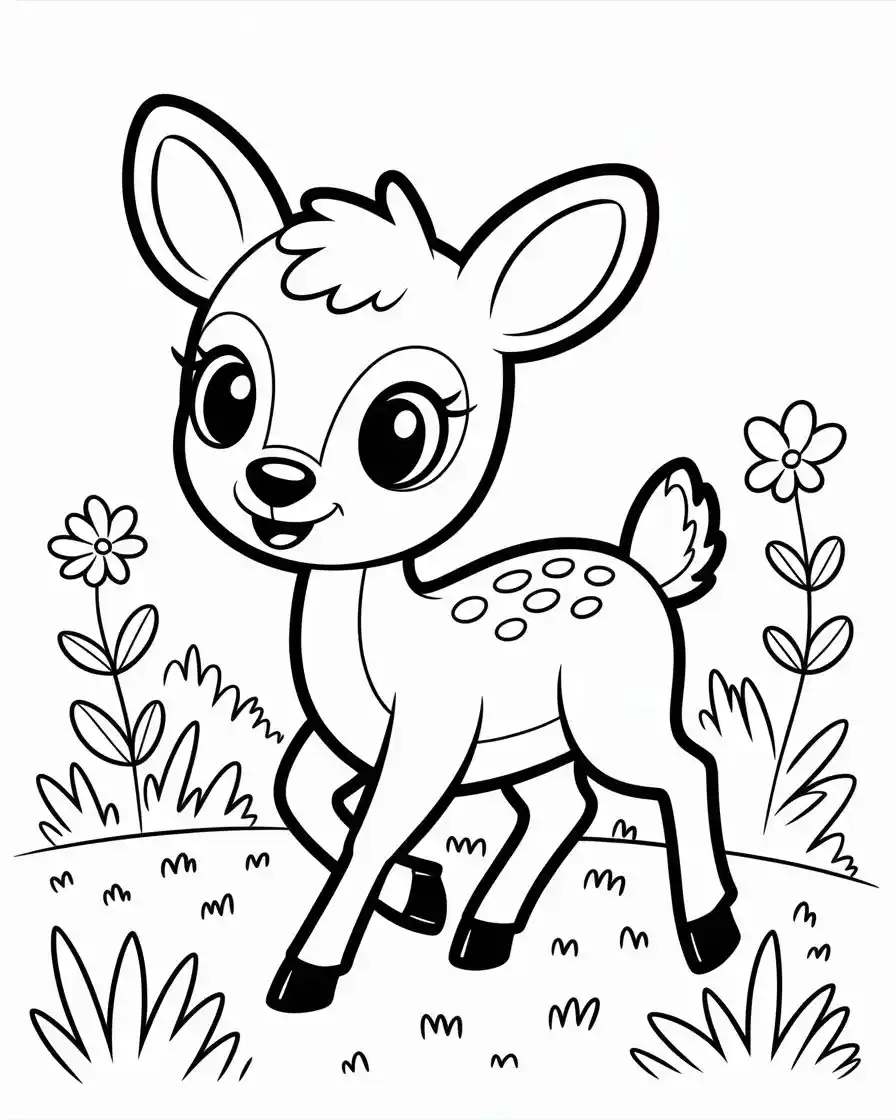
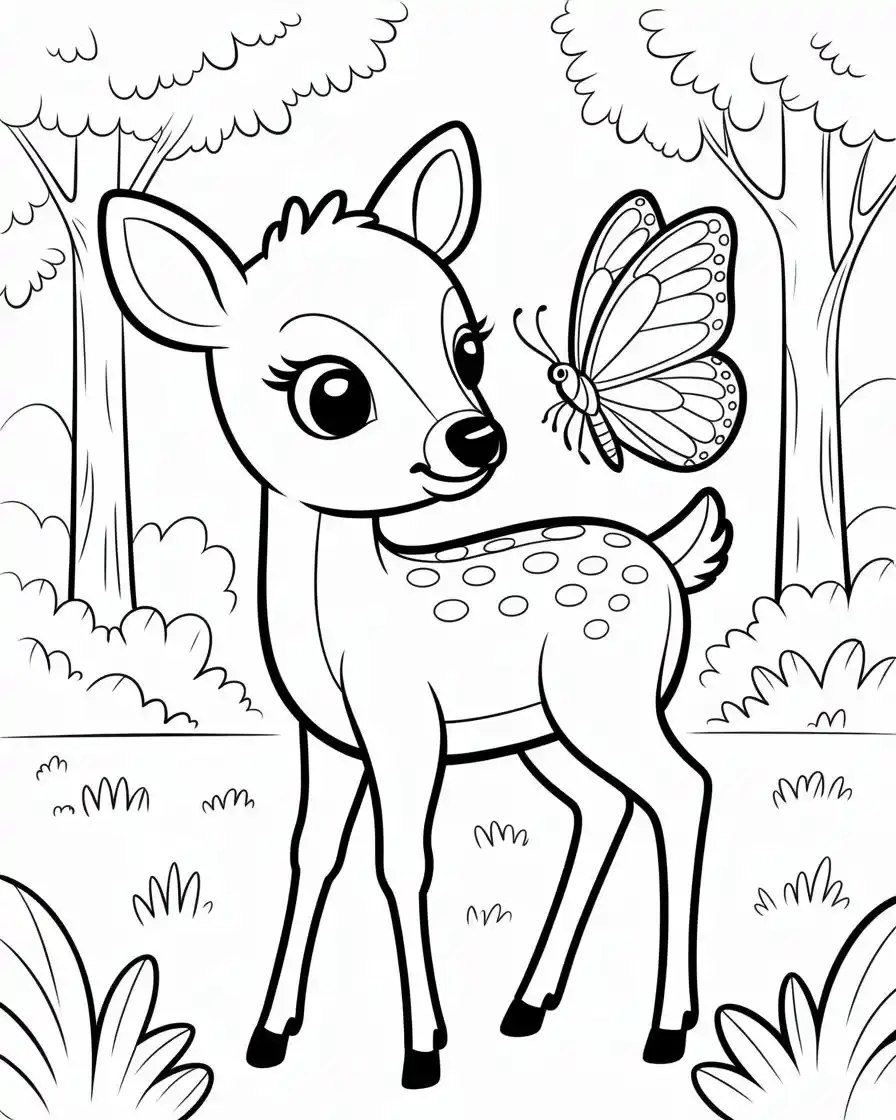
Cute & Baby Fawn Pages: Rounded features, big eyes, and thick outlines built for toddlers and preschoolers who are still developing pencil control.
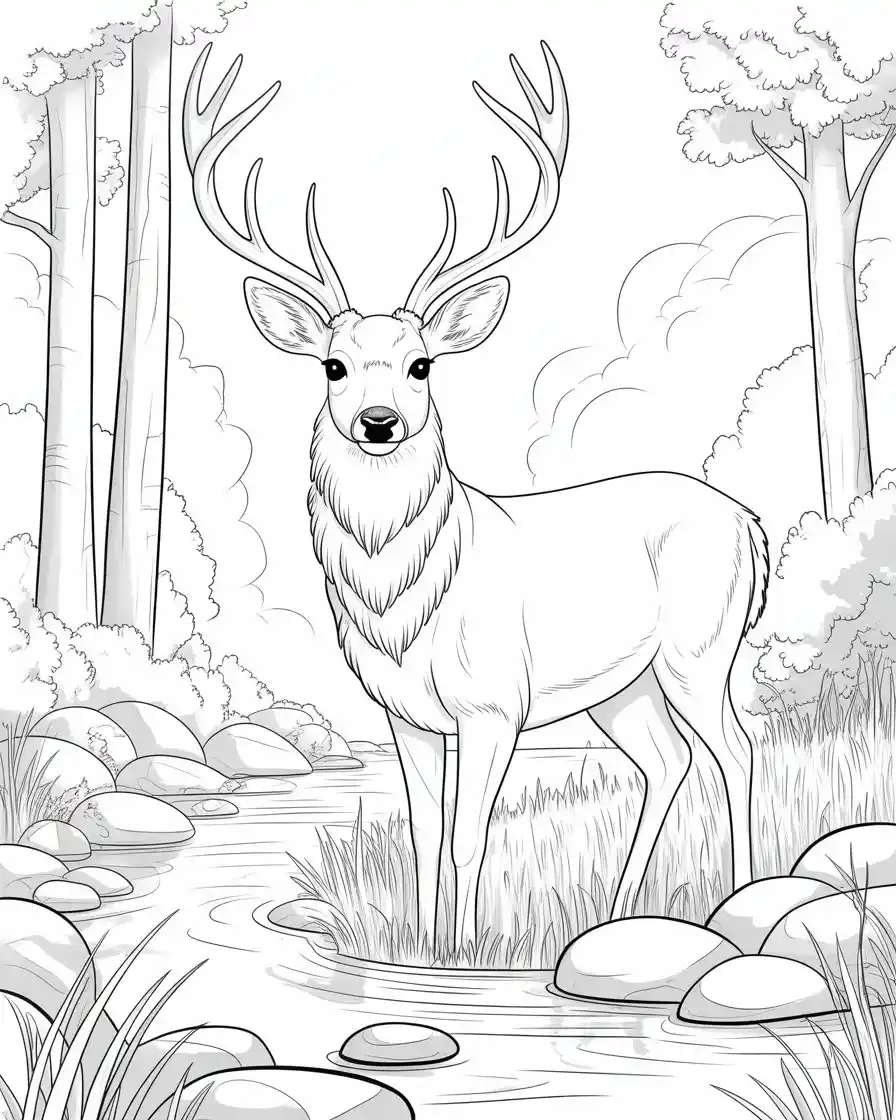
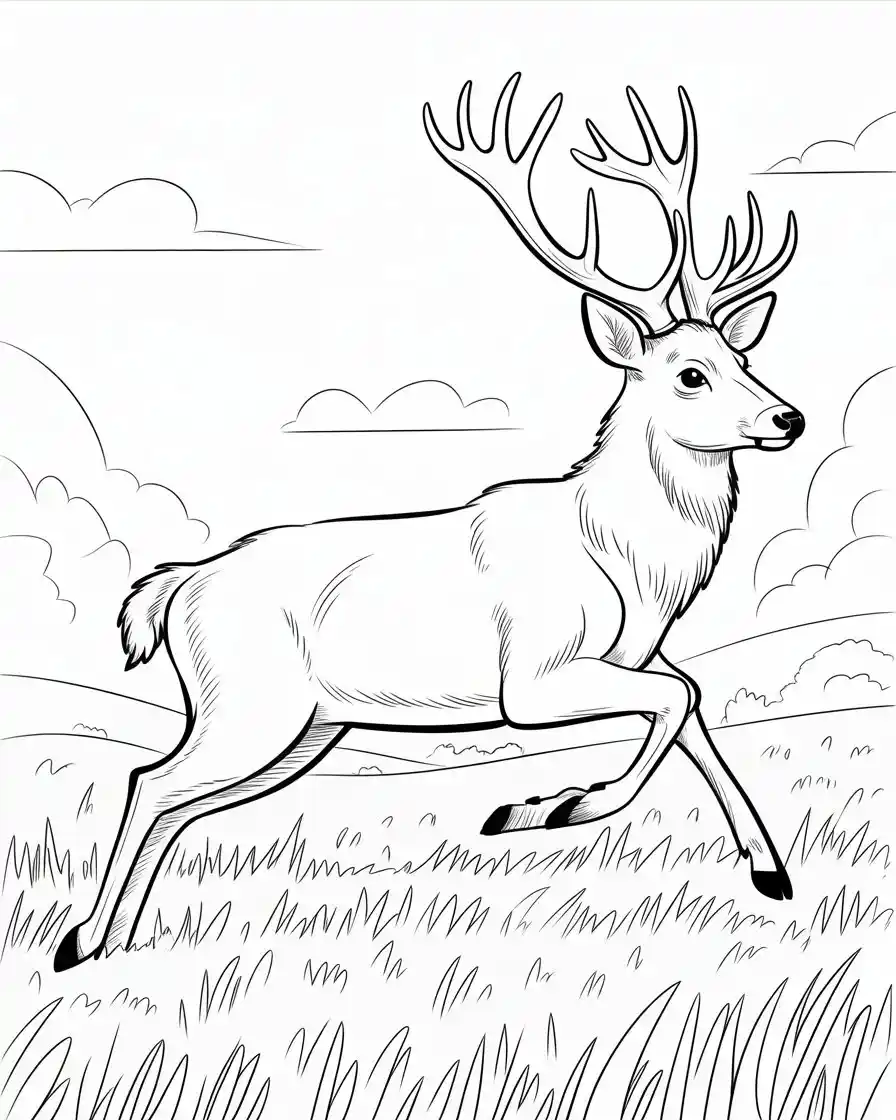
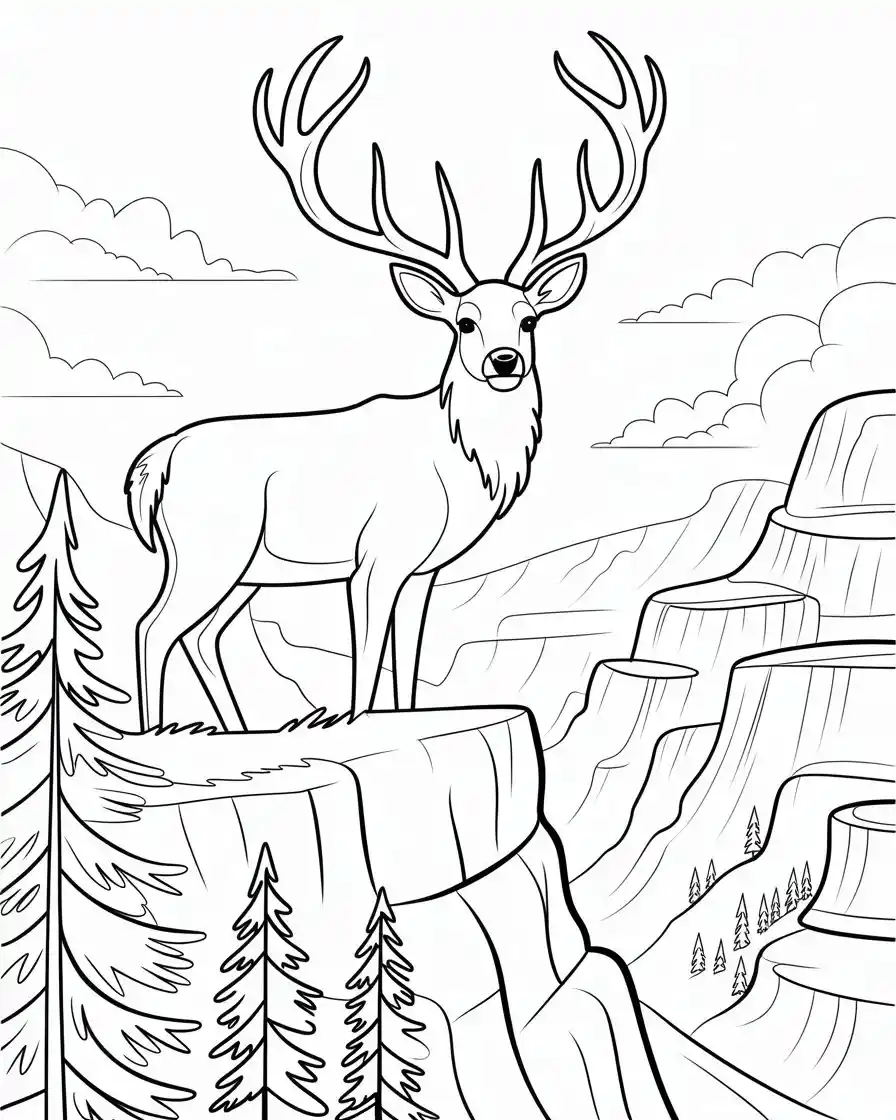
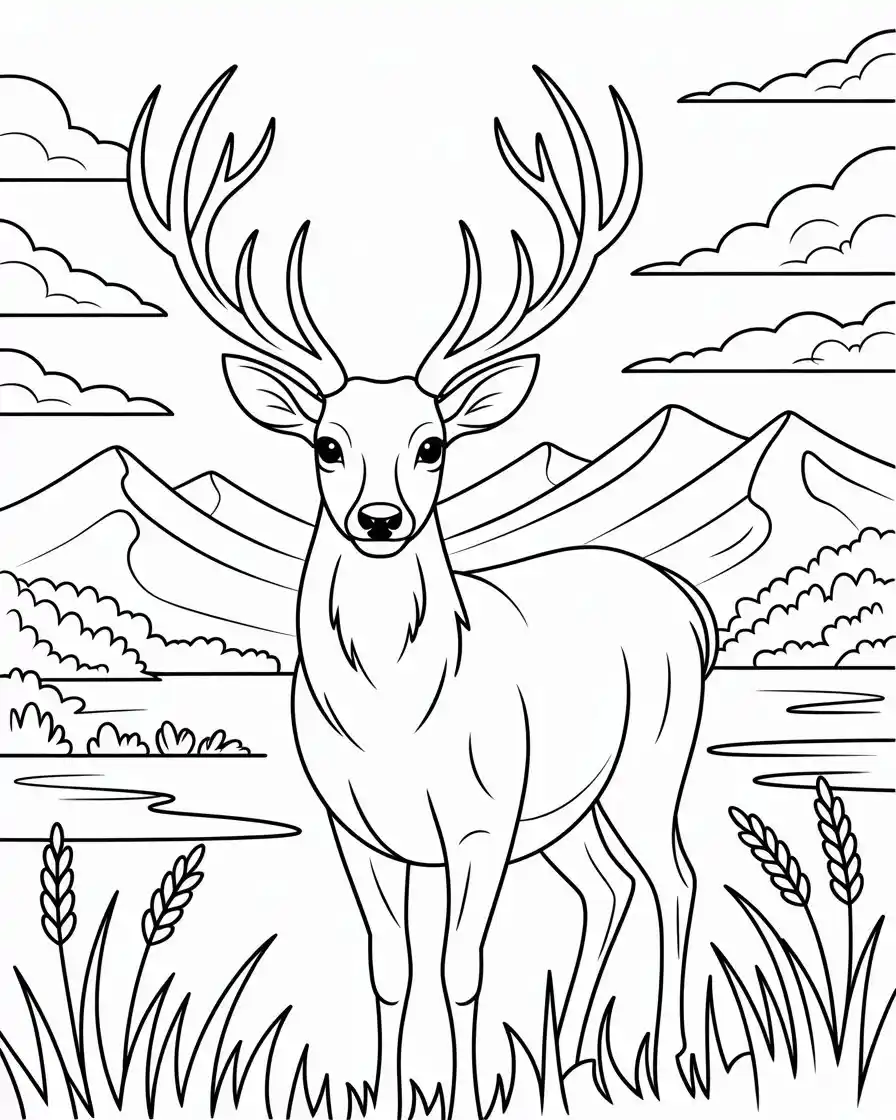
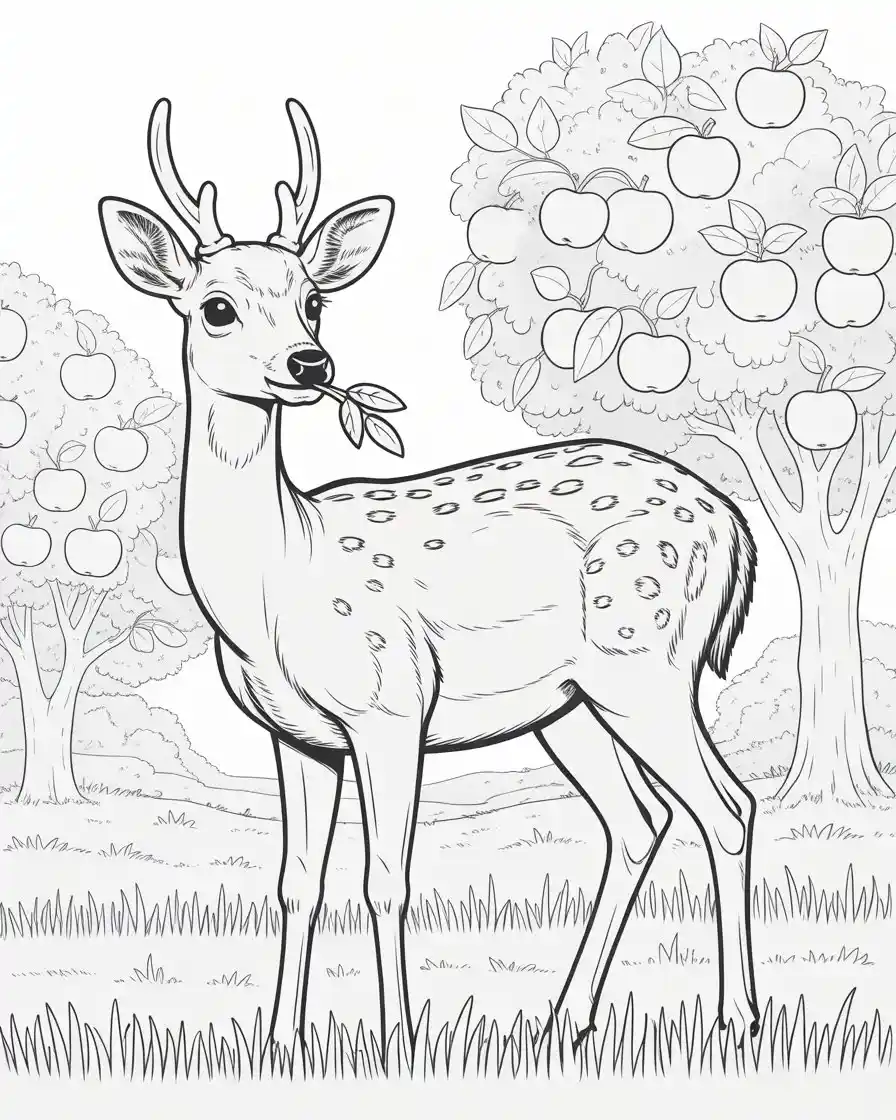
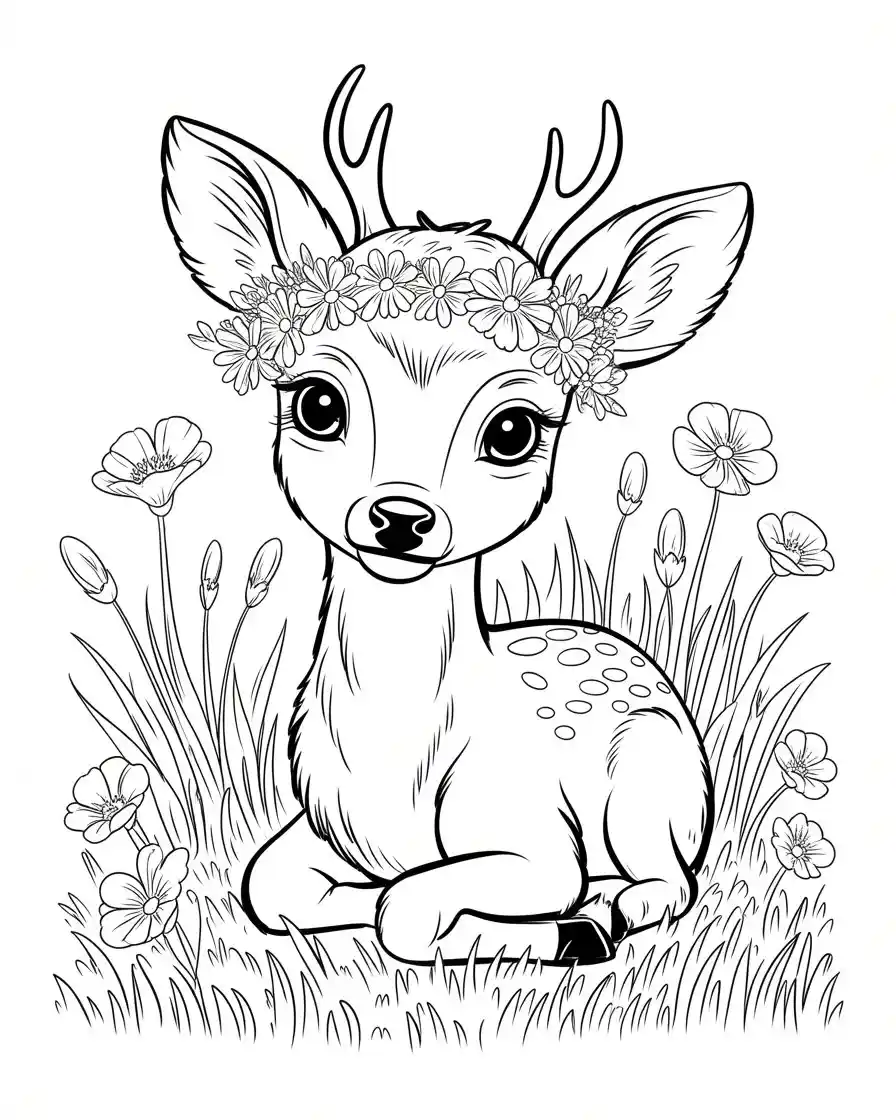
Realistic Whitetail and Mule Deer: Detailed fur texture, accurate antler shape, and a forest or meadow backdrop for older kids and adults who want a longer, more advanced session.
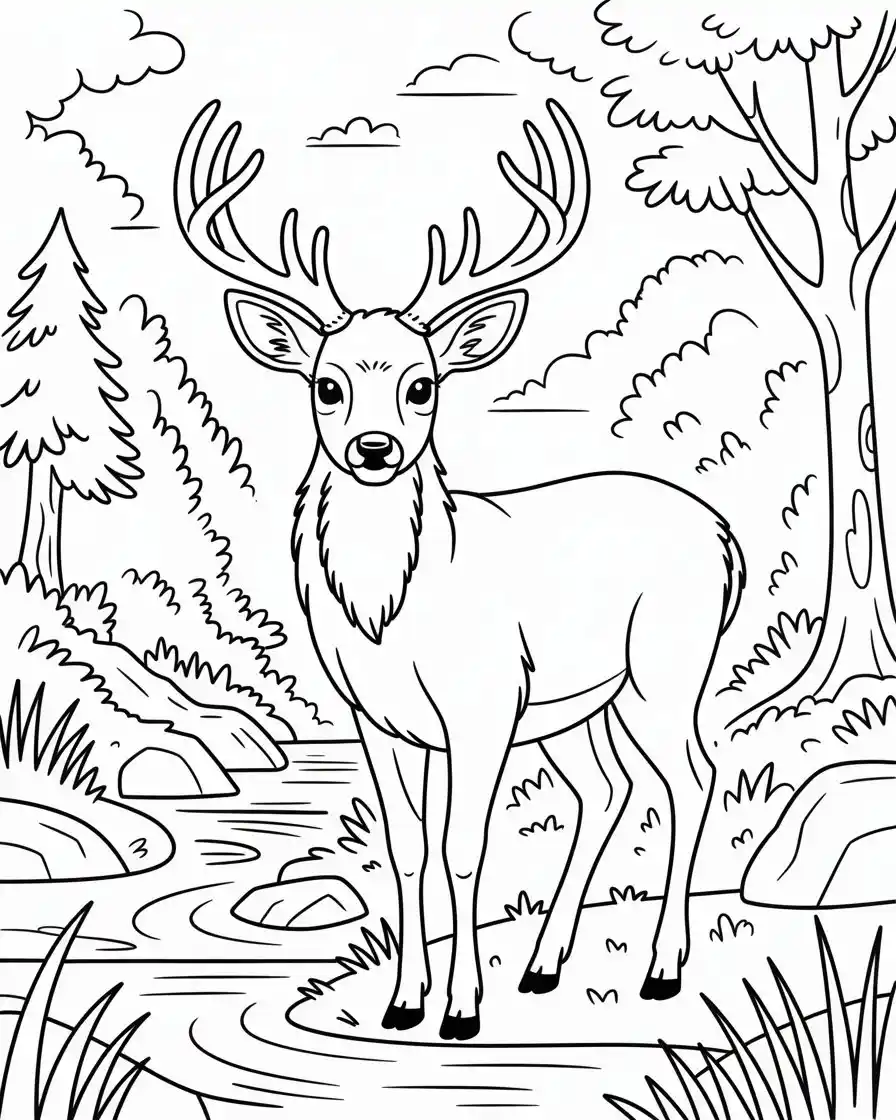
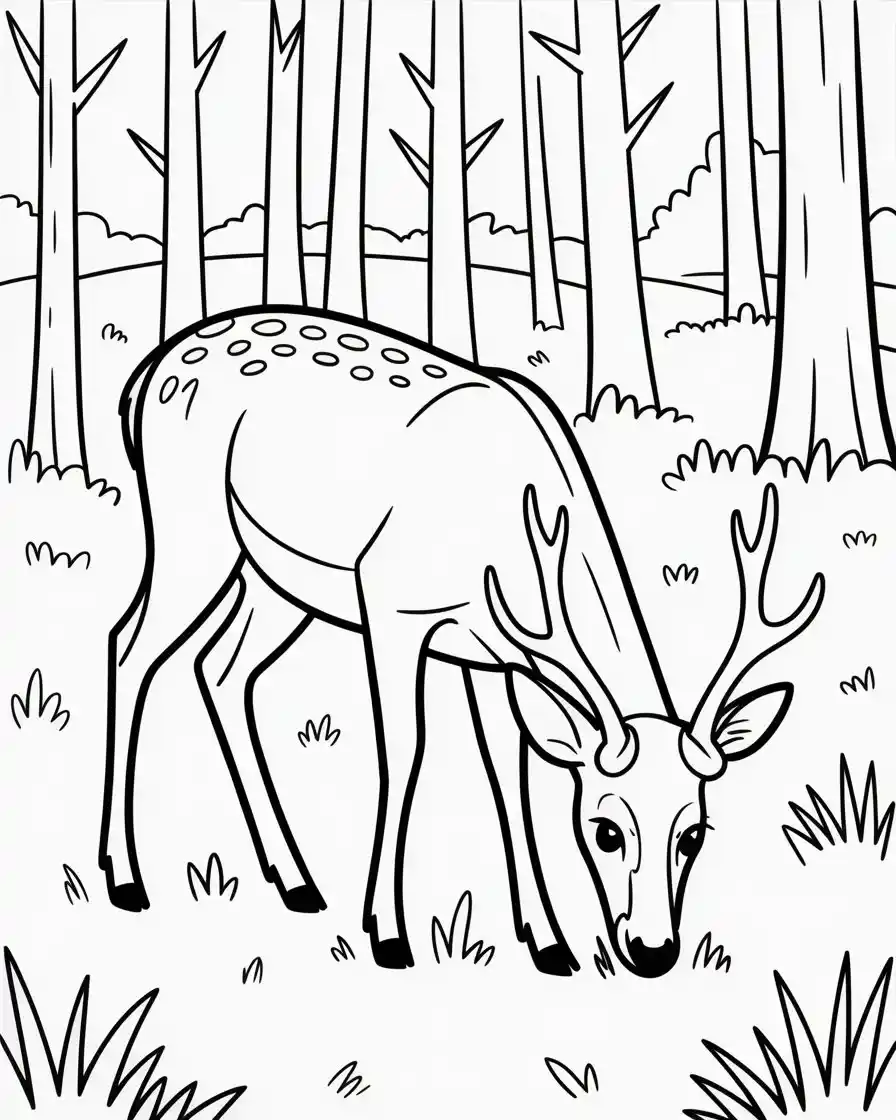
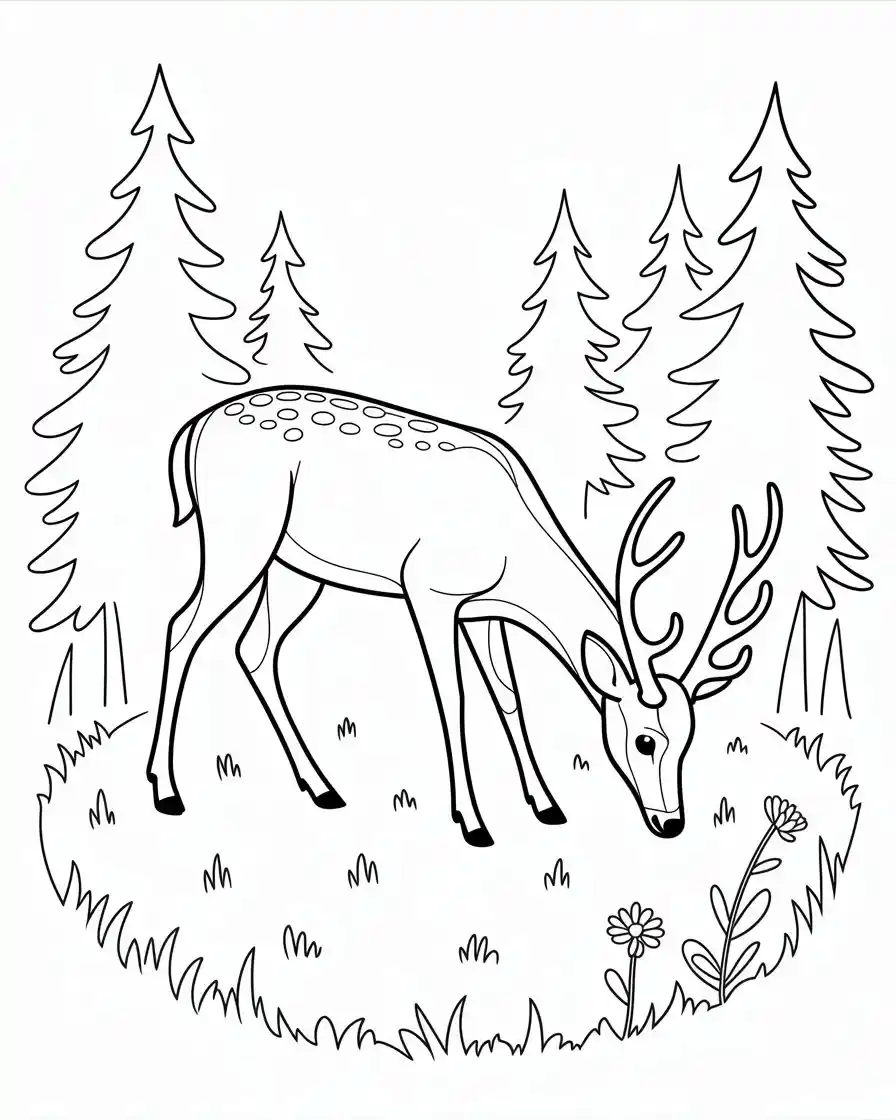
Woodland Scene Pages: A deer shown drinking from a stream, standing among trees, or grazing in a meadow, useful for a broader forest or habitat unit.
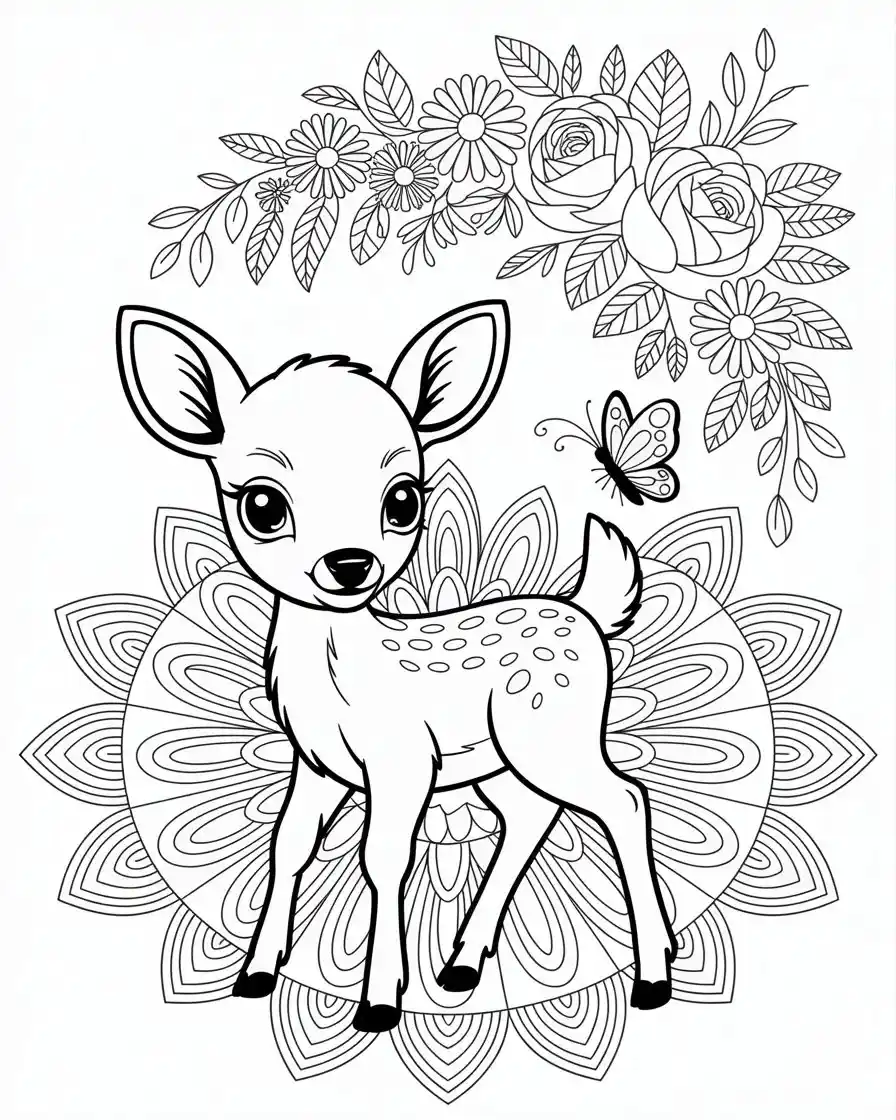
Deer Mandala and Pattern Designs: A deer silhouette worked into a symmetrical, detailed pattern, built for teens and adults who want a calmer, more meditative coloring session.
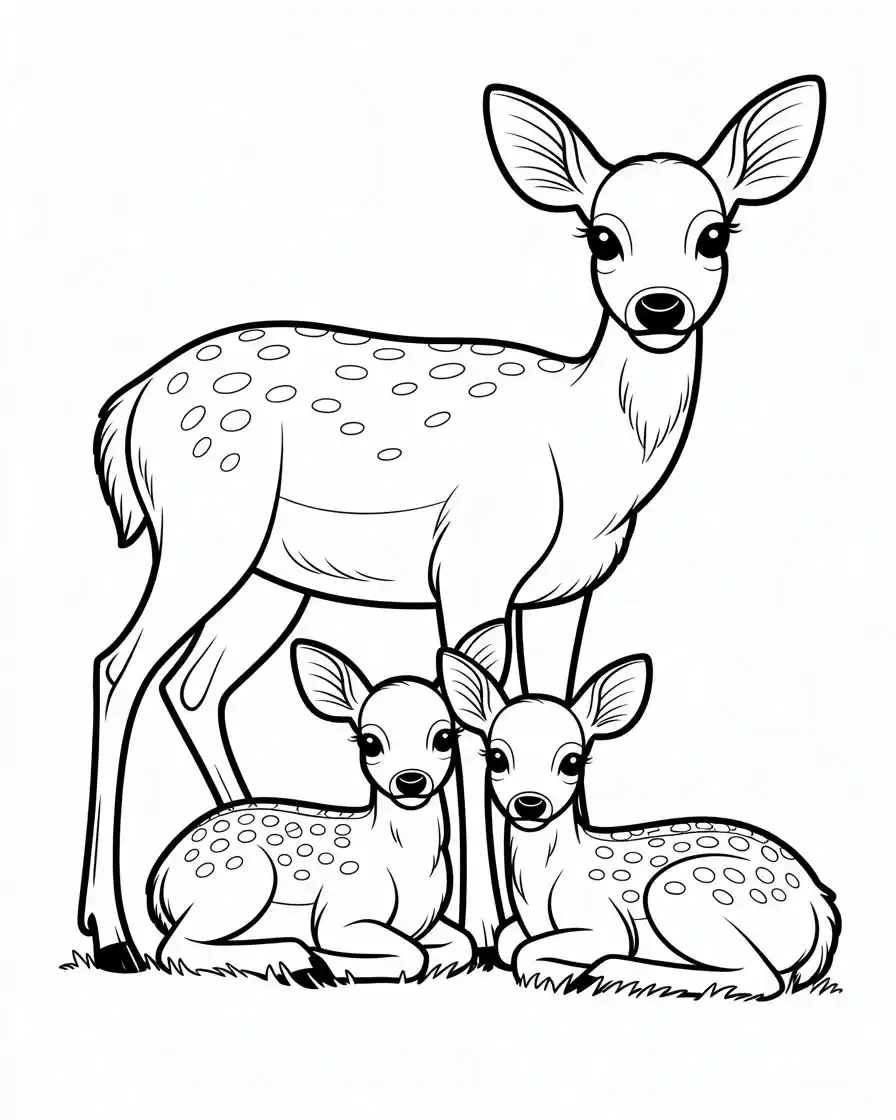
Mother and Fawn Pages: A doe shown alongside her fawn, popular for a gentler, family-themed design that works well for Mother’s Day projects.
A Closer Look at Antlers
Since antlers are one of the most detailed parts of any realistic deer design, they’re worth a closer look before you start coloring. Unlike horns, which are permanent, antlers are grown fresh each year, starting as a soft, blood vessel rich tissue called velvet before hardening into bone by late summer. The number of points on an antler is often mistaken for the deer’s exact age, but it actually depends more on nutrition, genetics, and overall health. When shading a realistic antler in a coloring page, working from a darker base near the skull toward a lighter tip mimics how the bone naturally lightens along its length.
The Yearly Antler Cycle Worth Knowing
Many kids assume antlers are permanent, so this fact tends to surprise them. Most male deer shed their antlers every winter, usually between January and March, once the mating season has passed and testosterone levels drop. New antlers begin growing again by spring, covered in a soft, fuzzy layer called velvet that supplies blood and nutrients to the fast-growing bone underneath. By late summer, the velvet dries up and is rubbed off against trees and branches, revealing the hard, polished antler underneath just in time for the next mating season. Sharing this cycle while coloring gives a simple deer coloring pages activity a bit of real seasonal science.
Deer vs. Elk: A Comparison Worth Knowing
These two members of the deer family get mixed up fairly often, so it’s worth explaining the difference while coloring. Size is the clearest giveaway: elk are considerably larger than most deer species, with bulls often weighing several times more than an average whitetail buck. Antler shape also differs, elk antlers tend to sweep further back and grow noticeably larger and heavier than the antlers of a typical deer. Elk are also more likely to travel and graze in large herds, while deer, especially whitetail, tend to stay in smaller family groups or alone outside of mating season. Pointing out the size difference alone is usually enough for a child to correctly identify either animal going forward.
Best Deer Designs by Age Group
Whether you’re after deer coloring pages for kids just starting with crayons or a detailed mandala from the deer coloring pages for adults section, this table breaks down what tends to work best at each stage.
| Age Group | Best Fit | Why |
| Preschool (2–4 years) | Cute & Baby Fawn Pages | Simple, rounded shapes suit early crayon grip |
| Early Elementary (5–8 years) | Mother and Fawn Pages | Familiar, gentle subject holds attention |
| Older Kids (9–12 years) | Realistic Whitetail and Mule Deer | Antler and fur detail rewards developing patience |
| Teens & Adults | Deer Mandala and Pattern Designs | Intricate pattern supports a longer, calmer session |
The Real Value Behind a Simple Coloring Session
Coloring offers real developmental value alongside being an easy, low-cost activity. For younger children, holding a crayon and staying within an outline builds the same fine motor control and grip strength used later for handwriting, which is part of why the activity is so common in preschool routines. Choosing colors and shading a detailed antler rack also demands a level of sustained focus that’s genuinely useful practice for a young attention span. For teens and adults, a slow, pattern-heavy mandala design offers a different kind of value; many people enjoy this kind of repetitive, detailed shading as a quiet, low key hobby.
Coloring Techniques That Suit a Deer’s Coat
A deer’s coat isn’t a single flat brown, and a little layering makes a real difference in the finished result. Try a warm tan or light reddish brown as the base coat, then add a darker brown along the back, legs, and face for shading, since real deer are noticeably lighter on their underside and darker along the spine. For the white tail and belly, leave the paper blank or use a very pale cream rather than plain white. Colored pencils give the most control for blending these transitions smoothly, while markers work well for a bolder, faster result on the simpler cute and fawn designs.
Who Actually Looks for These Pages
Not everyone downloading deer coloring pages wants the same thing. A parent looking for something free and simple for a rainy afternoon usually just wants a quick, easy fawn design to grab and print, while a teacher preparing a forest-unit worksheet wants pages that photocopy cleanly in black and white. Parents of toddlers tend to head straight for the cute, simplified styles, since bold outlines are easier for small hands to manage, while adults after a slower, more detailed session usually get more out of the realistic and mandala designs.
What Kids Do With a Finished Deer
A colored deer design doesn’t have to end up in a drawer. Younger kids often enjoy cutting out a favorite fawn design to use as a bookmark or gift tag, while a detailed realistic buck works well framed for a bedroom or nursery wall. In a classroom setting, having each student color their own deer and grouping the results together makes an easy, low-effort bulletin board for a forest or habitat unit, and it naturally opens a conversation about camouflage, antler growth, and how deer survive through winter.
Steps to Print a Deer Sheet at Home
- Click a design to open the full PDF in a new tab.
- Print at 100% scale rather than “fit to page” to avoid thinning out fine antler and fur detail.
- Use standard printer paper for crayon or light pencil work.
- Switch to cardstock if markers or watercolor pencils will be used, since thinner paper lets ink bleed through quickly.
- Every deer coloring pages in this set works on both US Letter and A4 paper without any stretching or cropping.
Frequently asked questions about Deer coloring pages
Explore More Animal Coloring Pages
If you enjoyed this collection, a few related pages worth checking out include [Reindeer Coloring Pages], [Rabbit Coloring Pages], [Cow Coloring Pages], and [Wolf Coloring Pages], all free, printable, and ready to download.