Whale Coloring Pages for Kids and Adults
Whale coloring pages give kids a simple way to explore ocean animals through designs featuring humpback whales, orcas, blue whales, belugas, and more. A whale is one of the few animals that manages to be both enormous and gentle at the same time, which is probably why kids keep asking for more whale pages long after they’ve filled in every fish and turtle in the house. This collection covers the animal from a few different angles: a classic humpback breaching the surface, a sleek orca with its black-and-white pattern, a whale shark drifting near the seabed, and a simplified baby whale sized for smaller hands. Most designs here feature true whales, while the whale shark is included as a popular ocean animal that carries “whale” in its name even though it belongs to the shark family. Some designs use thick, bold outlines for toddlers and preschoolers, while others add texture like barnacles, water spray, and wave patterns for older kids who want more detail to work with.

What’s Included in This Collection
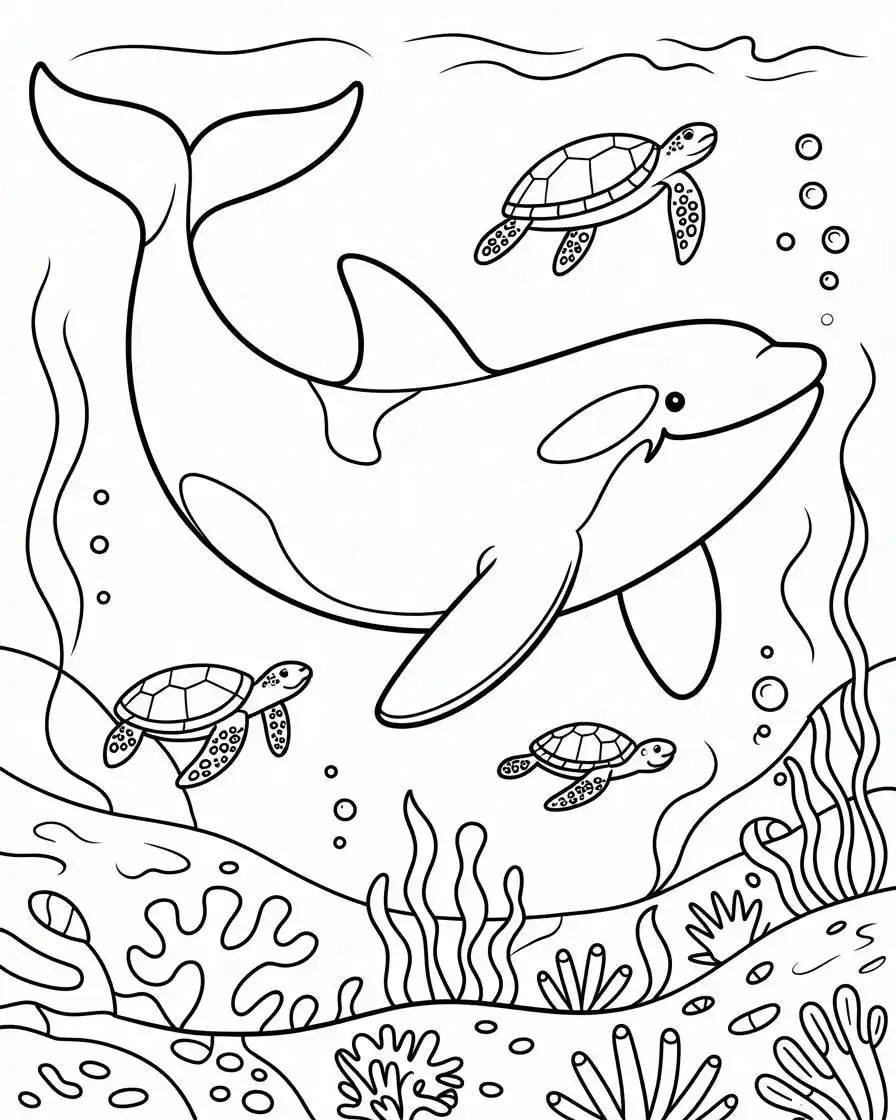
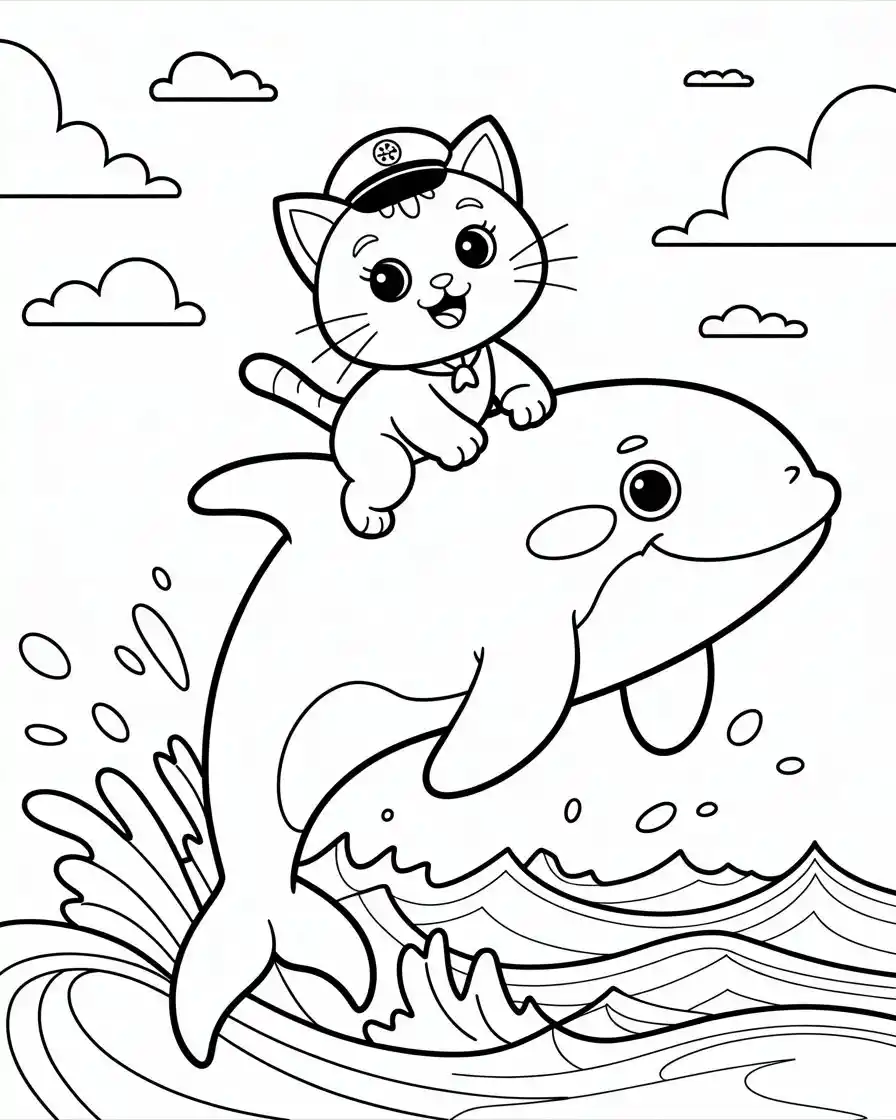
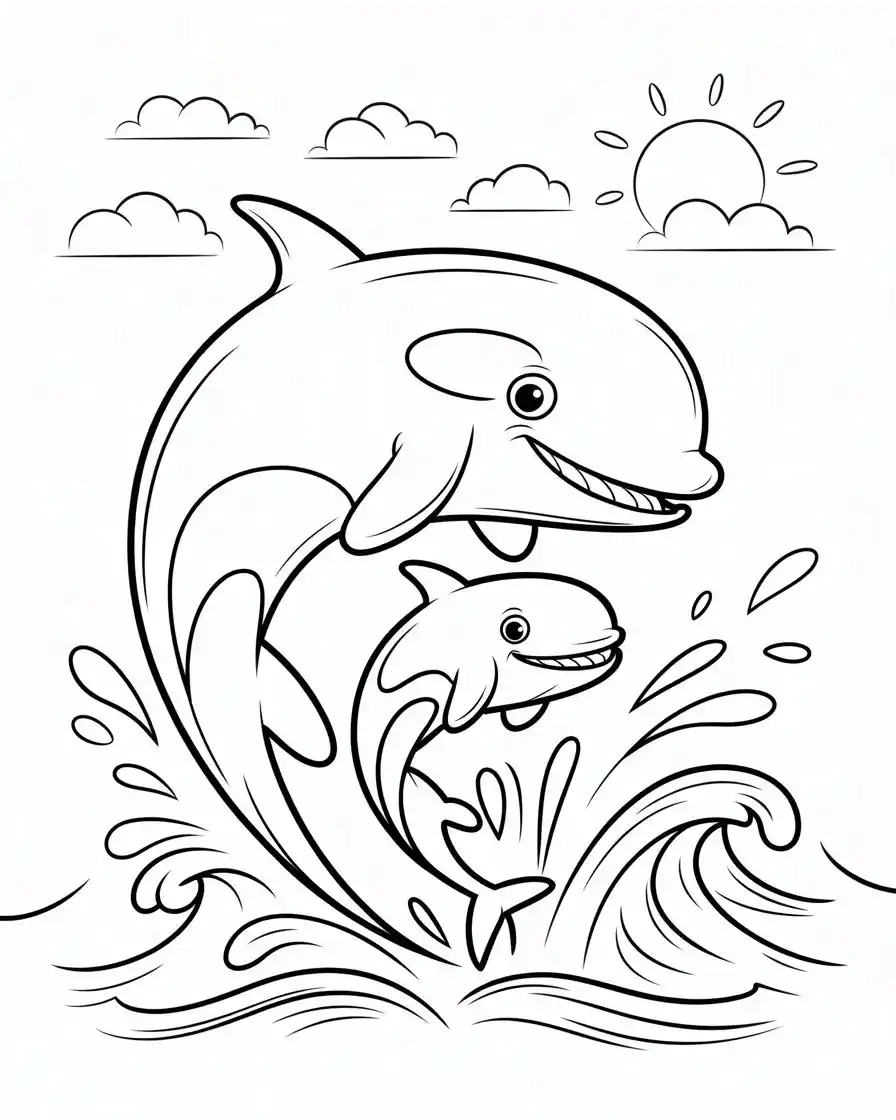
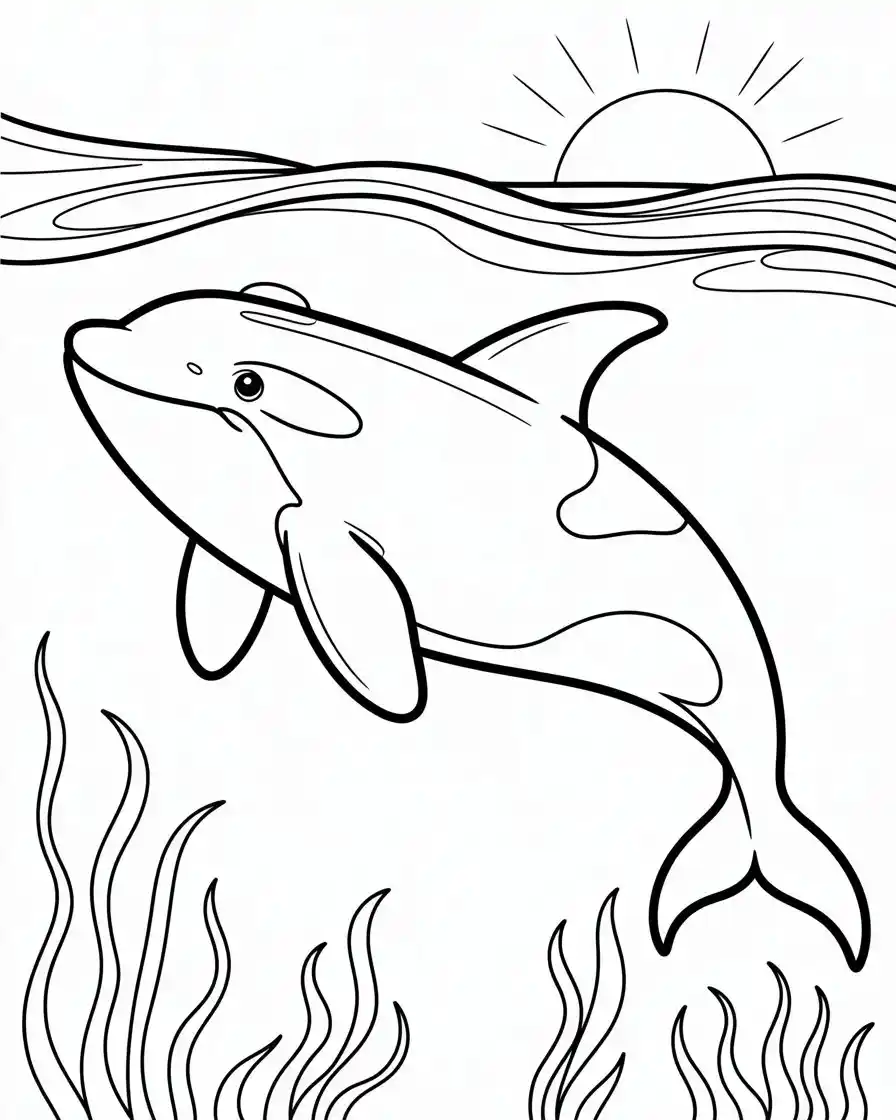
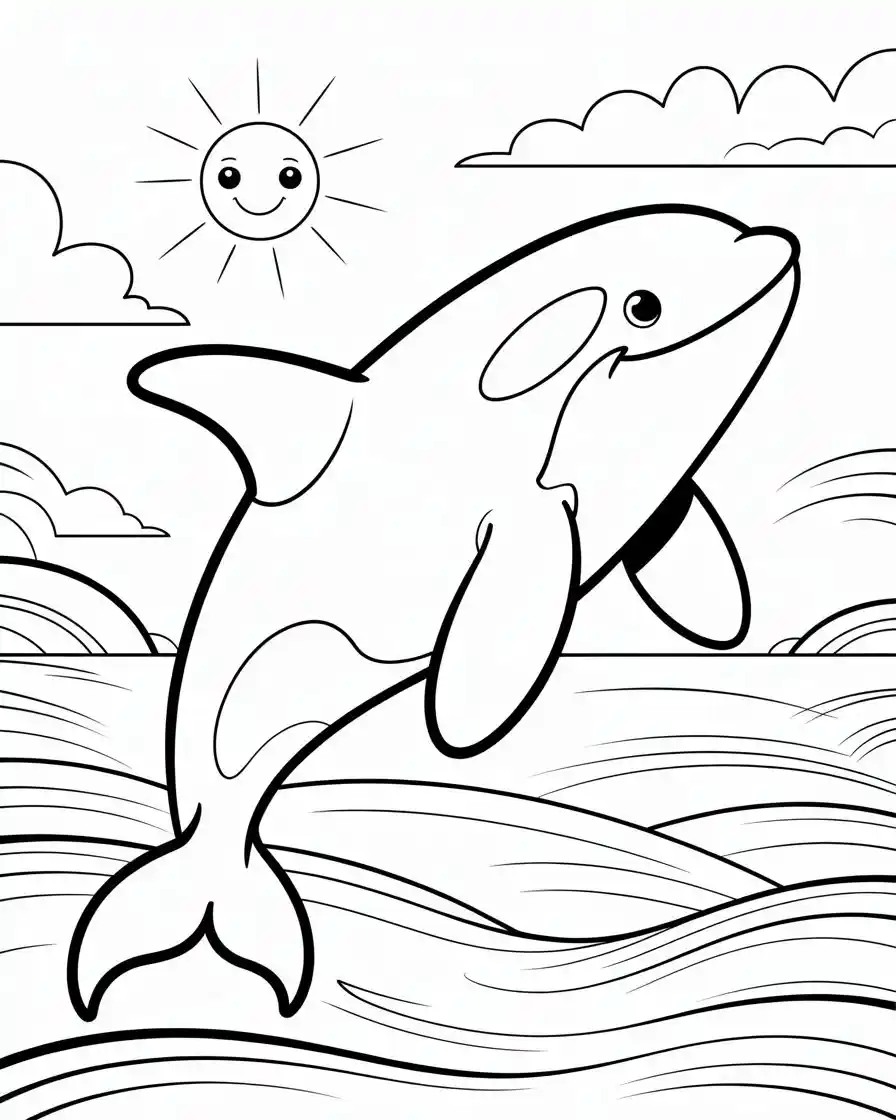
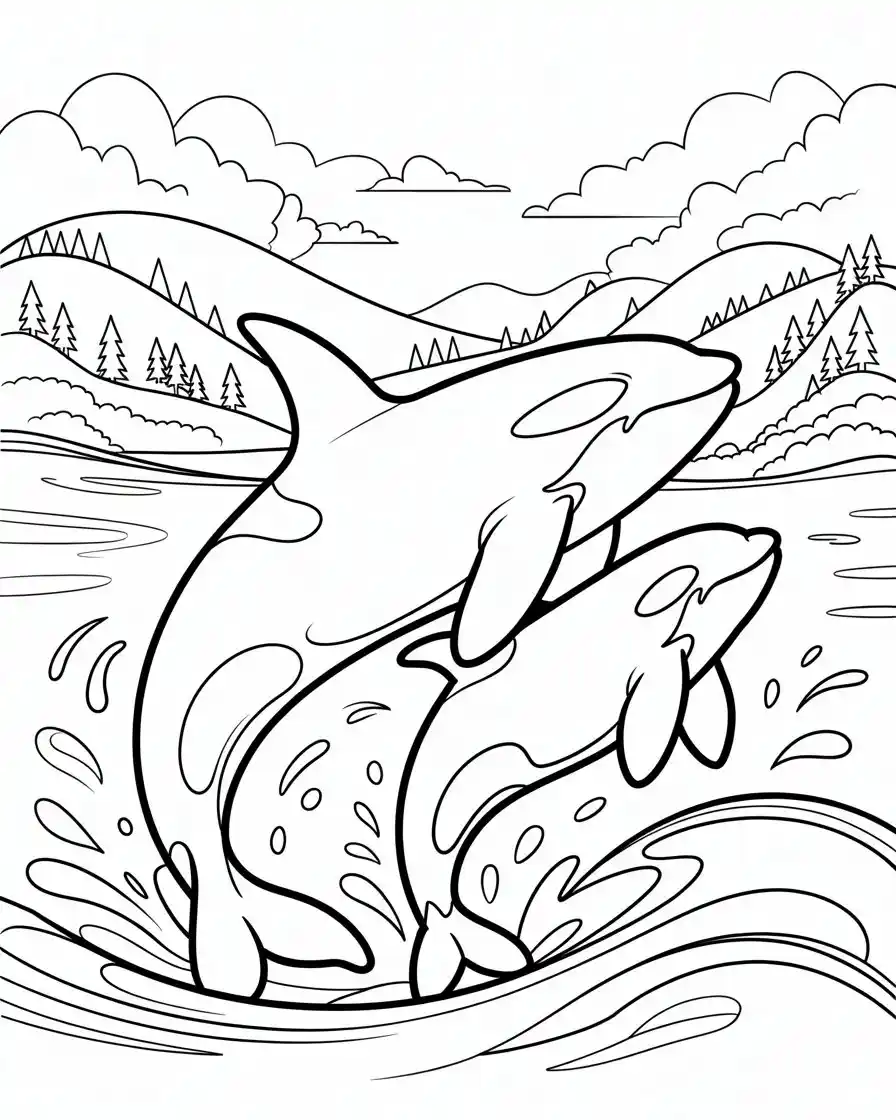
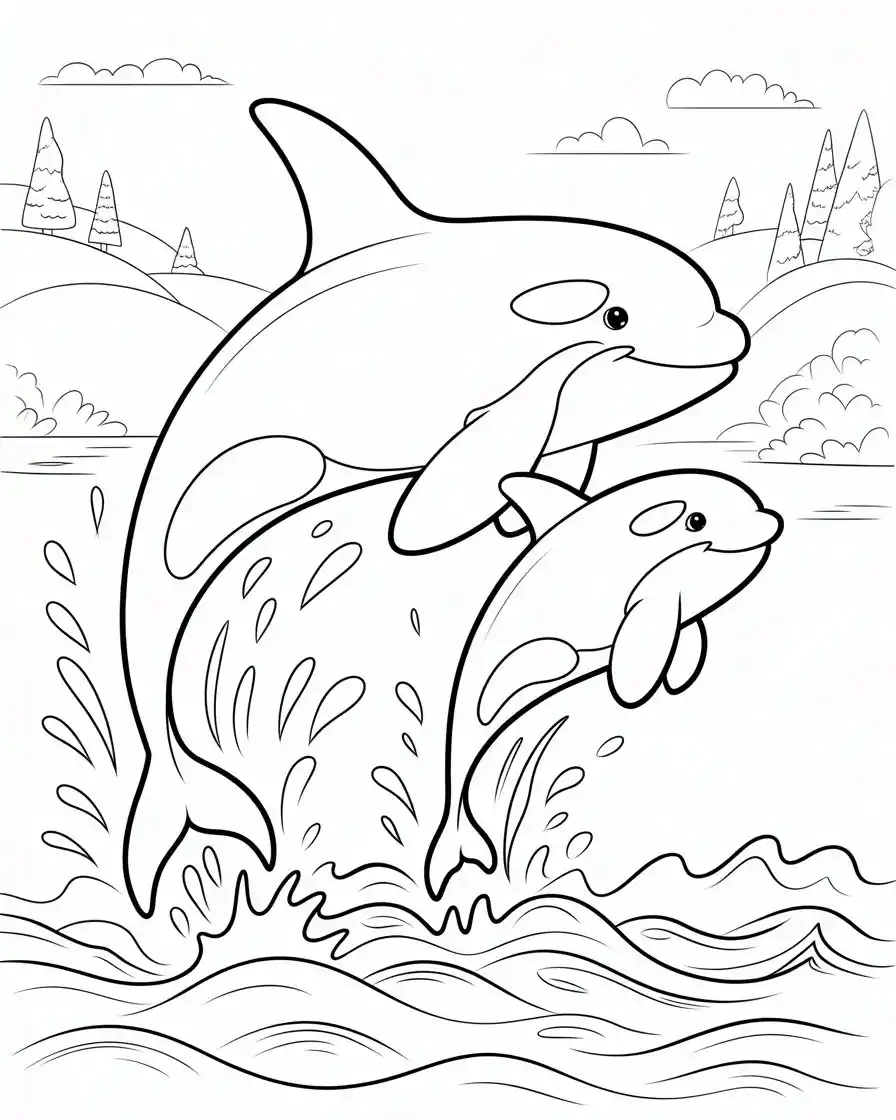
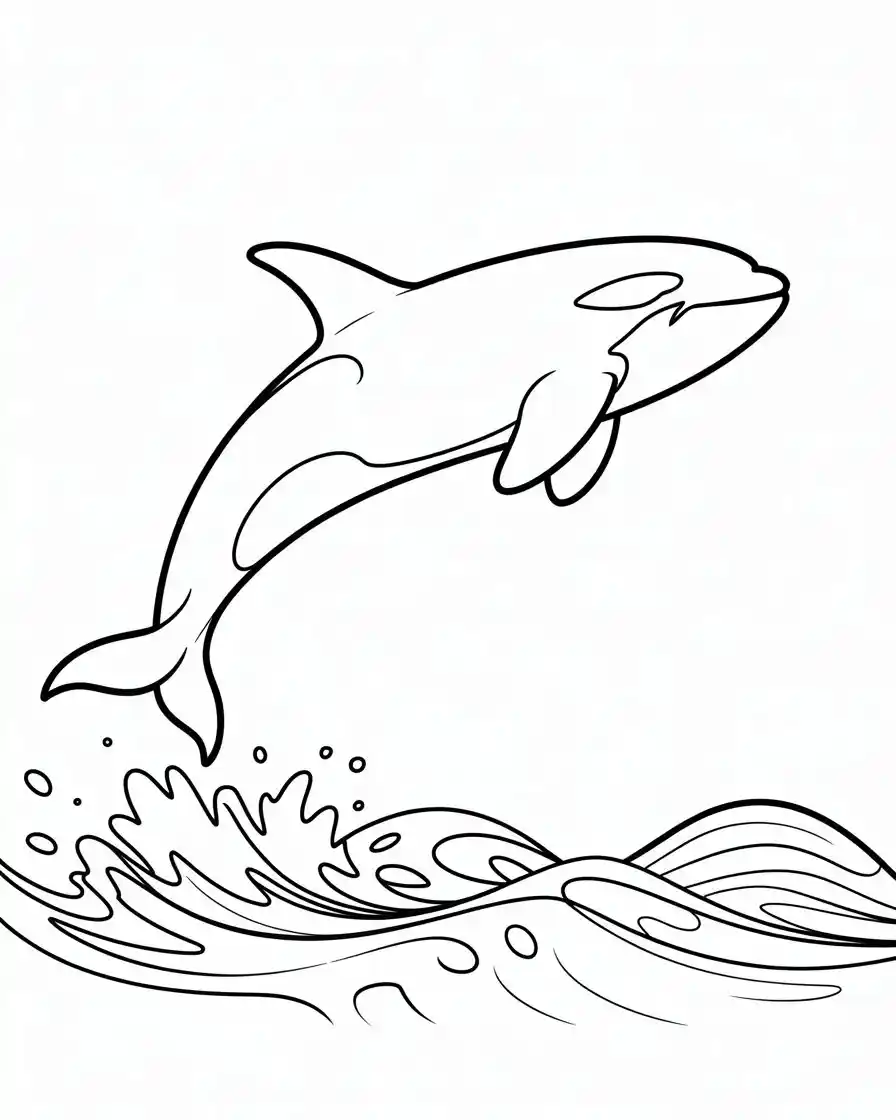
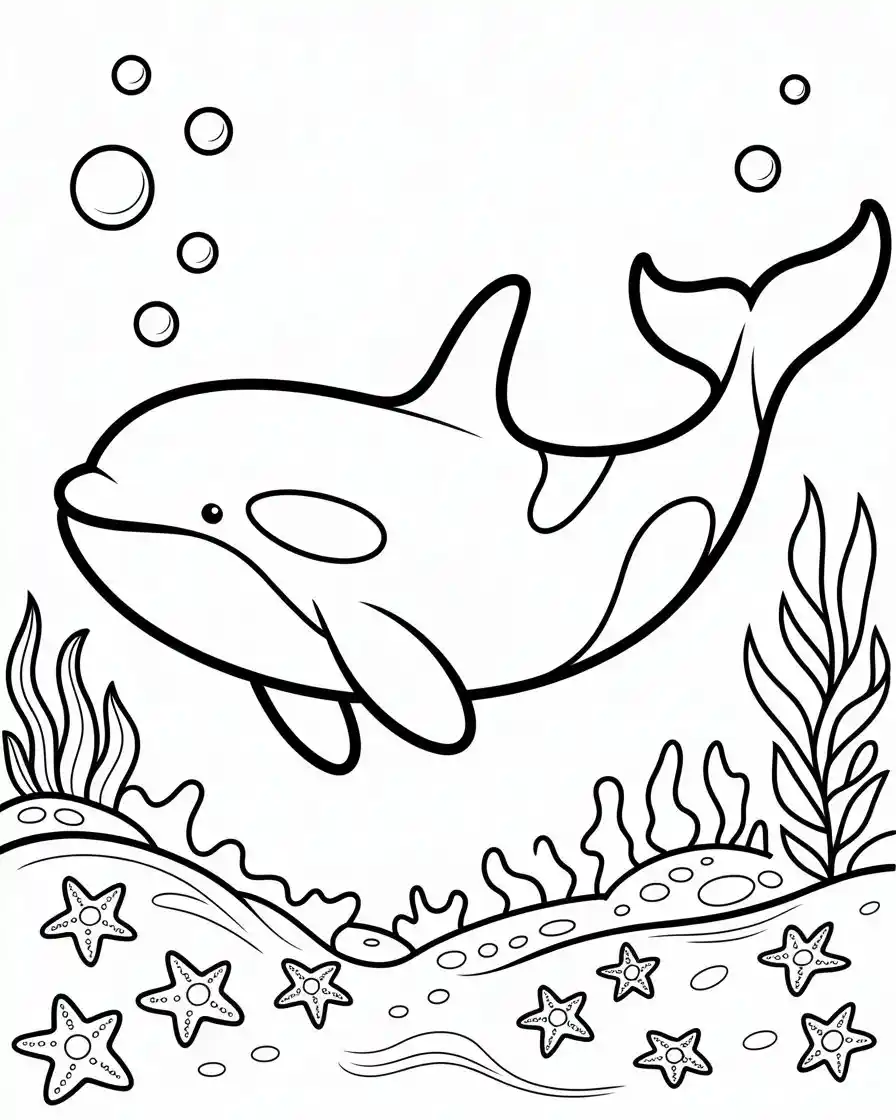
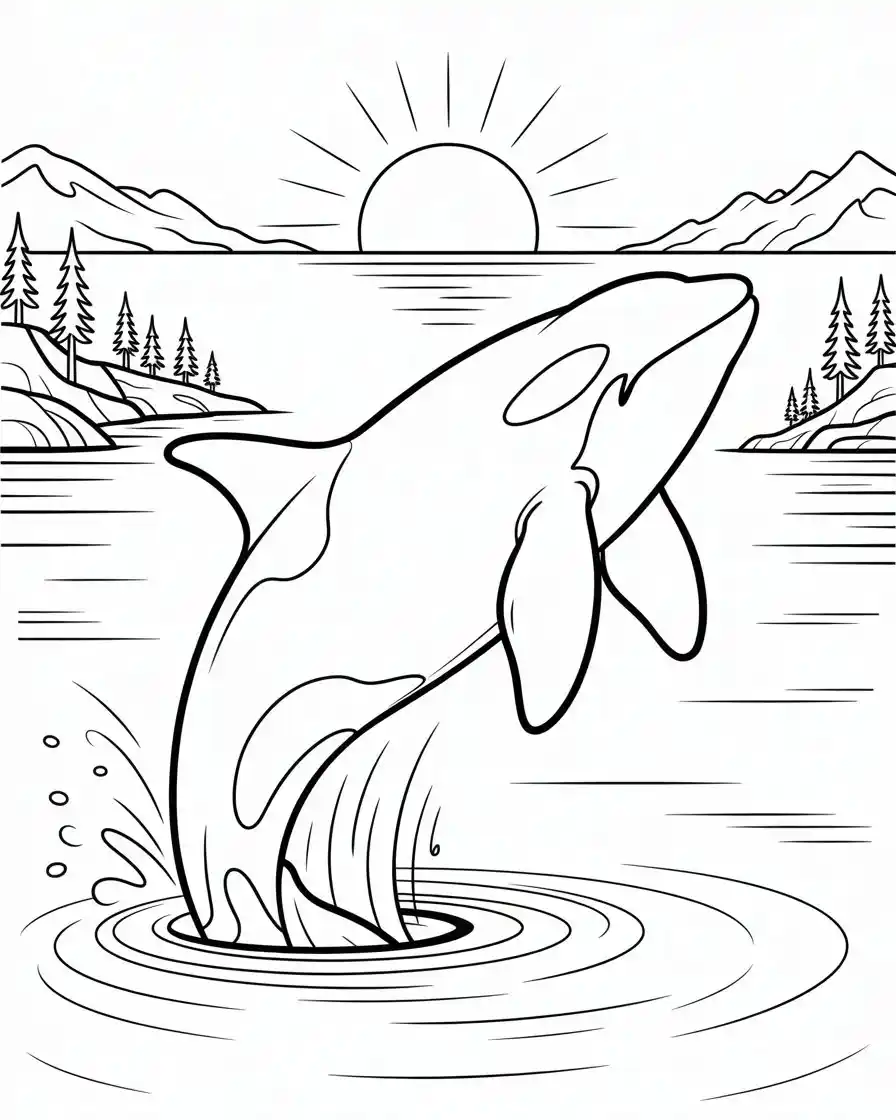
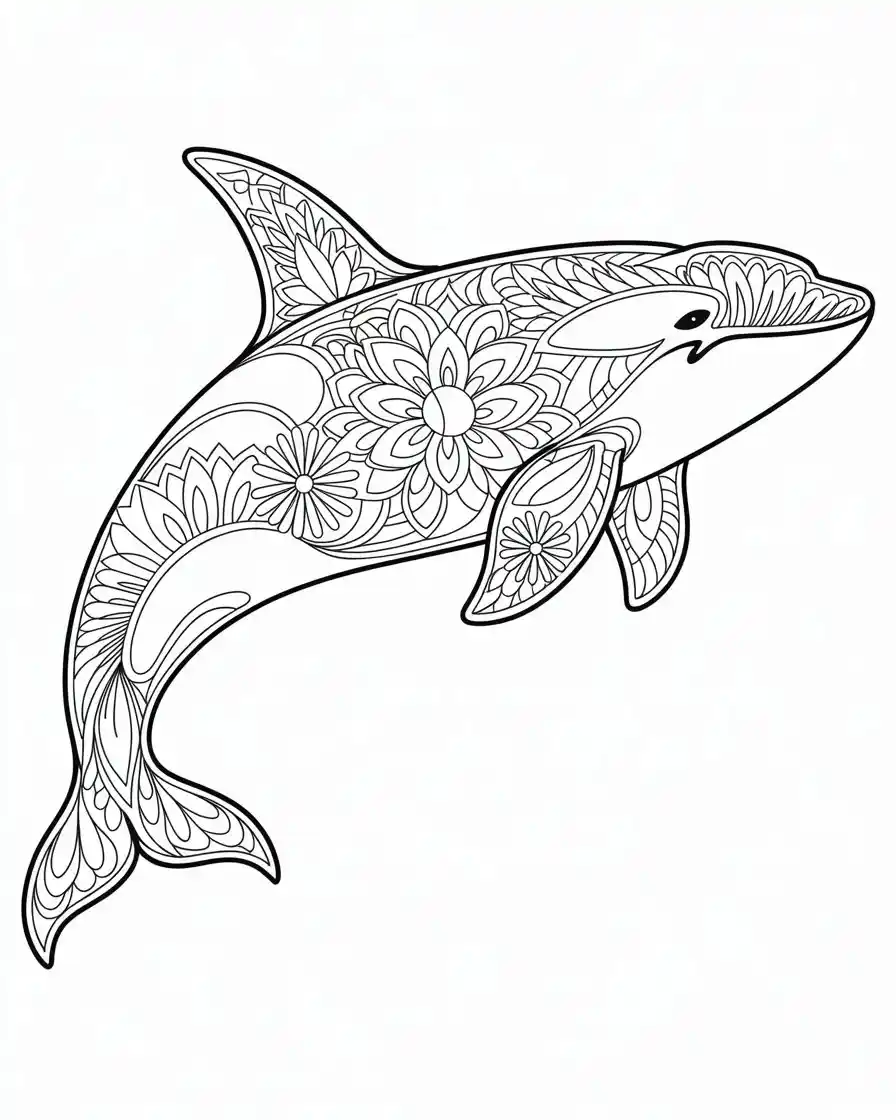
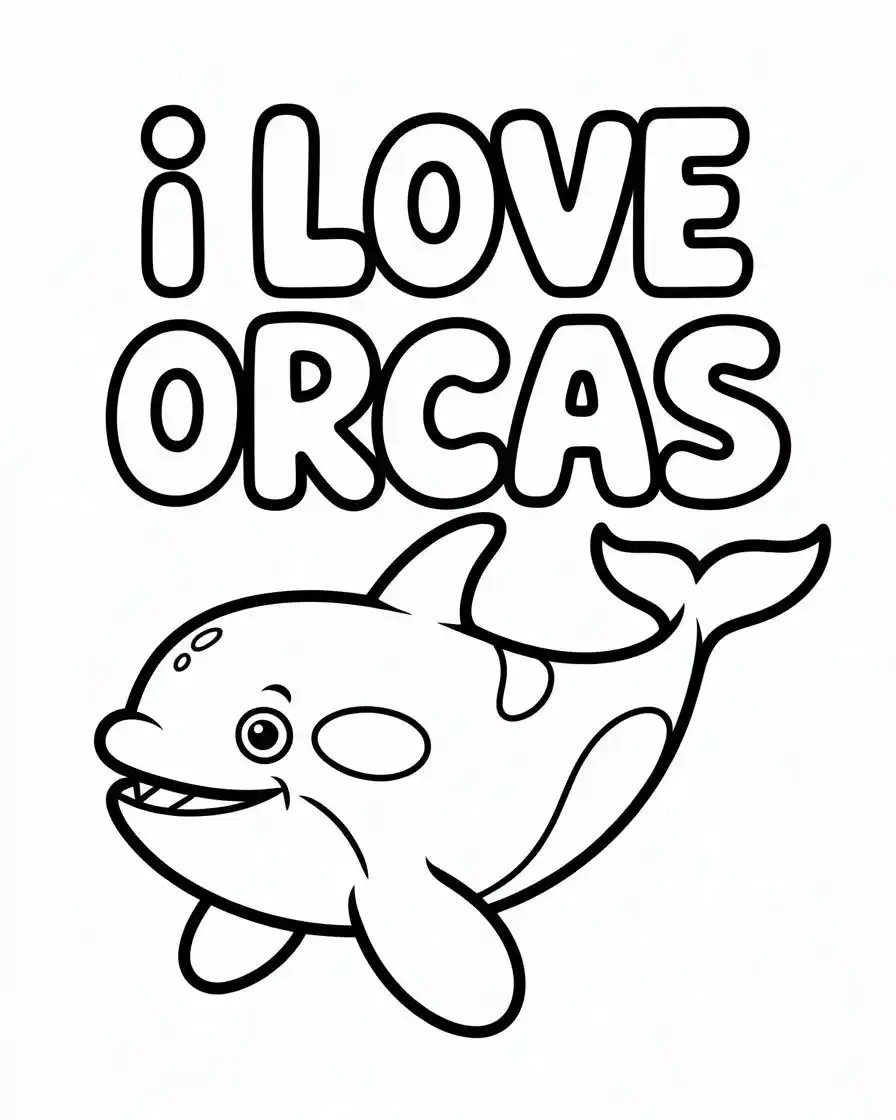
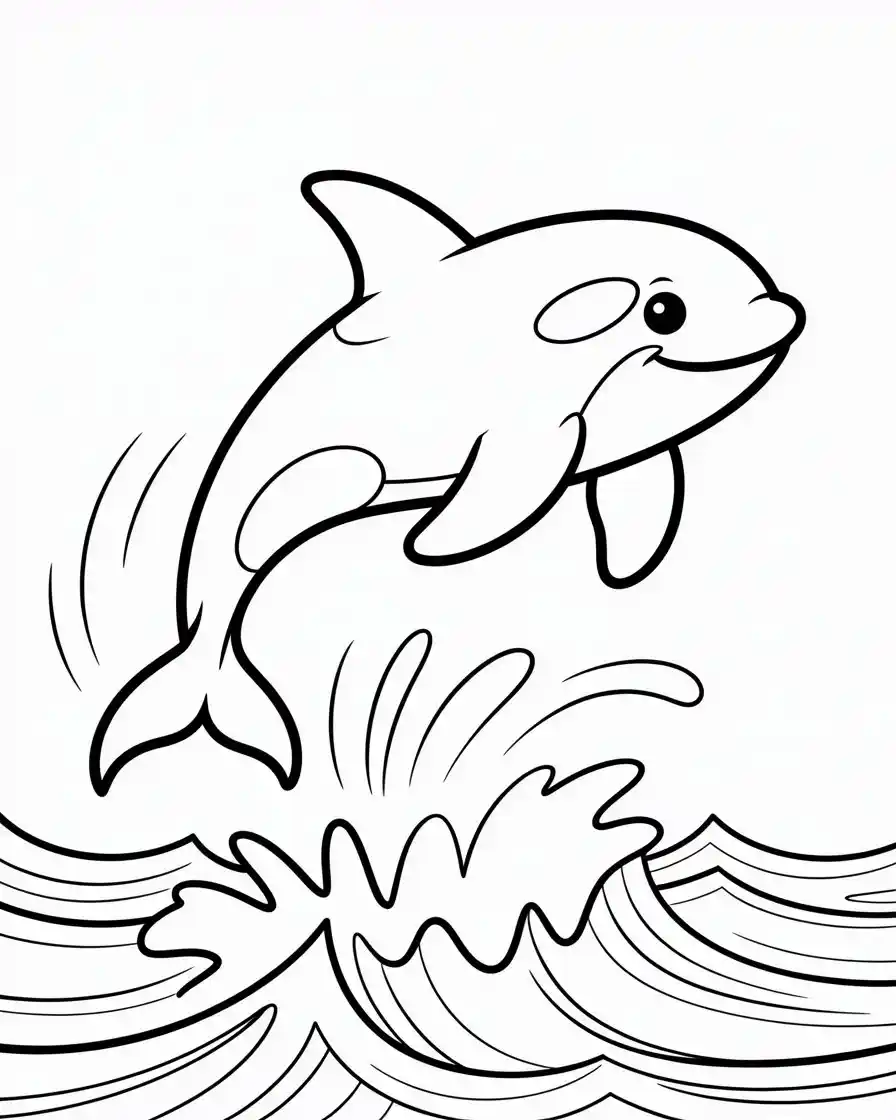
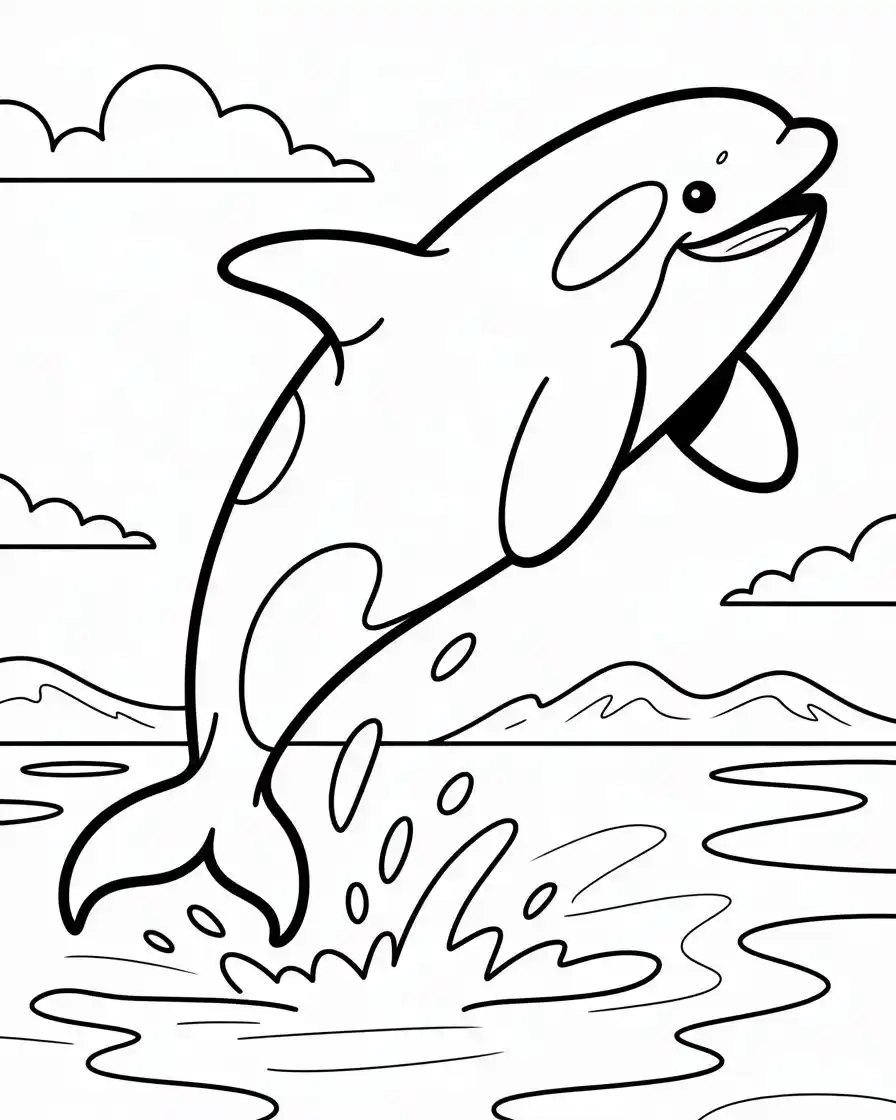
Each whale coloring pages focuses on a different species or scene, so the set isn’t just the same body shape repeated with a new fin. You’ll find: A humpback whale mid-breach, with long pectoral fins and the bumpy throat grooves that make the species easy to recognize An orca (killer whale), drawn with its signature black and white coloring and tall dorsal fin whale shark technically a fish, not a whale shown with its wide, flat mouth and spotted skin pattern, and included here because of its size and popularity as a coloring subject blue whale, given extra space on the page since it’s the largest animal that has ever lived
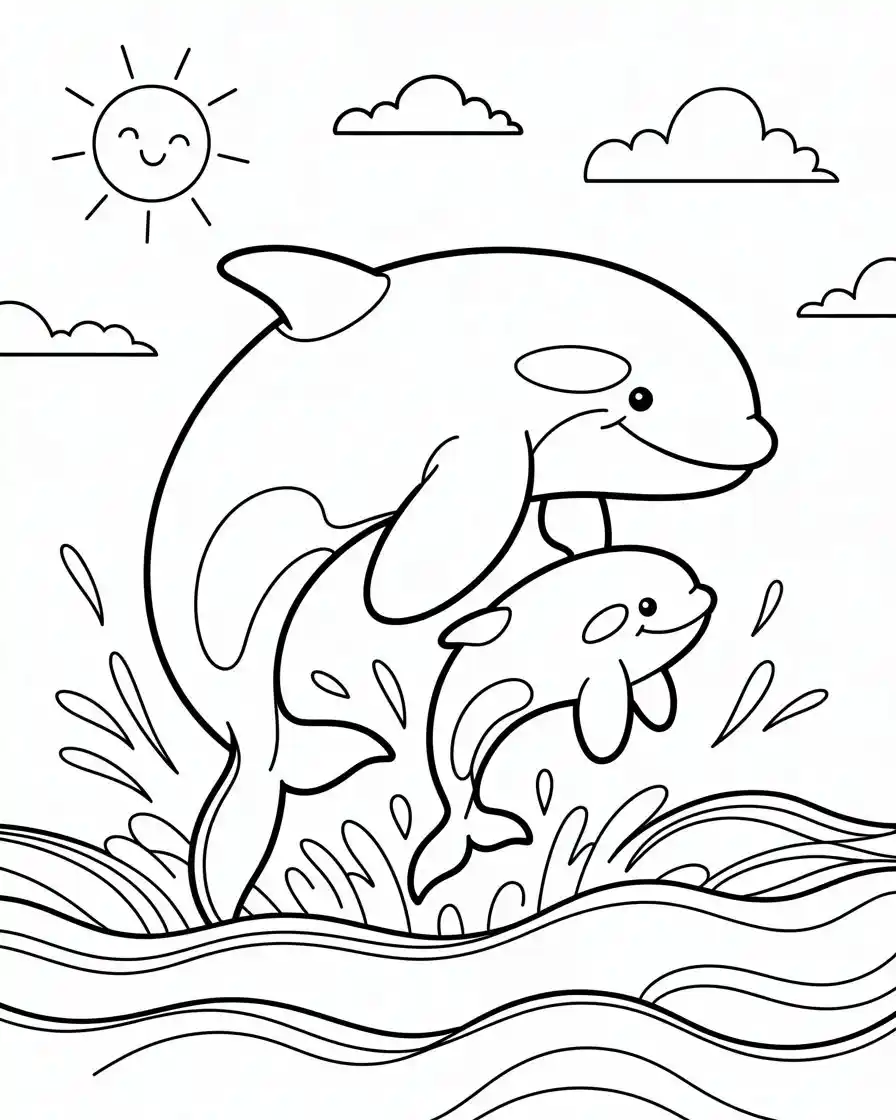
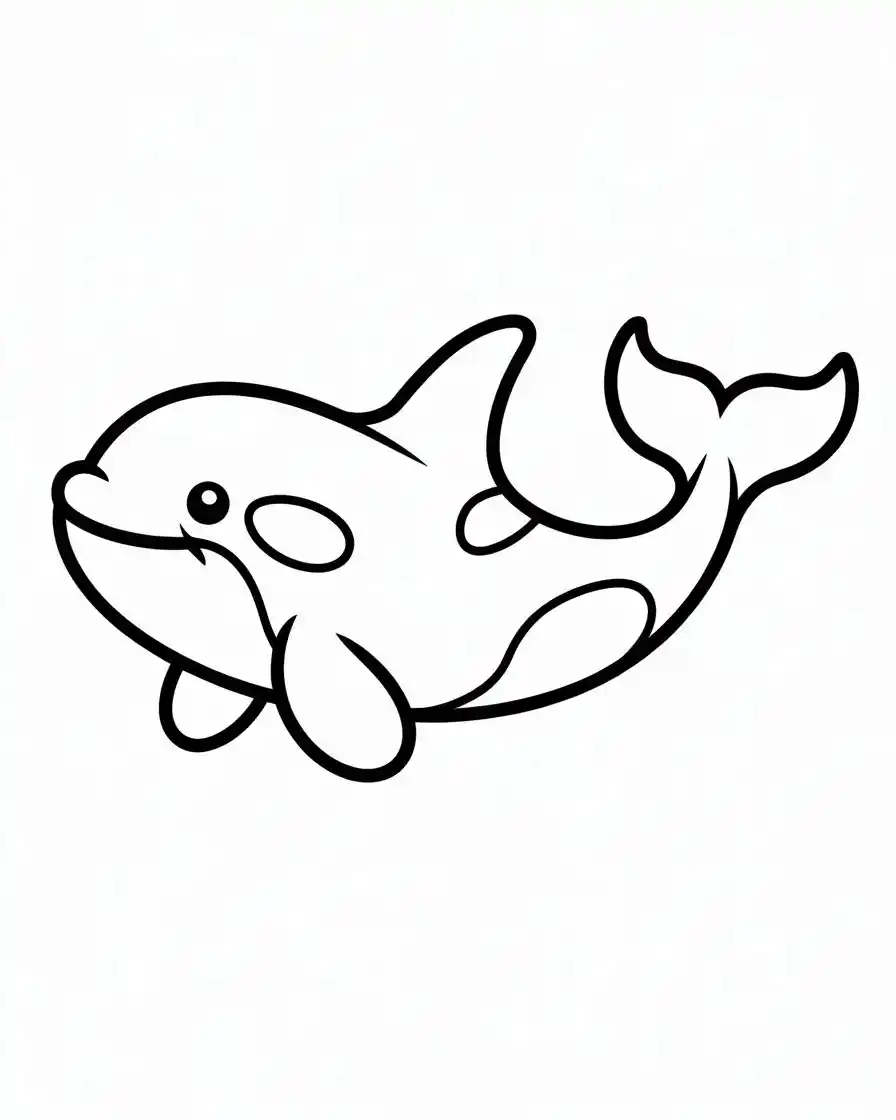
A beluga whale, recognizable by its rounded forehead and pale color A baby whale swimming beside its mother, a gentler scene for younger colorists A simple whale outline with minimal detail, good for first time coolers or quick classroom printing Every page uses clear black and white line art with defined, closed sections, so color stays where it’s meant to whether a child is using thick crayons or a marker.









Who These Pages Are For
Preschoolers can handle the simpler outlines, especially the baby whale and the plain whale silhouette, since the shapes are large and there’s little risk of coloring outside a tiny gap. Elementary-age kids tend to gravitate toward the orca and humpback pages, where there’s enough detail to keep them occupied without becoming frustrating. Older kids and adults who enjoy more intricate work can look for the whale shark page, since the spotted pattern gives them something closer to a mandala-style challenge, filling in dozens of small circles one at a time.
How to Print and Color Them
Open the page you want and send it to your printer on standard letter or A4 paper. For the longer, wider designs like the blue whale, landscape orientation may give the artwork a bit more room to stretch across the page. From there, any coloring tool works: crayons are the easiest option for small kids because they’re forgiving of shaky lines, colored pencils let older kids blend a gradient from dark blue at the top of the whale’s back to lighter tones underneath, and markers work well for the bold, simple outlines where flat color is the goal.
If you’re coloring a species realistically, most baleen whales like the humpback and blue whale are various shades of gray or blue-gray, darker on top and lighter on the belly. Orcas are strictly black and white with a gray “saddle patch” behind the dorsal fin. Belugas are close to solid white or pale gray. None of that has to be followed exactly, though — a lot of kids prefer to turn their whale purple, rainbow-striped, or covered in polka dots, and that’s part of what makes coloring pages fun instead of a science worksheet.
What Kids Pick Up Along the Way
Coloring a whale naturally opens the door to a few basic facts that stick with kids without any real effort: whales are mammals, not fish, so they need to come up to the surface to breathe through a blowhole rather than gills. Some whales, like the blue whale and humpback, are baleen whales that filter tiny food like krill through comb-like plates in their mouths. Others, like the orca and sperm whale, are toothed whales that hunt fish, squid, or seals directly. Orcas are sometimes called killer whales, but they’re actually the largest member of the dolphin family. A parent or teacher can mention this while a child is coloring in the blowhole or the mouth, and it tends to land better than reading it off a page, since the child is already looking closely at that part of the body.
For a classroom setting, whale pages pair naturally with an ocean or marine life unit. Kids can label the parts of the whale after coloring — fin, tail (fluke), blowhole — or compare their finished picture to a photo of the real species to see how close the colors came.
Craft Ideas Beyond the Page
A colored whale page doesn’t have to stay flat on a table. A few ways to extend the activity:
Whale mobile. Cut out a colored whale, punch a hole near the top, and hang it from a piece of string along with a few paper waves or bubbles cut from blue and white paper. A handful of these hung together makes a simple ocean-themed mobile for a bedroom or classroom ceiling.
Ocean diorama. Glue a colored whale into a shoebox lined with blue paper, add cotton-ball clouds or crumpled tissue paper for waves, and the coloring page becomes the centerpiece of a small 3D scene.
Whale tail bookmark. Trace and cut just the tail section from a whale coloring pages, color it, and laminate or cover it with clear tape for a simple bookmark a child can actually use afterward.
Match-the-species game. Print two whale pages of the same species, color one and leave the other blank, then have younger kids match markings or shapes between the pair before coloring the second one themselves.
Whale habitat scene. After coloring the whale itself, have kids build the world around it — cut and glue on paper seaweed, bubbles, small fish, and coral, then add wave lines across the background. It turns a single colored page into a small ocean habitat project, which works well alongside a marine life lesson.
Frequently Asked Questions About whale Coloring Pages
More Coloring Pages to Explore
If your child enjoyed these whale designs, the rest of the ocean animal collection is worth a look next: Dolphin Coloring Pages for another marine mammal with plenty of playful poses, Shark Coloring Pages for a faster, toothier counterpart to the gentle baleen whales, and Sea Turtle Coloring Pages for a slower-moving ocean animal that pairs well with the same habitat-scene craft ideas. Beyond marine life, the site’s full library covers thousands of printable pages across animals, seasonal themes, and educational subjects for kids of every age.