Cute Rabbit Coloring Pages – Free Printable Designs
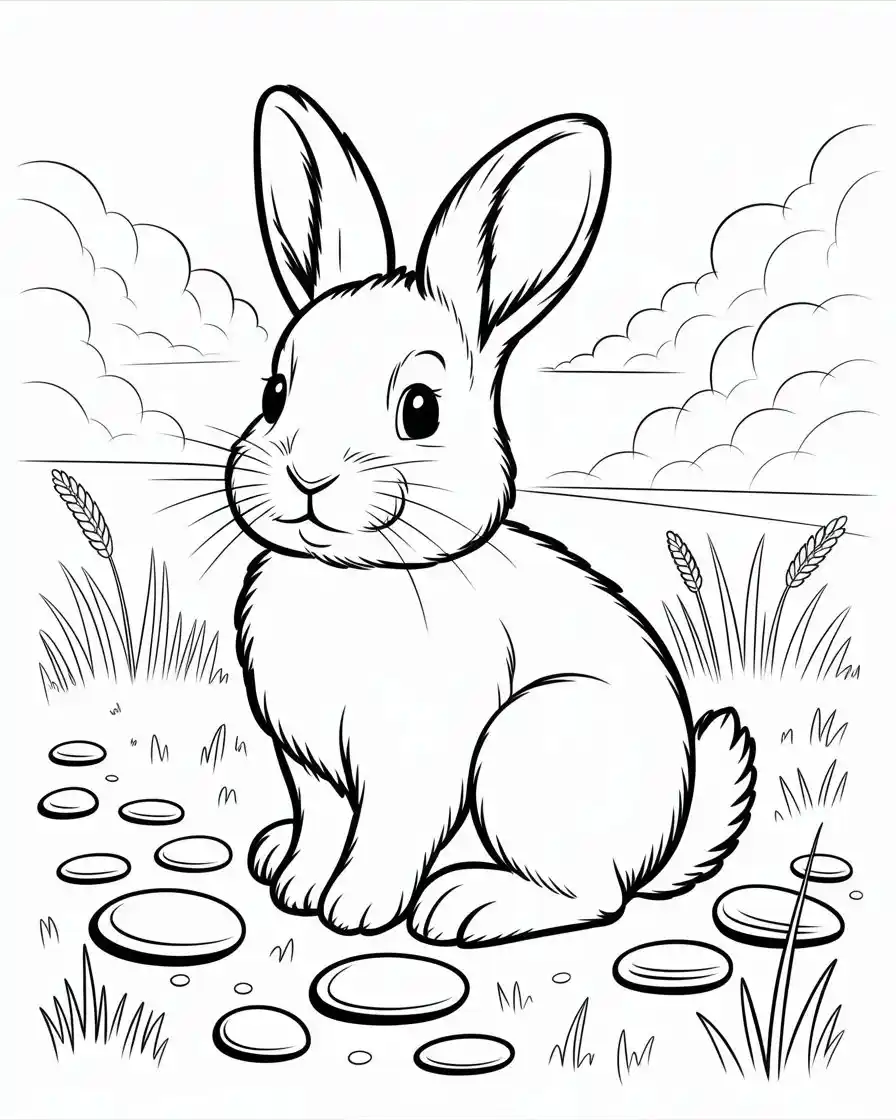
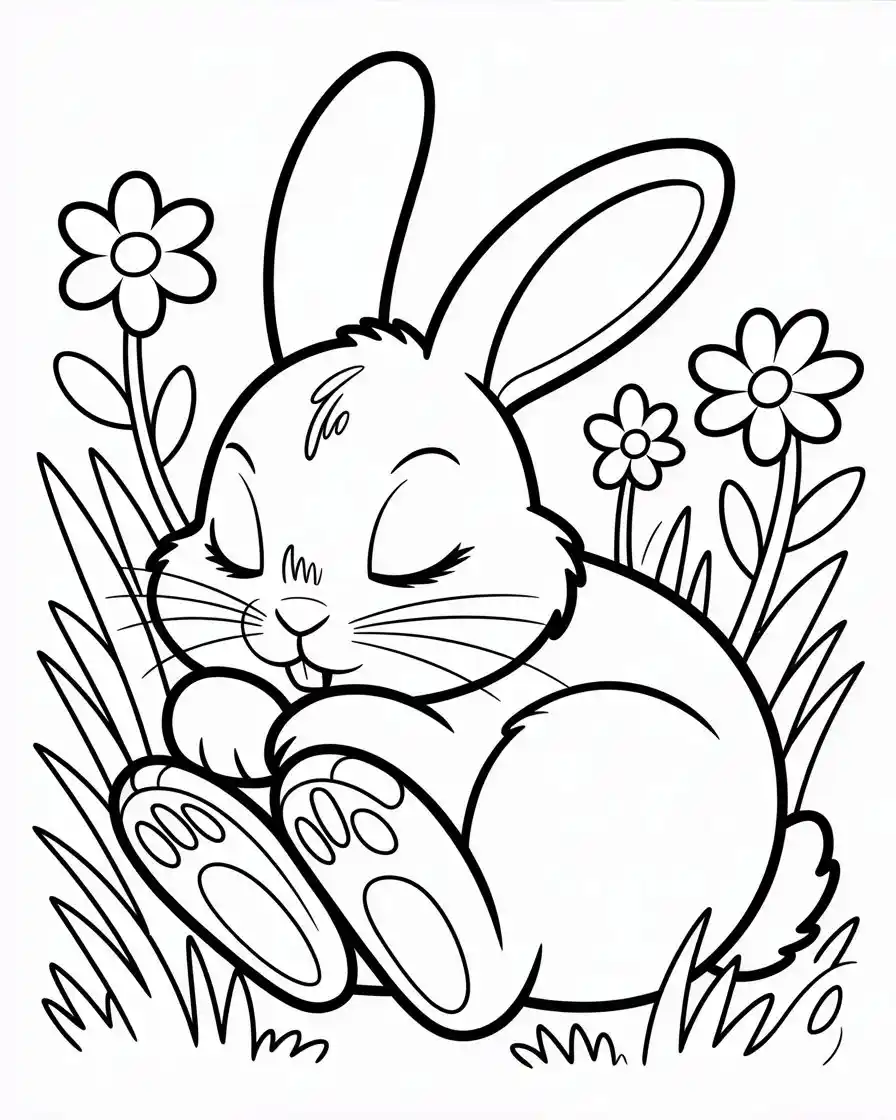
Sitting a child down with a black and white bunny illustration and a set of crayons sounds ordinary. But that simple moment, quiet, focused, screen free is one of the most developmentally rich activities available to young children, and one of the most genuinely relaxing for adults. Rabbit coloring pages make ideal coloring subjects because their shapes are universally recognizable, their expressions are naturally friendly, and their rounded, flowing outlines suit every skill level from toddler to advanced adult colorist.
This collection covers everything from the simplest single bunny outline a two year old can tackle to the most intricate hare mandala an adult would spend an evening on. Below you will find expert guidance on choosing the right design, printing it correctly, picking the right tools, and getting real educational or therapeutic value from the activity.
What Makes a Good Printable Bunny Coloring Sheet
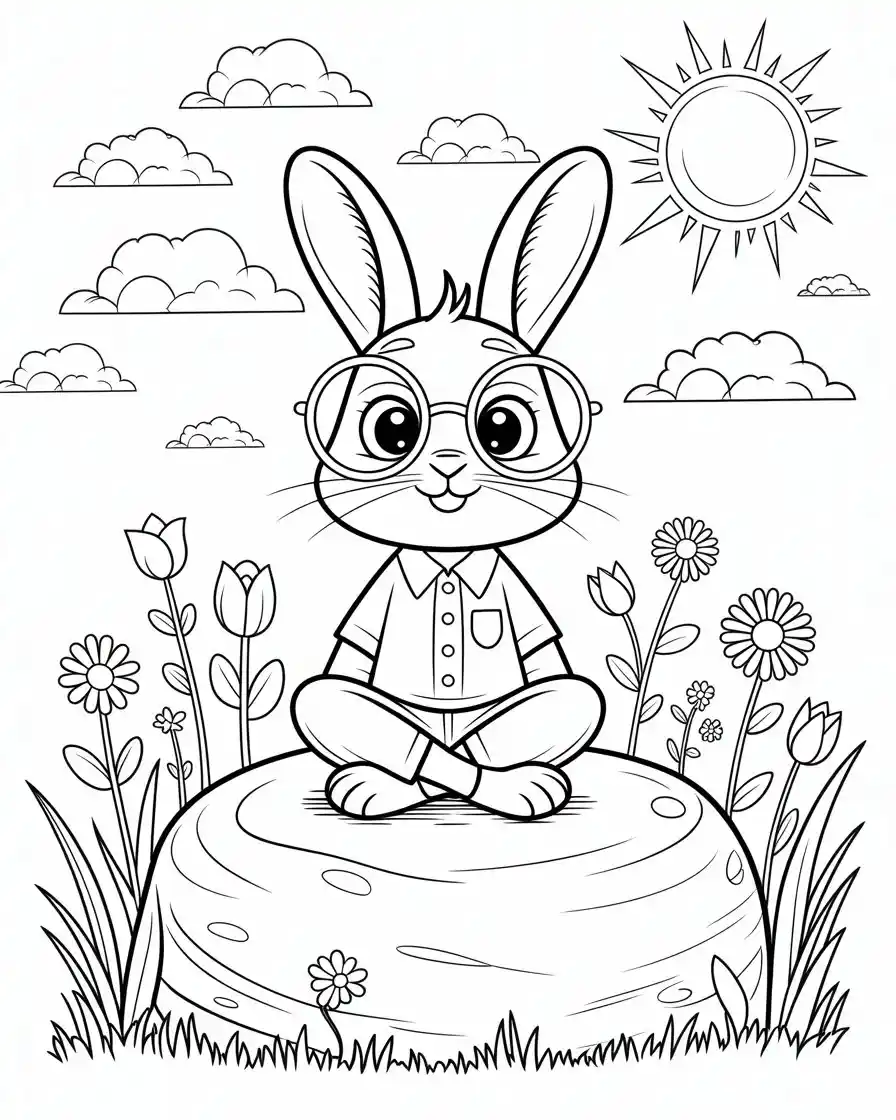
Not every rabbit coloring pages is worth printing. A well designed page balances line weight, interior detail, and image scale to match the skill level it is made for. For adults, finer lines and denser interior patterns create the sustained engagement that makes coloring genuinely relaxing rather than merely quick.
Resolution matters too. A low resolution image printed at full A4 or Letter size produces fuzzy, pixelated outlines that are frustrating to color. Every sheet in this collection is formatted at minimum 300 DPI the standard print resolution so lines stay crisp and clean regardless of paper size.





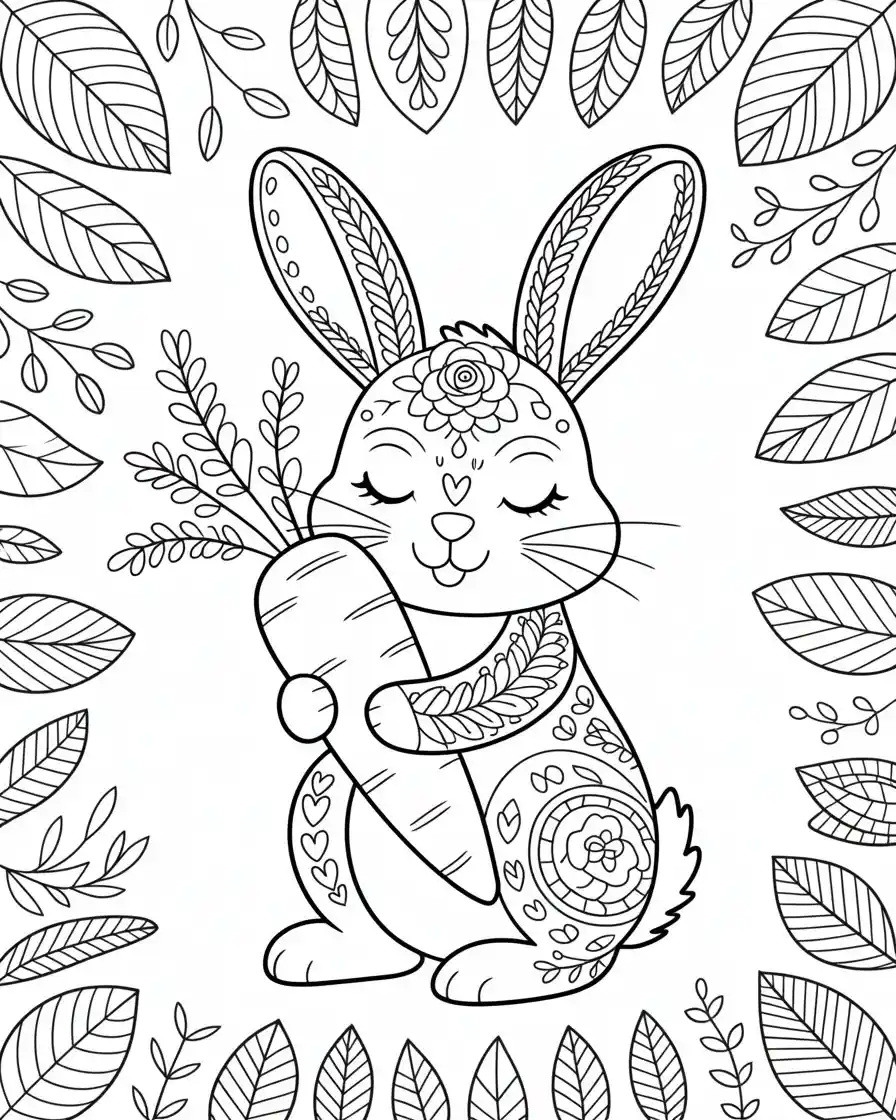
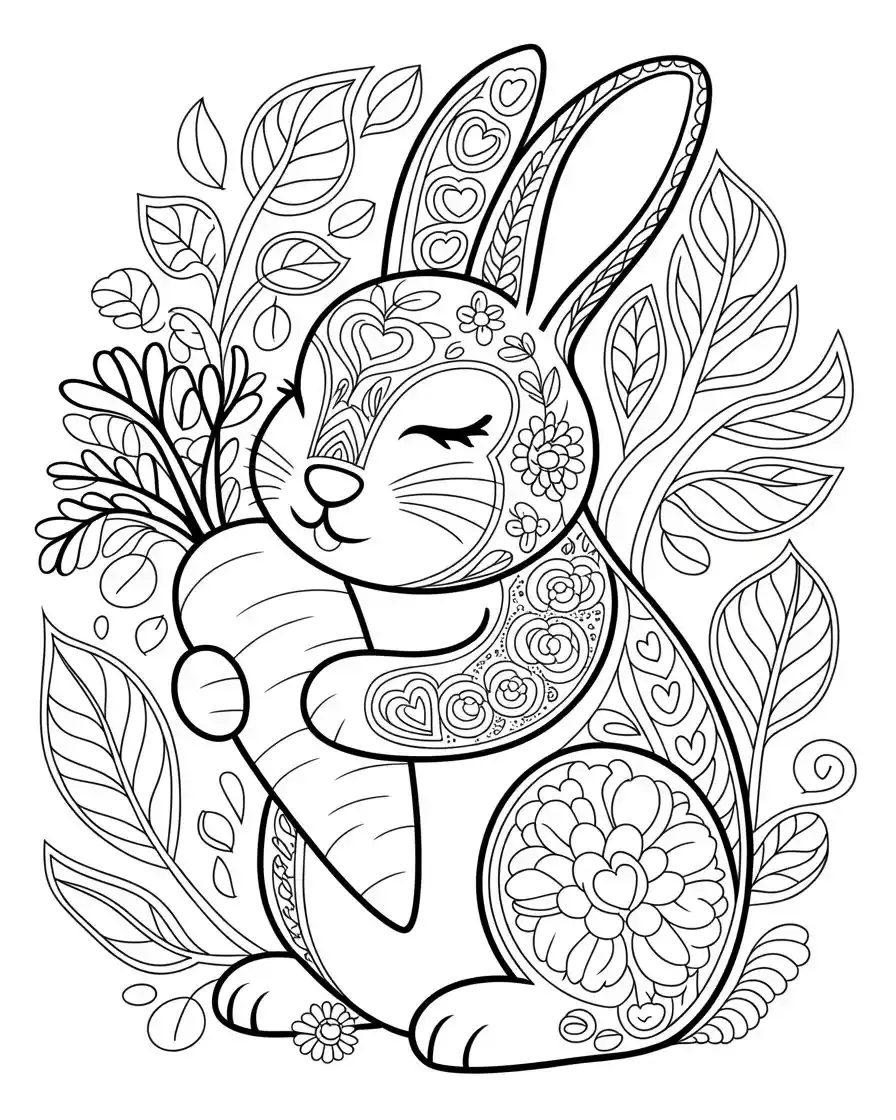
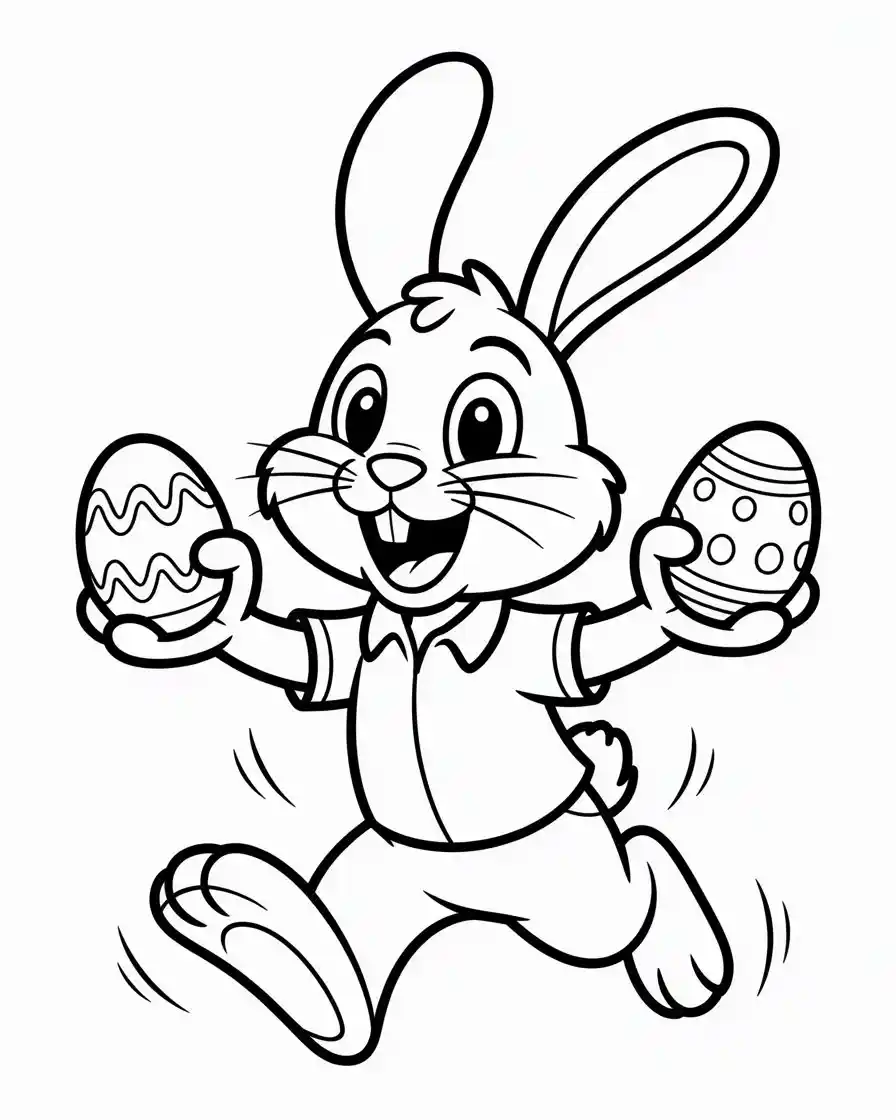
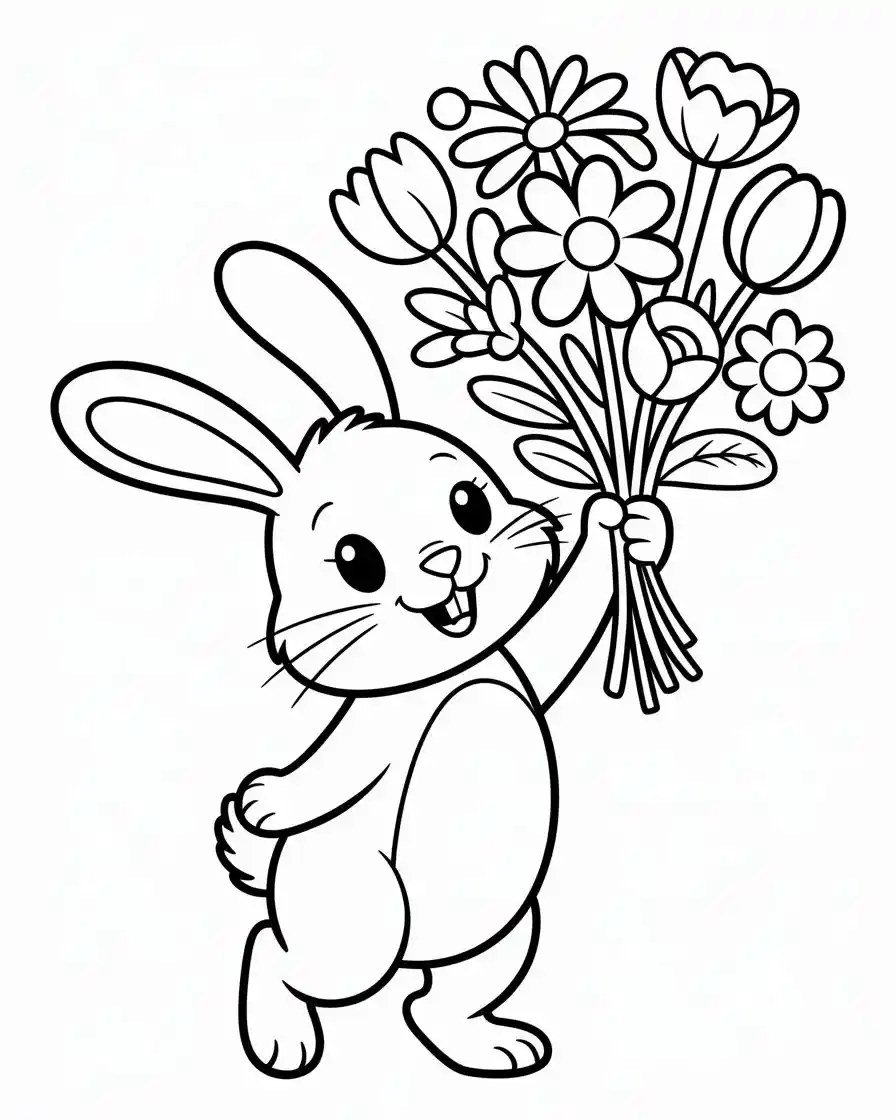



The Real Benefits What Research Actually Shows
Coloring is frequently described as beneficial, but the specific mechanisms are worth understanding because they help parents and teachers use it more intentionally.
For children, the primary benefit is fine motor development. Occupational therapists consistently identify coloring as one of the most efficient writing exercises available because it strengthens the intrinsic hand muscles responsible for pencil grip and letter formation. Research in the Journal of Occupational Therapy, Schools & Early Intervention found that children who regularly engage in fine motor activities including structured coloring demonstrate measurably better handwriting readiness than peers who do not.
For adults, a 2005 study in the Art Therapy: Journal of the American Art Therapy Association found that coloring pre-drawn geometric and nature based designs reduced participant anxiety scores significantly more than free drawing did. This finding explains why mandala style designs including rabbit mandalas have become a staple recommendation in workplace wellness programmers and therapeutic settings. The combination of structure and creative choice appears to be what makes the difference.
Age by Age Guide to Choosing the Right Design
Matching the coloring sheet to the child’s developmental stage makes the difference between an activity they want to repeat and one they abandon halfway through.
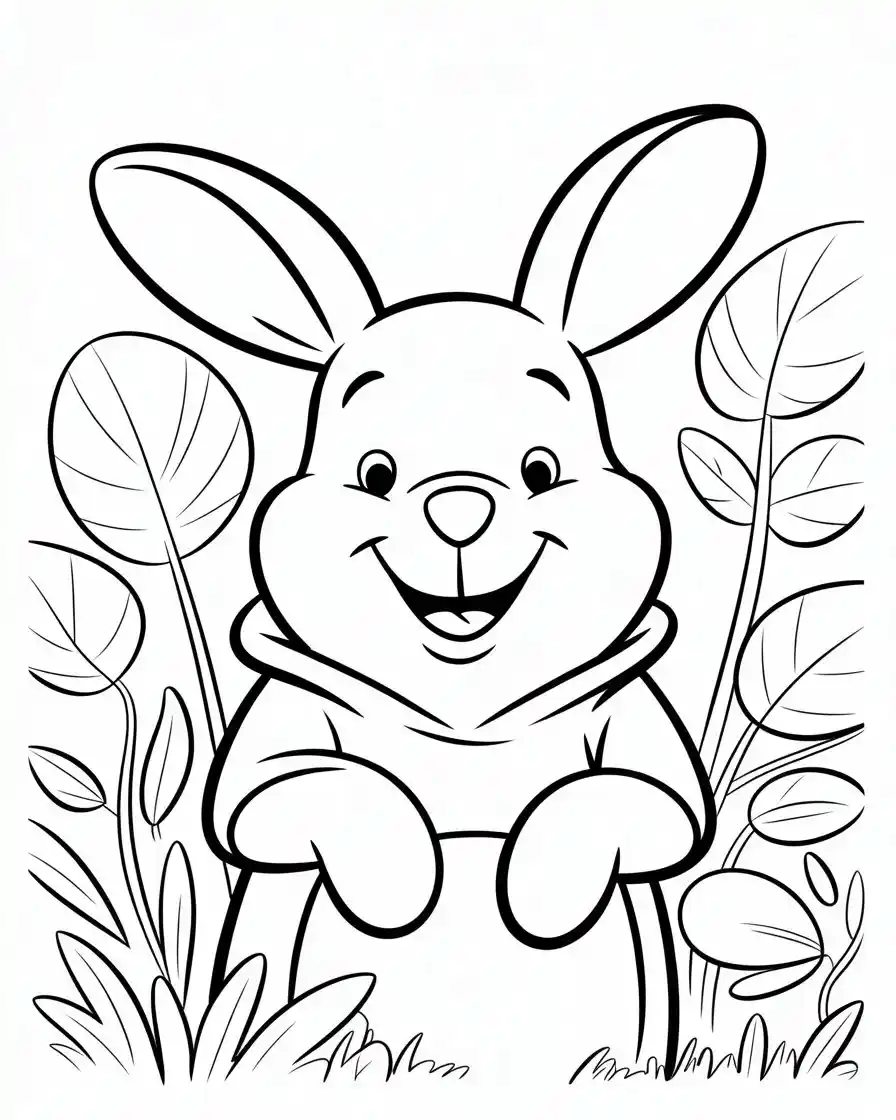
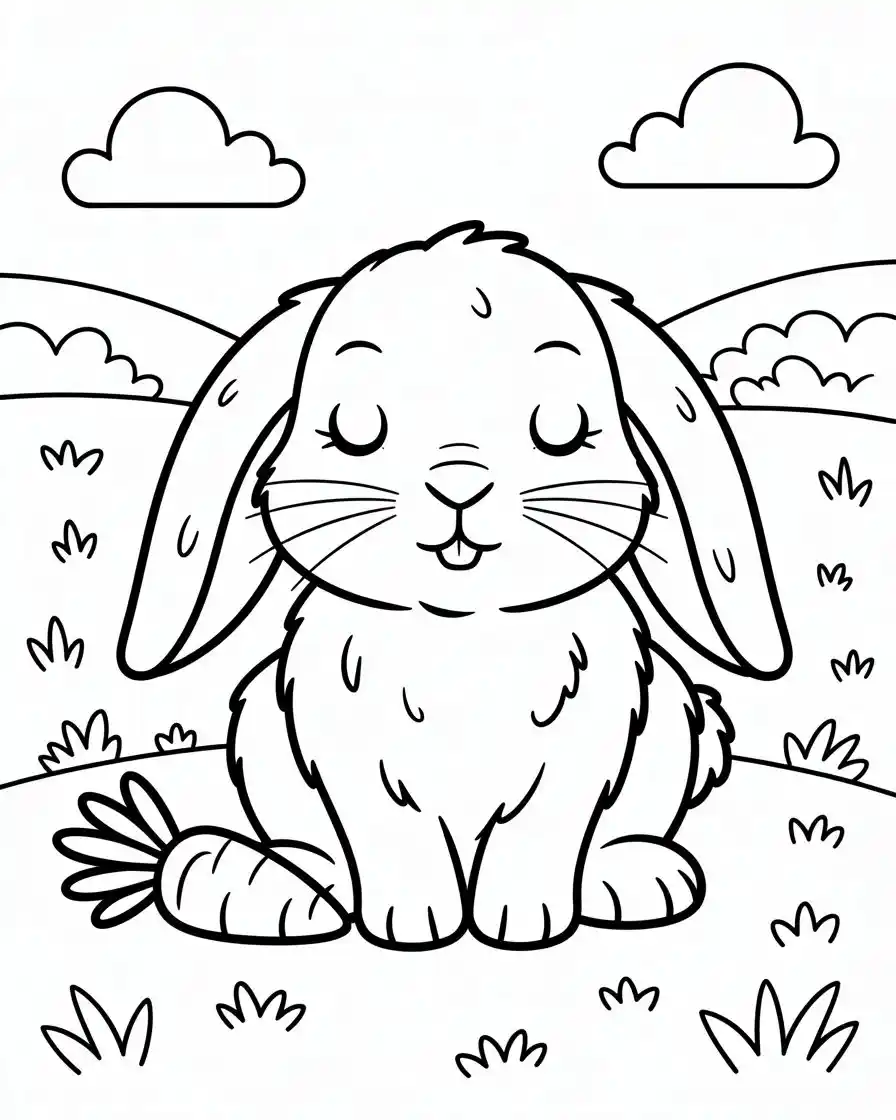
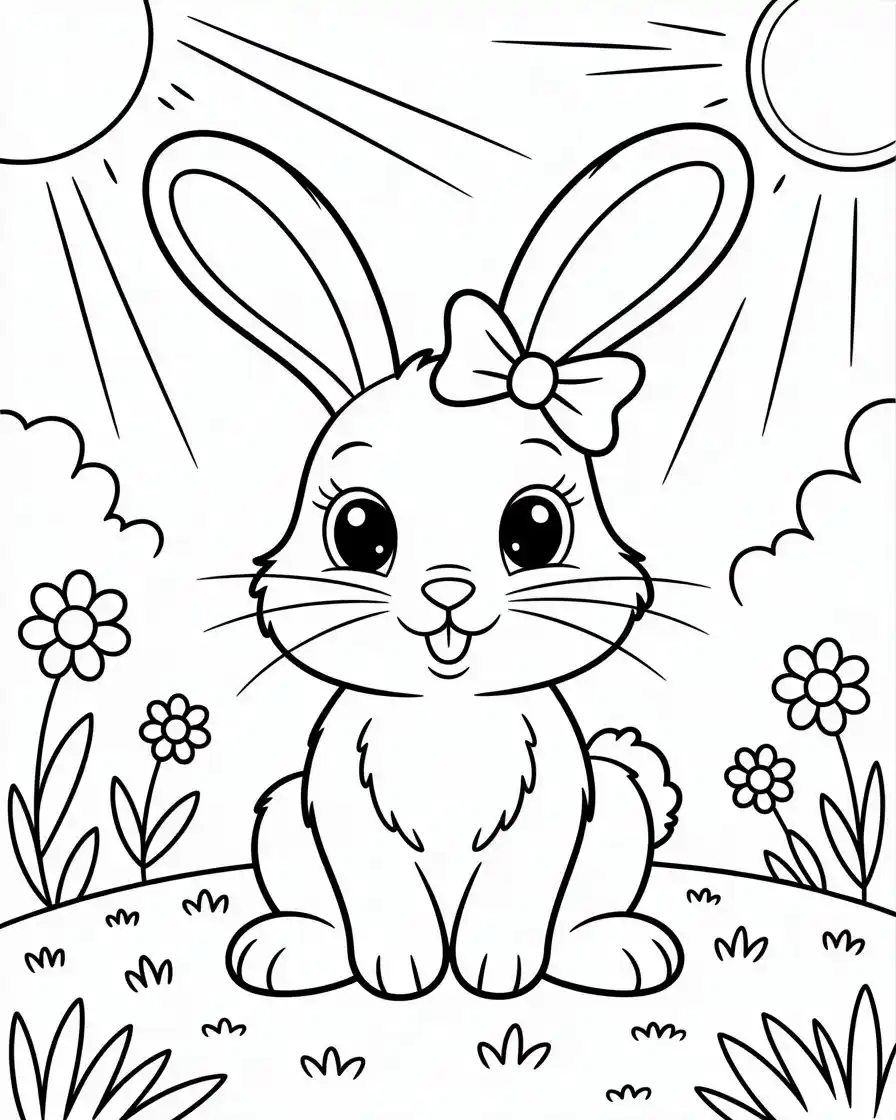
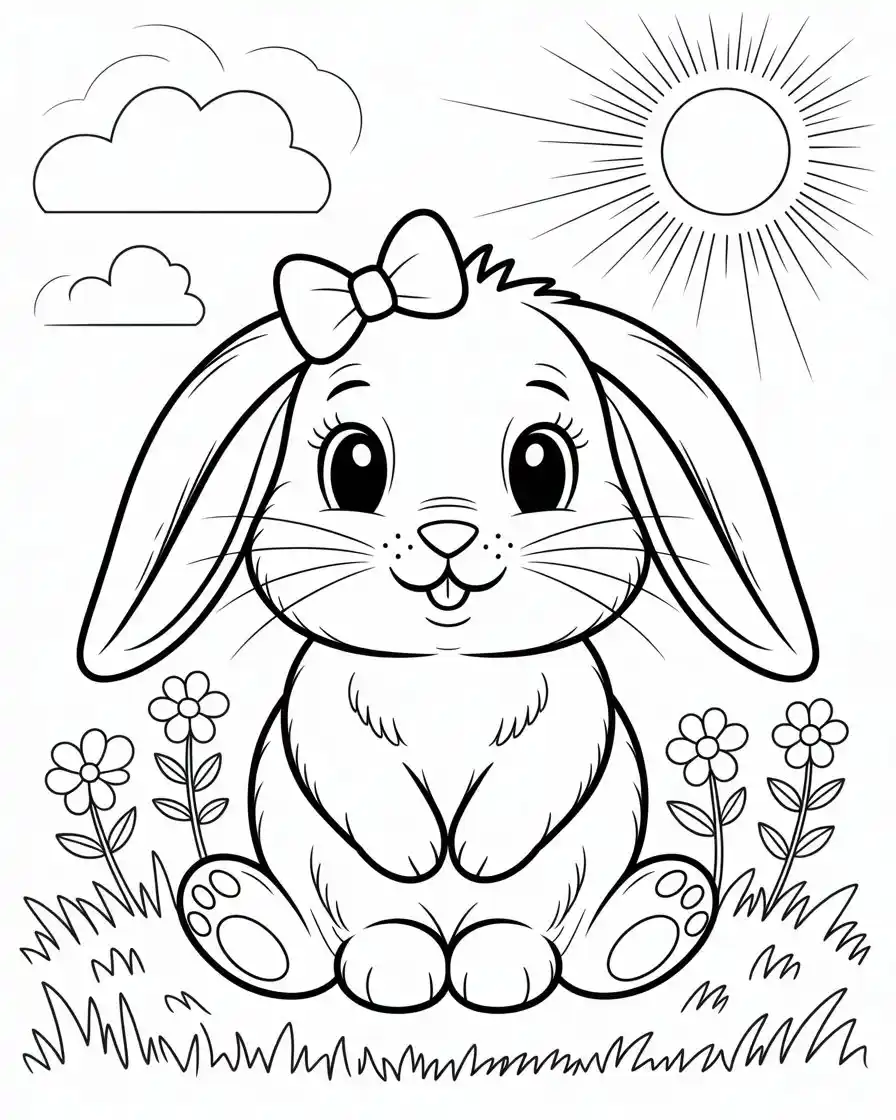
Ages 2–4 (toddlers and early preschool): At this stage, hand muscles are still developing and grip control is limited. The ideal page features a single large rabbit taking up 60–70% of the page, with thick borders, no fine interior detail, and a simple expression. Staying inside the lines is not the goal building hand strength and color confidence is. Crayola Washable Jumbo crayons are the standard recommendation among early years teachers for this age group.
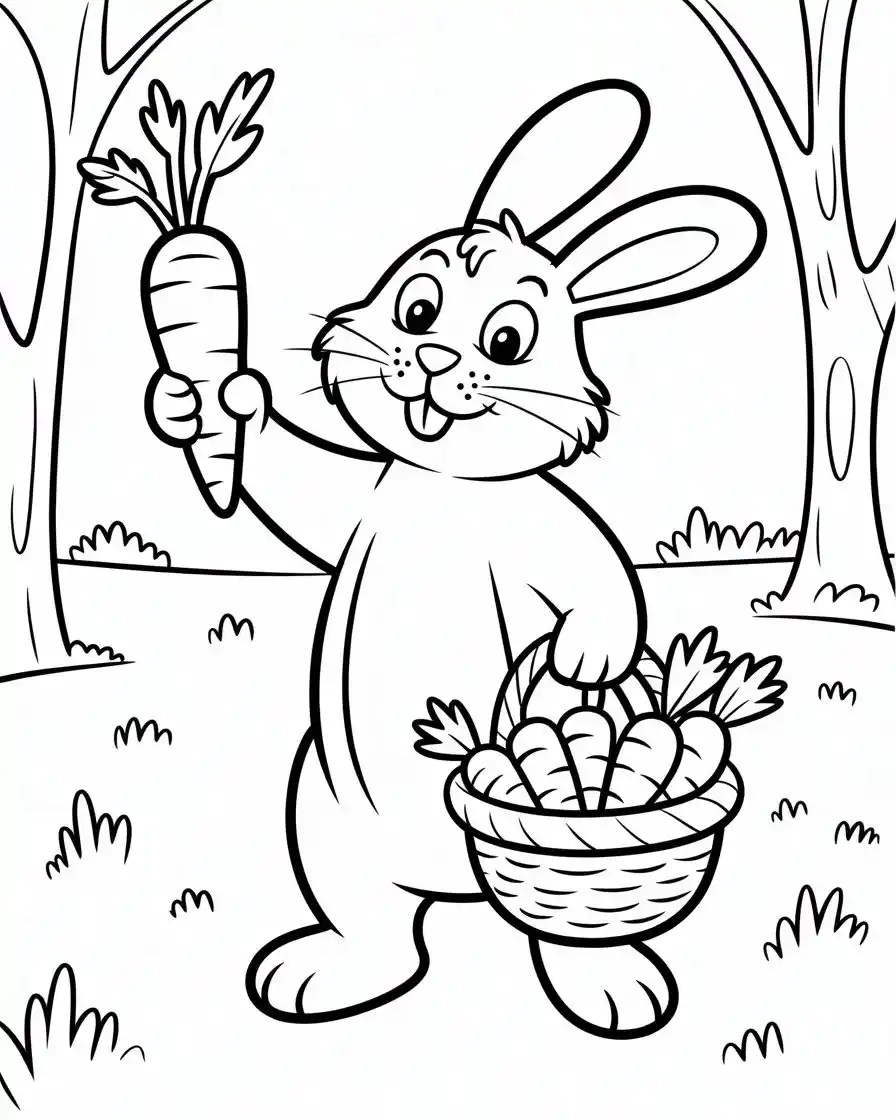
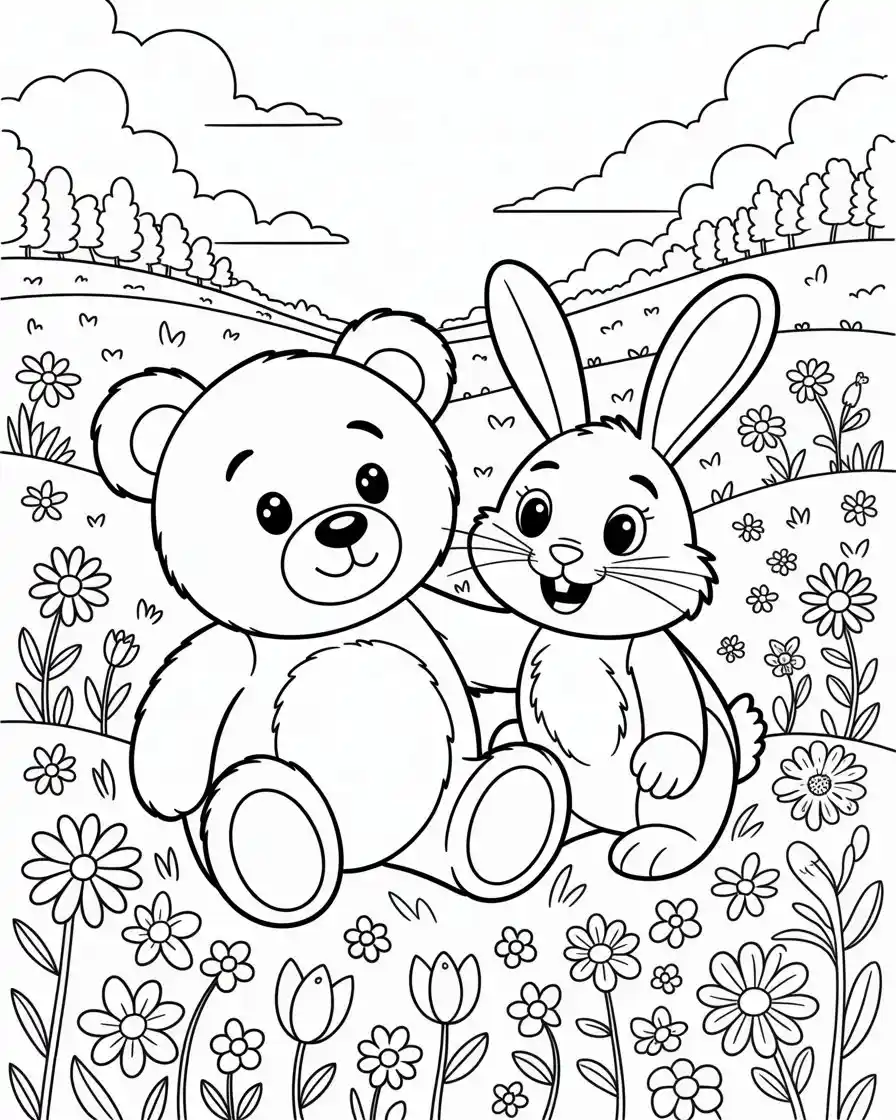
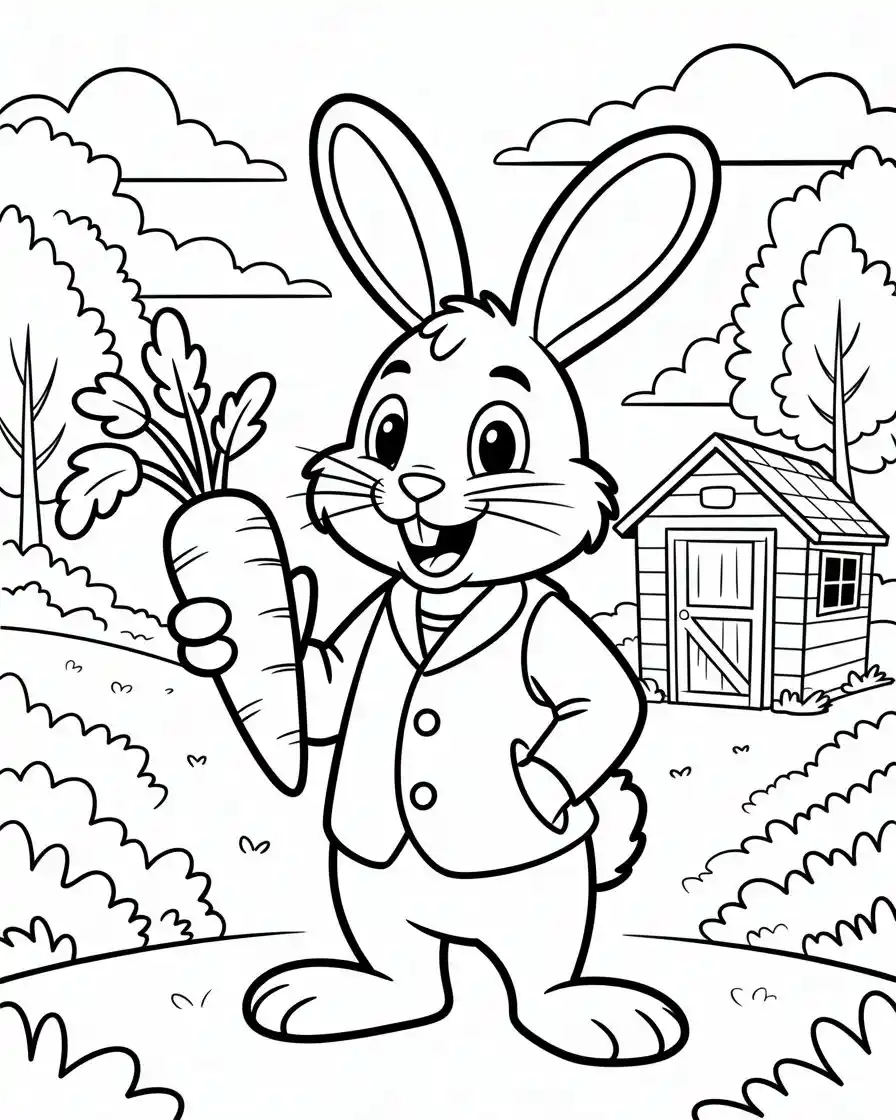
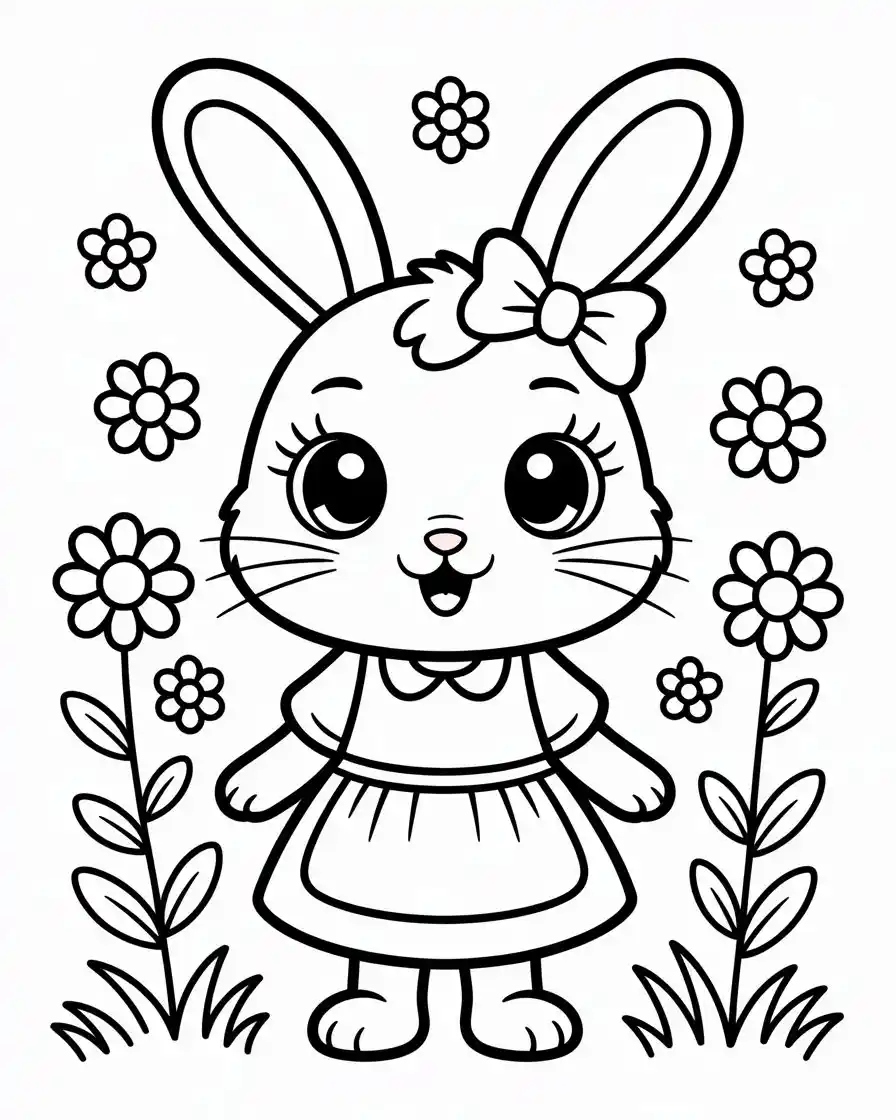
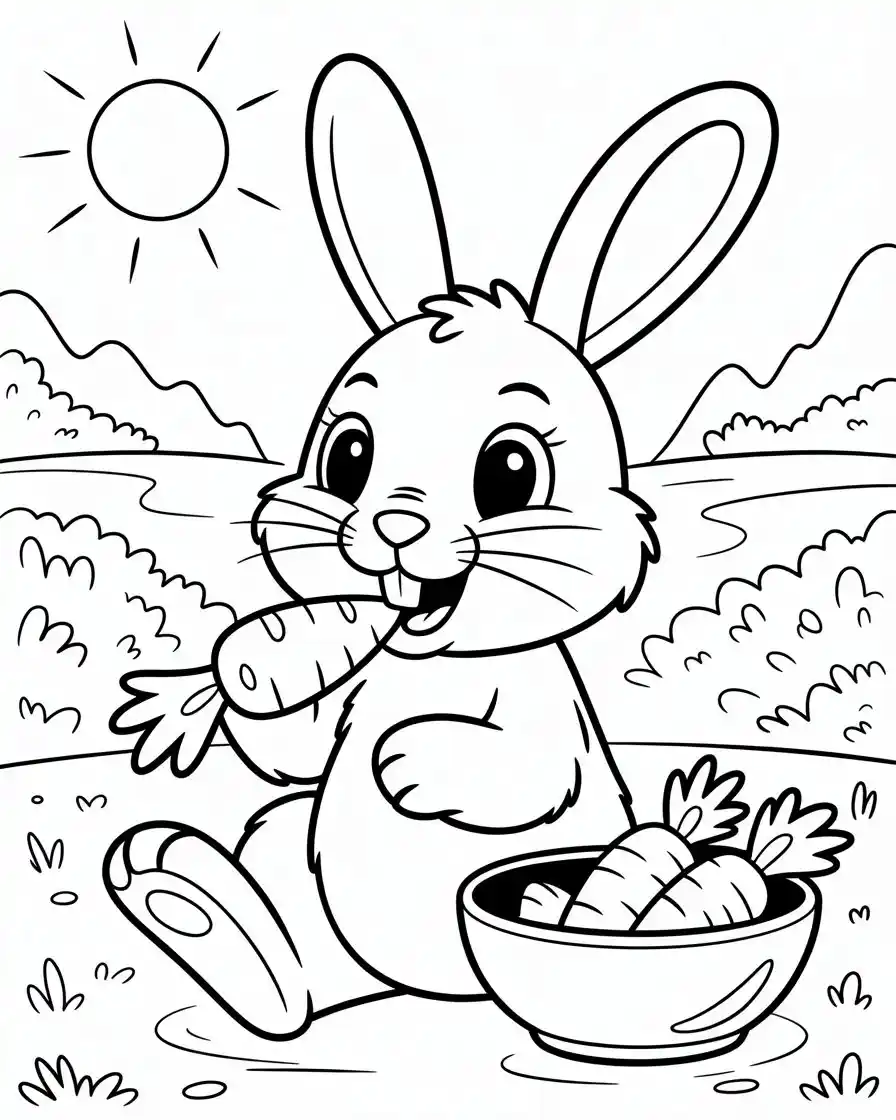
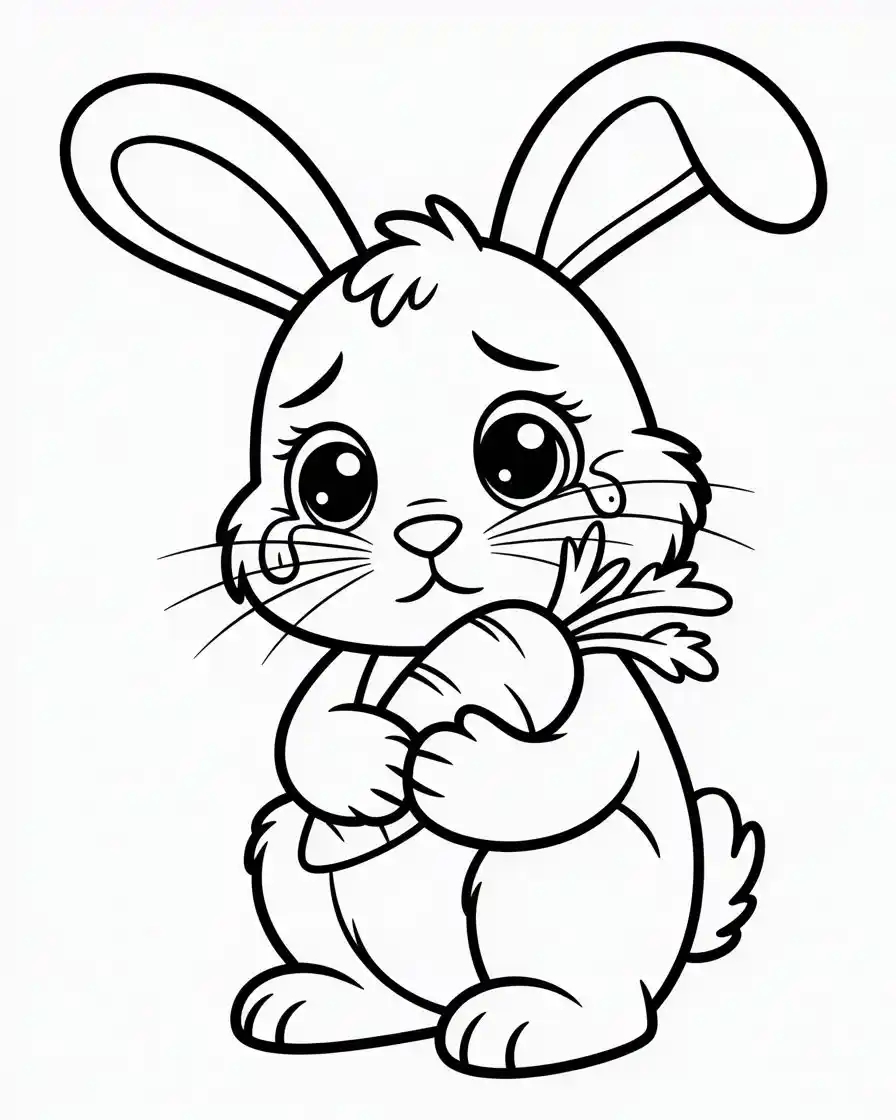
Ages 4–7 (preschool and early primary): Children in this range can handle moderate detail: a rabbit with a carrot, a rabbit family scene, or a spring garden setting with flowers in the background. These designs reward improving hand control while also sparking storytelling, since children this age naturally narrate the scene as they color. This dual engagement motor and language makes the activity unusually rich for its simplicity.
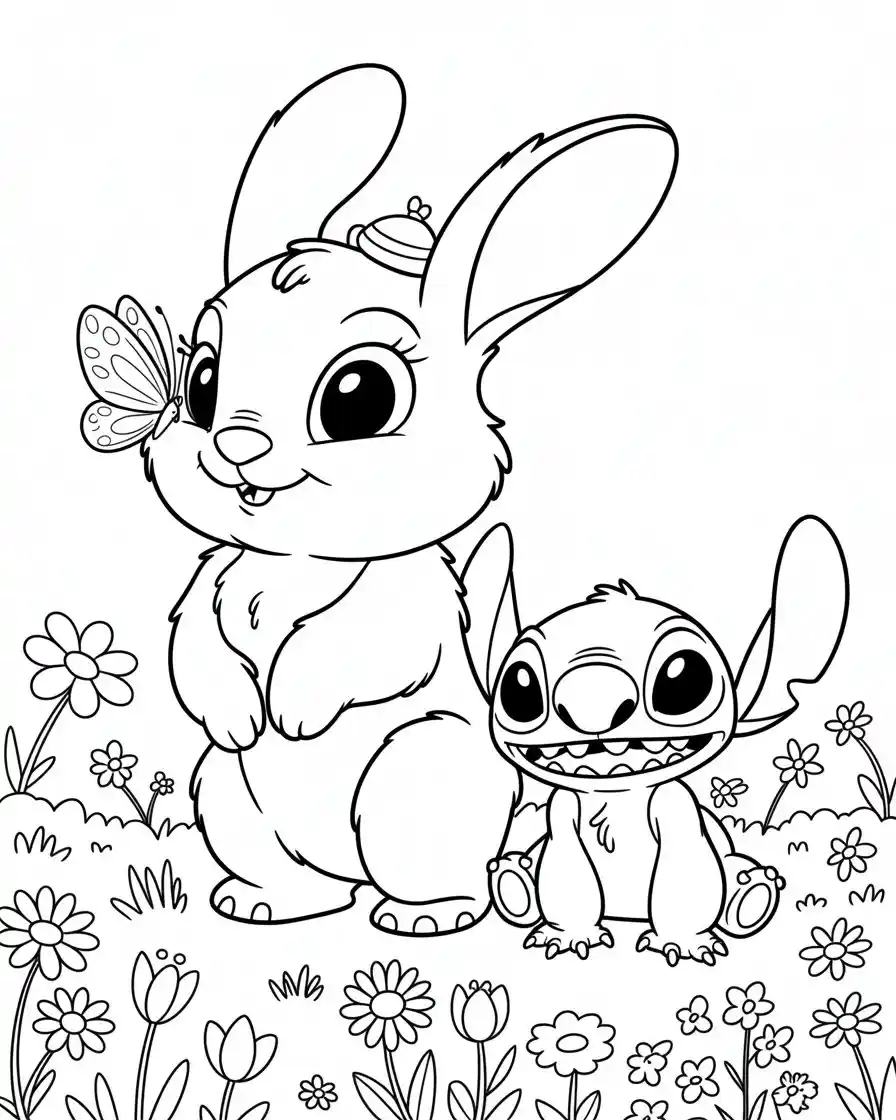
Ages 7–12 (primary and middle school): More complex compositions work well here: woodland rabbit scenes with background foliage, realistic rabbit portraits, character based illustrations, and introductory mandala designs with larger repeating sections. Planning a color scheme across a more detailed image builds patience and sequential thinking that transfers directly into multi step academic tasks.
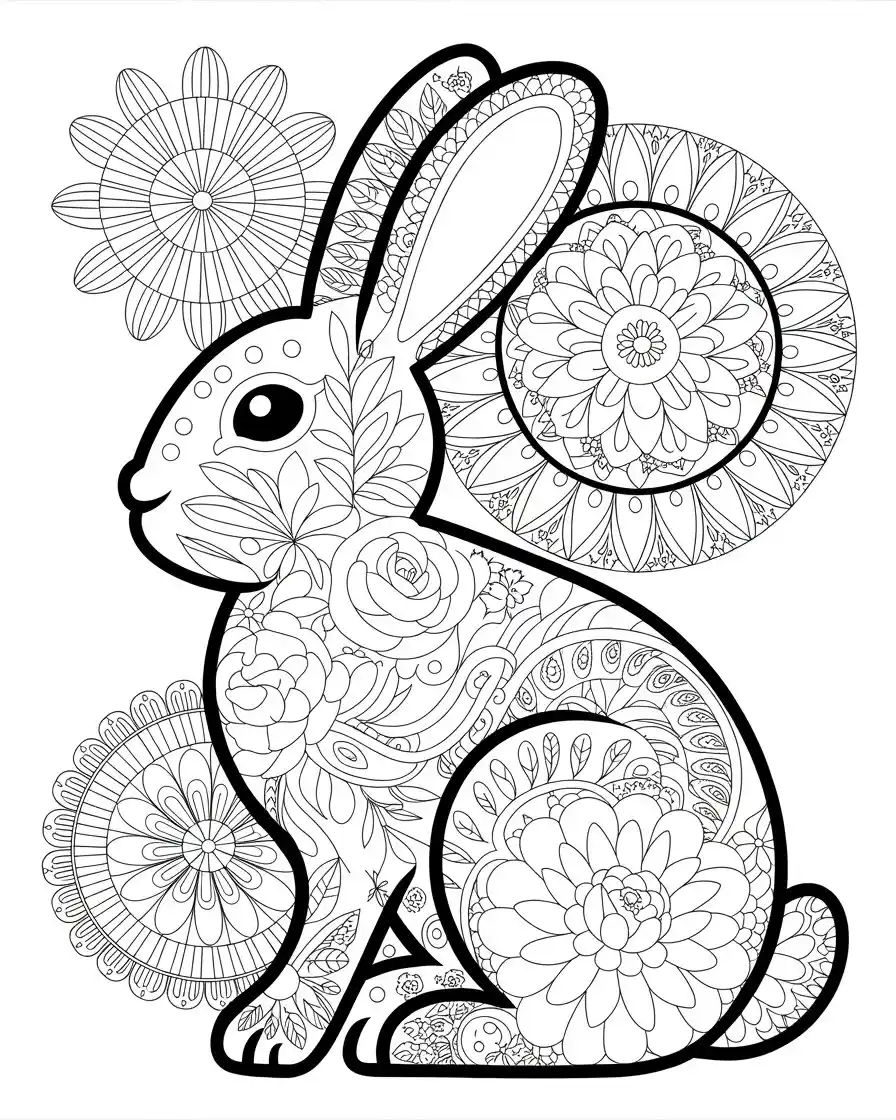
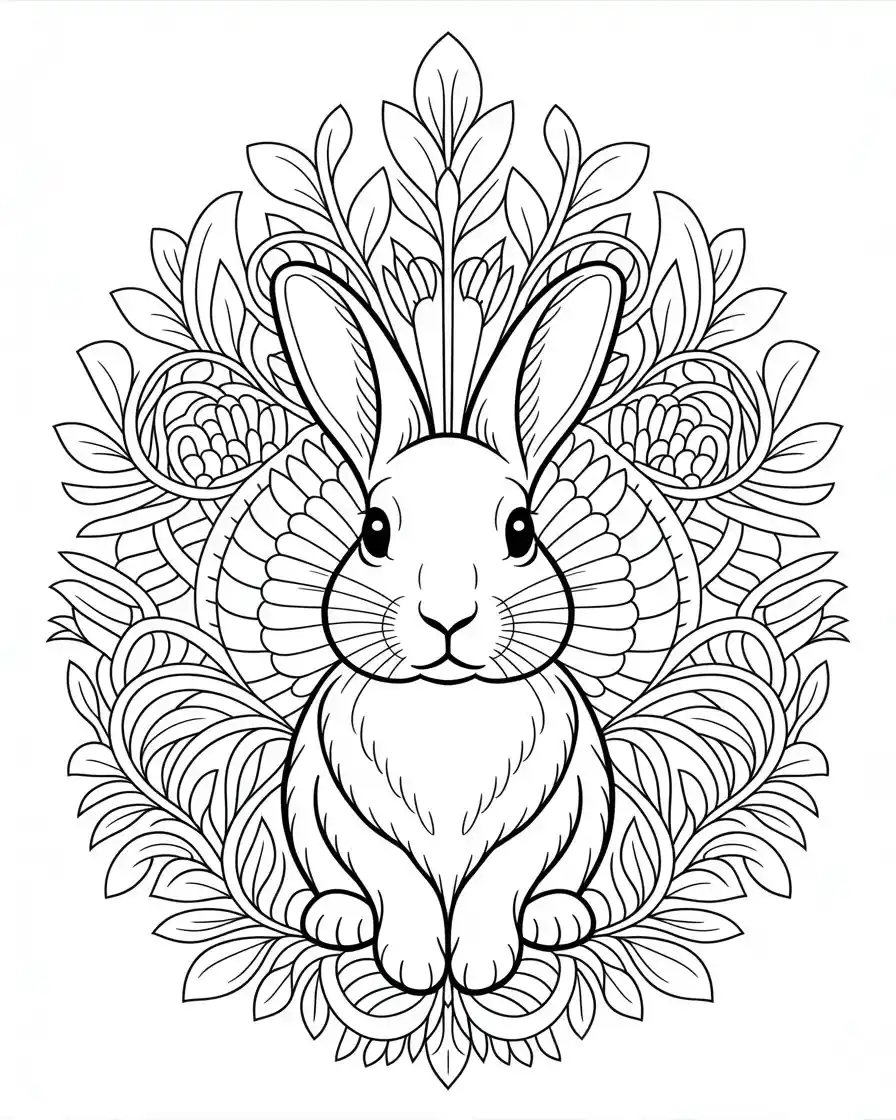
Teens and adults: This group benefits most from the highly detailed rabbit mandala coloring pages and realistic hare illustrations that require sixty to ninety minutes to complete. The length of the session is deliberate; it is what produces the genuine relaxation and mindfulness benefit that makes adult coloring a recognized stress management tool.
Easter Rabbit Coloring Pages Seasonal Value and Classroom Use
Easter bunny designs are consistently among the most downloaded printable coloring sheets globally, with search demand rising sharply from late February through Easter weekend. Their appeal goes beyond holiday timing because they naturally include multiple smaller coloring areas within a single scene.
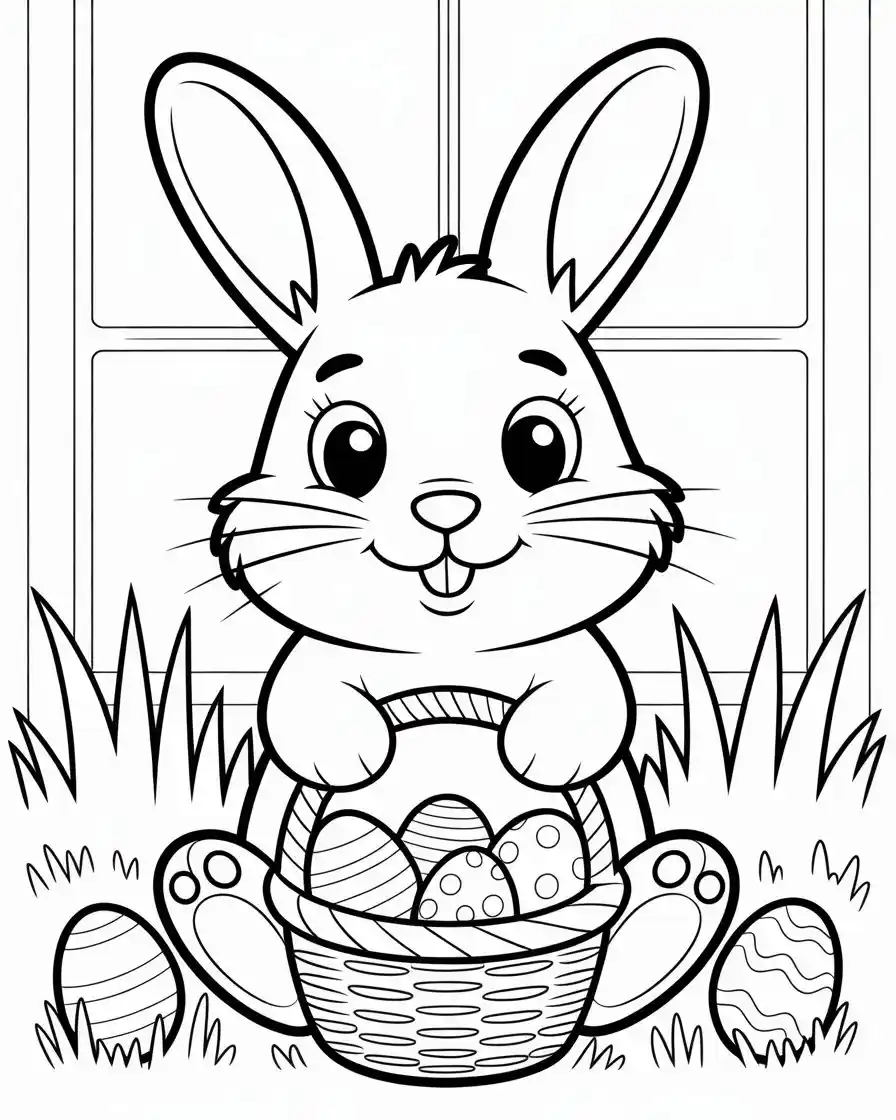
A design showing an Easter rabbit surrounded by decorated eggs, tulips, and a wicker basket gives a child eight to twelve distinct color decisions within one page. That variety maintains attention far longer than a single subject illustration does. Teachers frequently use these as end of term activities because finished pages make attractive classroom displays without requiring any additional craft supplies.
For homeschool families, Easter rabbit scenes also function as cross curricular prompts. The same image can anchor a conversation about spring plant life, what wild rabbits eat, the difference between a rabbit and a hare, or basic egg decoration techniques turning a twenty minute coloring session into a broader learning activity with minimal preparation.
Rabbit Coloring Pages for Adults
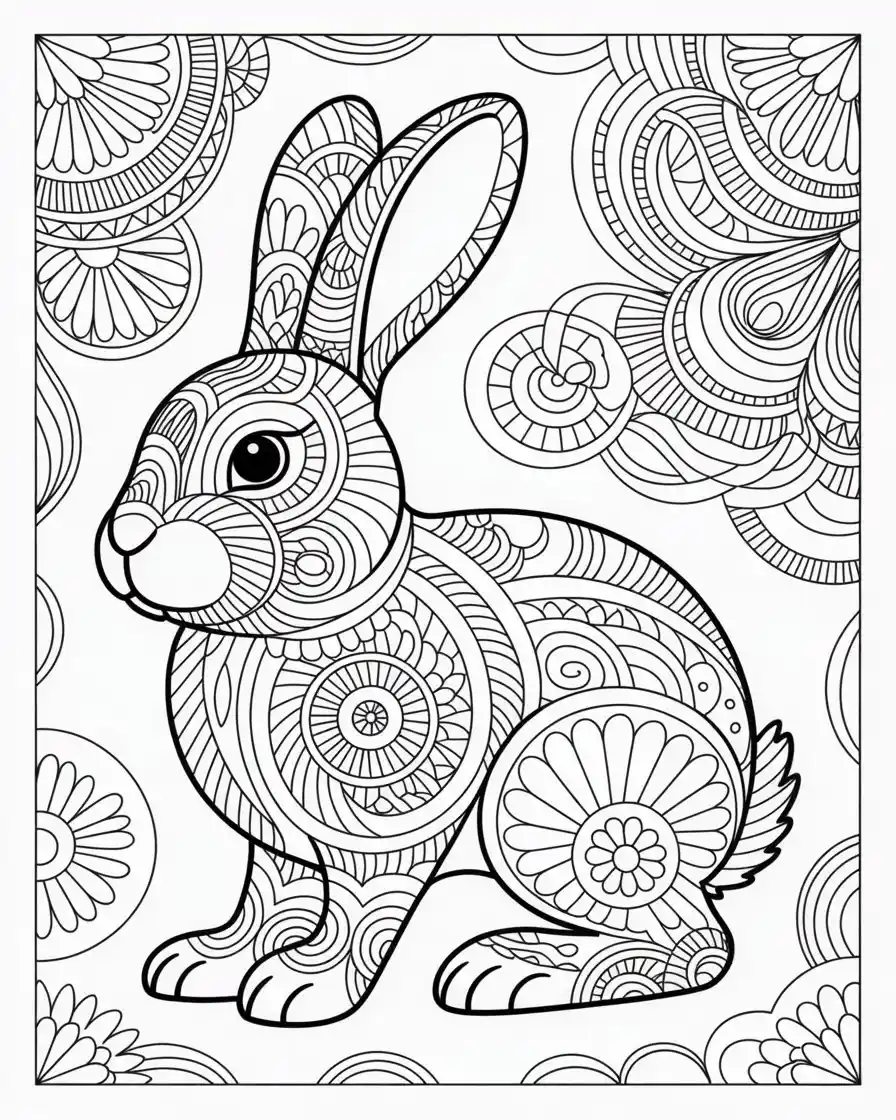
Adult coloring as a mainstream activity grew significantly after 2013, when publishers recognised that detailed nature based and geometric designs appealed to adults seeking screen free creative relaxation. Within that category, rabbit mandala designs have developed a dedicated following because they merge two independently appealing qualities: the meditative rhythm of geometric mandala work and the organic warmth of a rabbit or hare as the central motif.
A well constructed rabbit mandala places a bold stylised hare at the center, often a profile view or running silhouette surrounded by three to five concentric bands of increasing complexity. The innermost band typically echoes the rabbit’s ear shape in a simplified repeating motif, while outer bands introduce floral elements, diamond grids, or scalloped arcs.
How to Print These Sheets Correctly
Printing a coloring sheet seems simple, but a few specific steps produce noticeably better results.
Always print at 100% scale. The fit to page setting found in most print dialogue boxes slightly compresses the image, which reduces line weight and can make bold outlines appear faint and difficult to color neatly. Set your printer to high quality or best mode, and select grayscale or black ink only if the option is available; this produces denser, sharper black lines than printing in color mode with only the black channel active.
For paper, 80gsm standard copy paper works well for crayons and colored pencils. If you plan to use water based markers or brush pens, move up to at least 120gsm to prevent bleed through and surface buckling. For ink wash or light watercolor techniques which some older children and adults enjoy on detailed rabbit illustrations 200gsm watercolor paper gives a dramatically better result, though you will need to adjust your printer’s paper thickness setting manually.
Coloring Tools by Age Group and Design Type
| User group | Recommended tool | Why it works |
| Toddlers (2–4) | Jumbo washable crayons | Easy grip, non toxic, simple cleanup |
| Young children (4–7) | Standard crayons or washable markers | Brighter color, more control |
| Older children (7–12) | Colored pencils | Enables shading and fine detail |
| Teens and adults — realistic pages | Colored pencils (24+ set) | Blending and layering fur textures |
| Teens and adults — mandala pages | Gel pens + colored pencils | Precision for fine lines and fills |
Using These Sheets in Schools and Therapeutic Settings
Reception and kindergarten teachers use printable bunny sheets year round because they quietly achieve several things at once. A simple coloring activity at the session starts functions as a low demand transition that helps children settle before more cognitively demanding work begins. This is especially valuable in send settings, where occupational therapists use coloring as a warm up for children working on dyspraxia, developmental coordination disorder, or fine motor delays. The predictable, bounded nature of the task reduces anxiety while engaging the motor system.
The letter R for rabbit is one of the most widely used alphabet coloring pages in early literacy programmes. Combining the coloring activity with saying the phoneme aloud and then copying the letter in the corner creates a multi sensory experience that improves letter sound retention more effectively than isolated worksheet drills.
Realistic Rabbit Art Meets Natural History
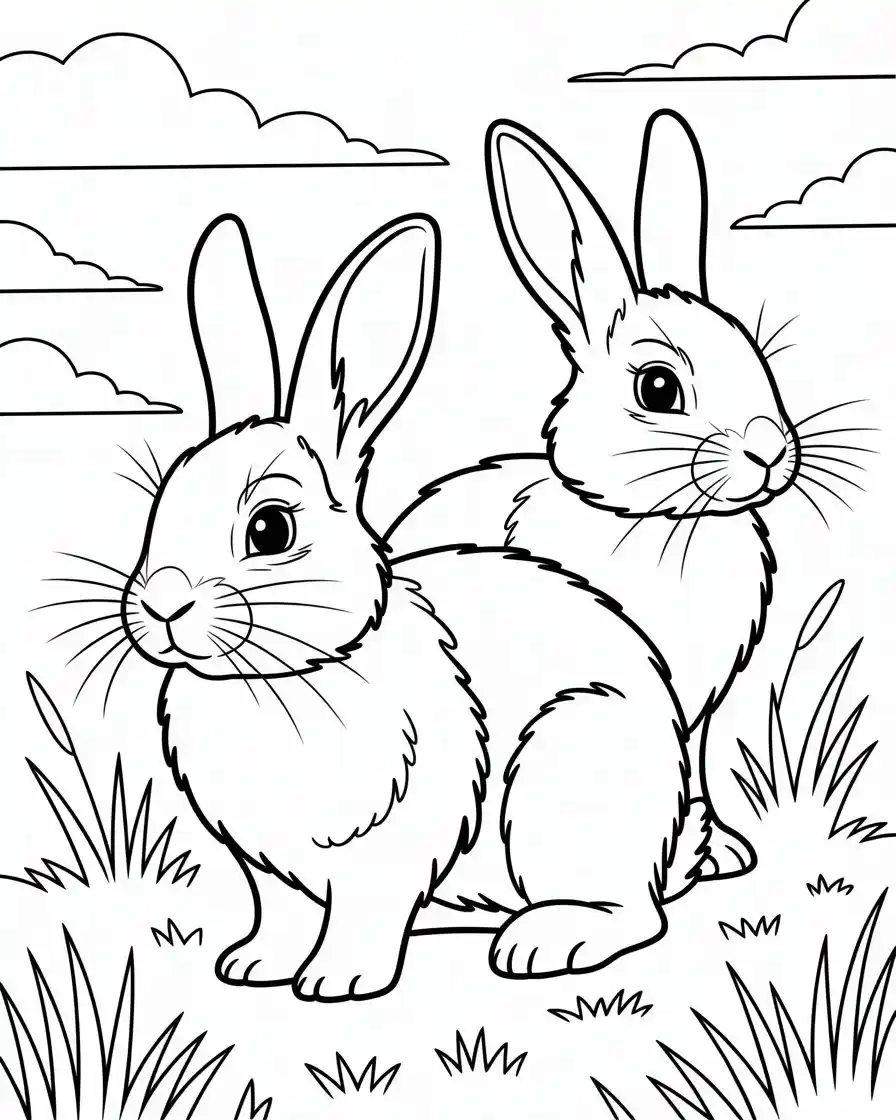
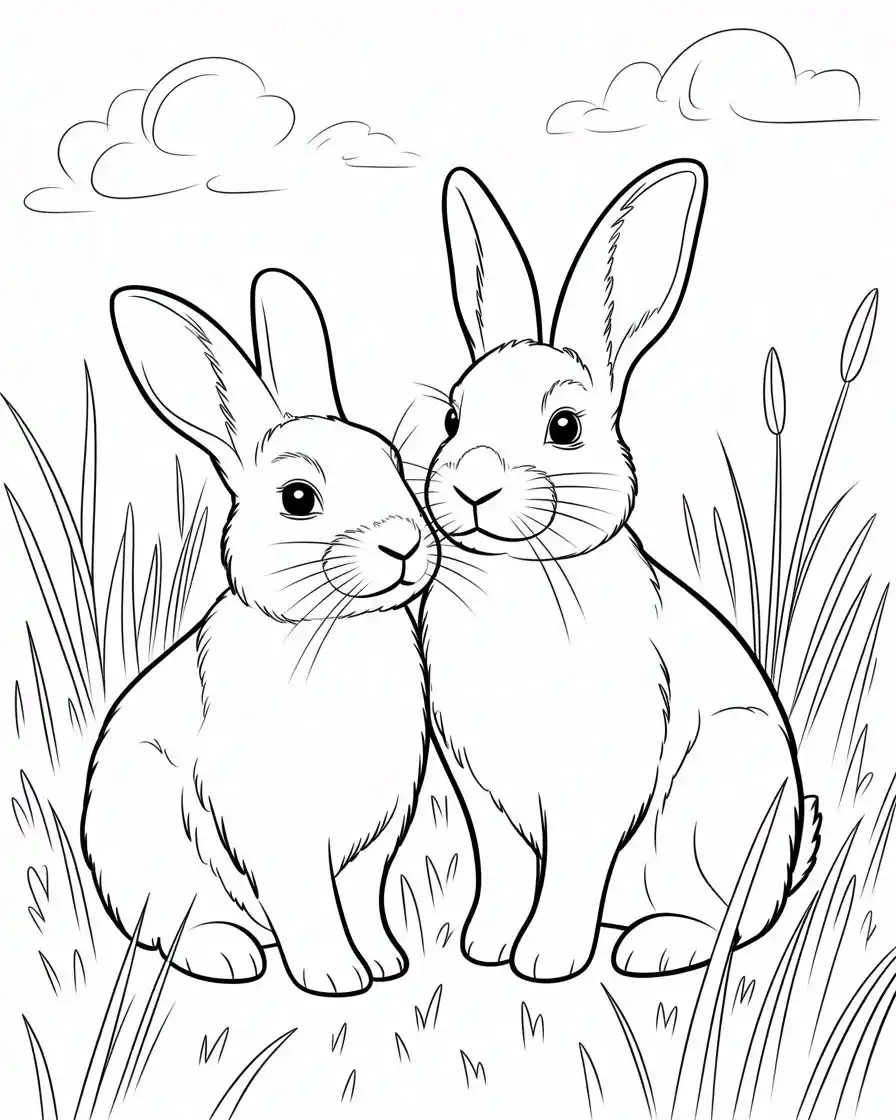
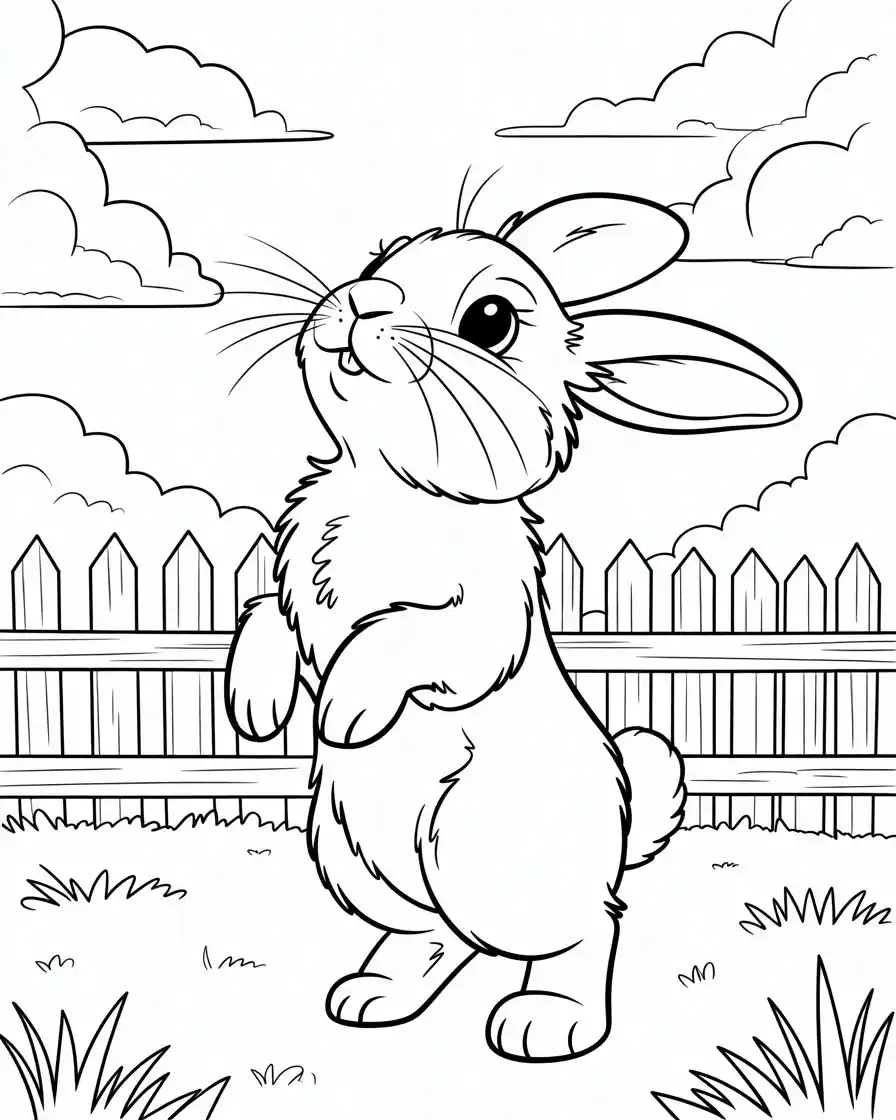
Realistic rabbit coloring pages appeal strongly to older children, nature enthusiasts, and anyone interested in animal illustration as a discipline. Unlike cartoon bunny designs, realistic pages draw on actual animal anatomy the proportions of a European rabbit the elongated hind legs of a jackrabbit, or the winter coat of a snowshoe hare (Lepus Americans).
Coloring these pages with attention to shadow placement and fur direction teaches observation skills that passive reading rarely develops. Many wildlife educators recommend pairing realistic animal coloring sheets with brief factual captions or labeled diagrams as an introduction to biological illustration, a practice that connects art and science in a way that suits both visually oriented learners and academically focused ones.
Technique matters more on realistic pages. Using the side of a colored pencil tip rather than the point when filling fur areas creates soft layered texture. Building color in two or three light passes allows blending and produces depth that single layer coloring cannot achieve.
Frequently Asked Questions About Rabbit Coloring Pages
More Free Printable Coloring Pages
Looking for more printable coloring activities? Our library of over 3,000 free coloring pages has something for every child, every mood, and every occasion. From adorable animals and nature scenes to seasonal holiday designs and intricate mandala patterns, every sheet is free to download and print instantly no sign up required. Browse our special collections below and find your next favorite design.


