Bee Coloring Pages Free Printable Sheets for Kids
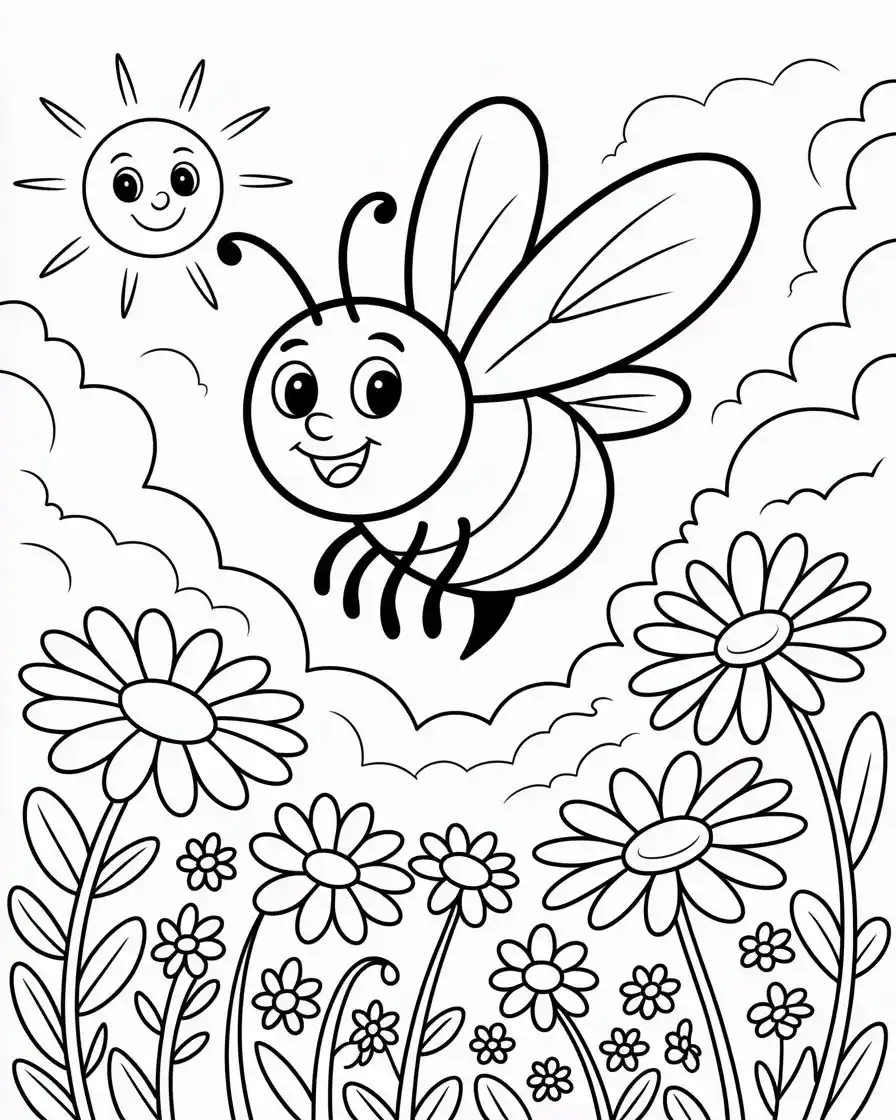
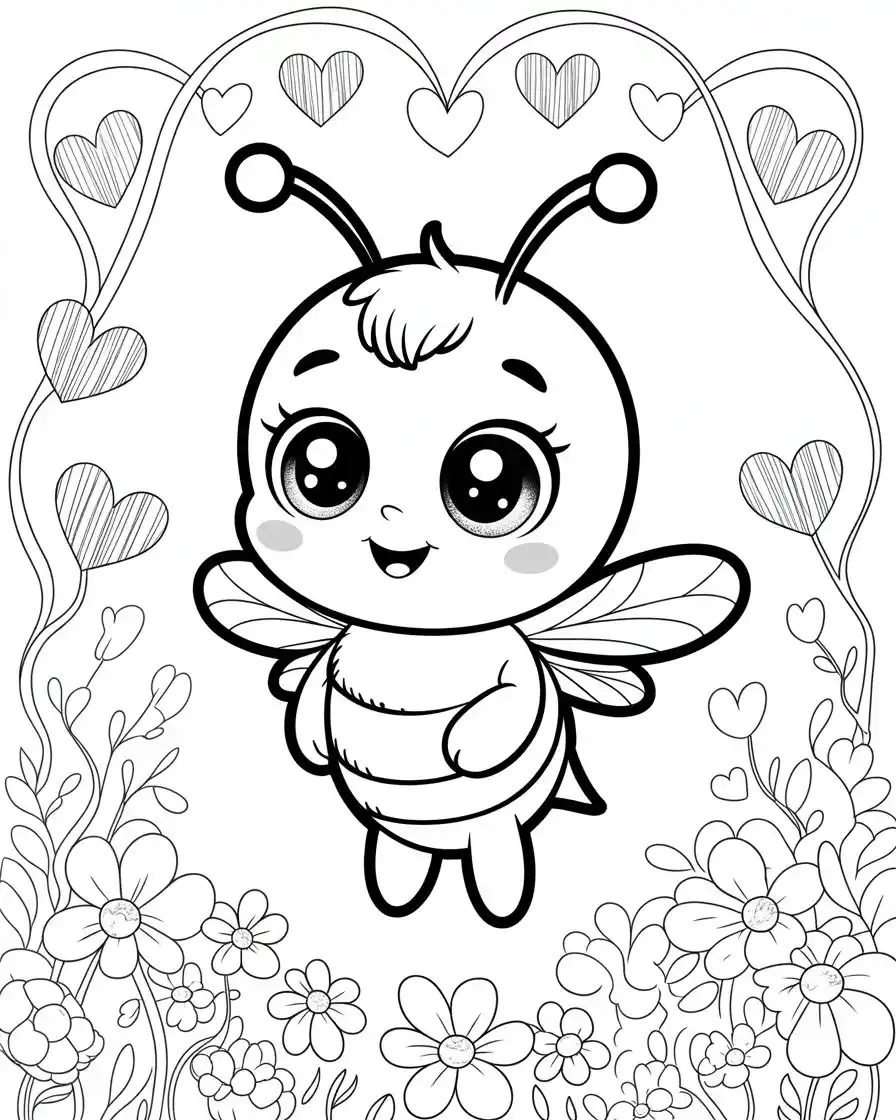
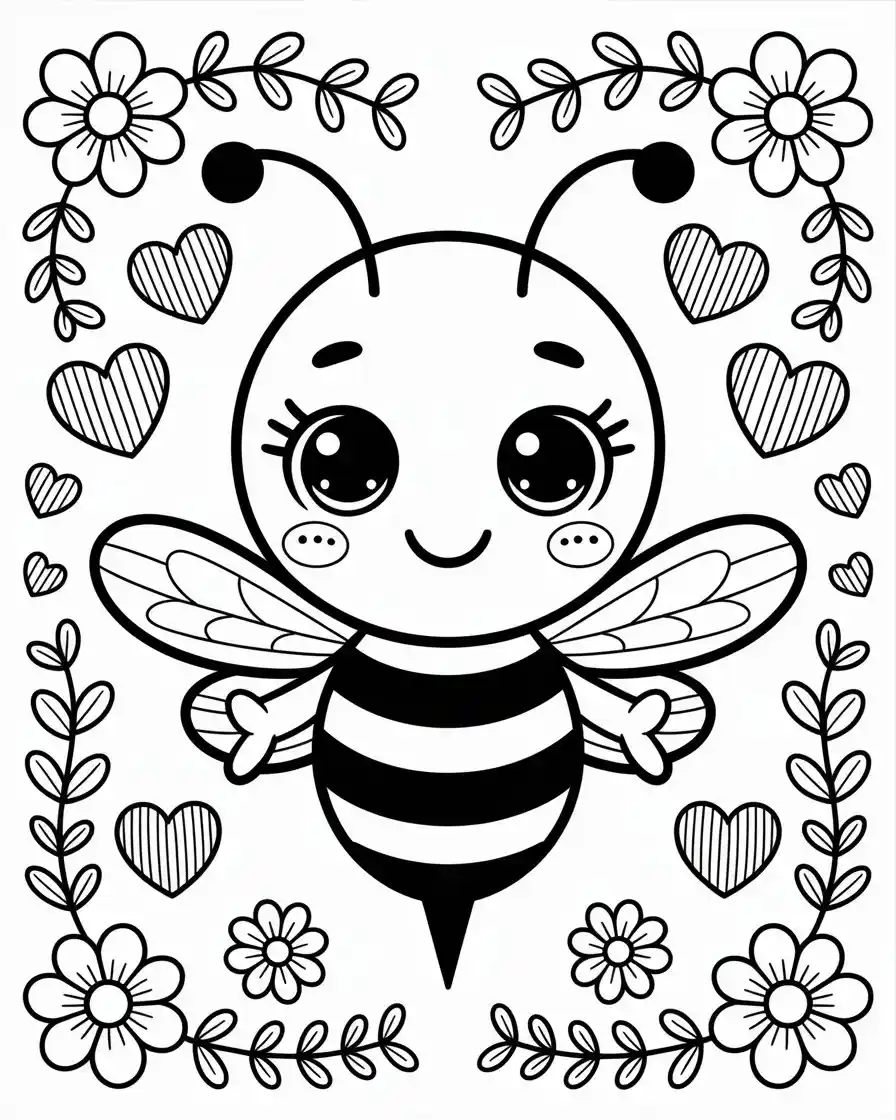
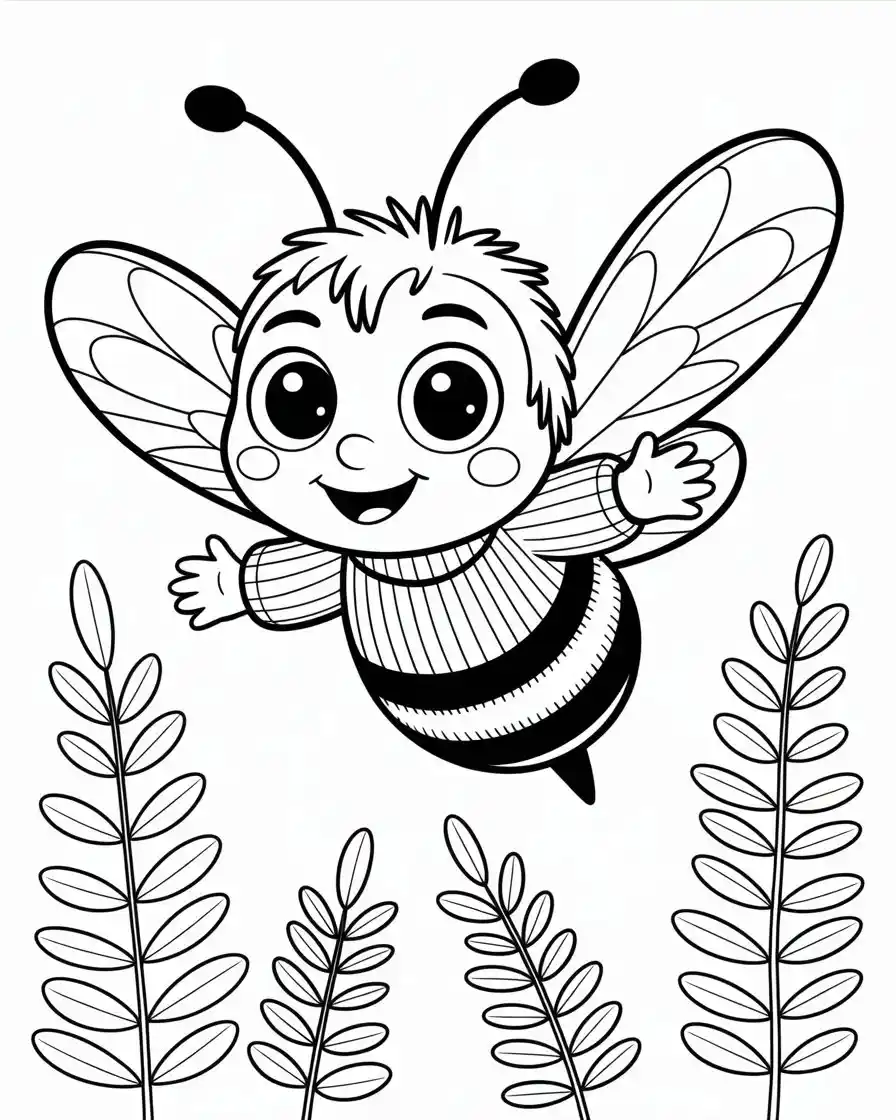
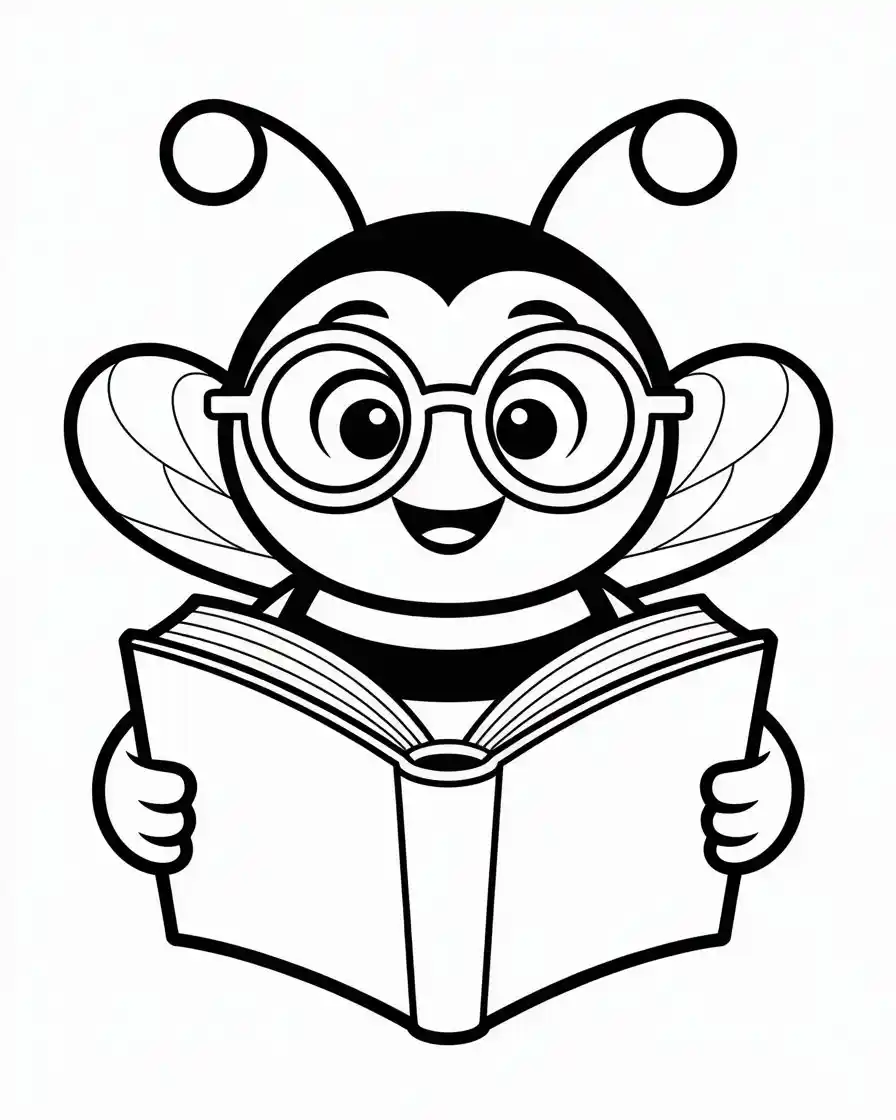
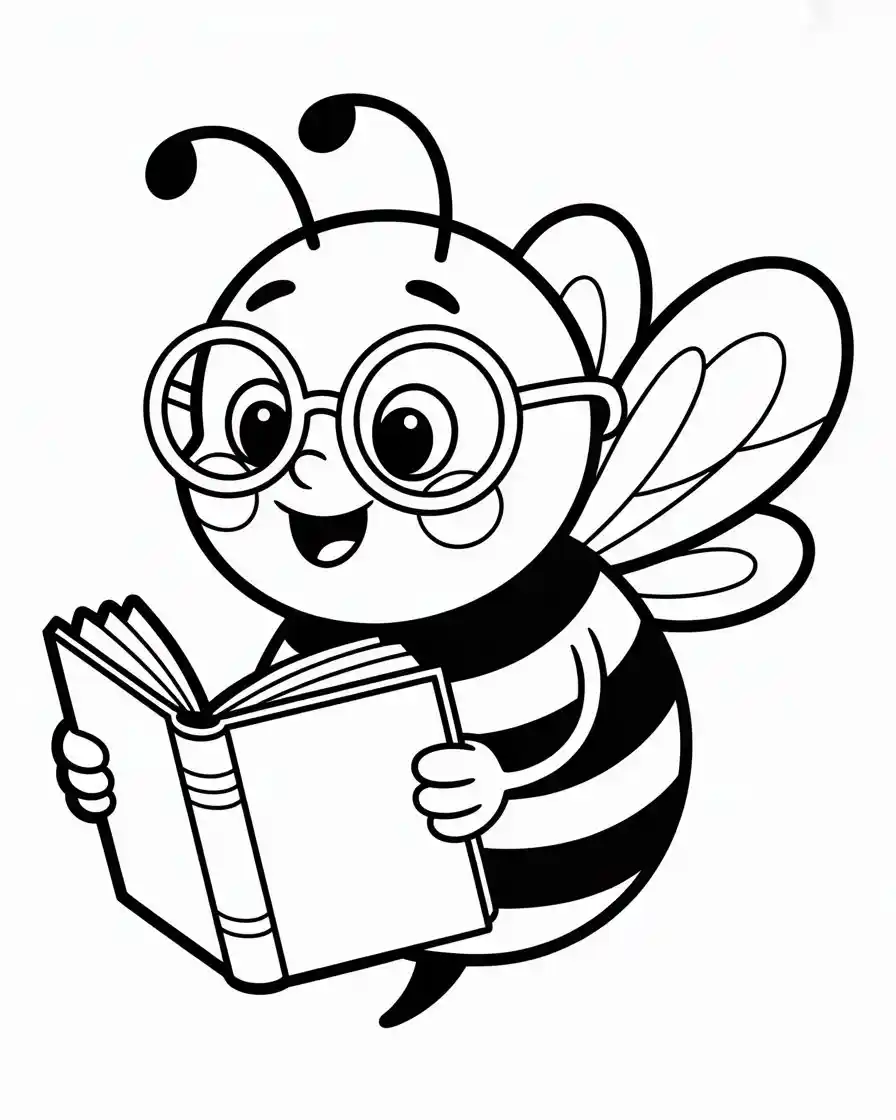
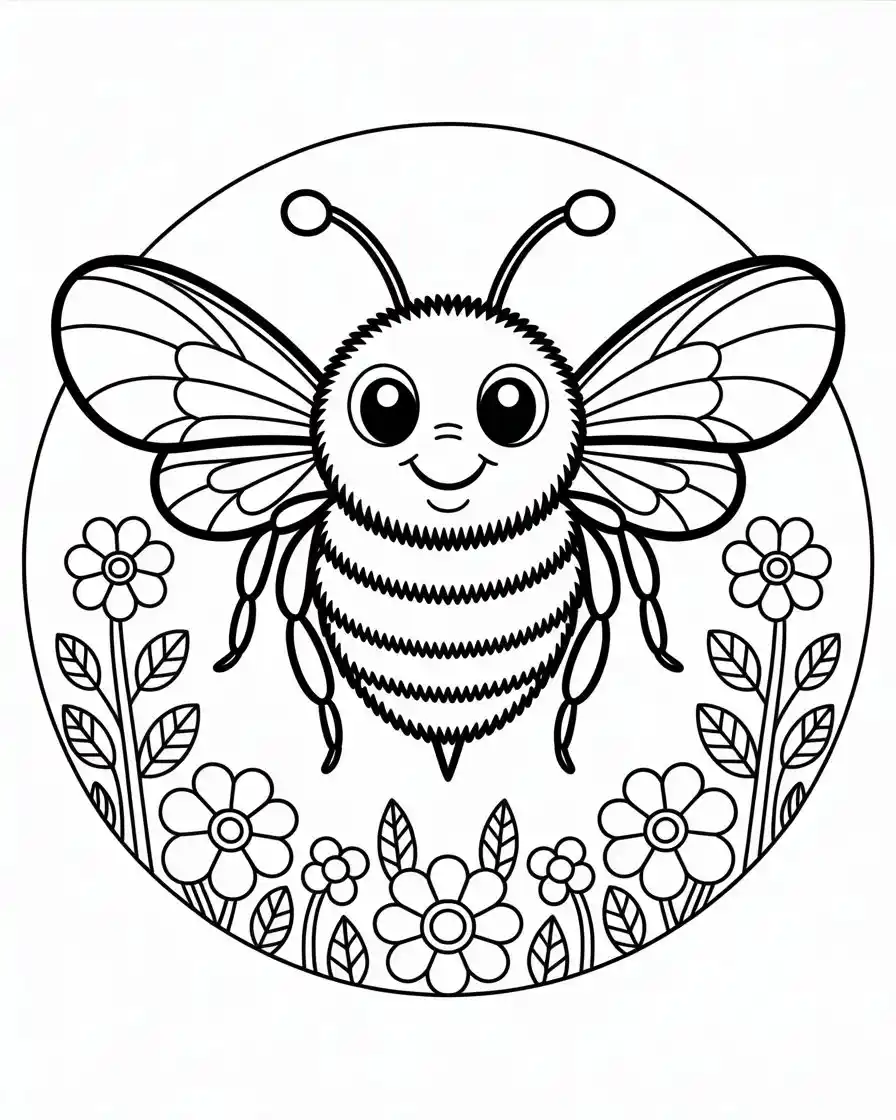
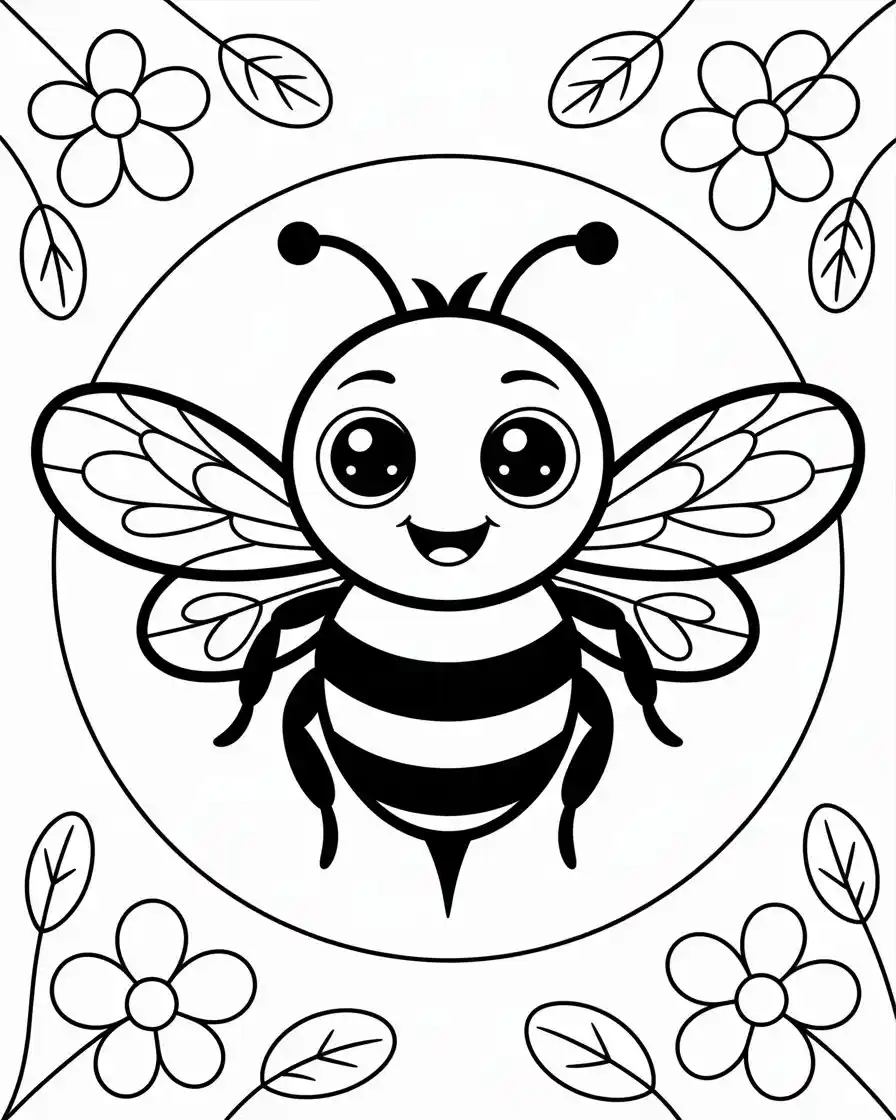
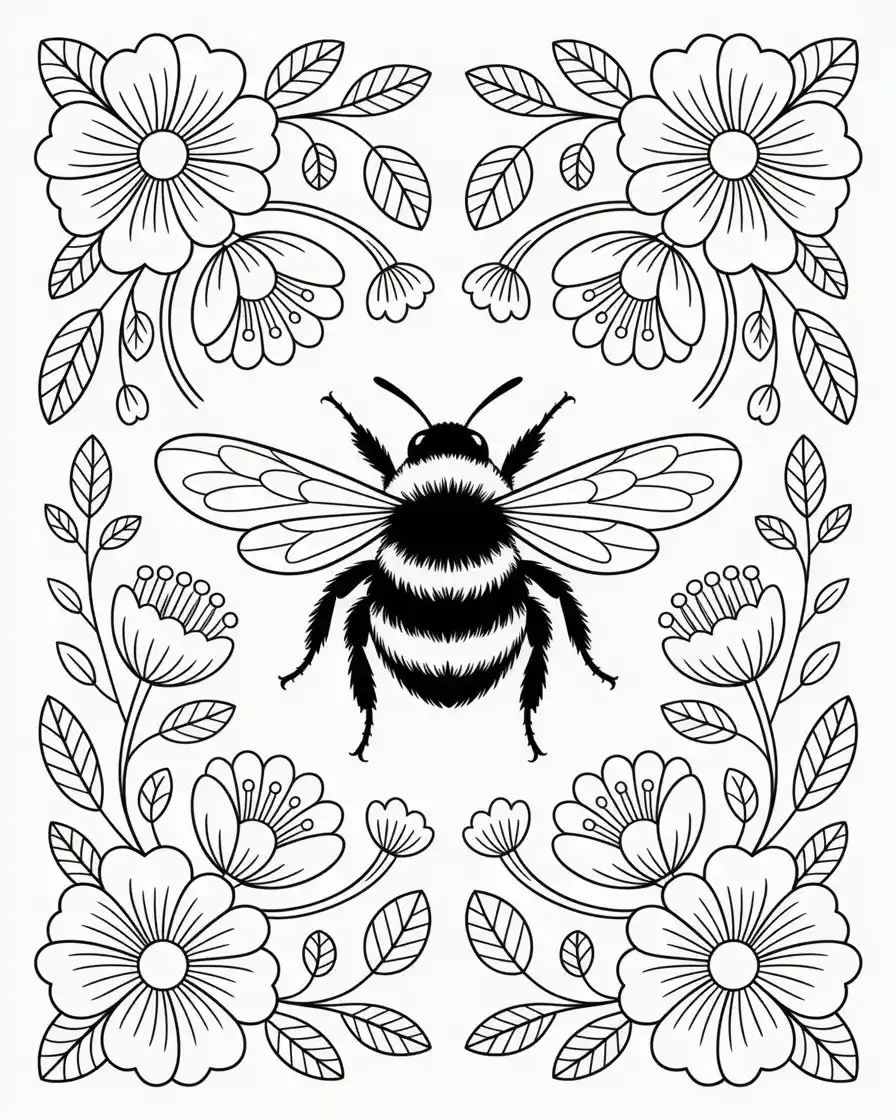
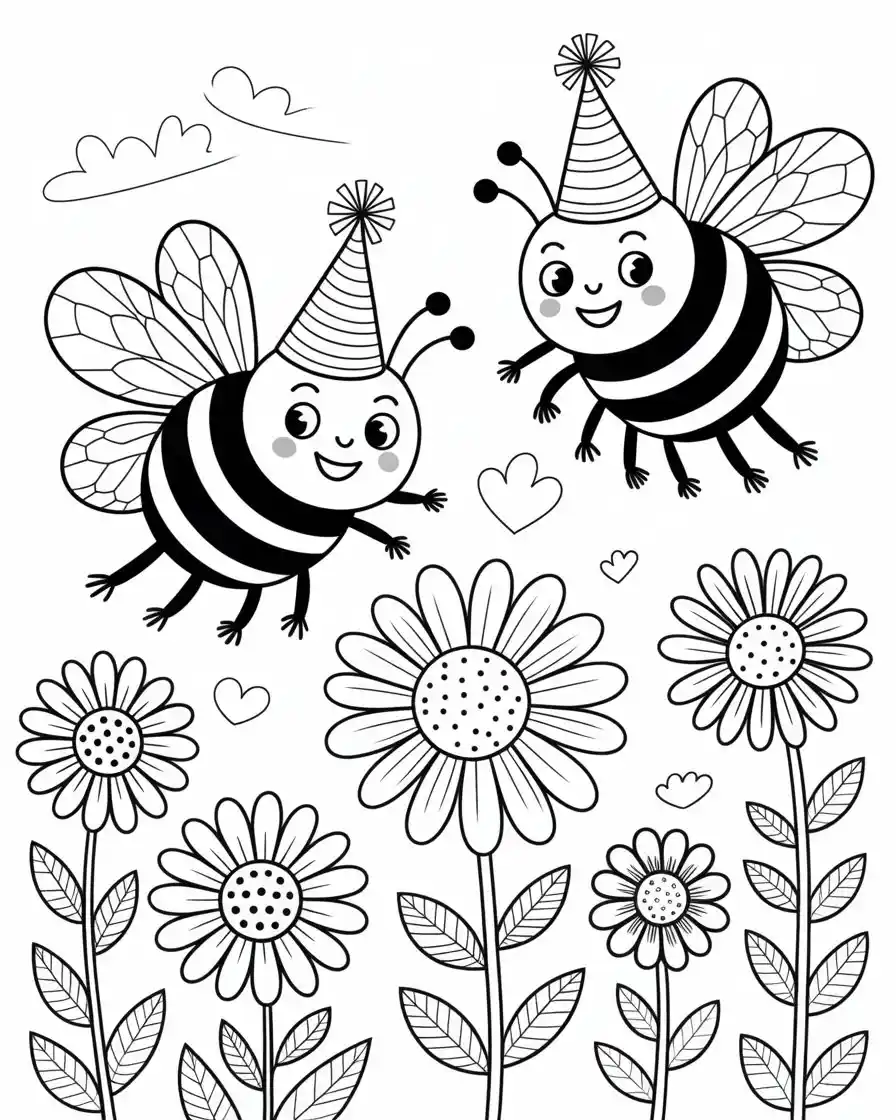
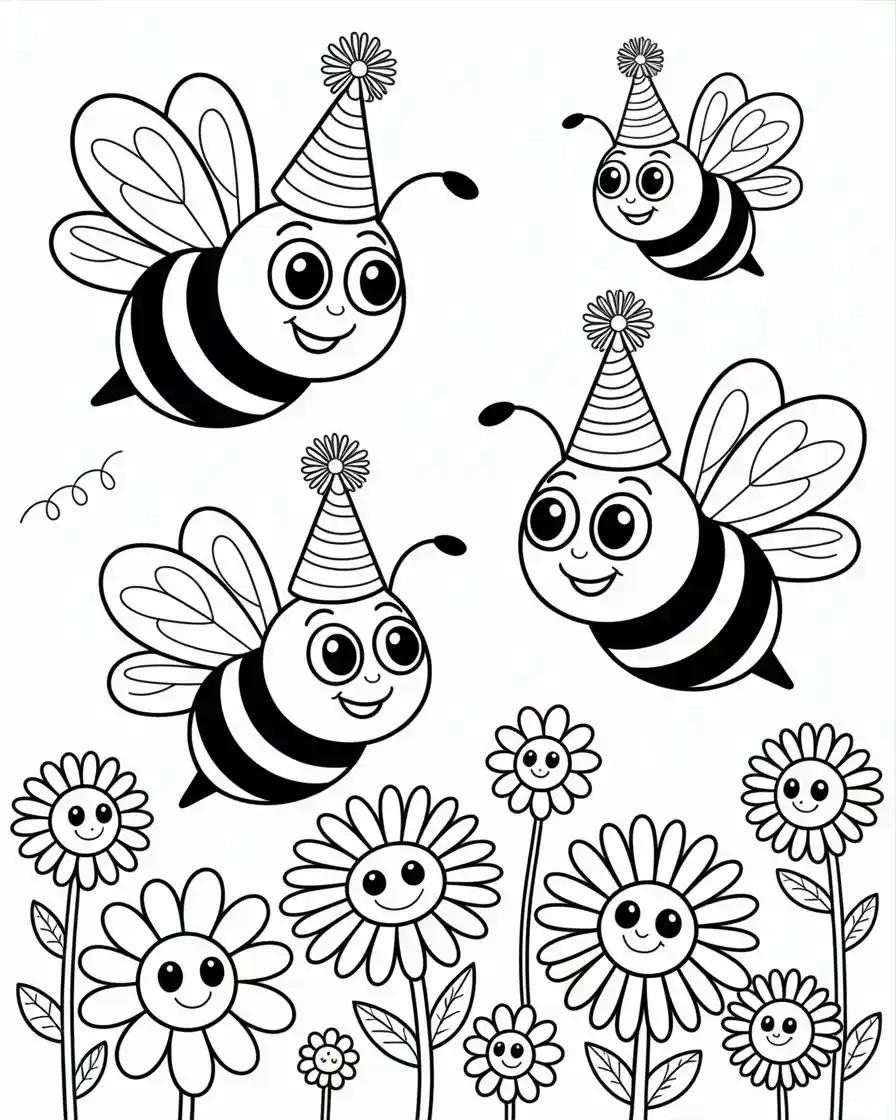
Bee coloring pages are free printable PDF sheets featuring honey bees, bumble bees, beehives, flowers, pollination scenes, and beekeeper illustrations. They help children develop creativity, fine motor skills, and basic science knowledge while providing a fun coloring activity for all ages.
This collection includes 41+ bee coloring sheets ranging from simple outlines for toddlers to detailed honeycomb, anatomy, and botanical designs for older children and adults. Every page is available as a high quality PDF that can be downloaded and printed instantly on standard A4 or US Letter paper.
Every Type of Bee Coloring Page in This Collection
Honey Bee Coloring Pages
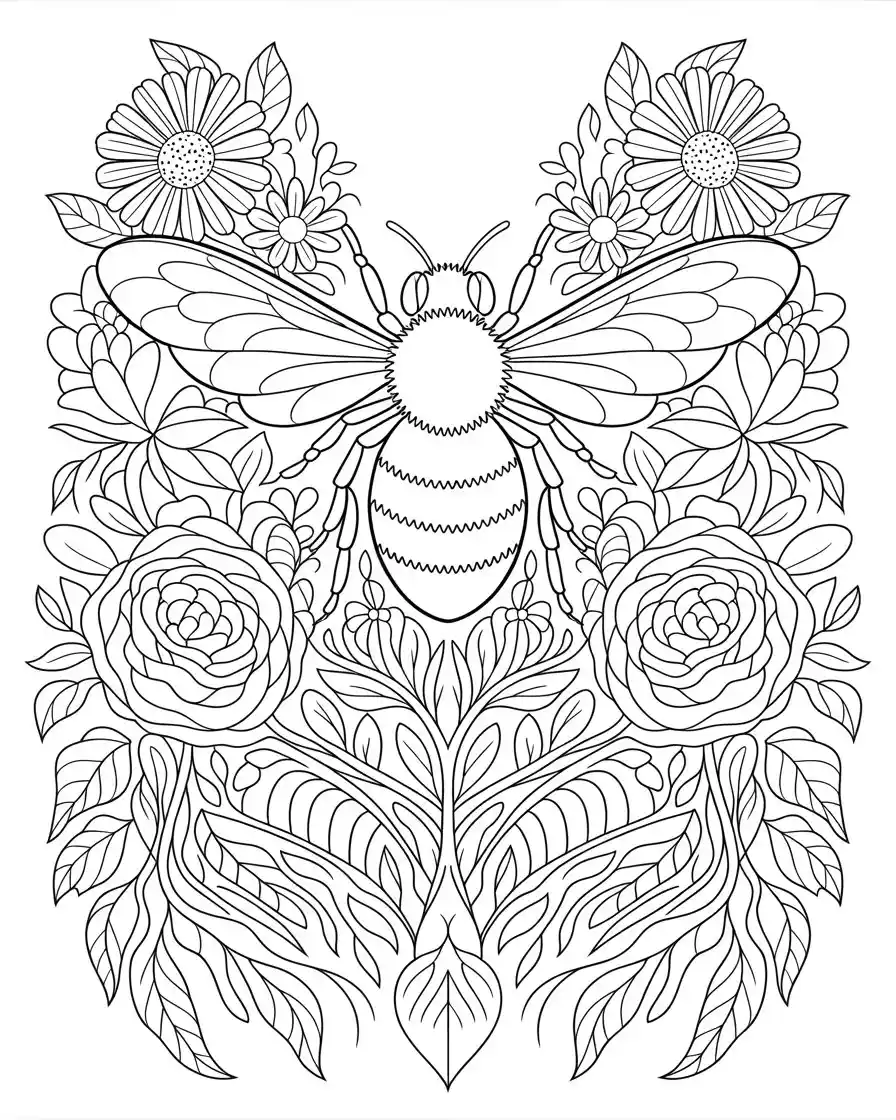
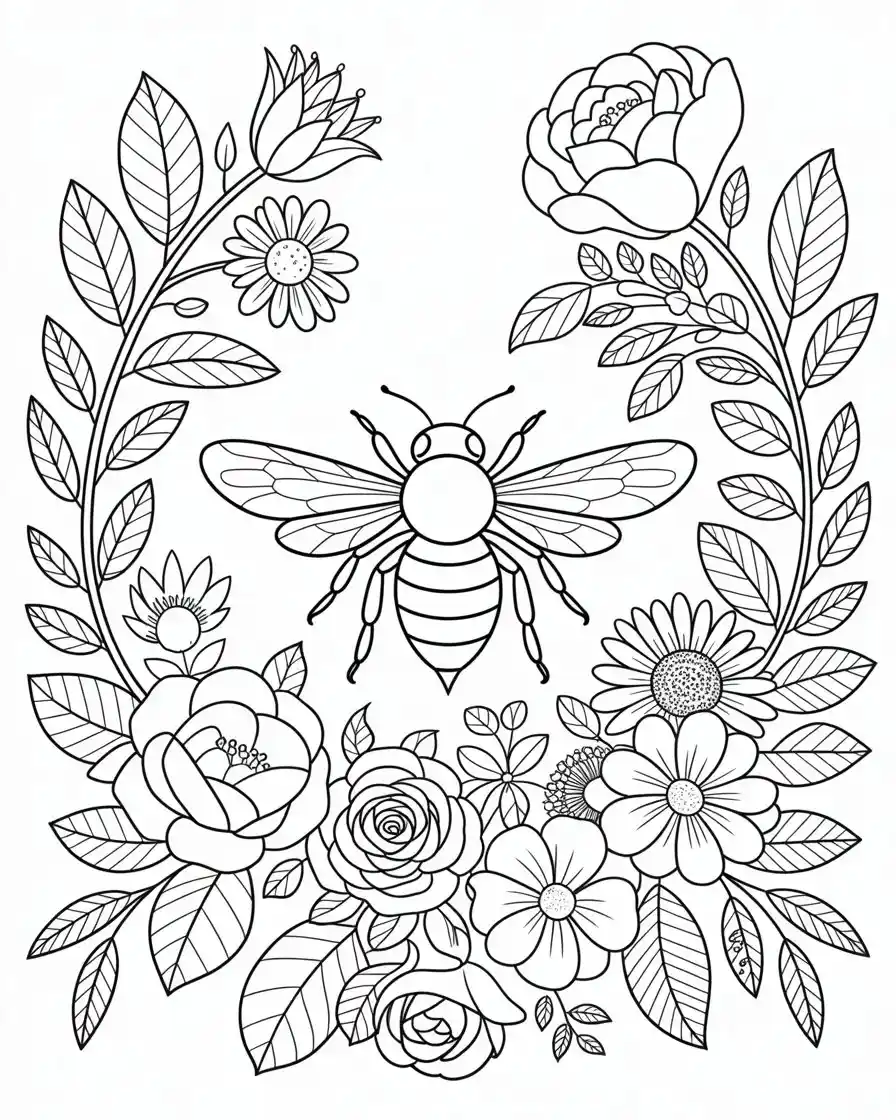
Honey bee pages are slimmer and more anatomically detailed. They show the narrow waist, four wings, pollen baskets on the hind legs, and segmented abdomen. These designs work well for school science projects and older children who enjoy more challenges in a coloring sheet.
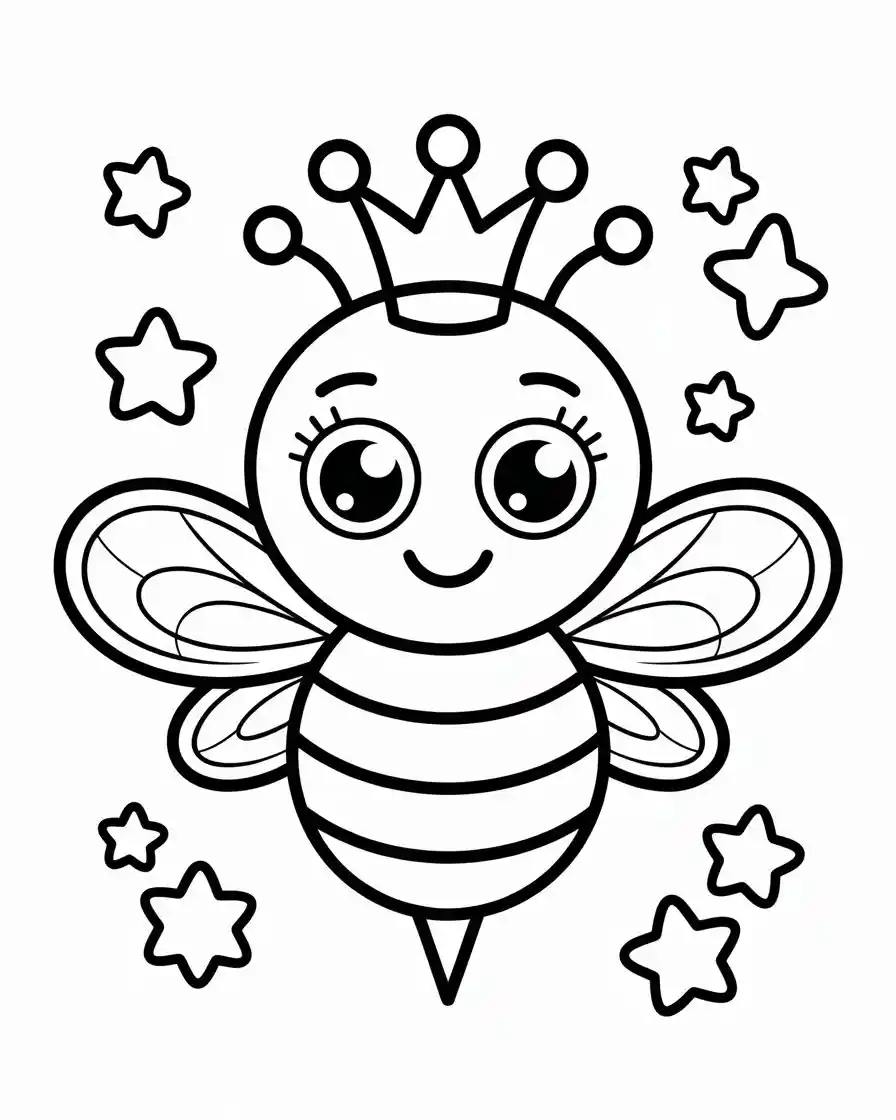
Queen Bee Coloring Pages
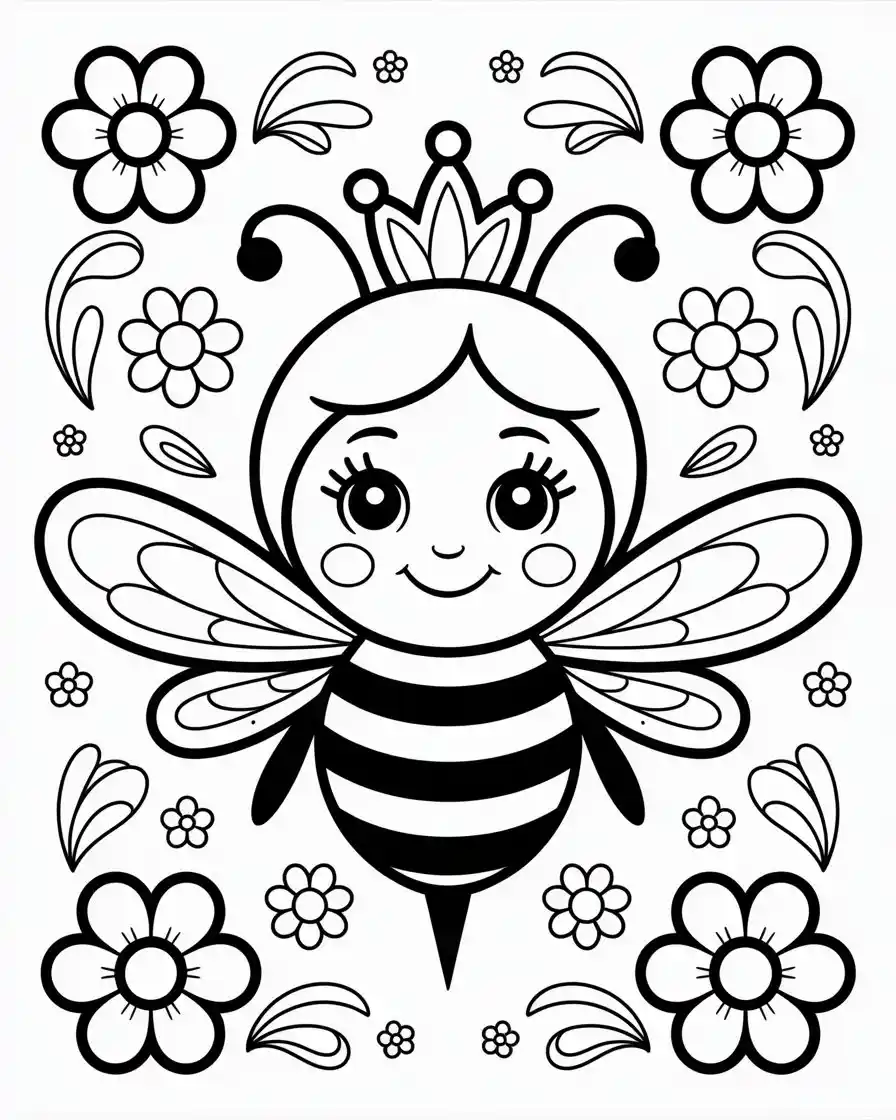
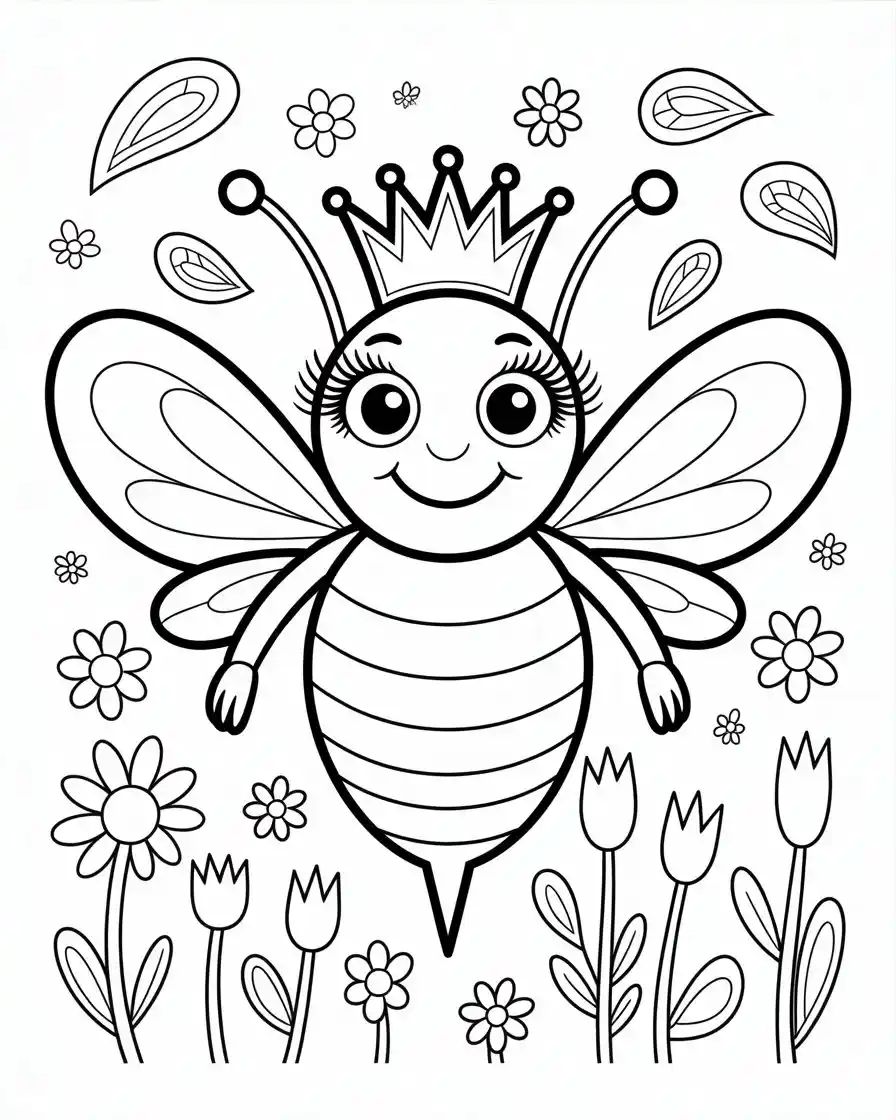
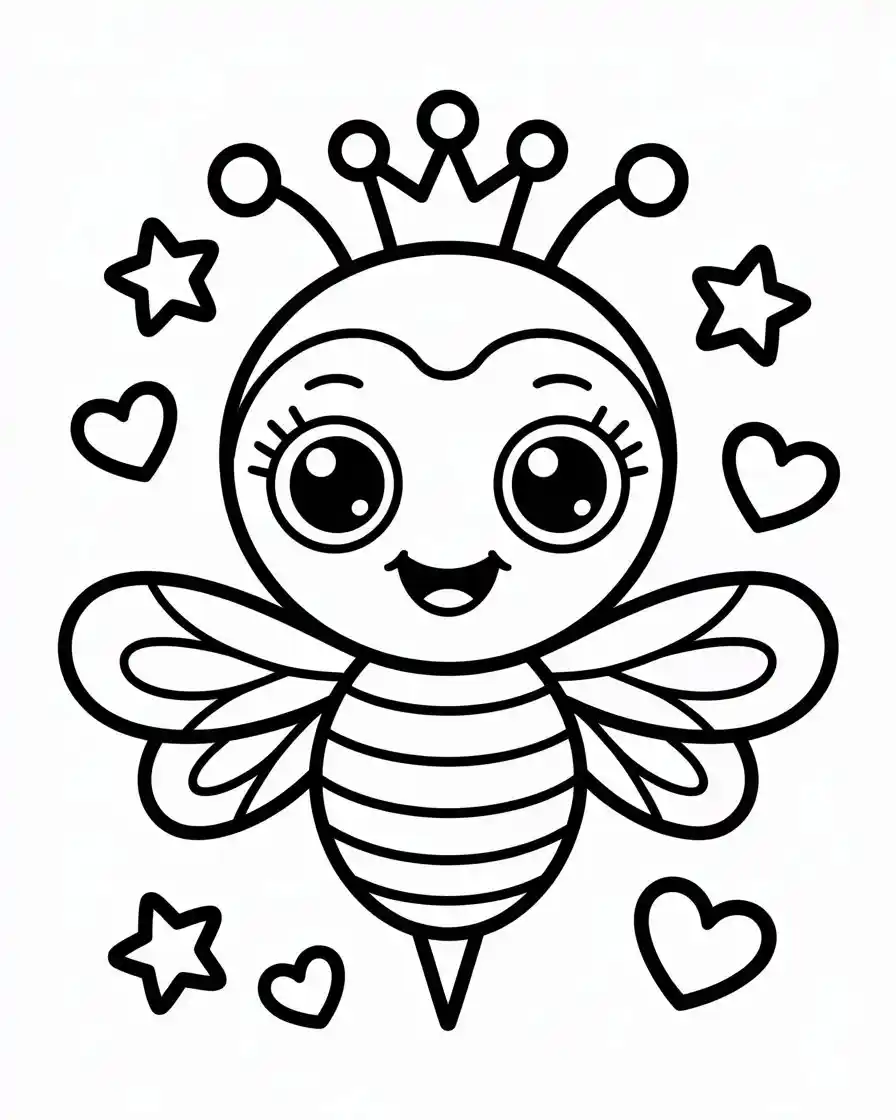
Queen bee designs typically show a bee wearing a small crown a child friendly introduction to colony structure and the role of the queen. These are among the most searched individual designs in the collection, popular for both classroom use and birthday party themes.
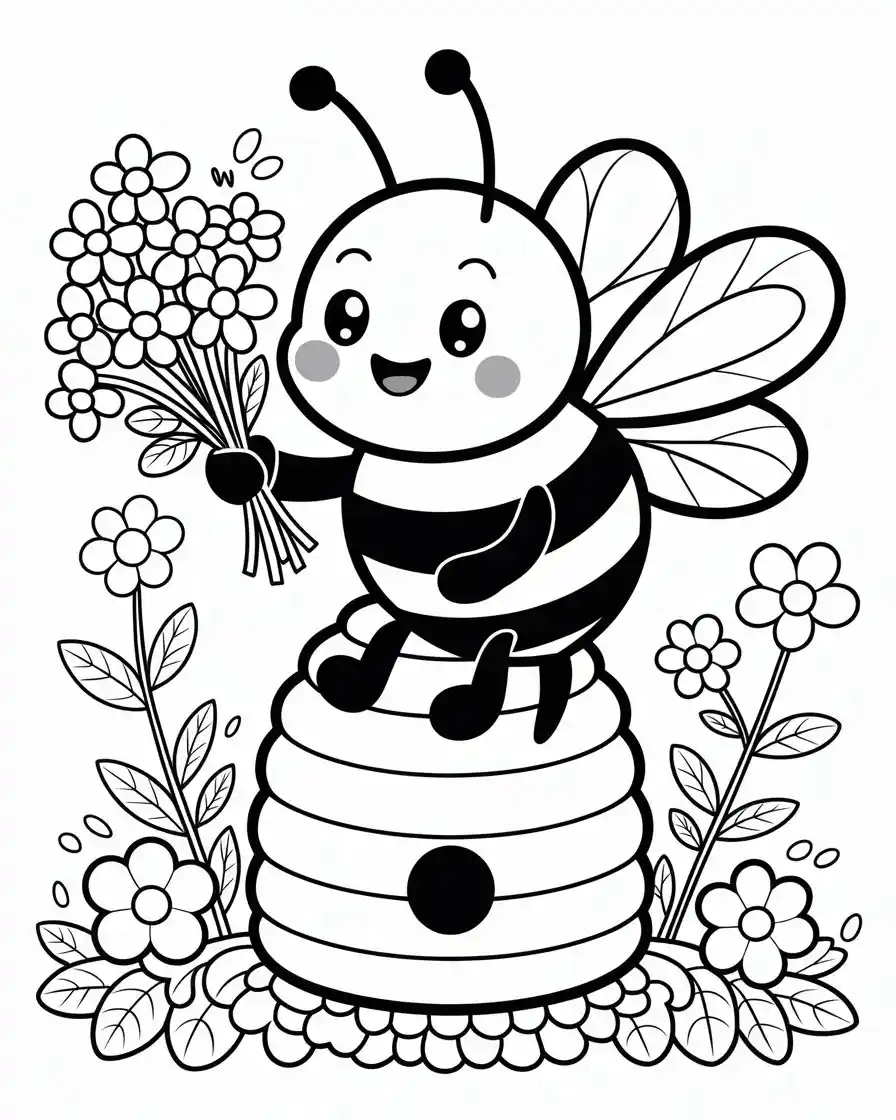
Beehive and Honeycomb Coloring Pages
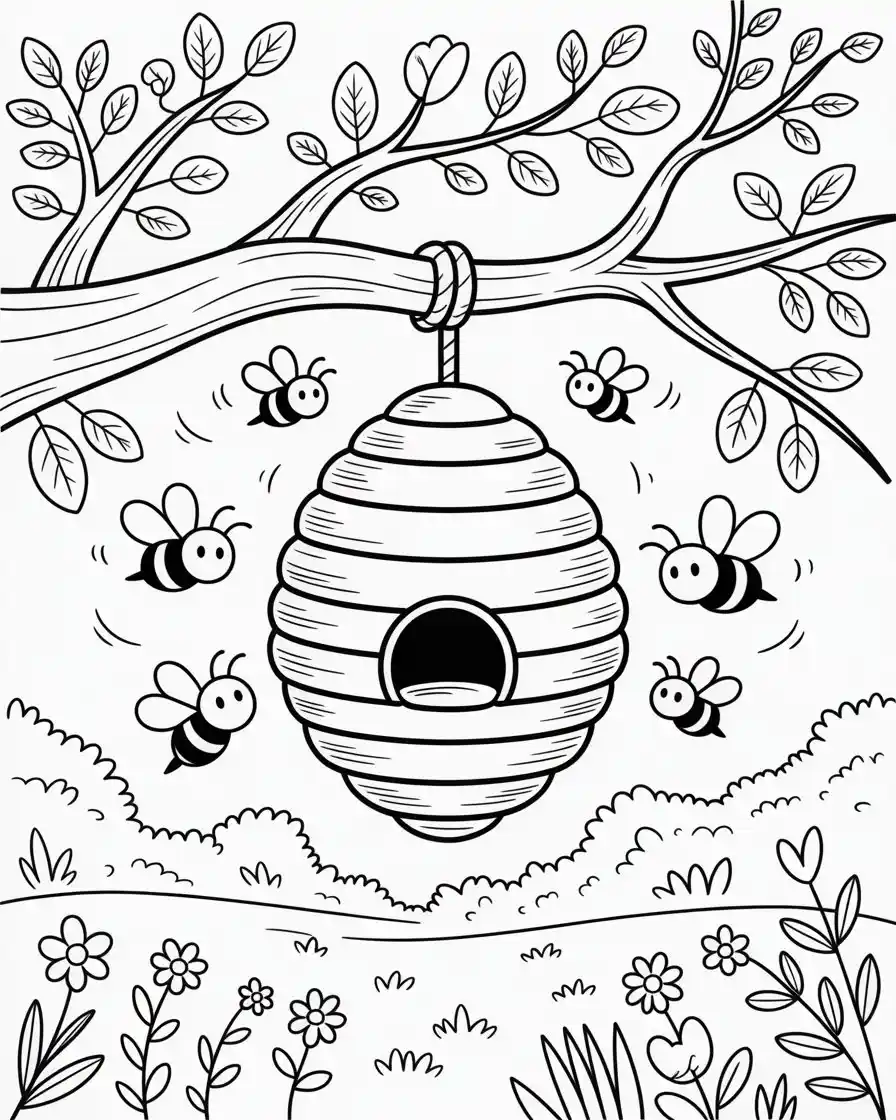
Repeating hexagon patterns are deeply satisfying to color and consistently the top choice for adults and older teens. Warm amber and golden tones honey yellow, burnt orange, pale cream produce the most realistic looking finished pages. These designs quietly introduce real geometry without any explicit math instruction.
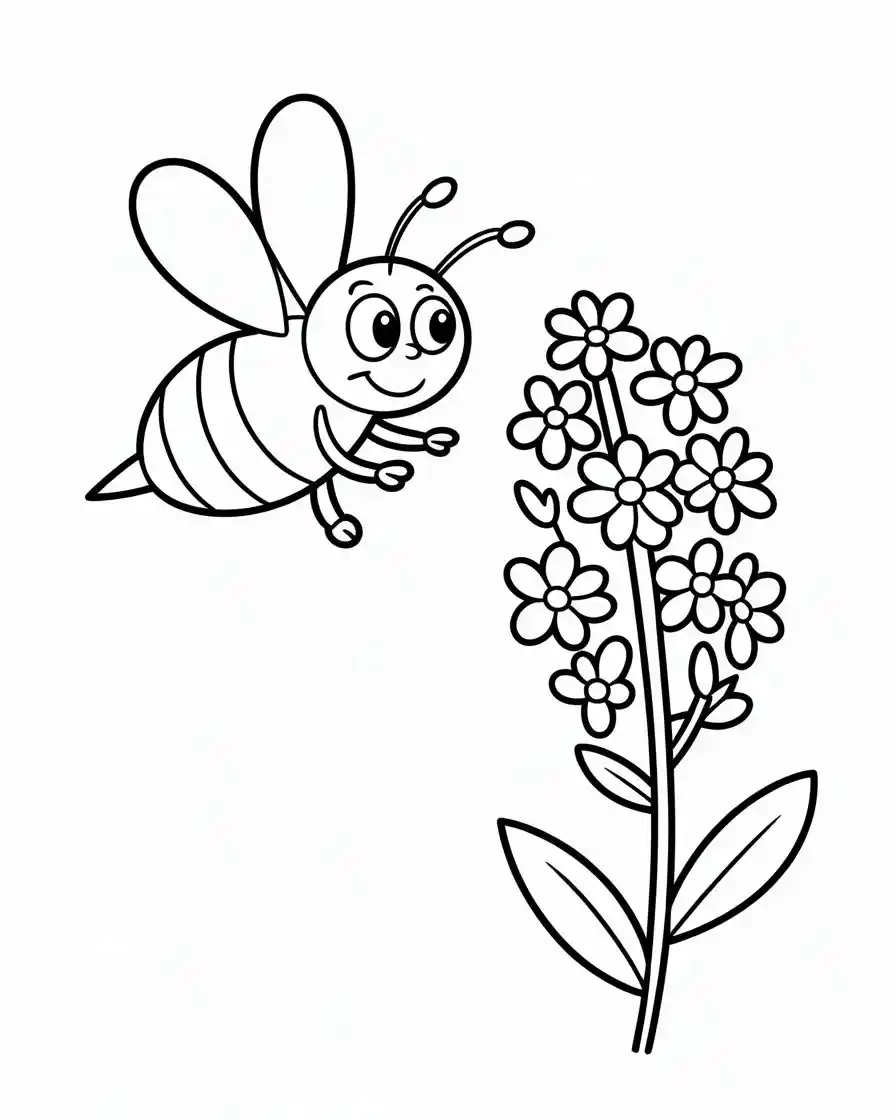
Bee and Flower Coloring Pages
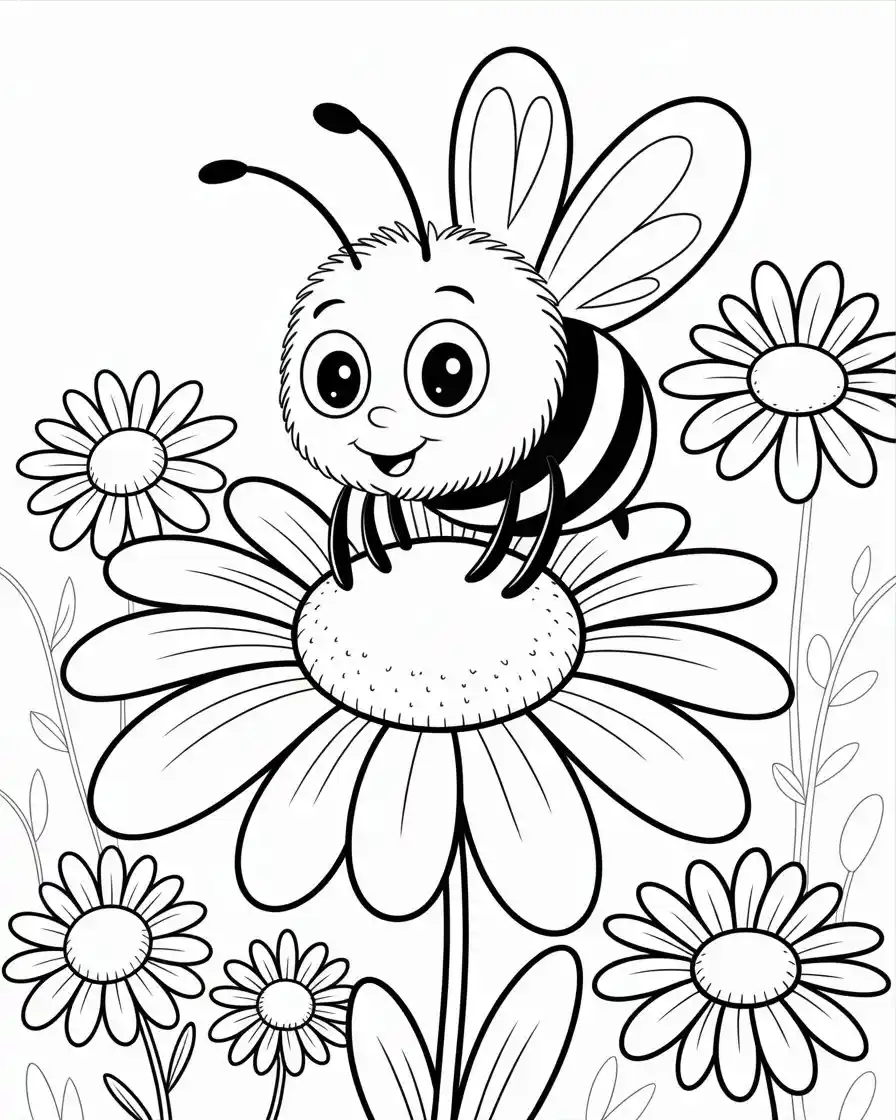
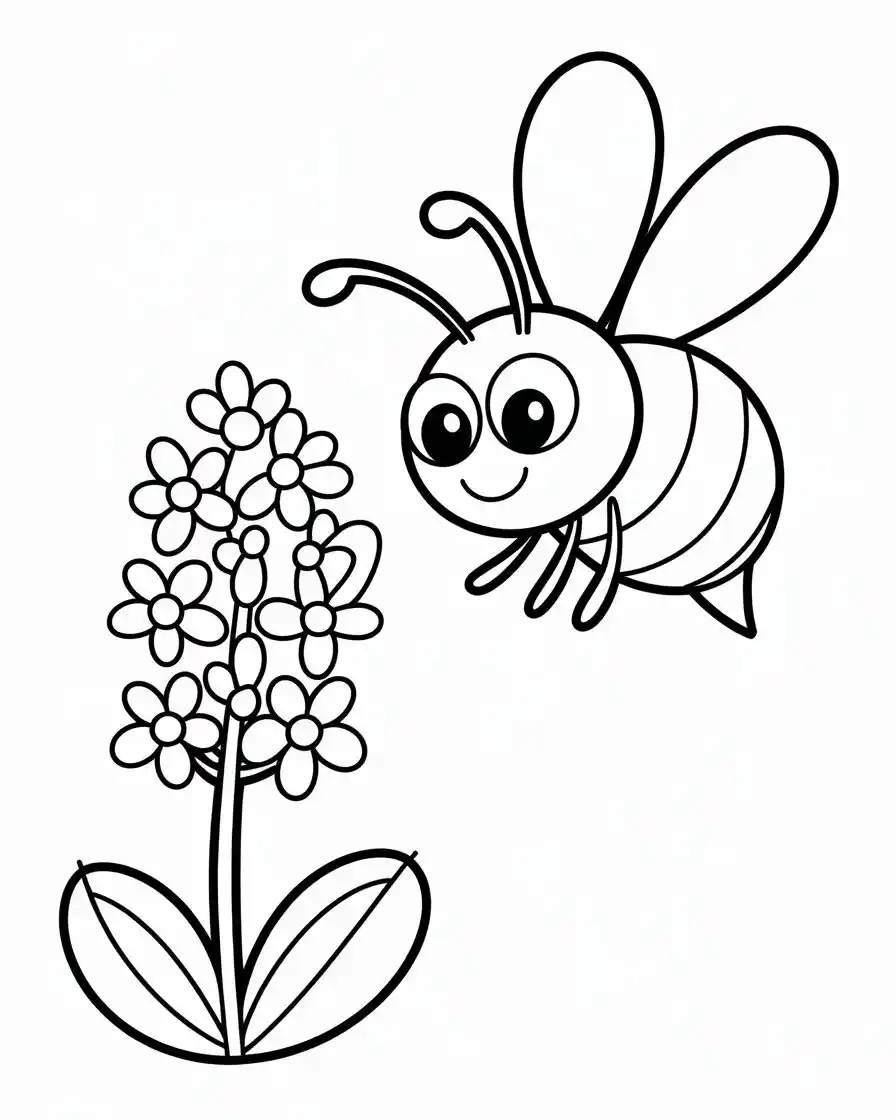
Pollination scenes showing a bee visiting a blossom are the most educationally useful pages in this collection. They capture the most important ecological relationship in plant life in a single image and they work beautifully when printed alongside matching designs from our flower coloring pages collection.
Beekeeper Coloring Pages
Beekeeper scenes show a person in a protective suit tending stacked hive boxes. These give children a clear, realistic picture of where honey comes from and how beekeeping works as a farming practice. Popular for food education activities, farm unit studies, and career awareness lessons.
Bee Anatomy Coloring Pages
Labeled anatomy diagrams showing the main body parts compound eyes, antennae, thorax, abdomen, wings, pollen baskets, and stinger are the most used pages in this collection for primary science classrooms. Available in both labeled and unlabeled versions. The unlabeled version makes an effective test prep activity: color the bee, then add labels from memory.

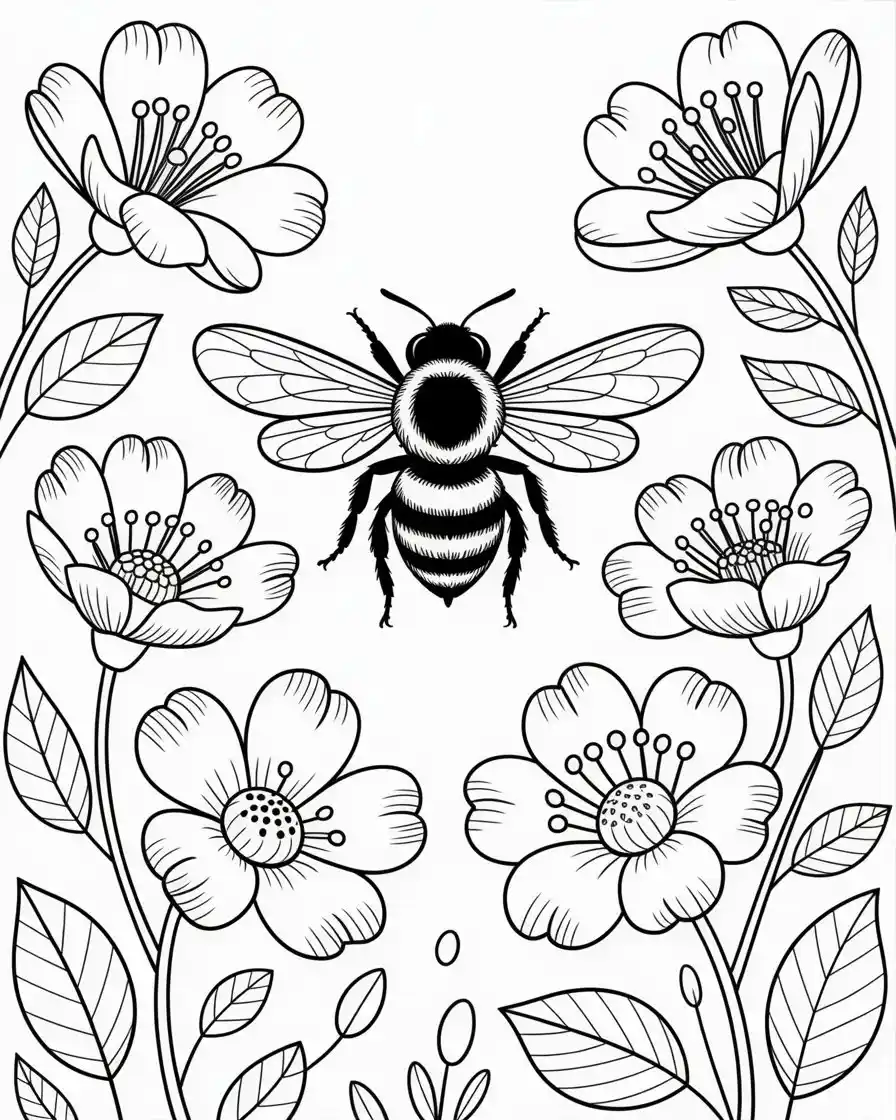







Honey Bee vs Bumble Bee Key Differences at a Glance
| Feature | Honey Bee | Bumble Bee |
| Body shape | Slim, narrow waist | Round, stocky, fuzzy |
| Size | Around 15mm | Up to 23mm |
| Stripe style | Thin amber-golden bands | Bold yellow-black, visibly furry |
| Colony size | Up to 60,000 | 50 to 400 |
| Honey production | Large commercial amounts | Tiny amounts, not harvested |
| Coloring page style | Detailed and realistic | Bold outlines, simple shapes |
| Best age group | 7 and older | 3 and older |
The practical rule: bumble bee pages for younger children, honey bee pages for school projects and adults.
What Real Honey Bees Actually Look Like
This is one of the most common questions children ask when they start coloring a bee page and the answer is more interesting than most people expect.
Real honey bees are amber golden and dark brown, not bright yellow. The classic cartoon bee color vivid yellow with bold black stripes is closest to a bumble bee. Honey bees have a muted, earthy palette: warm amber thorax, dark brown or almost black stripes on the abdomen, and semi transparent wings with visible veins.
Bumble bees genuinely are bright yellow and black, but with a thick layer of fuzzy hair covering the body that gives them a softer, rounder appearance than any cartoon manages to capture.
For the most realistic looking finished page, use amber and golden brown for a honey bee, and bright yellow with black for a bumble bee. Both look striking they are just different creatures with genuinely different colors.
6 Craft Ideas Built Around Real Bee Science
These activities connect directly to bee biology not generic crafts that could apply to any animal subject.
1. Hexagon tiling experiment
Color and cut out individual honeycomb cells. Try to tile a flat surface using the hexagons, then try the same with circles cut from paper. Children directly discover why bees chose hexagons they cover every space. Circles always leave gaps. A five minute hands on geometry lesson that sticks.
2. Pollen transfer demonstration
Color a bee and two flowers. Dust the first flower with yellow cornstarch or yellow glitter to represent pollen. Press the bee against it, then press it against the second flower. The transferred powder shows exactly what happens during pollination. Print matching flowers from our flower coloring pages collection to complete the activity set.
3. Life cycle spinning wheel
Color four bee images: egg, larva, pupa, adult. Cut them out and mount them on a paper plate divided into four sections. Attach a spinning paper arrow in the center. The result is a reusable life cycle model children can use for science revision and classroom presentations.
4. Waggle dance map
Honey bees communicate the location of food sources by dancing. The direction and length of the waggle run tells other bees where to fly relative to the position of the sun. Color a bee, then draw waggle dance arrows on a simple hand drawn garden map showing where flowers are placed. Connects geography, direction, and bee communication in one activity.
5. Anatomy reference card
Color a detailed honey bee anatomy page, then add small sticky labels naming each body part. Keep it as a revision card rather than filing it away. Children consistently retain labeled information better when they colored the image themselves.
6. Save the Bees awareness poster
Color a realistic bee design and mount it on poster board. Children write or illustrate three things humans can do to help bees: plant wildflowers, avoid garden pesticides, and protect natural habitats. A strong Earth Day display that pairs well with butterfly coloring pages for a full pollinator conservation theme.
Using Bee Coloring Pages in the Classroom
Bee coloring pages connect to more curriculum areas than most teachers initially expect.
Science: Anatomy pages support insect unit studies directly. Pollination scenes connect to plant reproduction and food chain lessons. Beehive cross section designs work for animal habitat and behavior units. For a complete insect study module, combine with designs from our insect coloring pages collection.
Mathematics: Honeycomb designs introduce tessellation and shape efficiency without any explicit math instruction. Older students can explore why hexagons tile perfectly and why bees did not choose circles or squares.
Literacy and language: After coloring, children write a short story from a bee’s point of view, research three facts, or complete a body part labeling exercise. The bee theme connects naturally to spelling bee events, vocabulary activities, and report writing.
Environmental education: Bee designs are used for Earth Day units, World Bee Day activities on May 20, and conservation awareness programs.
Bee Facts Worth Knowing Before You Color
Bees can see colors humans cannot. They see ultraviolet light. Many flowers have ultraviolet patterns like arrows pointing to the pollen that are completely invisible to humans but obvious to a bee.
The buzz is wing speed. A bee’s wings beat around 200 times every second. That steady frequency is the sound you hear when a bee flies past.
Honey is the only food that never spoils. The low water content stops bacteria from growing. Honey sealed in ancient Egyptian tombs over 3,000 years ago was still edible when found.
The queen does not make decisions. She lays up to 2,000 eggs per day. Every decision the colony makes is done collectively by the workers the queen has no authority beyond reproduction.
Bees sleep. Worker bees rest with reduced muscle tone for short periods. Older forager bees sleep longer than younger nurse bees.
One bee makes about one twelfth of a teaspoon of honey in its lifetime. Every jar on a shop shelf represents the entire lifetime output of thousands of individual bees.
Bees can recognize human faces. Research published in the Journal of Experimental Biology found that honey bees use feature based face recognition the same basic process humans use with a brain the size of a sesame seed.
Frequently asked questions
Explore More Free Coloring Pages
Koala Coloring Pages: Adorable and easy to color, koala pages are perfect for kids who love Australian animals and cute, simple designs.
Cow Coloring Pages: From cartoon farm cows to realistic breed illustrations, these pages are ideal for preschoolers and farm unit classroom activities.
Crab Coloring Pages: Claws, shells, and ocean scenes make crab coloring pages a fun favorite for kids who love sea creatures and beach themes.
Frog Coloring Pages: Bright colors, big eyes, and life cycle designs make frog pages perfect for young children and primary science classrooms.
Hippopotamus Coloring Pages: Bold shapes and wildlife scenes make hippo coloring pages a great choice for safari themes and African animal classroom units.