Capybara Coloring Page: Cute, Kawaii & Realistic Designs (Free PDF)
If there’s one animal that seems to have taken over the internet in recent years, it’s the capybara. Calm, oversized, and almost impossible to ruffle, this South American rodent has become a favorite subject for coloring pages, and once you see one lounging in a river with a bird on its head, it’s easy to understand why. Unlike most wildlife coloring subjects, a capybara doesn’t need a dramatic pose or a fierce expression to be interesting; its appeal comes from exactly the opposite, a kind of quiet, unbothered calm that translates surprisingly well onto paper.
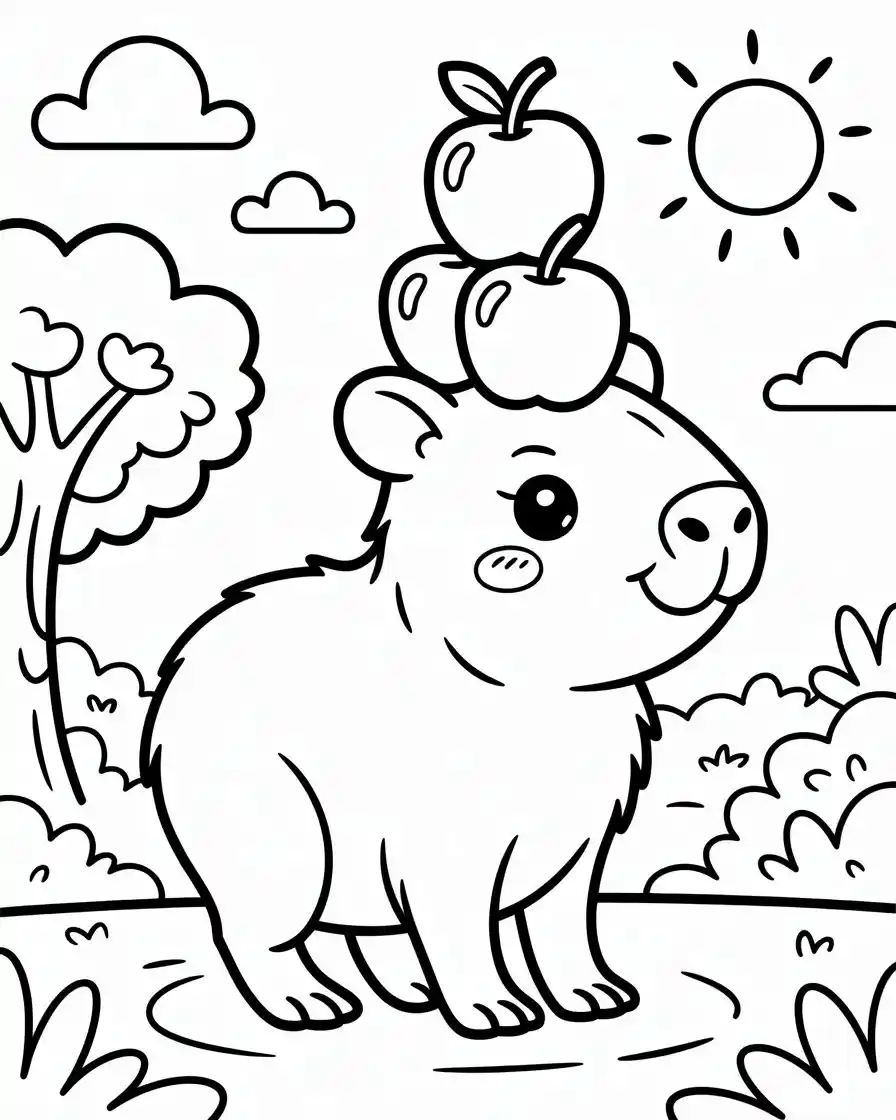
This free, printable collection gathers a capybara coloring page for every age and mood, from a simple toddler friendly outline to a detailed, realistic design for older kids and adults, each available as a high resolution PDF with no sign up required. Whether the goal is a five minute activity before dinner or a slower, more detailed session on a quiet afternoon, there’s a version here built for it.
What Makes the Capybara Such a Popular Coloring Subject
Part of the appeal is simply how the animal looks. A capybara’s rounded body, small ears, and blunt, friendly face translate easily into a coloring outline that isn’t intimidating for a young child to work with, while still leaving enough surface area for older kids to add detail and shading. The other part of the appeal is personality, or at least the personality people project onto them. Capybaras are famously unbothered by almost everything, often shown sharing space with birds, other capybaras, and even different species entirely, which has made them something of an internet symbol for calm.
A few genuine facts about the animal make it worth talking about while a child colors:
- Capybaras are the largest rodents in the world, with adults commonly weighing over 100 pounds.
- They’re highly social animals and are rarely found alone, usually living in groups that can range from a handful to over a dozen individuals.
- Capybaras are semi aquatic, with partially webbed feet that make them strong swimmers, and they can hold their breath underwater for several minutes.
- They’re native to South America, most commonly found near rivers, lakes, and marshes across countries like Brazil, Venezuela, and Argentina.






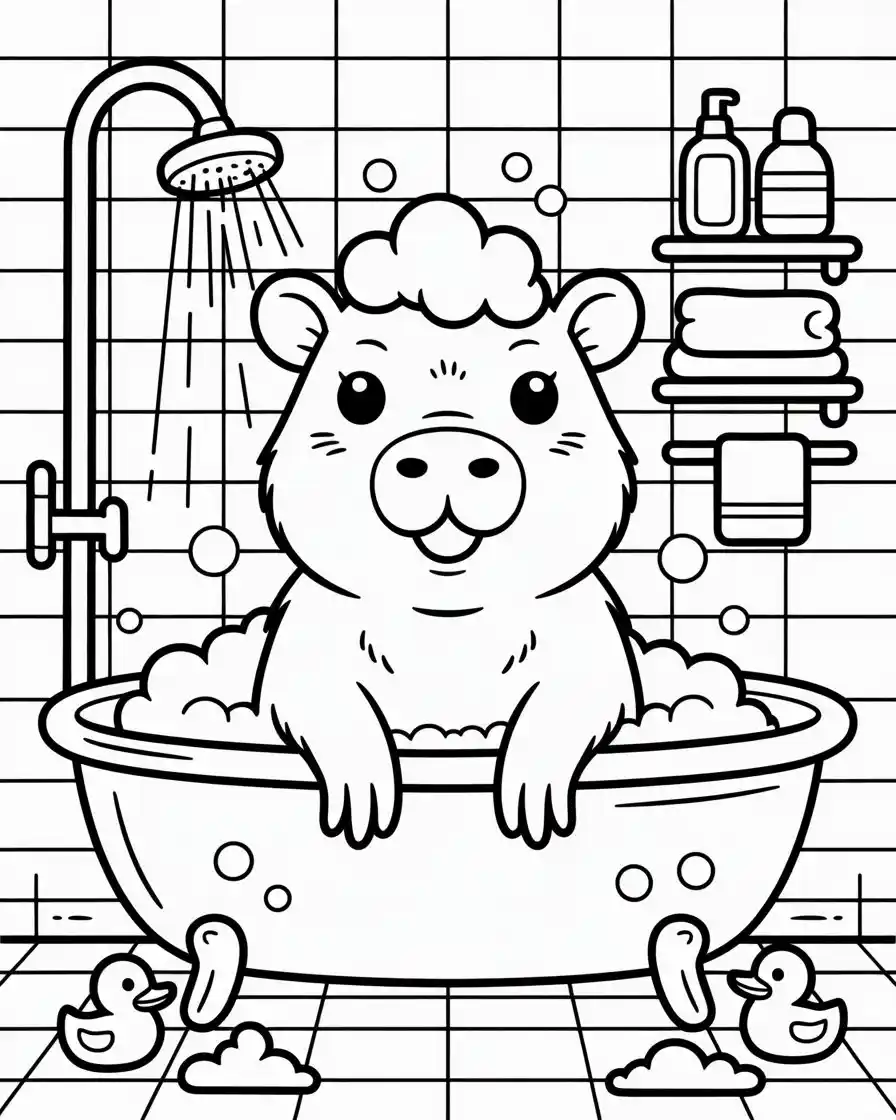
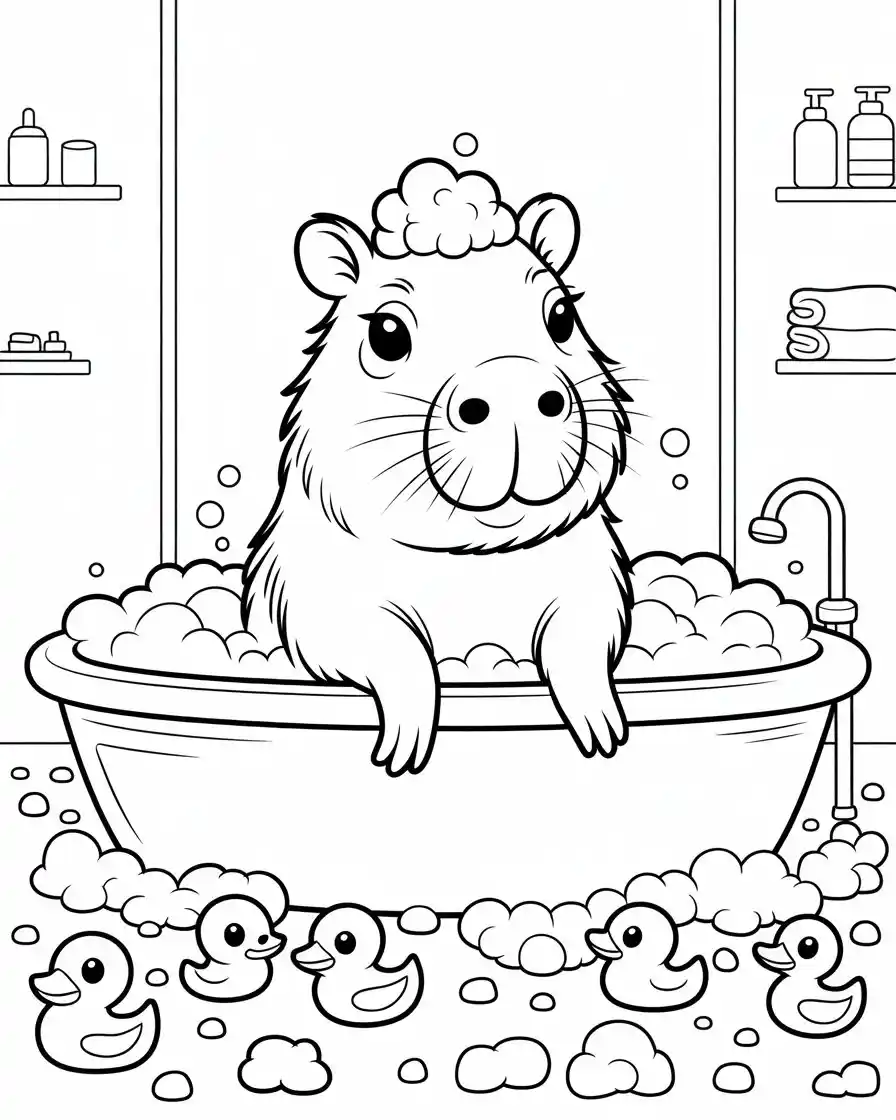


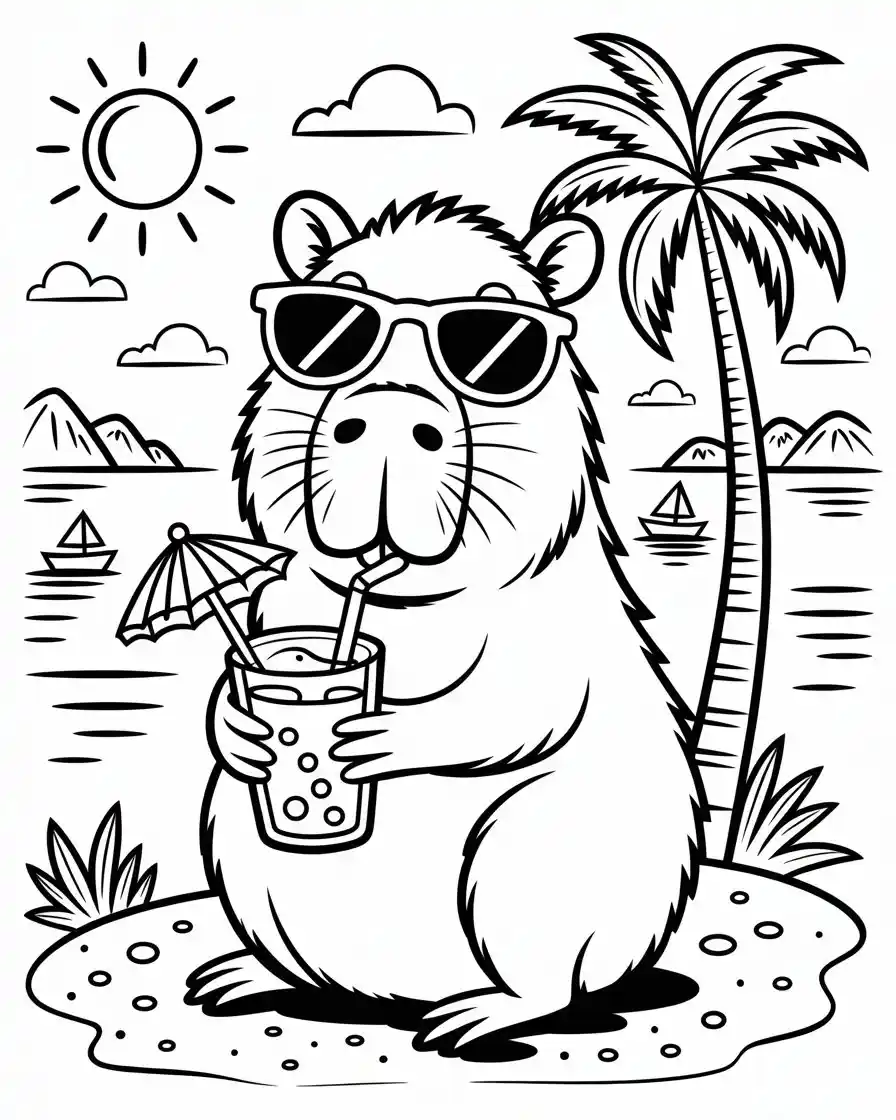
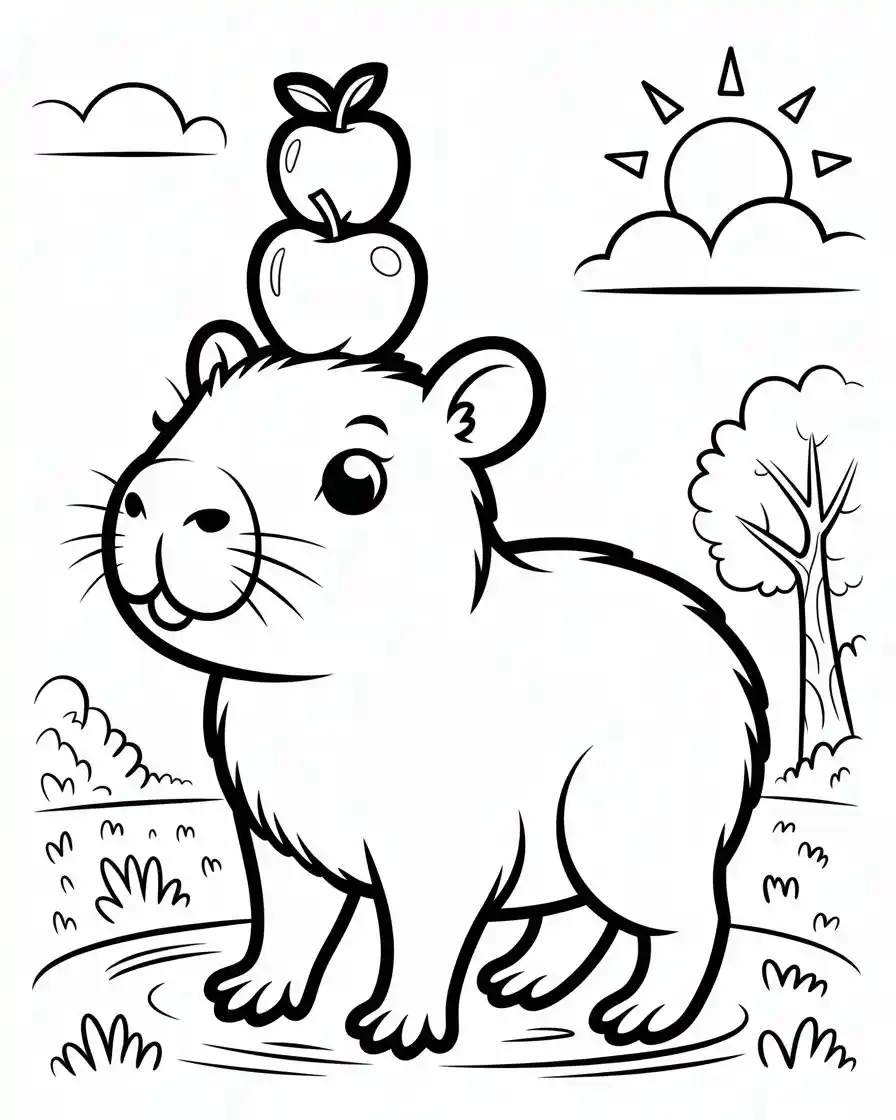
Styles Included in This Collection
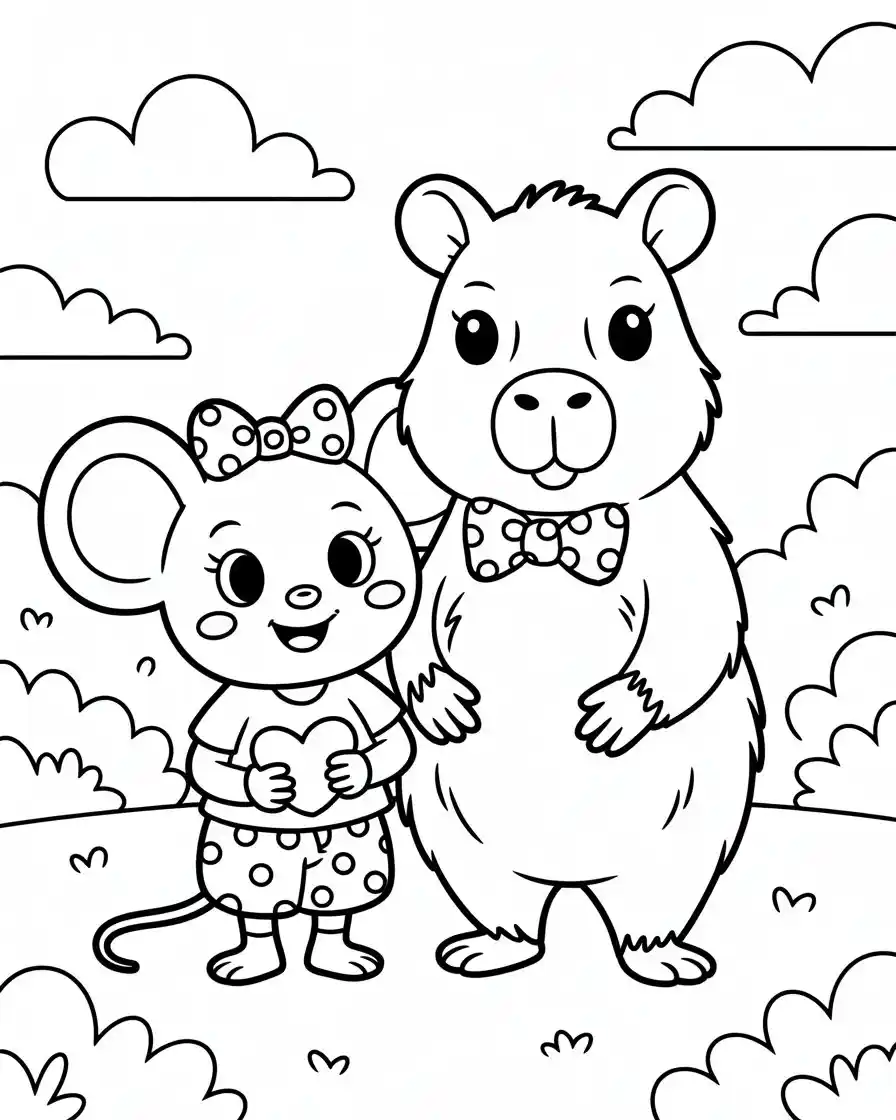
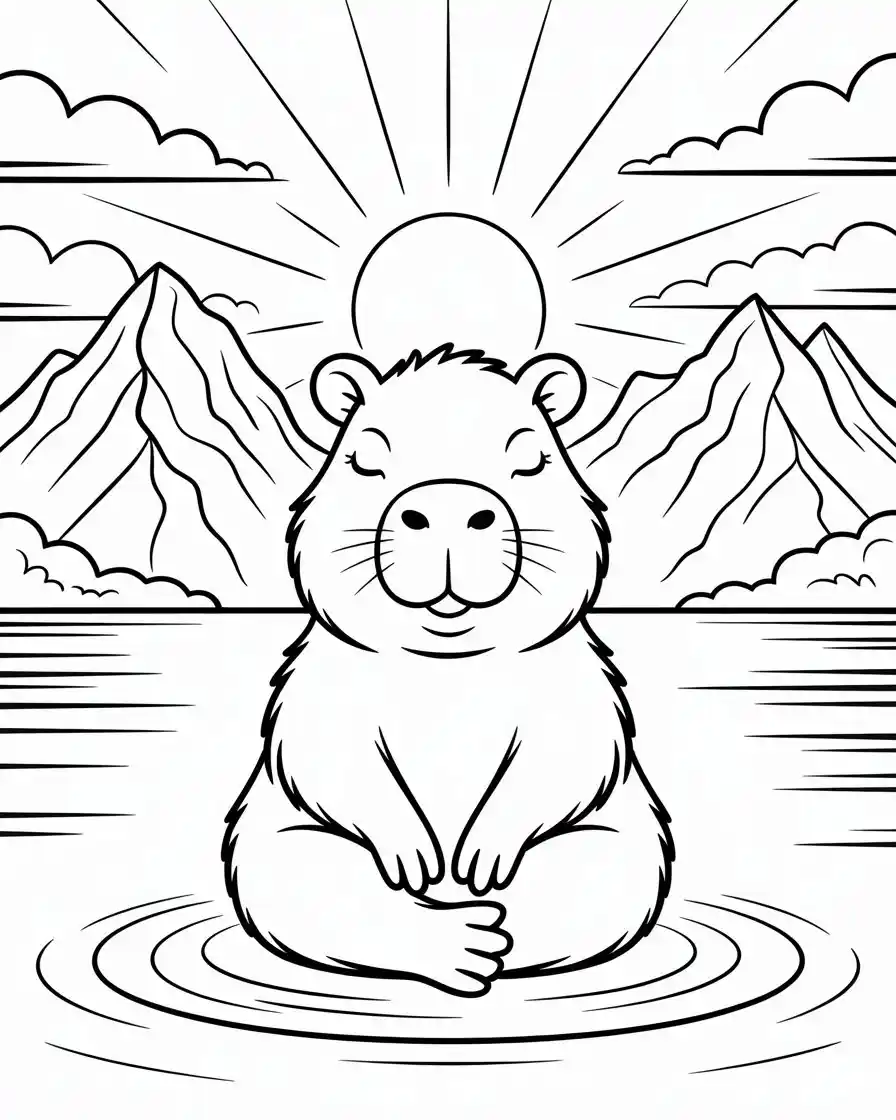
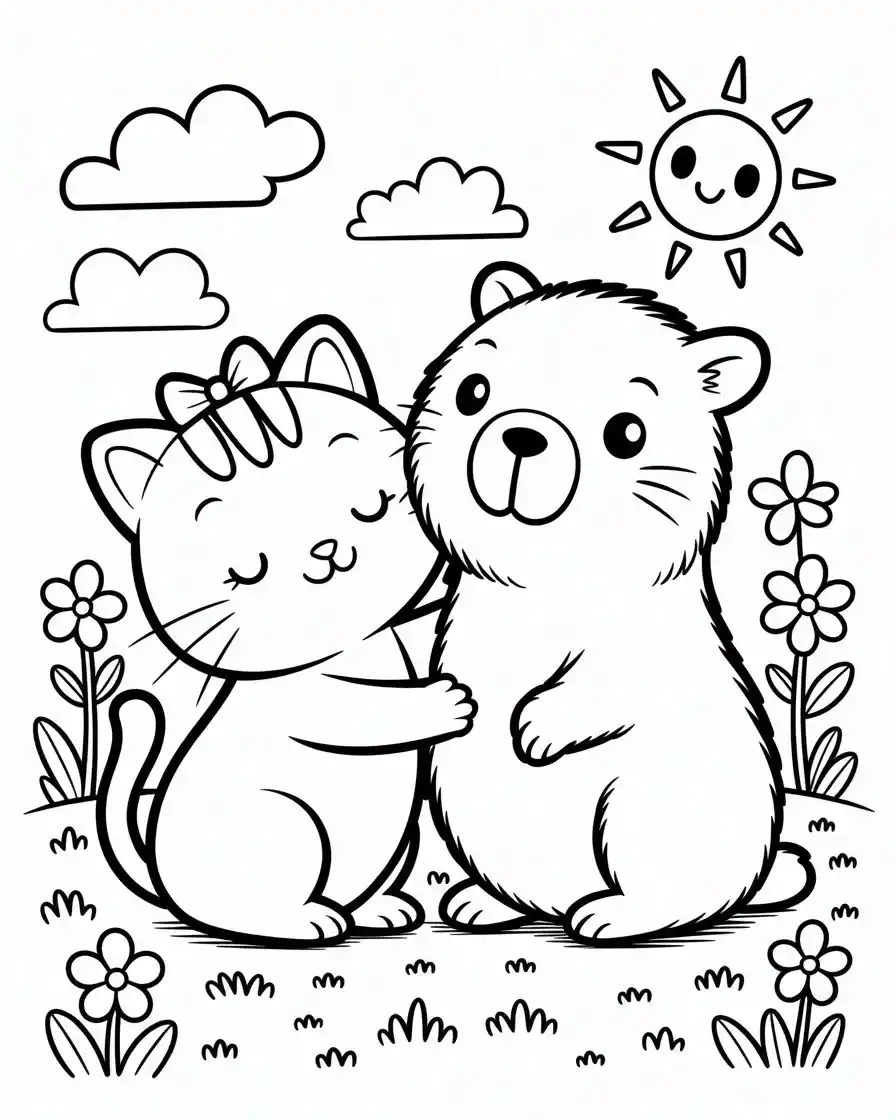
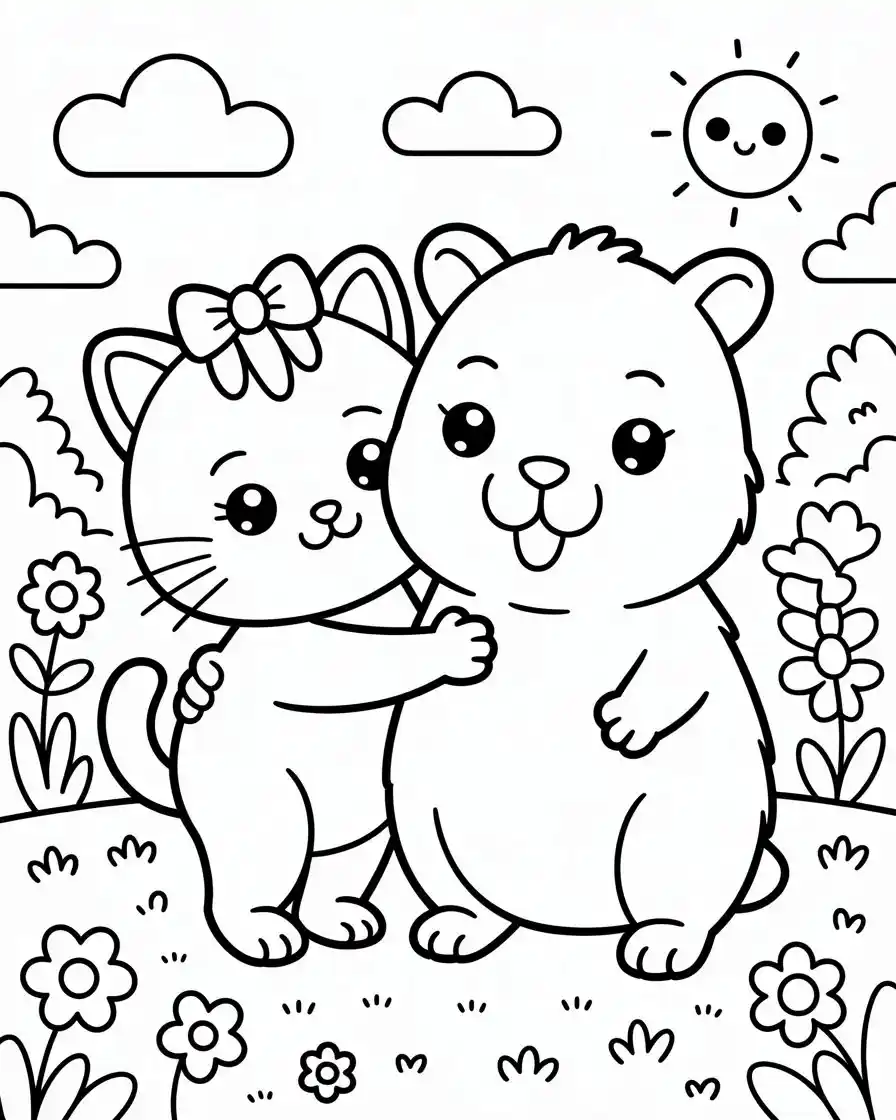
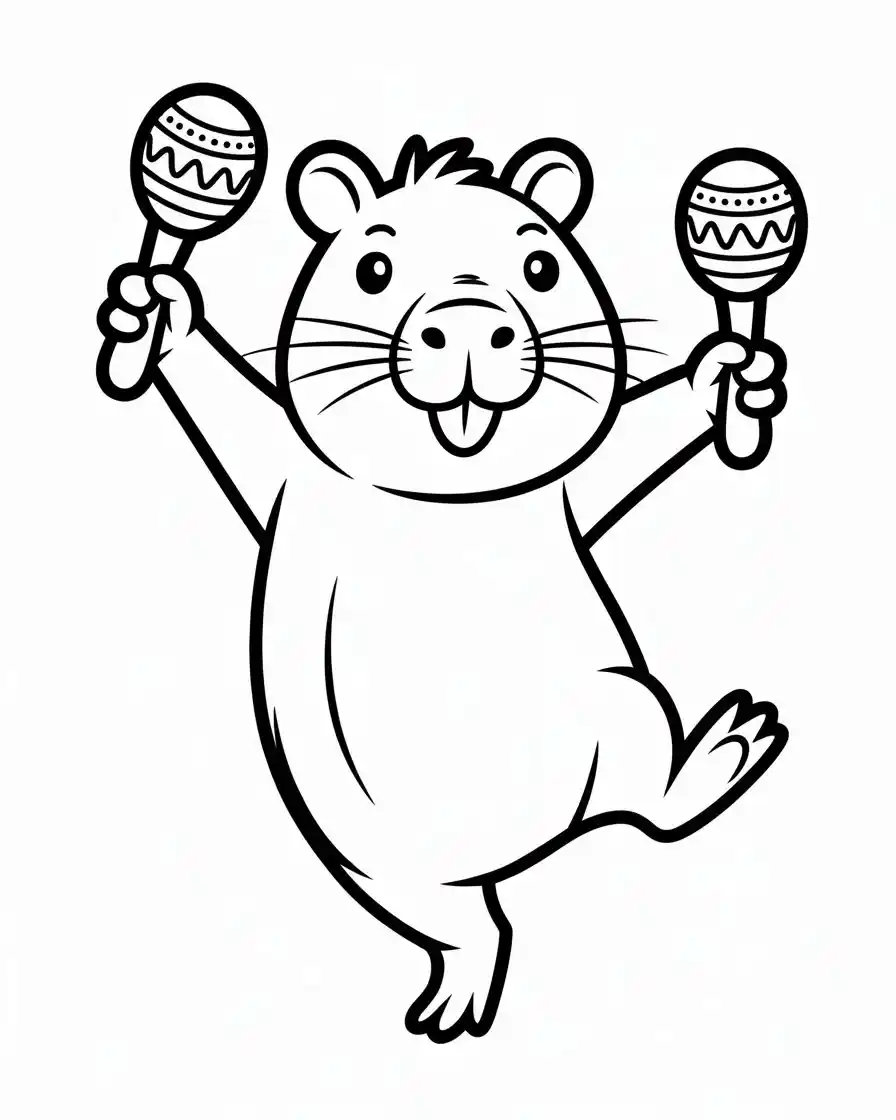
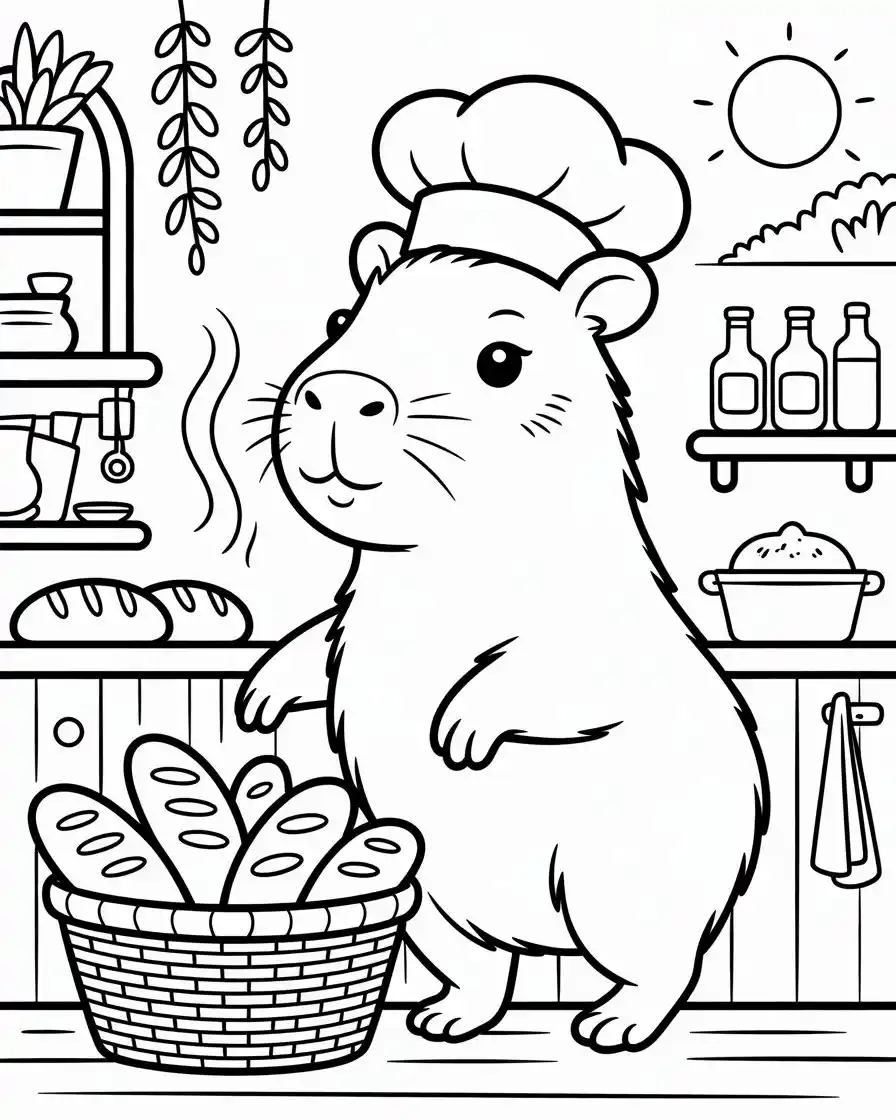
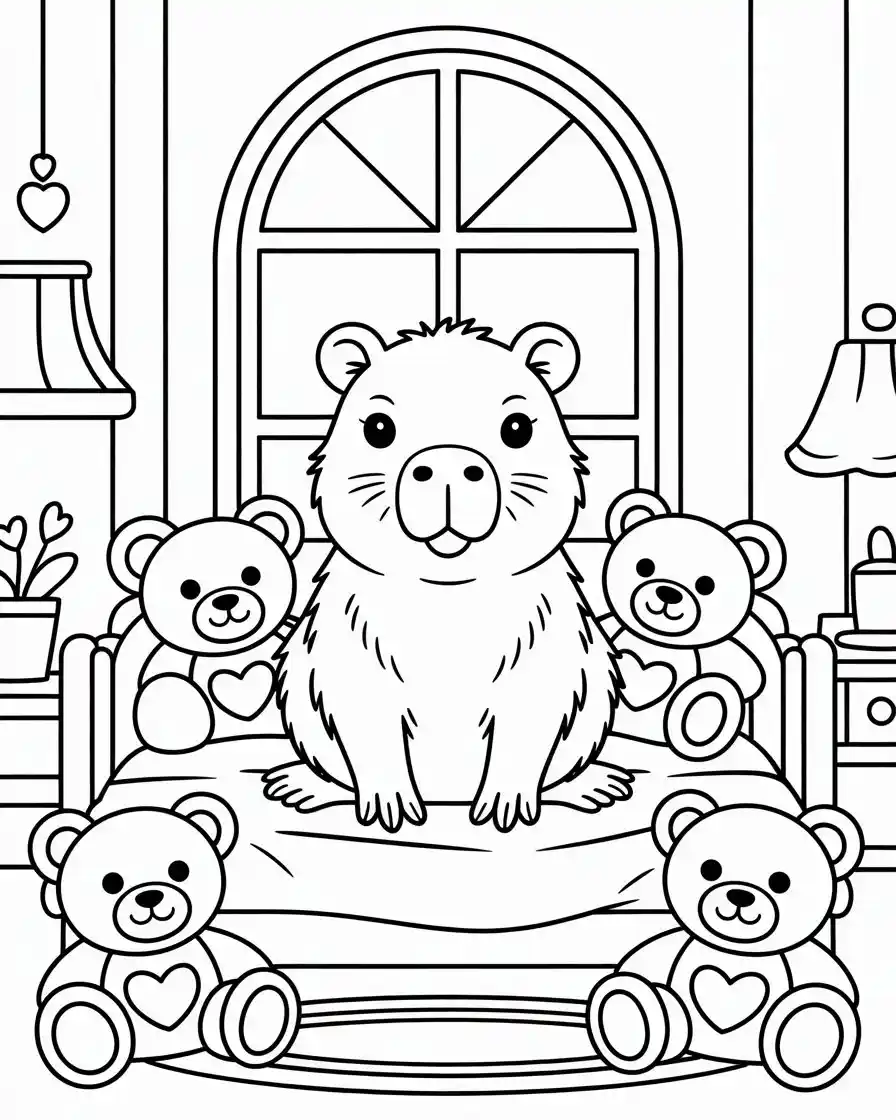
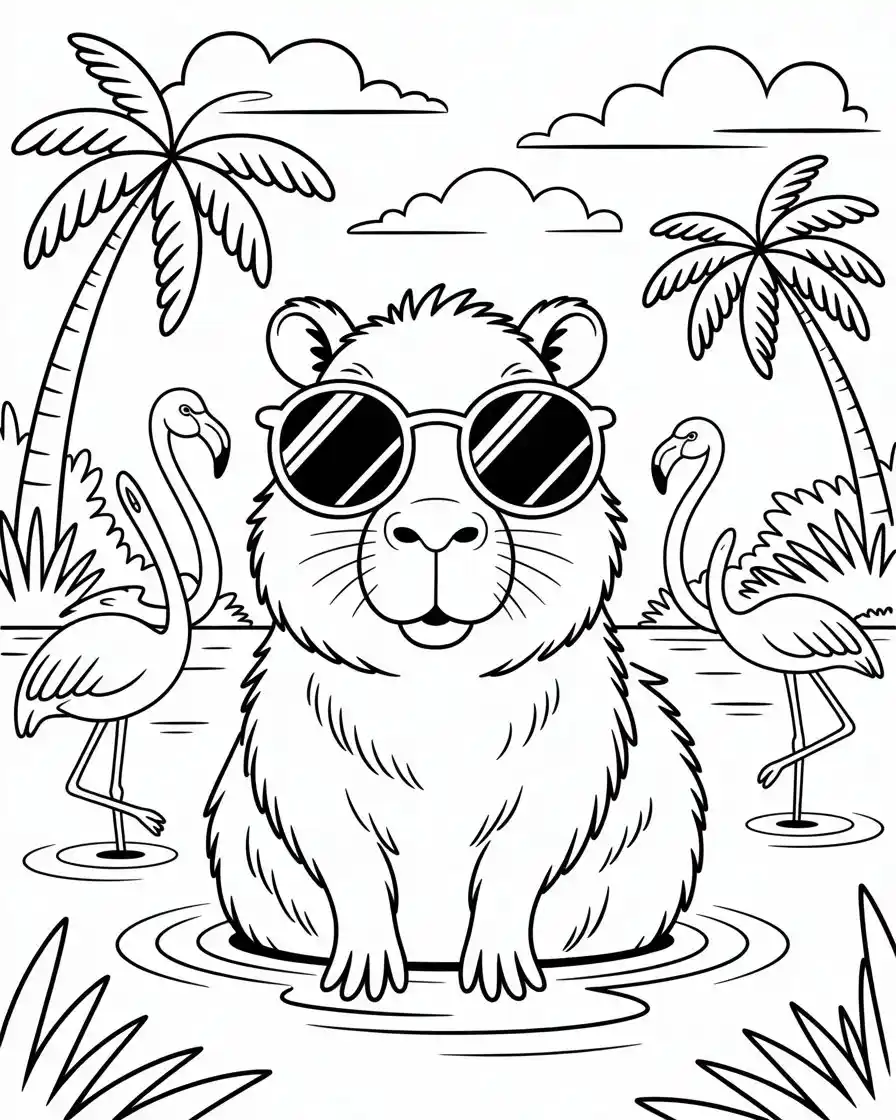
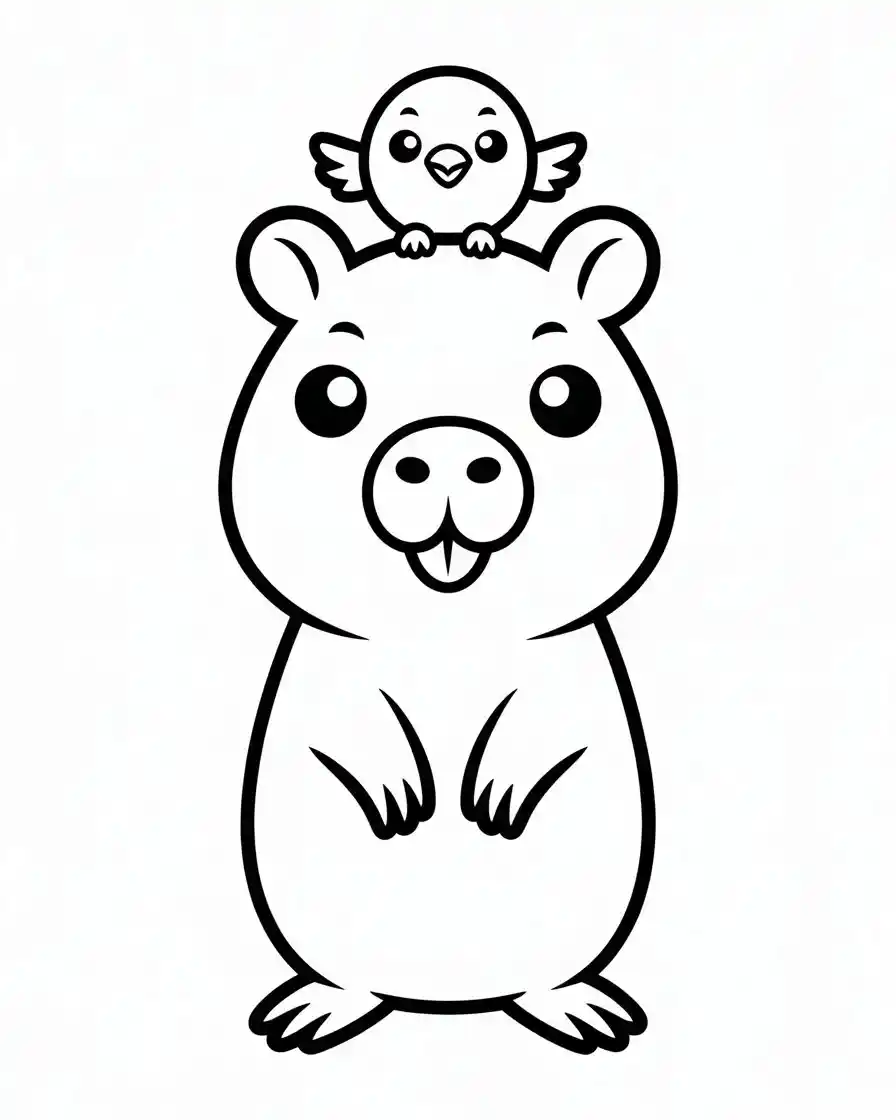
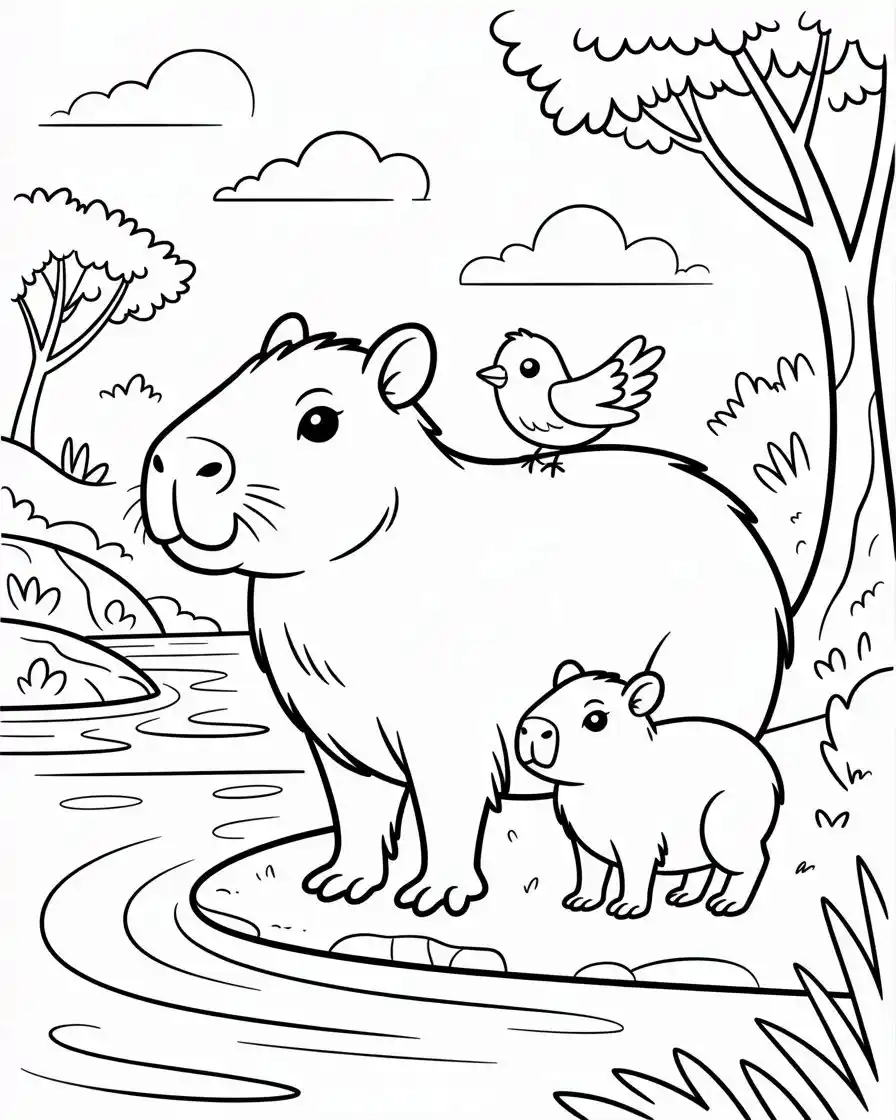
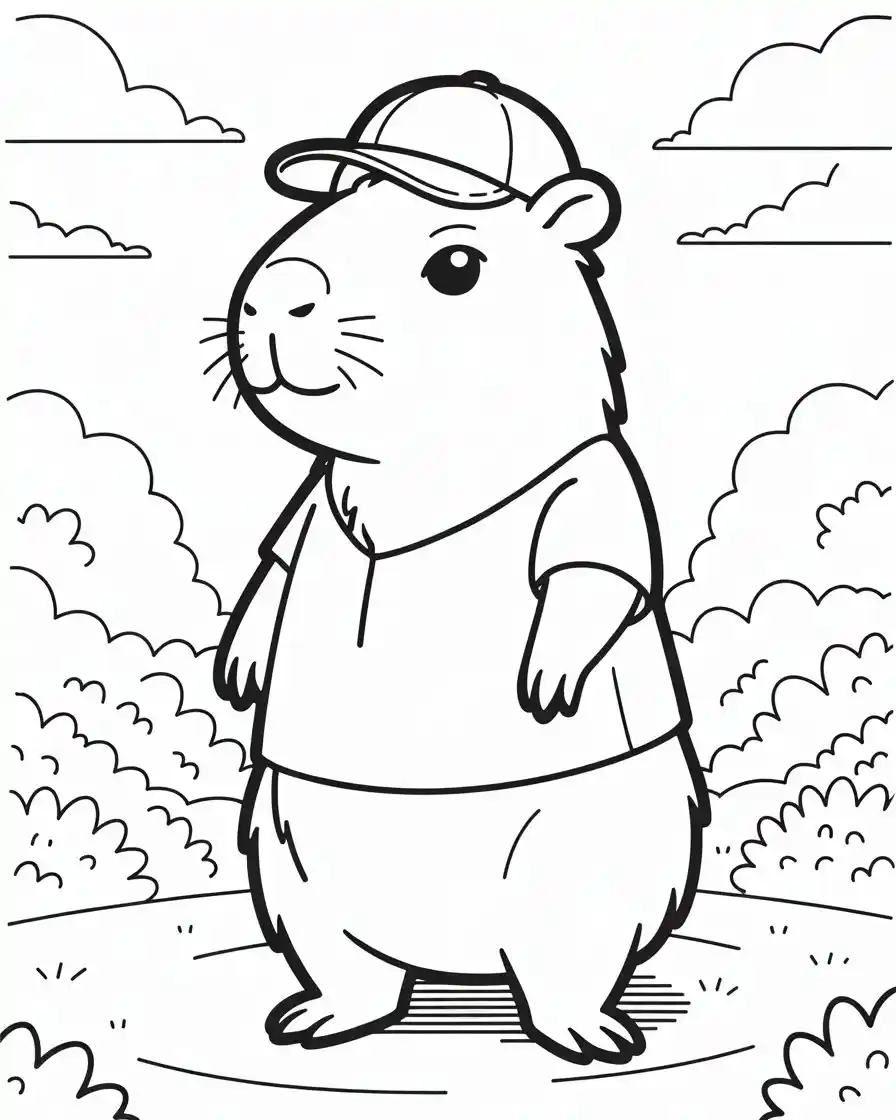
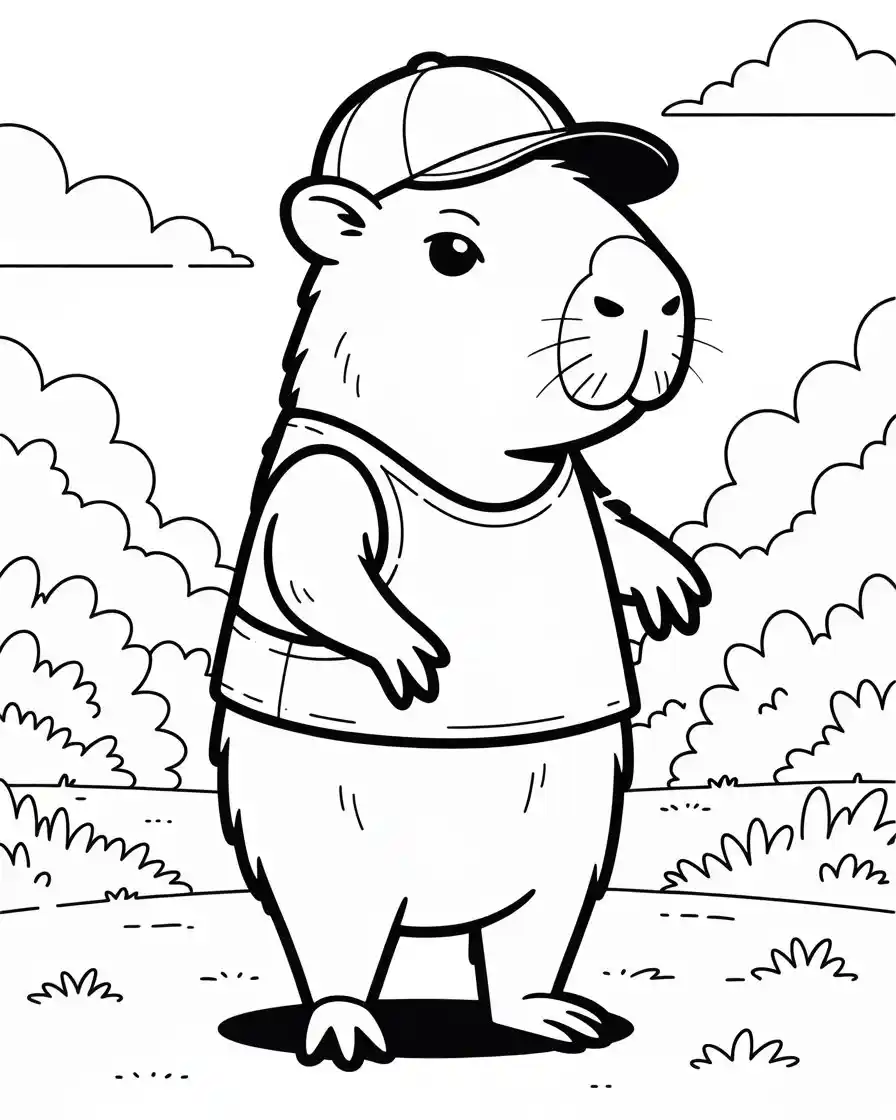
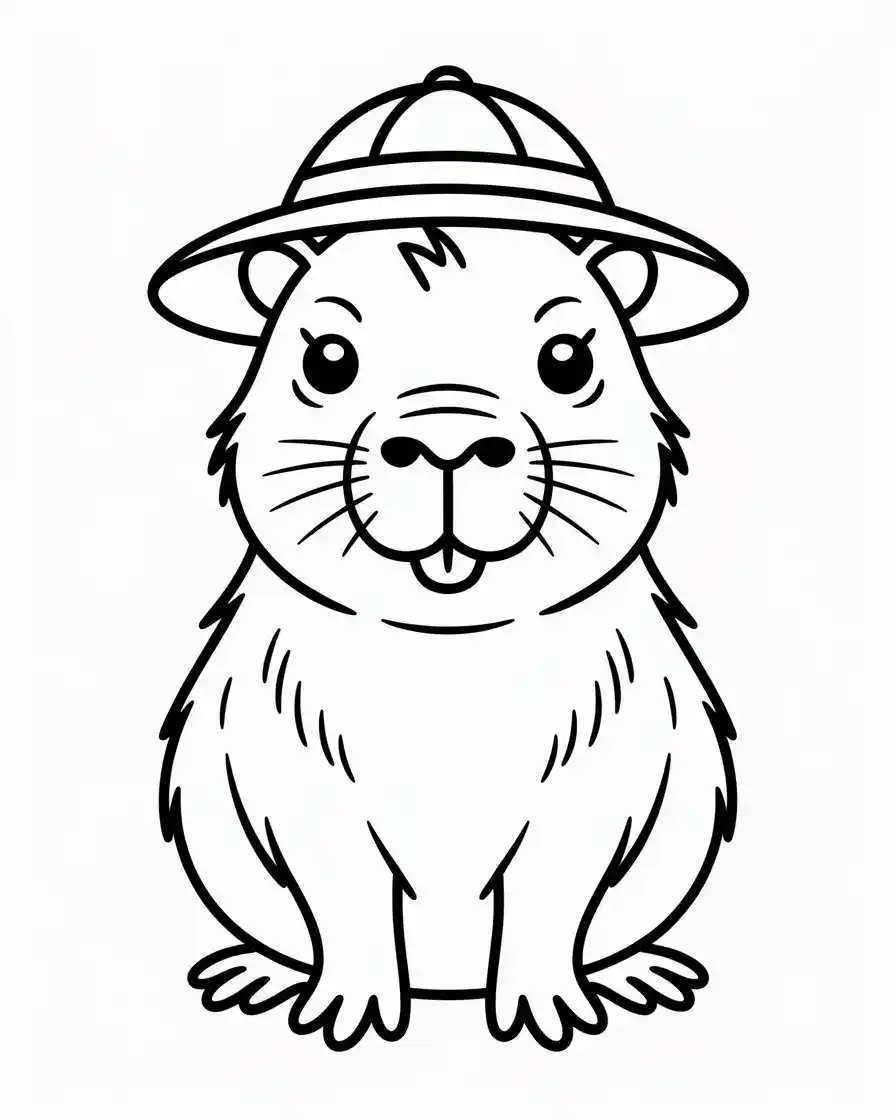
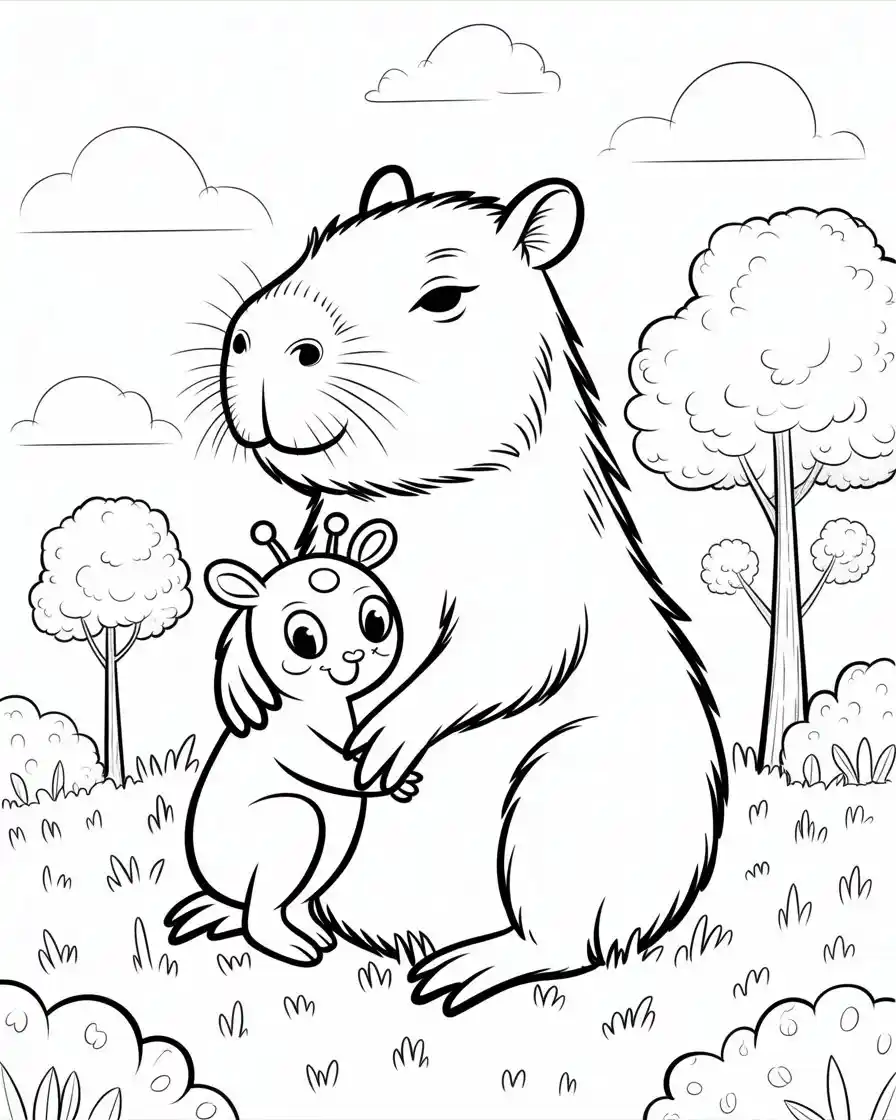
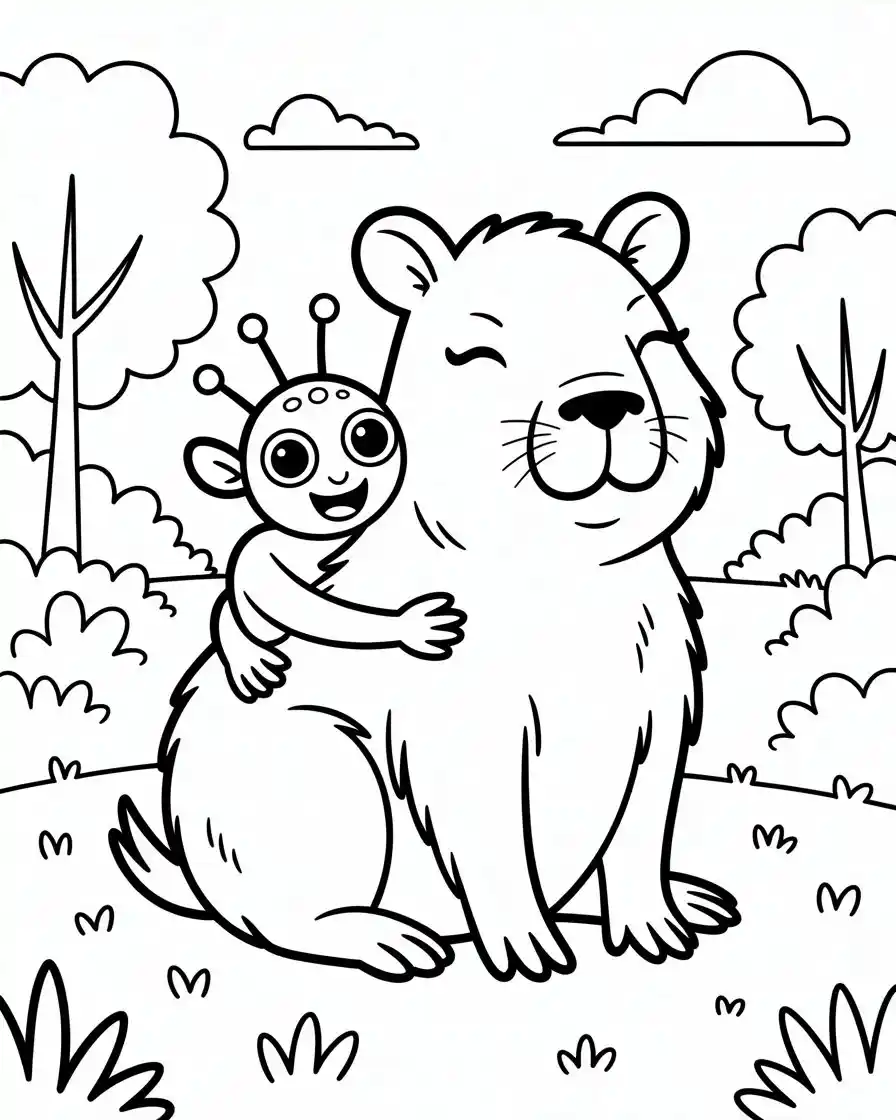
Cute & Kawaii Capybara, Rounded, oversized features with a soft, simplified look, built for younger children and anyone who enjoys the playful “kawaii” aesthetic that’s become especially popular for this animal.
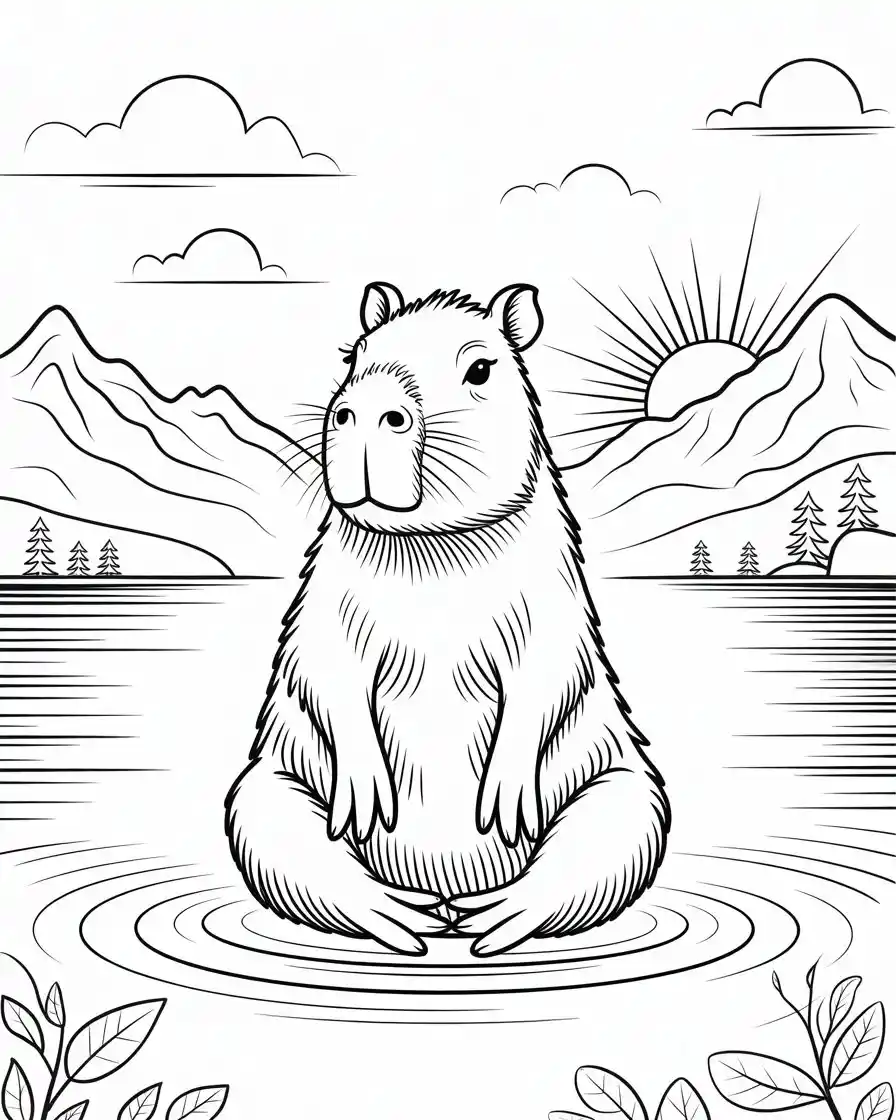
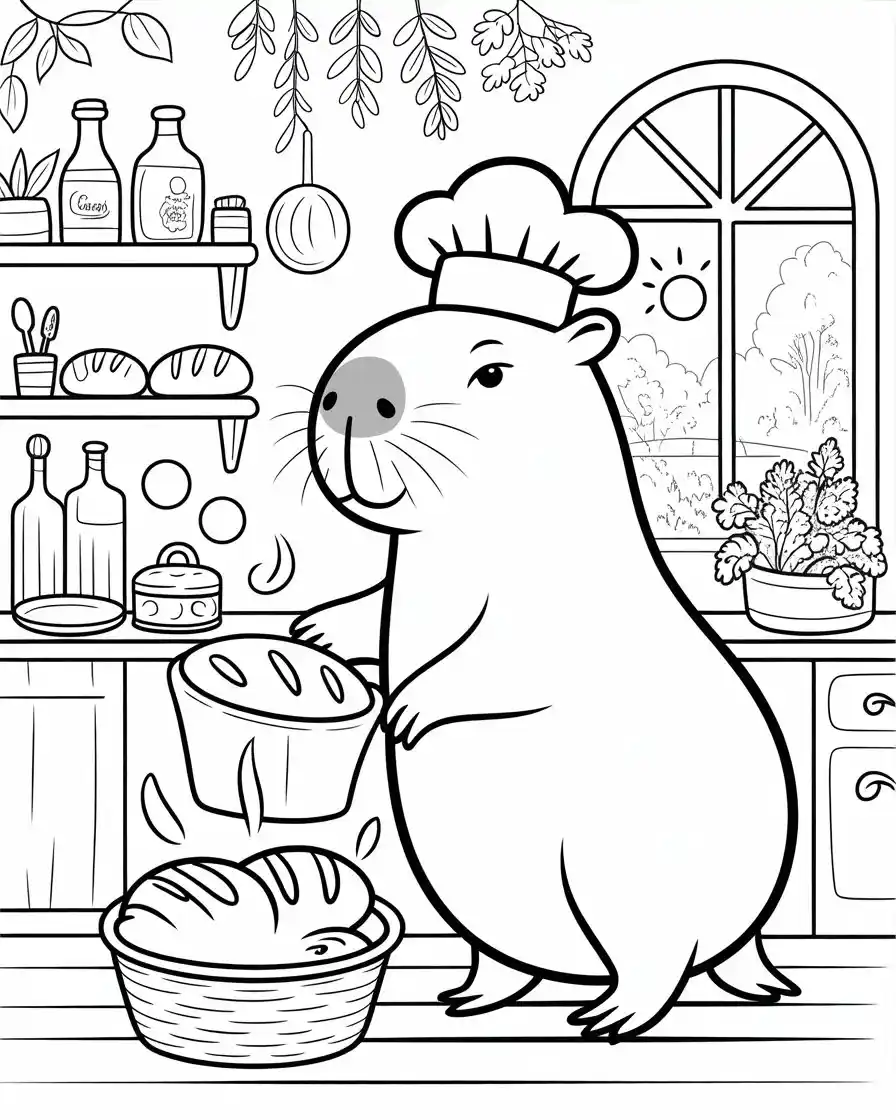
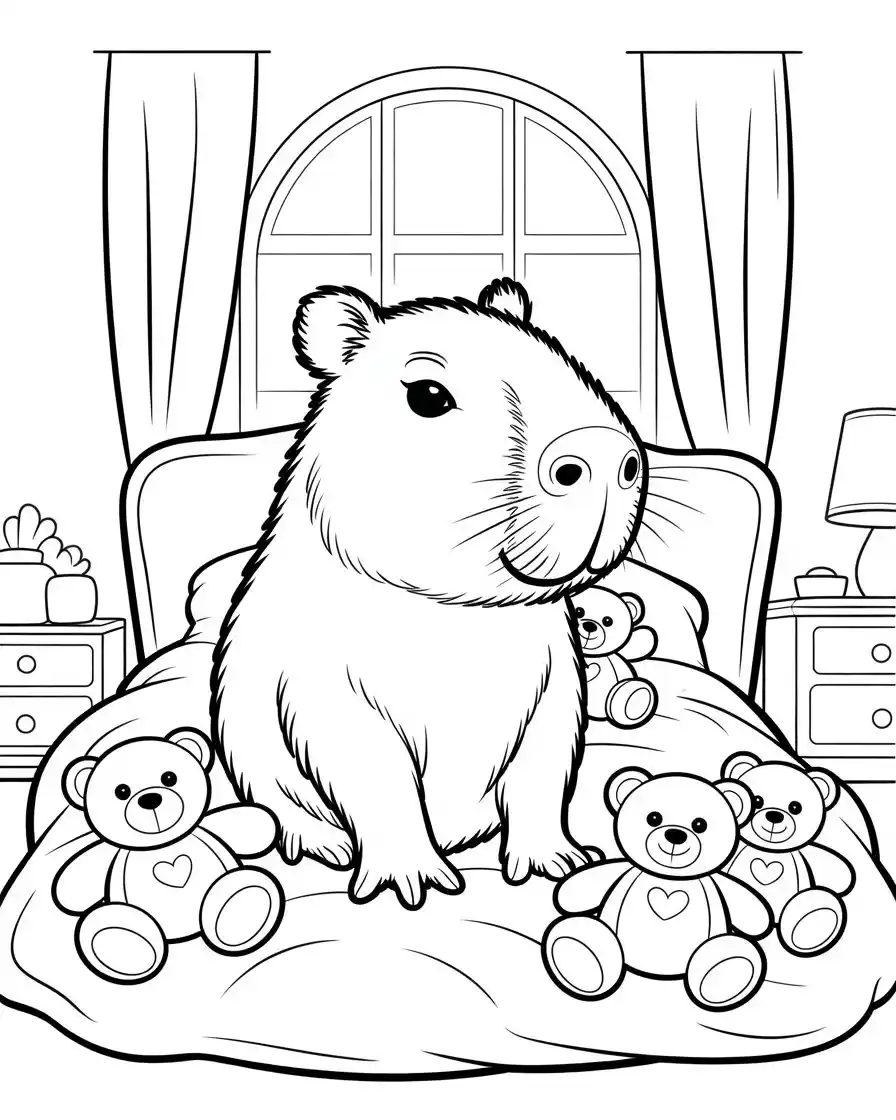
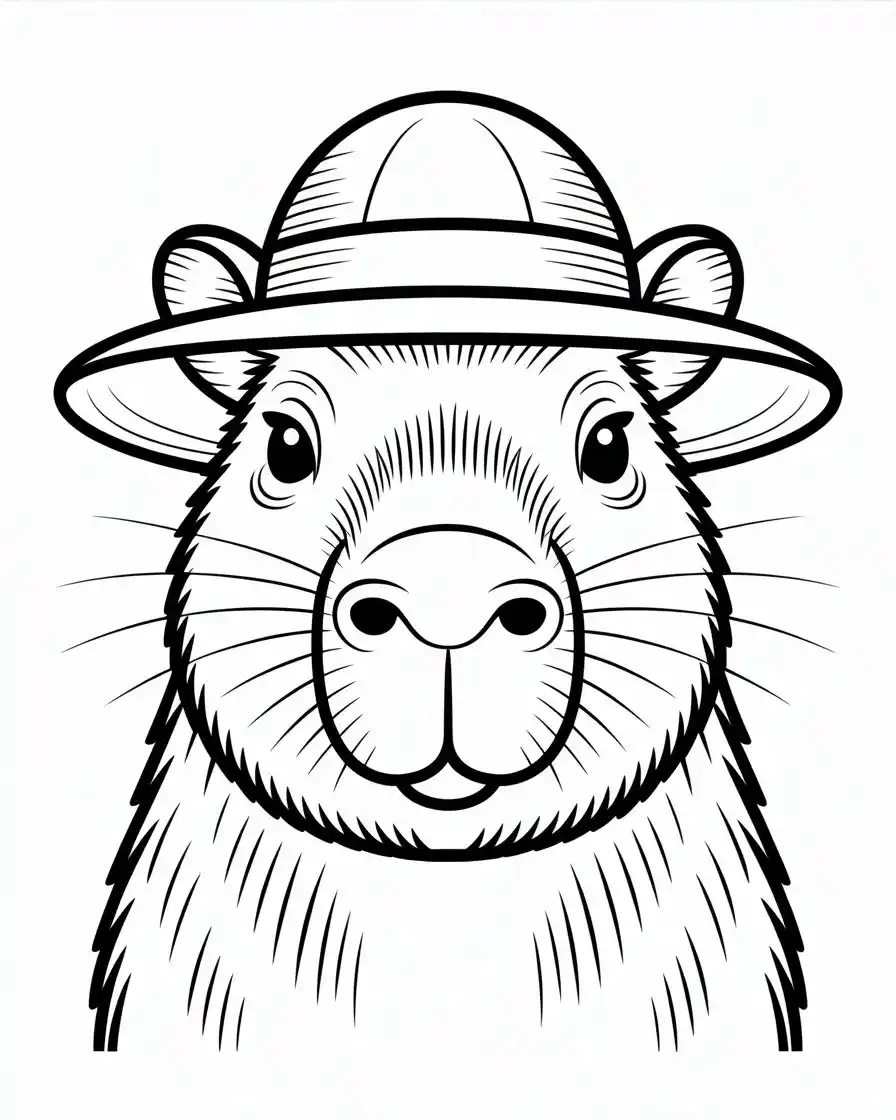
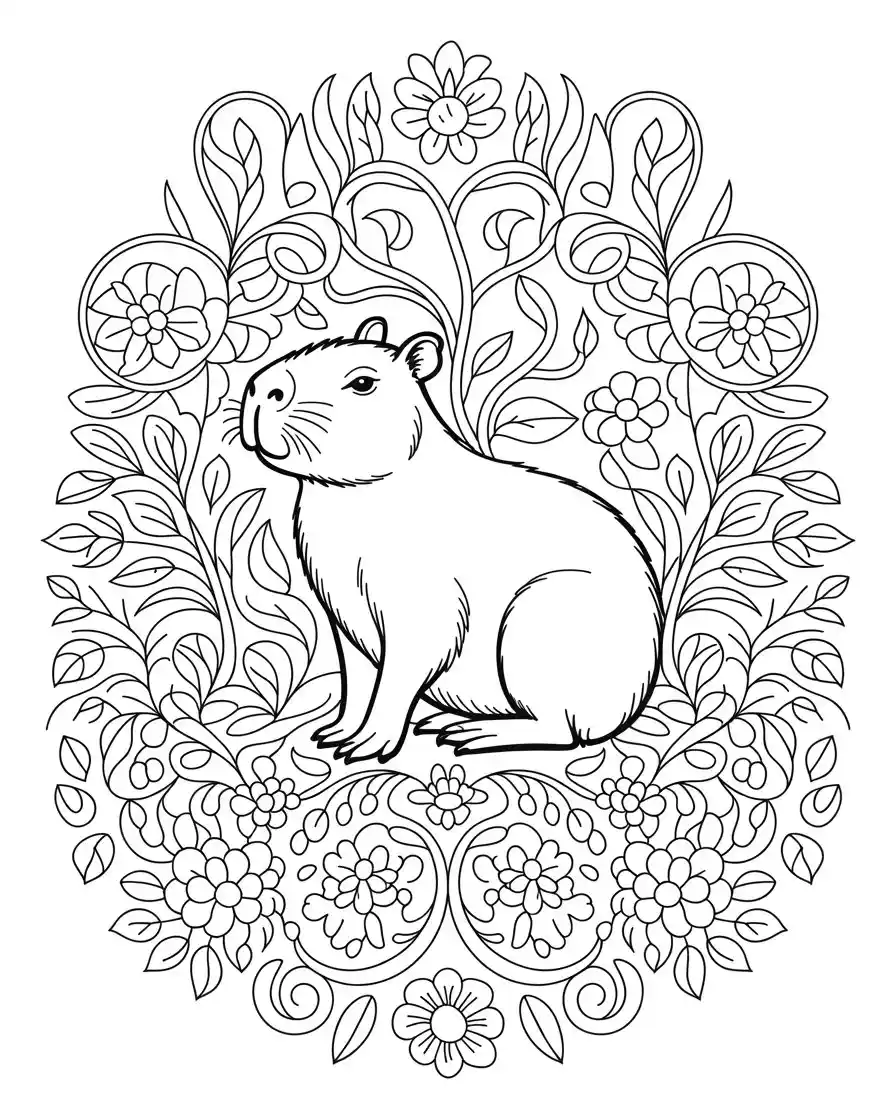
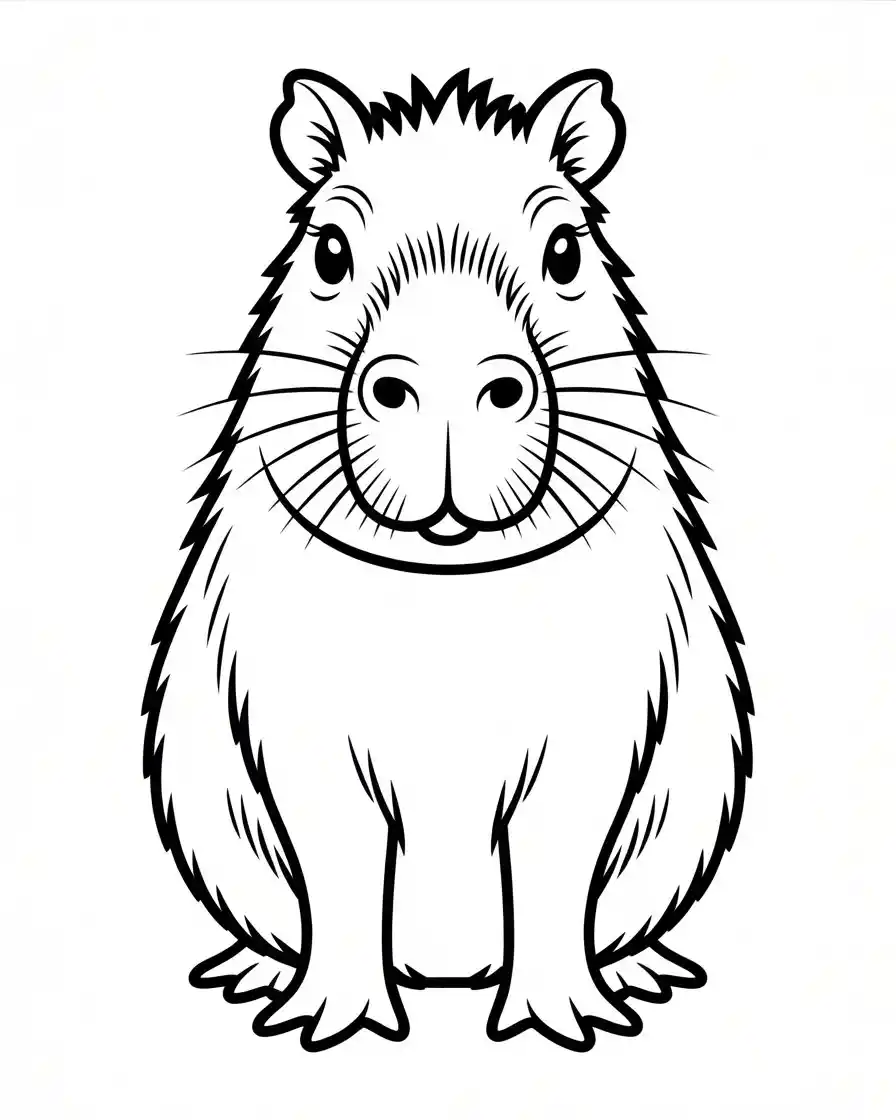
Realistic Capybara, A more accurate body shape, fur texture, and natural setting, aimed at older kids and adults who want a longer, more detailed session.
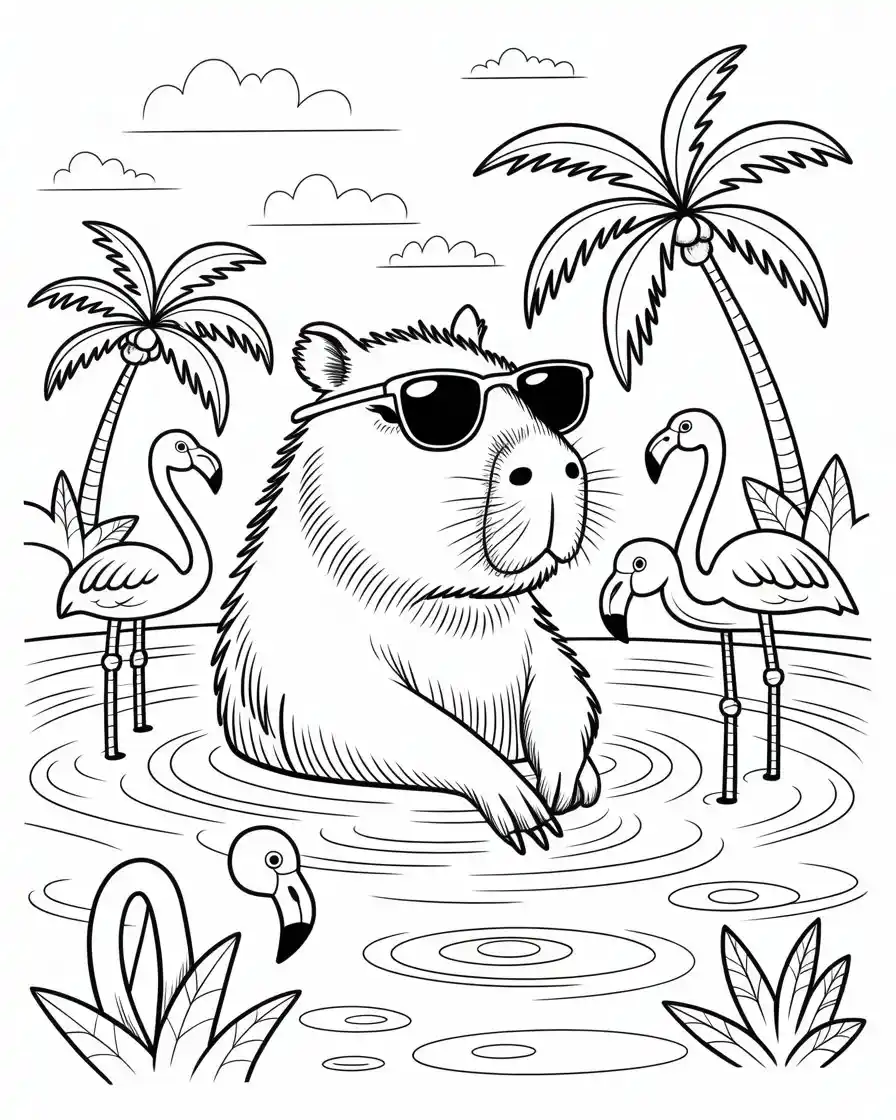
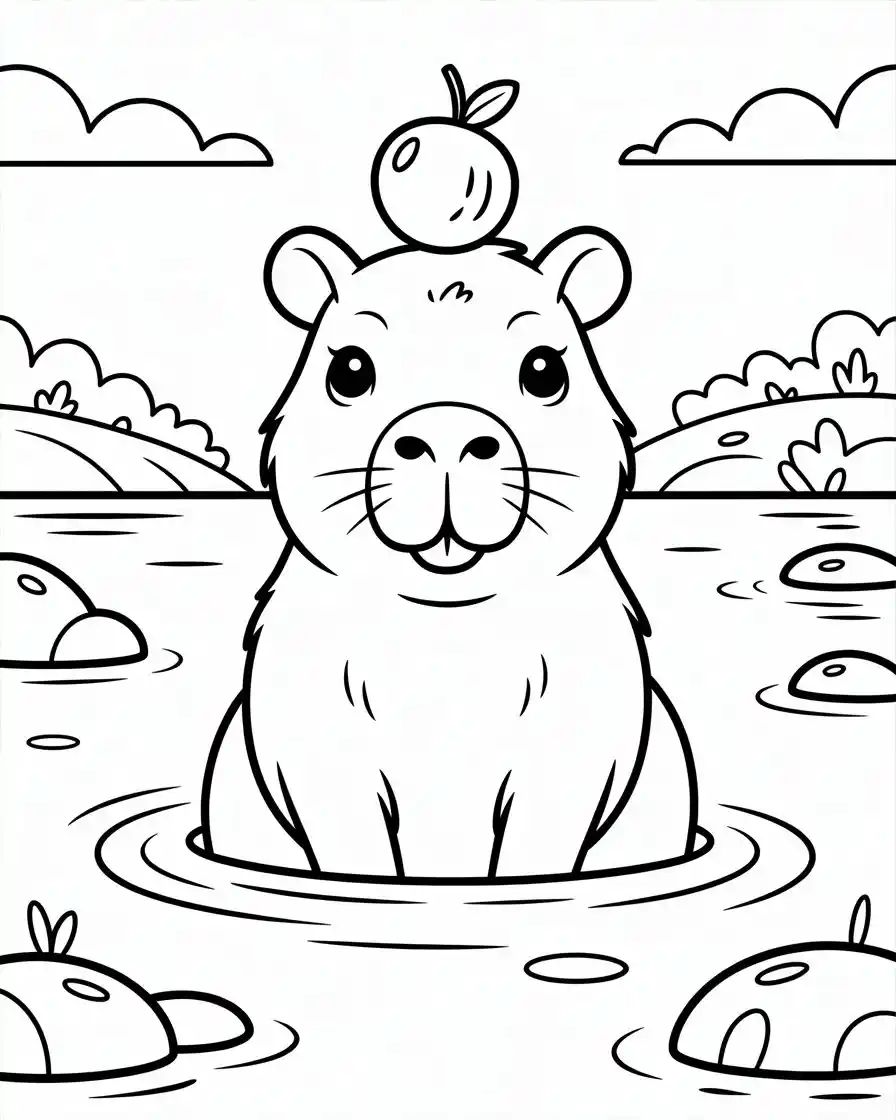
Capybara in Everyday Scenes, Designs showing the animal relaxing by a river, sharing space with other wildlife, or simply lounging, capturing the laid back reputation that made it popular in the first place.
Seasonal Capybara Pages, Holiday themed versions for Christmas and other occasions, useful for keeping the activity fresh throughout the year without needing an entirely different subject.
Coloring Techniques Worth Trying
A capybara’s coat isn’t a single flat brown, and a little technique goes a long way toward making a page look more finished. Layering two or three shades, a base brown, a warmer orange brown for highlights, and a touch of darker gray or green in the shadowed areas, adds real depth without requiring advanced skill. For a more playful, kawaii style page, there’s no need to stay realistic at all; pastel colors or entirely invented shades work just as well and often suit the softer, rounded art style better than natural tones would.
Markers give a bold, fast result and work well for younger kids who want to see color appear quickly, while colored pencils allow more control for blending and shading, which suits the more detailed realistic designs. Either way, printing on slightly thicker paper helps prevent bleeding through, especially if markers are involved.
Why This Animal Became So Popular Online Before It Became a Coloring Favorite
It’s worth understanding a bit of the backstory, since it explains why demand for a capybara coloring page has grown so quickly in the last few years. Wildlife photos and videos of capybaras sitting calmly with ducks perched on their backs, floating in hot springs, or simply refusing to react to animals that would normally spook a smaller rodent, spread widely across social media. That reputation for being endlessly relaxed turned the capybara into something of a mascot for calm, which naturally carried over into art, merchandise, and eventually coloring pages built specifically around that laid back personality. Understanding this context helps explain why so many designs lean toward peaceful, everyday scenes rather than action poses, since that stillness is exactly what people find appealing about the animal in the first place.
Choosing the Right Design by Age
| Age Group | Best Fit | Why |
| 2–4 years | Cute & Kawaii Capybara | Simple, rounded shapes suit early crayon grip |
| 5–8 years | Capybara in Everyday Scenes | Familiar setting keeps attention without overwhelming detail |
| 9–12 years | Realistic Capybara | Rewards developing patience and technique |
| Teens & Adults | Realistic or detailed seasonal designs | Longer, more absorbing coloring session |
Why Coloring Is Worth More Than It Looks
It’s easy to treat coloring as a simple time filler, but there’s real developmental value underneath the surface. Holding a crayon and staying within an outline builds fine motor control and the same grip strength used later for handwriting, which is part of why occupational therapists often recommend structured coloring for young children. Choosing colors and deciding how to fill a larger shape also supports early planning and decision making. For adults, the appeal shifts: a slow, repetitive task like carefully shading a detailed capybara scene can create a calm, focused state similar to what people look for in meditation or other low stakes creative hobbies.
Bringing a Finished Page Into Other Activities
A completed capybara coloring page doesn’t have to be the end of the activity. Younger kids often enjoy cutting out their finished design to use as a bookmark or to glue onto a simple greeting card. For a classroom setting, having each student color their own version and displaying them together works well for a South America or animal habitat unit, since it opens an easy conversation about where capybaras actually live. Older kids and adults sometimes frame a favorite realistic version, particularly if it was colored with more advanced shading techniques.
Capybara vs. Guinea Pig: A Comparison Kids Often Ask About
Since both are rounded, friendly looking rodents, kids sometimes assume a capybara is just a giant guinea pig, so it’s worth clearing up while coloring. The most obvious difference is size: a full grown capybara can weigh well over a hundred pounds, while a guinea pig typically tops out around two or three pounds. Capybaras are also semi aquatic and spend much of their time in or near water, while guinea pigs generally avoid water and aren’t built for swimming. Both animals are social and tend to live in groups, but capybaras are wild animals native to South America, while guinea pigs have been domesticated for thousands of years and are commonly kept as pets. Pointing out these differences gives kids an easy way to separate the two the next time they come across either animal in a book or at a zoo.
A Few More Facts Worth Sharing While Coloring
Beyond the basics, a few more details make good conversation starters during a coloring session. Capybaras are excellent divers and often submerge themselves as a way to cool off or avoid predators, sometimes staying underwater long enough that they seem to vanish entirely before resurfacing somewhere unexpected. Their teeth grow continuously throughout their lives, much like other rodents, which is why they spend so much time gnawing on grasses and aquatic plants, both for food and to keep their teeth worn down to a manageable length. Despite their size, capybaras have very few natural predators as adults, largely due to their strong swimming ability and tendency to stick close to water, where they can escape quickly if needed. Sharing details like these turns a simple coloring session into a small biology lesson, without needing to turn it into a formal study session.
Finding the Right Design for What You Need
Not everyone printing a capybara coloring page is looking for the same thing. Someone after a free capybara coloring page for a rainy afternoon just wants something simple to grab and print, while a teacher preparing a classroom activity usually wants a batch of printable capybara pages that photocopy cleanly in black and white. Parents of toddlers tend to gravitate toward the cute and kawaii styles, since the bold outlines are easier for small hands to manage, while adults looking for a longer, more absorbing session usually prefer the realistic designs with more surface area to shade. Keeping the collection organized by style, rather than as one long unsorted list, makes it easier to land on the right capybara coloring page the first time.
Printing Tips
Download the PDF and print at 100% scale rather than “fit to page,” which can slightly reduce line thickness. Standard printer paper works fine for crayons and light pencil use, while cardstock is a better choice if markers or watercolor will be involved, since thinner paper lets ink bleed through quickly. Both US Letter and A4 paper sizes are supported without any stretching or cropping of the design.
Frequently asked questions About capybara coloring page
More Animals Worth Exploring
If capybaras were a hit, a few other collections on this site tend to pair well with them: [Koala Coloring Pages], [Hamster Coloring Pages], [Rabbit Coloring Pages], and [Hedgehog Coloring Pages], all free, printable, and ready to download.
This collection is updated periodically with new capybara coloring page designs as they’re added, so it’s worth bookmarking if today’s selection doesn’t have quite the right one. Whether it’s a five minute activity before dinner or a slower, detailed session on a quiet afternoon, the goal stays simple: a reliable source of free, print ready designs that families, teachers, and capybara fans of any age can come back to.