Bat Coloring Pages for Kids printable pdf sheets
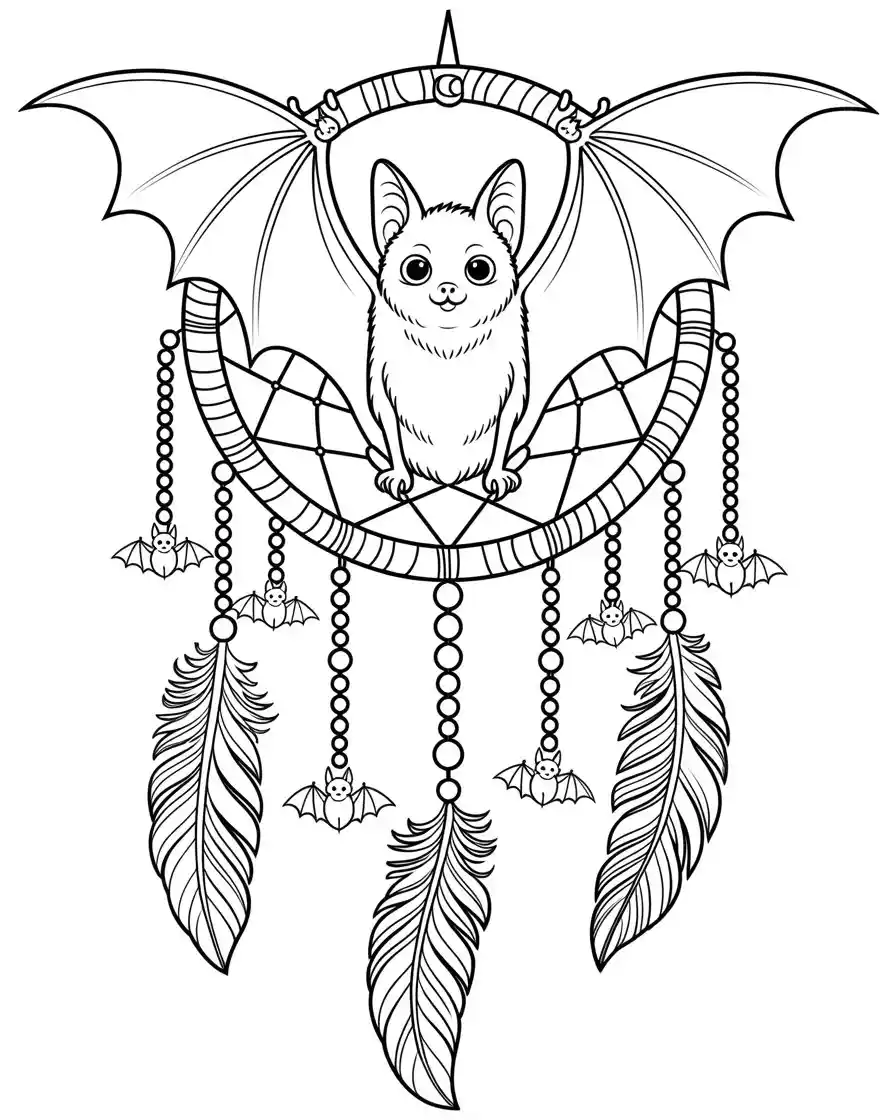
Children are naturally drawn to bats, the upside down sleeping, midnight hunting, the mysterious world of echolocation. This collection of bat coloring pages gives that curiosity a creative outlet, pairing 33+ carefully chosen designs with facts and guidance that make coloring genuinely educational. Every design covers a different style and age group. You will find bold simple outlines for toddlers just learning to hold a crayon, cheerful Halloween scenes for primary school children, detailed vampire bat cartoons for older kids, and highly accurate wildlife illustrations for adult colorists who want a real creative challenge.
All sheets are completely free with no sign up, no subscription, and no watermarks on any design. Download any page as a high resolution PDF, print at home on A4 or US Letter paper, and you are ready to start coloring.

What is inside this free bat coloring pages collection?
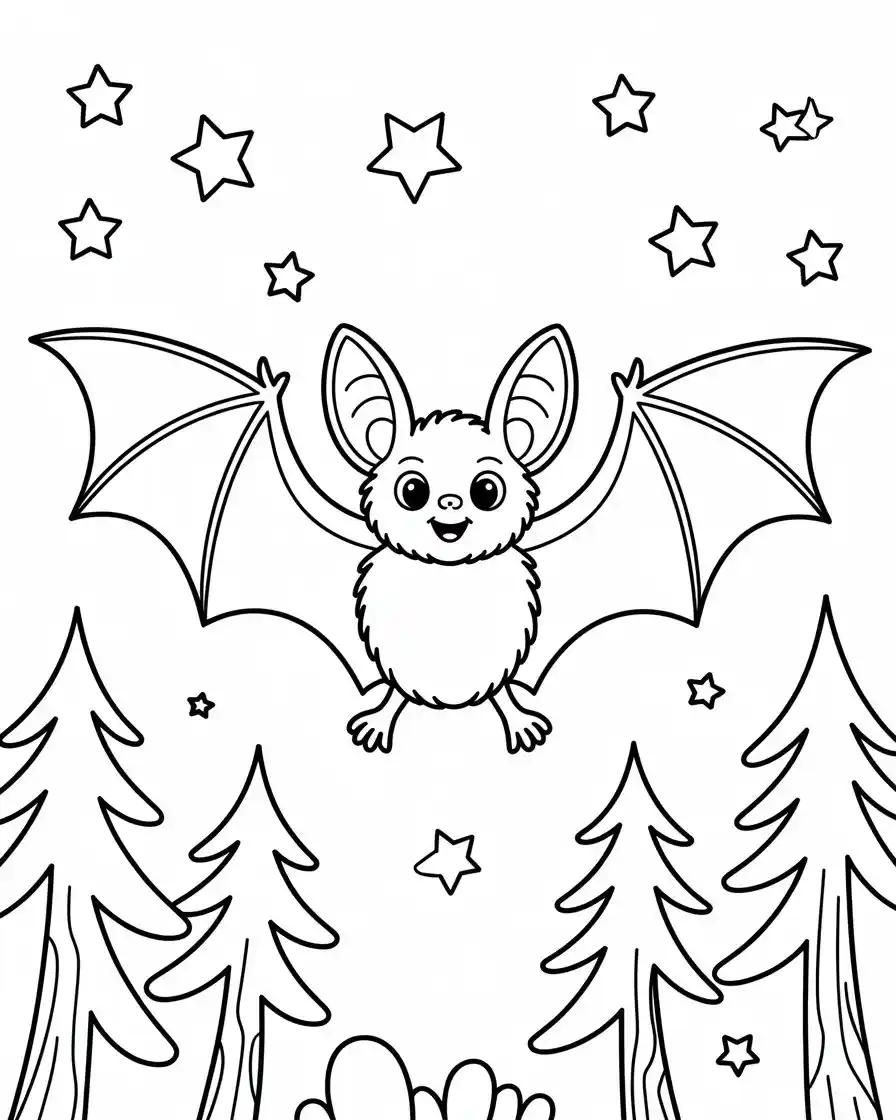
Toddlers and preschoolers (ages 2–5) get the simple bat coloring pages with thick borders, round shapes, and large open areas that small hands can fill in confidently using chunky crayons or washable markers. The smiling cartoon bat and the hanging baby bat are consistently the most popular in this group.
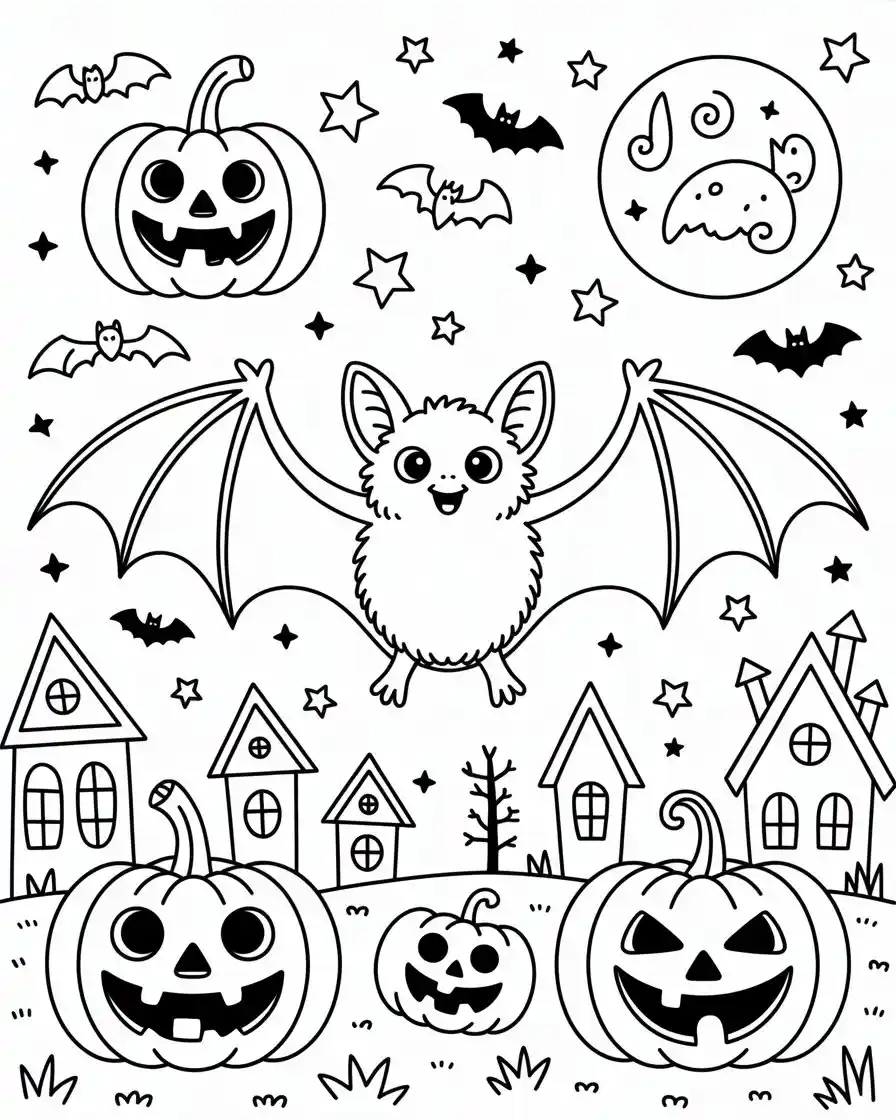
Children aged 6–12 have the widest choice. Halloween bat coloring pages bats soaring across full moons, bats alongside pumpkins, moonlit silhouettes sit alongside kawaii bat designs and vampire bat cartoons in both friendly and more dramatic styles.
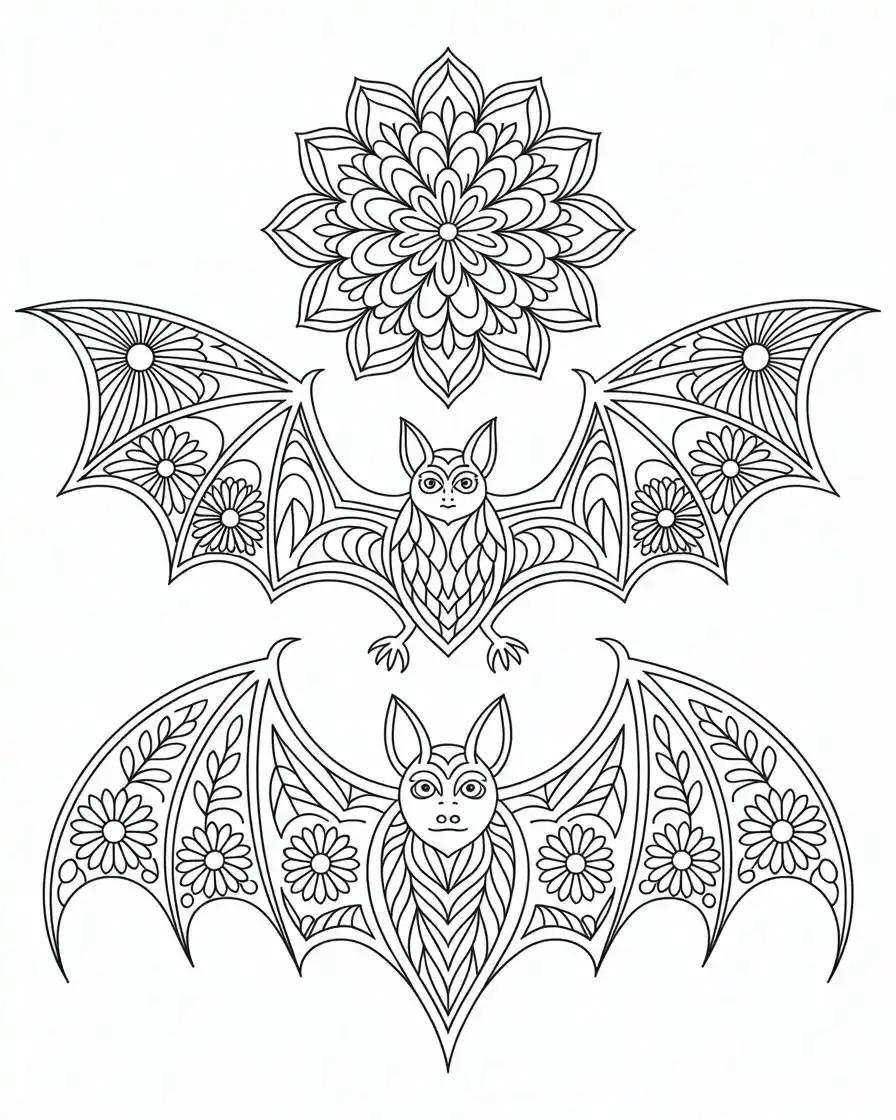
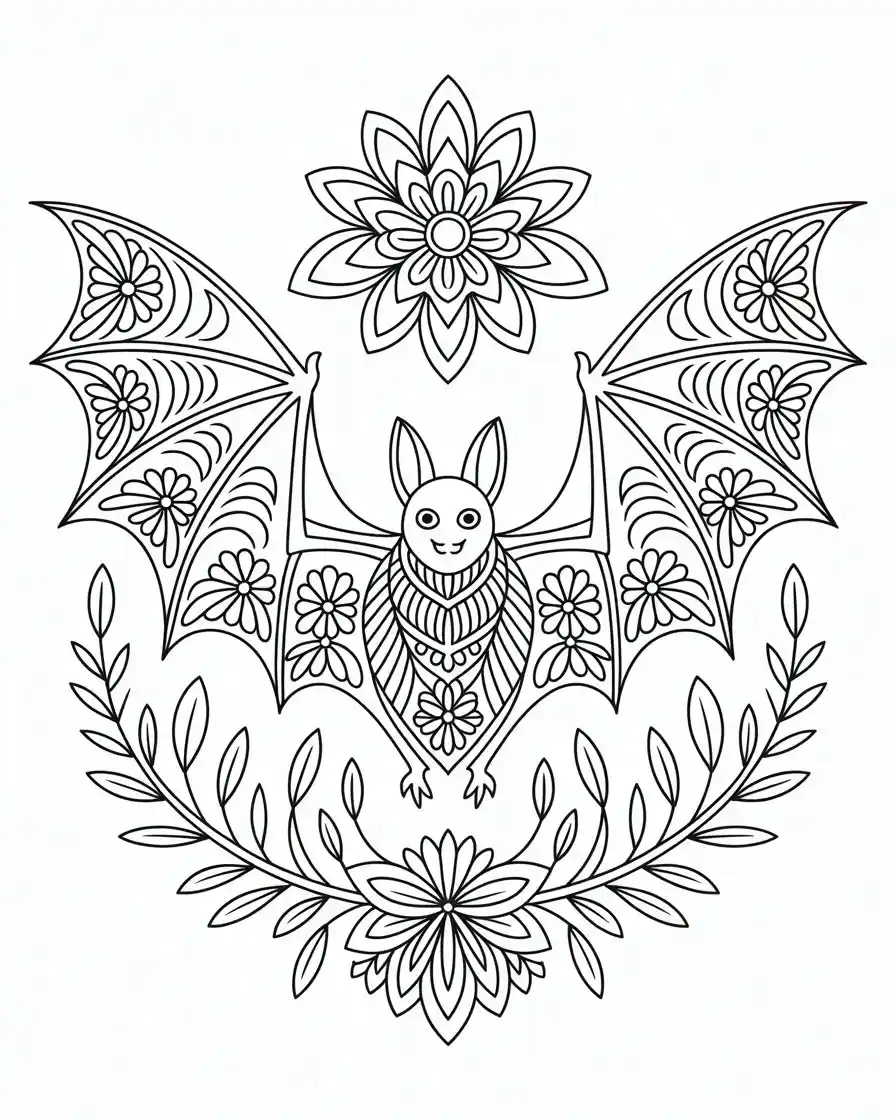
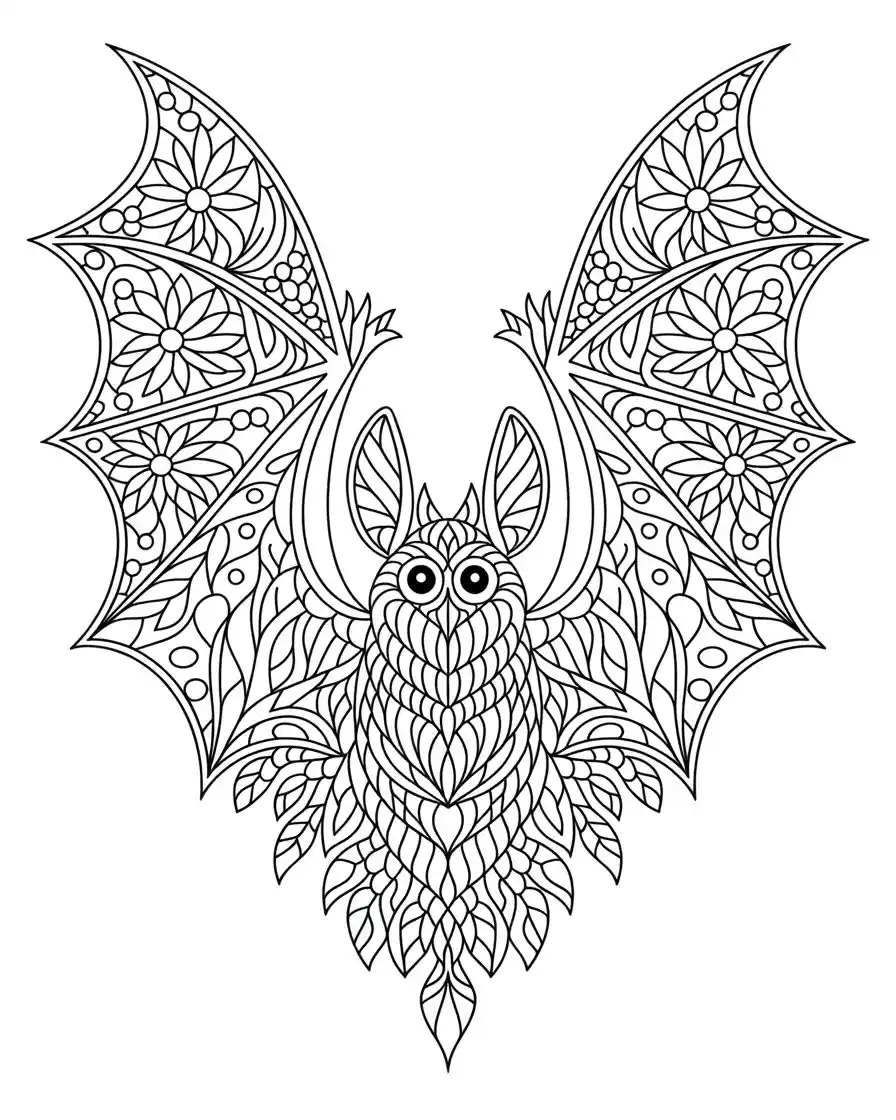
Teenagers and adults who enjoy detailed work will find realistic bat coloring pages featuring the large flying fox, the common vampire bat, and the big brown bat. These pages reward careful shading technique and look outstanding when worked with quality colored pencils or water color pencils.
Classroom and party printing: these free bat coloring pages include clean bat silhouettes, bat and pumpkin scenes, and spooky themed outlines printed sharply on standard paper and are ideal for school craft sessions or Halloween party activities.
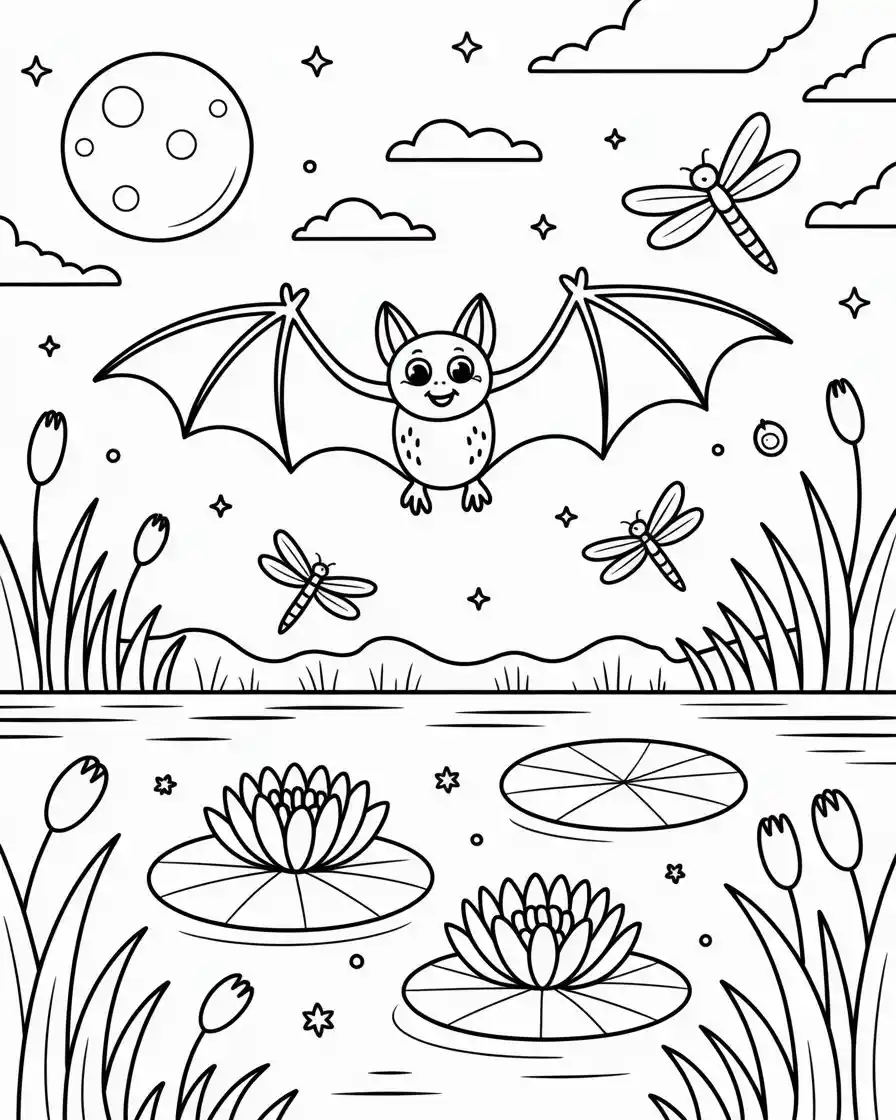


Where do bats live? habitats explained simply
Understanding bat habitats gives any bat coloring page session an educational dimension that children genuinely enjoy. Here is a clear, accurate overview.
Caves and rocky areas: shelter the most well known species. Vampire bats, horseshoe bats, and free tailed bats all roost in cave systems during daylight, hanging upside down in colonies that can number in the thousands. The cave dwelling bat is the image most children associate with Halloween and the inspiration behind most spooky bat artwork.
Tropical rainforests: are home to the flying foxes, the world’s largest bats. These fruit bats are found across South and Southeast Asia, Africa, and the Pacific Islands. Unlike most bats, they roost in trees and navigate primarily by sight rather than echolocation. A flying fox in full wingspan is one of the most dramatic subjects a wildlife coloring page can depict.
Temperate woodlands: across North America, Europe, and Asia are home to smaller insect eating species, the big brown bat, the little brown bat, and the noctule bat among them. These are the bats children are most likely to spot darting between trees at dusk on a summer evening.
Deserts: support specialist hunters like the pallid bat of North America, which flies low and slow above the desert floor, listening for scorpions and large insects rather than using echolocation to track flying prey mid air.
Urban areas: have become critical bat habitats. Many species now roost in roof spaces, under bridges, and inside older church walls. In the UK, all 18 native bat species are legally protected, and urban bat colonies are monitored by volunteer bat groups across the country.
8 Bat facts worth sharing while you color
Bats are the only mammals capable of true powered flight. Their wings are highly modified hands; a thin skin membrane called the patagium stretches between four elongated finger bones. The scientific order Chiropteran means hand wing in Greek, which children who love science tend to remember immediately.
More than 1,400 bat species have been identified worldwide. They make up roughly one in five of all mammal species on earth. The range in size is extraordinary from the bumblebee bat of Thailand, which weighs just 2 grams and is the world’s smallest mammal, to the great flying fox with a wingspan approaching 1.8 meters.
Bats hunt in complete darkness using echolocation. They emit high frequency sound pulses and interpret the echoes that bounce back. The system is precise enough to detect a wire 0.3 mm thick at three metres and to track and catch a single mosquito in the dark.
A single bat can eat over 1,000 mosquitoes in one hour. Bat colonies across North America are estimated to provide agricultural pest control worth more than one billion US dollars annually. Losing bat populations would have measurable consequences for food production.
Vampire bats exist but they rarely approach humans. The common vampire bat of Central and South America feeds on the blood of livestock, not people. It makes a tiny painless incision with sharp teeth, laps a small amount of blood, and leaves without waking its host. Attacks on healthy humans are exceptionally rare.
Over 500 plant species depend on bats for survival. Mangoes, bananas, agave, and durian all rely on bats for pollination or seed dispersal. Without bats, these plants would be unable to reproduce naturally in the wild.
Mother bats produce only one pup per year. Despite this low birth rate, a mother bat identifies her own pup by its unique call and scent even in a cave shared with hundreds of thousands of other bats.
The Brandt’s bat of Russia lives for over 40 years. This 8 gram species holds the record as the longest lived mammal relative to its body size anywhere on Earth, outliving animals many hundreds of times its weight.
Coloring tips better results at every skill level
- For toddlers: The simple bat coloring pages work best with thick washable crayons or chunky markers. Black and dark grey are the most recognizable bat colors, but a purple or red bat is completely fine at this age, creative confidence matters far more than color accuracy.
- For children aged 6–12: Layer two shades of grey instead of one flat color. Apply mid grey across the whole bat first, then build darker grey into the shadow areas under the wings, behind the ears, beneath the chin. For Halloween scenes, a deep blue or purple background makes black bats look dramatic and polished. For cute designs, bright colors on small details like scarves or bow ties add real personality.
- For adults and teenagers: Always work light to dark, never apply the darkest tone first. Bat wing membranes are slightly translucent in real life, and a wash of warm grey with a hint of terracotta or purple captures this quality accurately. Use short directional strokes on the fur areas to suggest texture. Fine liner pens over completed pencil work define the eyes, ear edges, and facial detail beautifully.
5 Craft activities that go beyond the page
Hanging Halloween decoration: Cut out a colored bat, wrap it around an empty toilet roll tube, add pipe cleaner wings, and hang it upside down from a doorframe. Fast, free, and genuinely effective.
Framed spooky art: Mount a colored flying bat on black card with a white paper moon and cotton wool mist. Children are always proud to display artwork that looks this finished.
Handprint keepsake: Press paint covered hands on white paper with fingers spread outward for wings, then center a cut out bat face between them. A craft that parents keep for years.
Classroom mobile: Each student colors their own design, cuts it out, and hangs it at a different height from a shared painted tube. A rotating display with minimal preparation from the teacher.
Labelled science diagram: Color a wildlife illustration from the coloring pages of bats collection. We add labelled arrows pointing to the ears (echolocation), wings (patagium/Chiropteran), and eyes (nocturnal adaptation). A strong addition to any school project on mammals or nocturnal animals.
Who are these sheets designed For?
Parents at home: will find these cute bat coloring pages and designs ideal for rainy afternoons, Halloween preparation, and any moment when children need a calm, screen free activity. No special materials are required beyond a printer and whatever coloring tools are already available.
Teachers and classroom educators: can print any bat coloring page in unlimited quantities for free. These sheets work across multiple subject areas art, science, nature studies, and seasonal craft sessions. They pair naturally with primary school units on animal habitats, nocturnal animals, and biodiversity.
Adult colorists: who use coloring as a mindfulness or relaxation practice will find the detailed wildlife illustrations in this collection a genuinely satisfying challenge. Many adults find detailed coloring relaxing and use it as a mindfulness activity. Realistic bat coloring pages reduces cortisol levels and activates the same neural pathways as meditation.
Frequently asked questions About Bat coloring pages
More Free Animal Coloring Pages
If these bat designs sparked a love of animal coloring, our library has plenty more to explore. From gentle forest creatures to powerful ocean predators, every collection is free to download, print ready, and built to the same standard accurate, age appropriate, and genuinely fun for kids and adults alike.


