Free Frog Coloring Pages – Cute, Realistic & Printable PDF
Frog coloring pages are free, printable PDF designs for kids and adults, ranging from simple, round-eyed cartoon frogs to detailed, realistic tree frog and poison dart frog scenes. Designs in this collection can be downloaded and printed instantly, with no sign-up required.
There’s something naturally appealing about a frog’s shape, big eyes, a wide mouth, and a round, compact body that gives even the simplest outline a bit of personality. This collection covers a wide range of styles, from a toddler-friendly cartoon frog to a detailed, species-accurate design for older kids and adults, each available as a high-resolution PDF that prints cleanly on US Letter or A4 paper.
Why the Frog Is a Genuinely Fun Coloring Subject
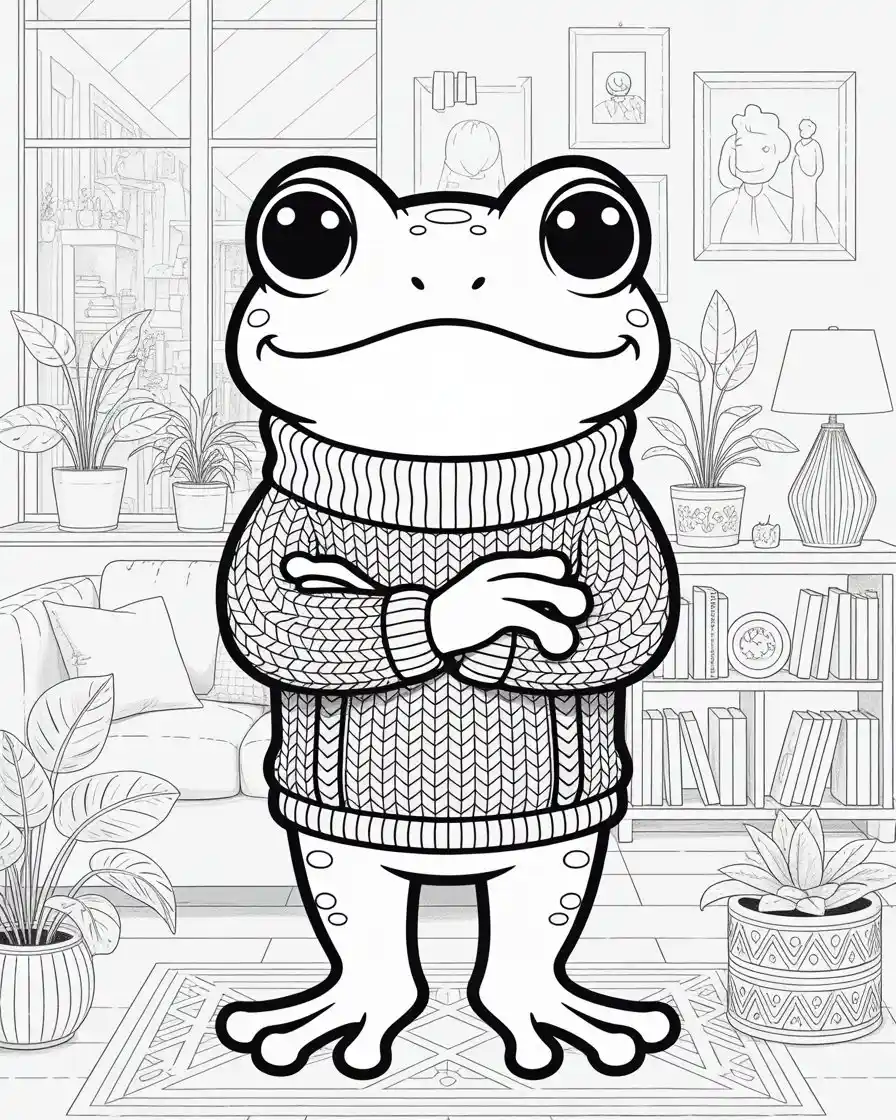
Part of the appeal is how much variety exists within one small animal, which is part of why frog coloring pages stay popular across such a wide age range. Frogs come in an enormous range of real colors and patterns, from bright green tree frogs to the vivid blues, yellows, and reds of poison dart frogs, which gives even a realistic design room for bold, eye-catching color choices. A few real facts are worth sharing while your child works on a design, drawn from commonly available zoology resources:
- Frogs breathe partly through their skin, which needs to stay moist to absorb oxygen, a big part of why frogs are almost always found near water or damp environments.
- A frog’s powerful back legs are built for jumping, and some species can leap more than 20 times their own body length in a single jump.
- Poison dart frogs get their toxicity from their diet in the wild, feeding on certain insects that contain the compounds responsible for their defense, which is part of why captive-bred poison dart frogs are typically not dangerous to touch.
- Most frogs go through a dramatic transformation called metamorphosis, starting life as an egg, developing into a swimming tadpole, and gradually growing legs and lungs before becoming a fully formed adult frog.
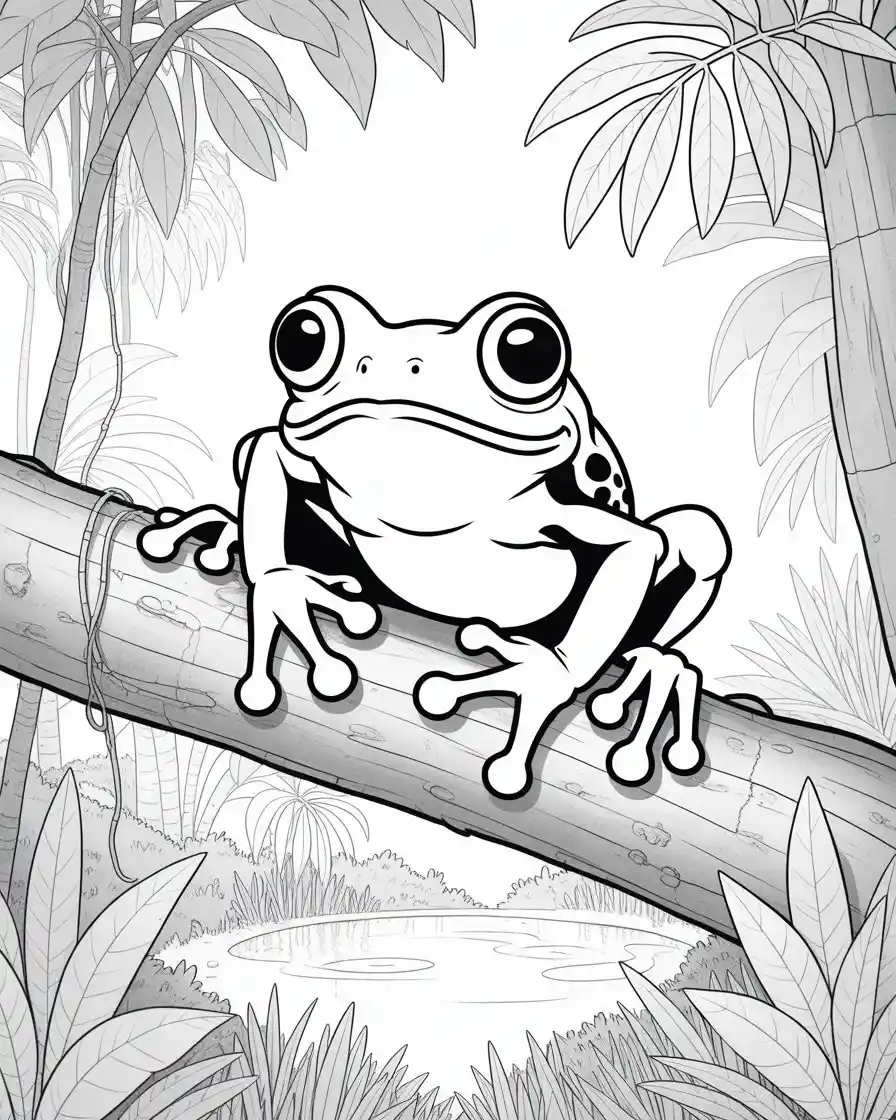
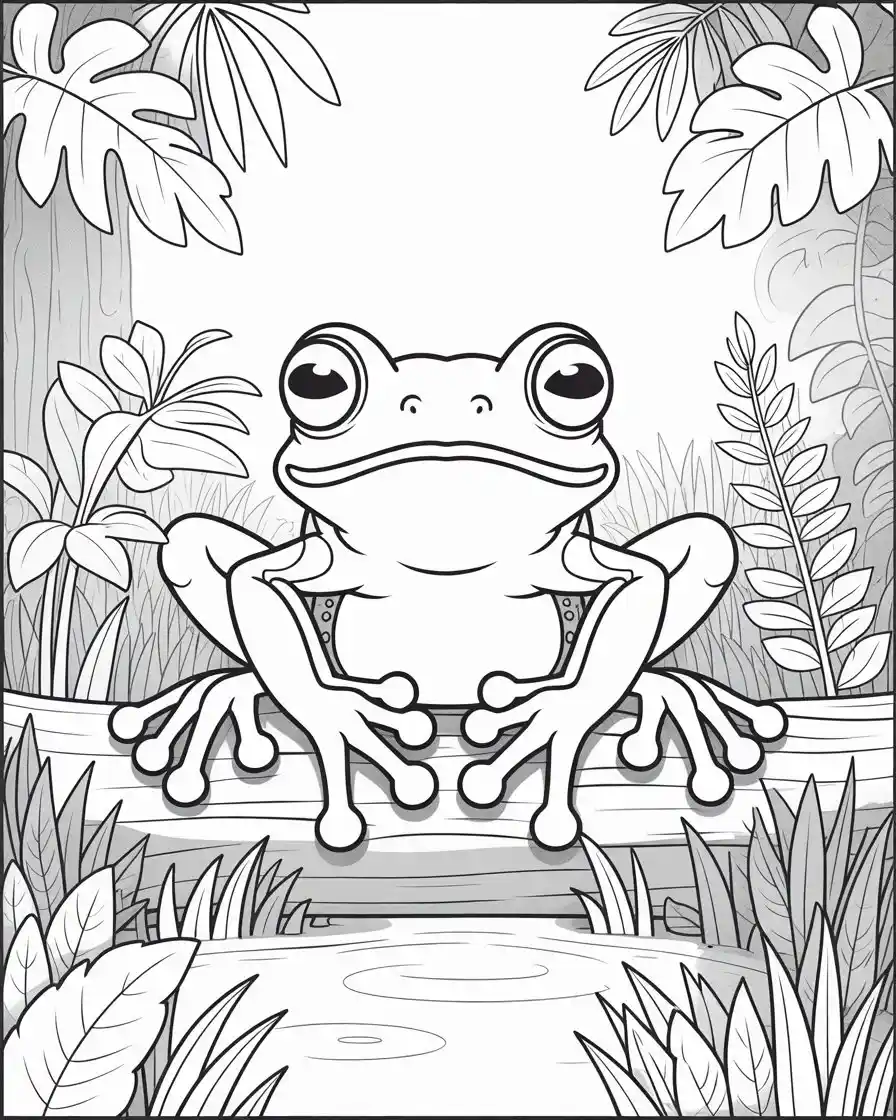
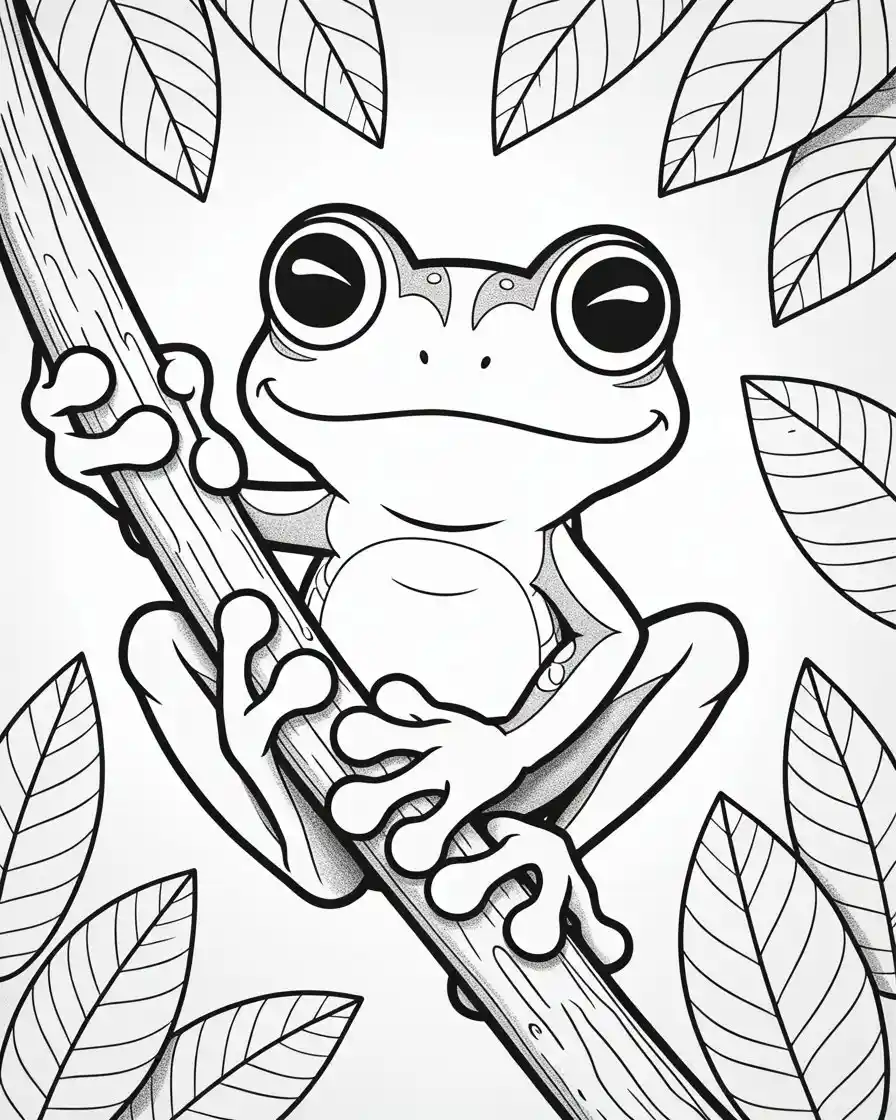
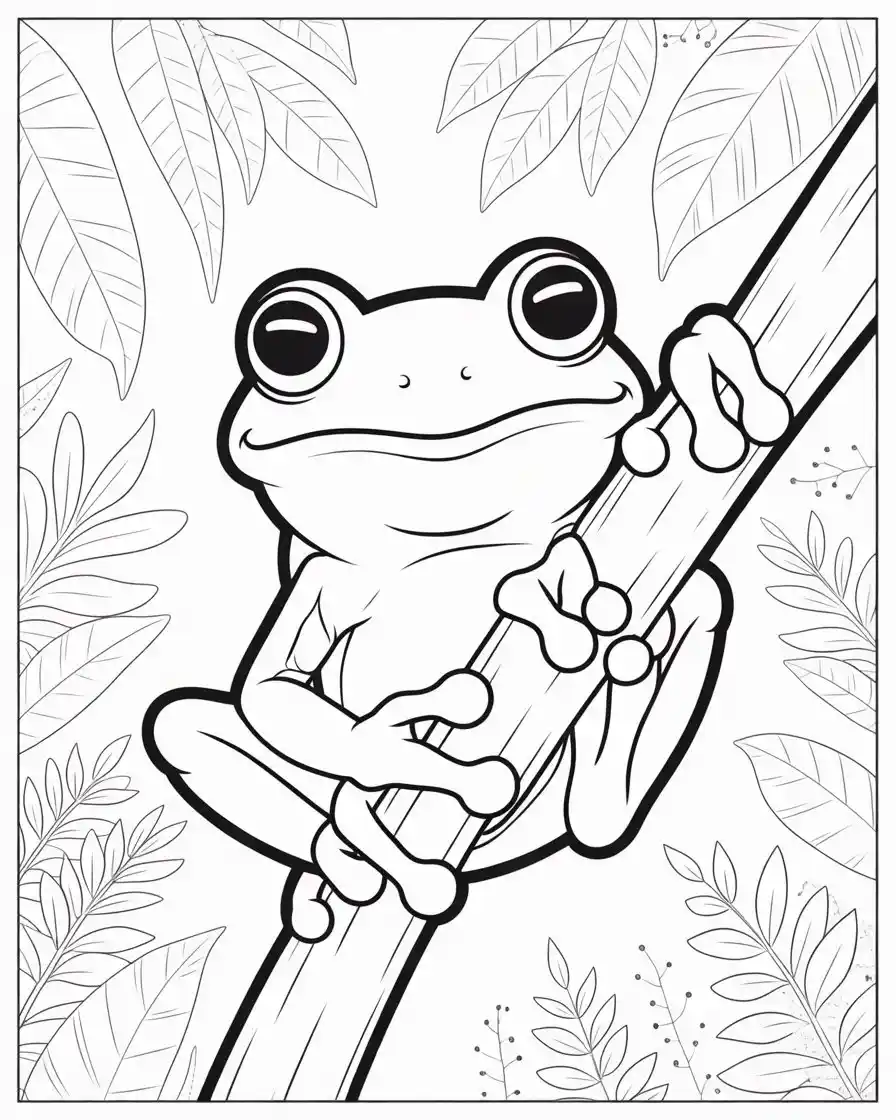
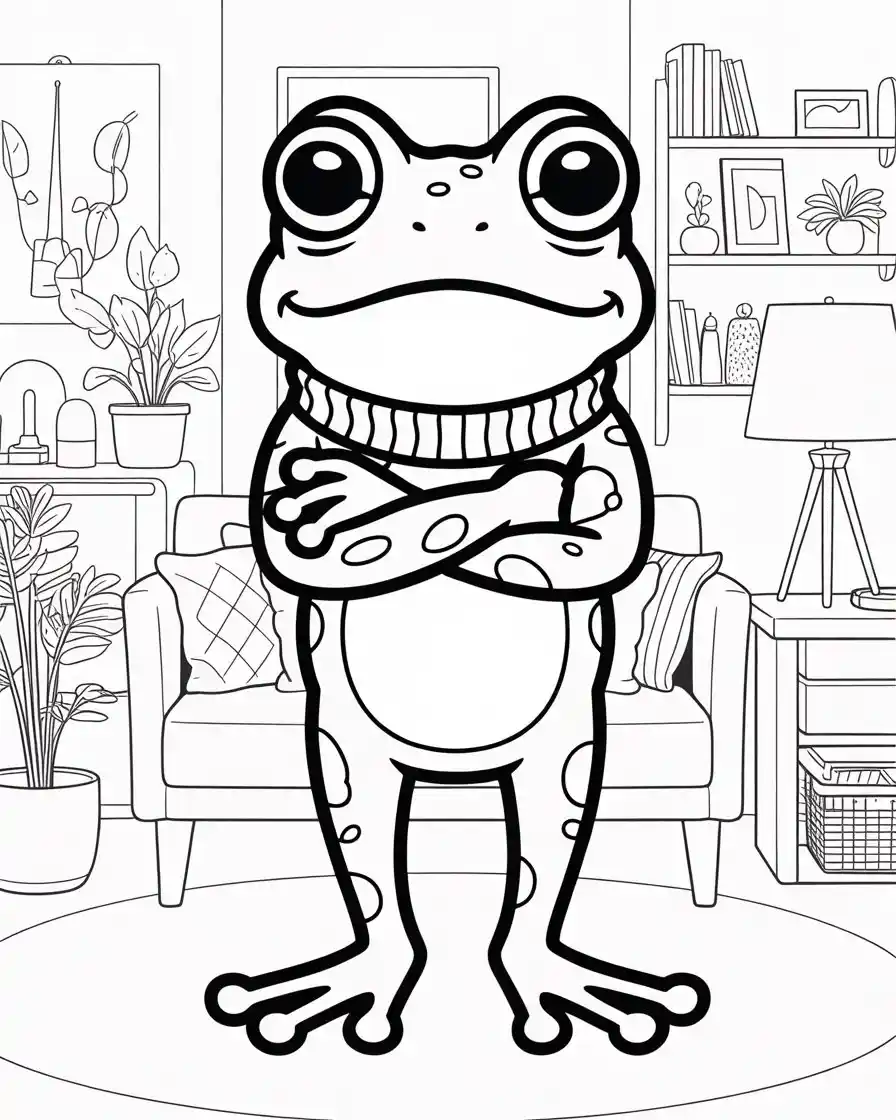
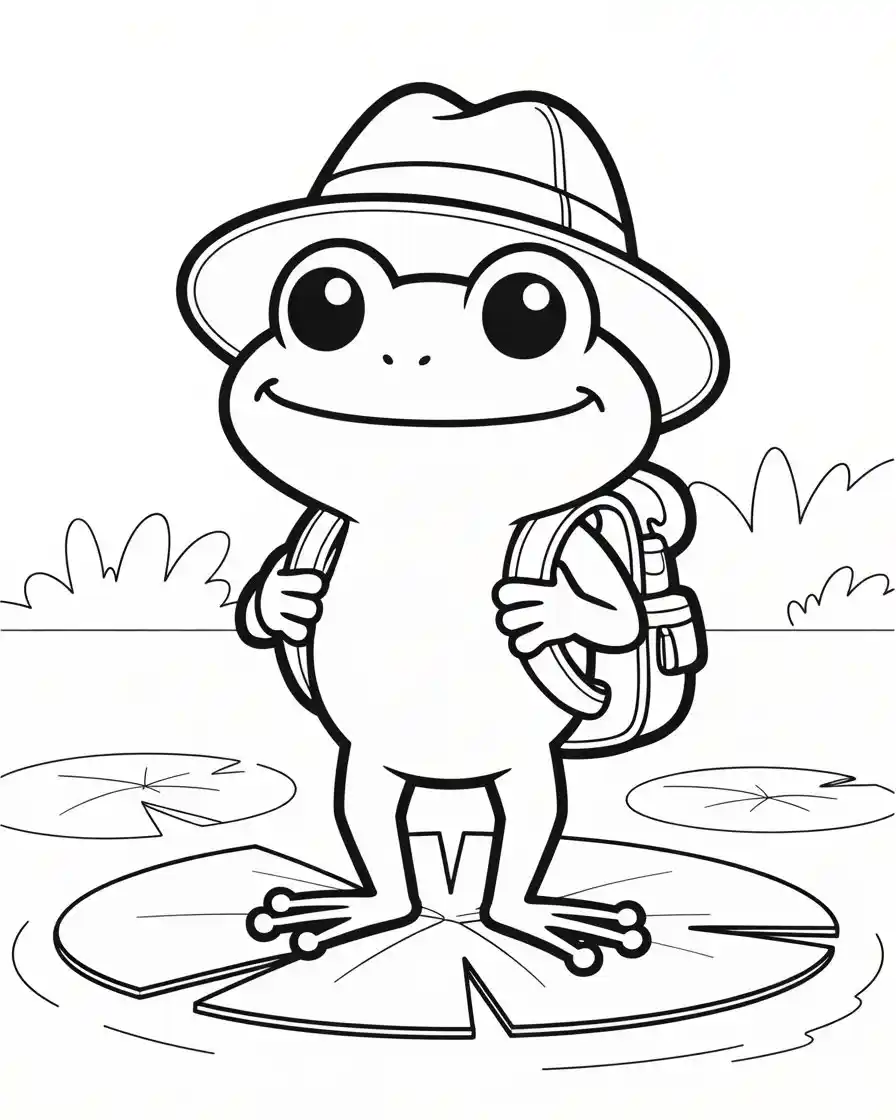

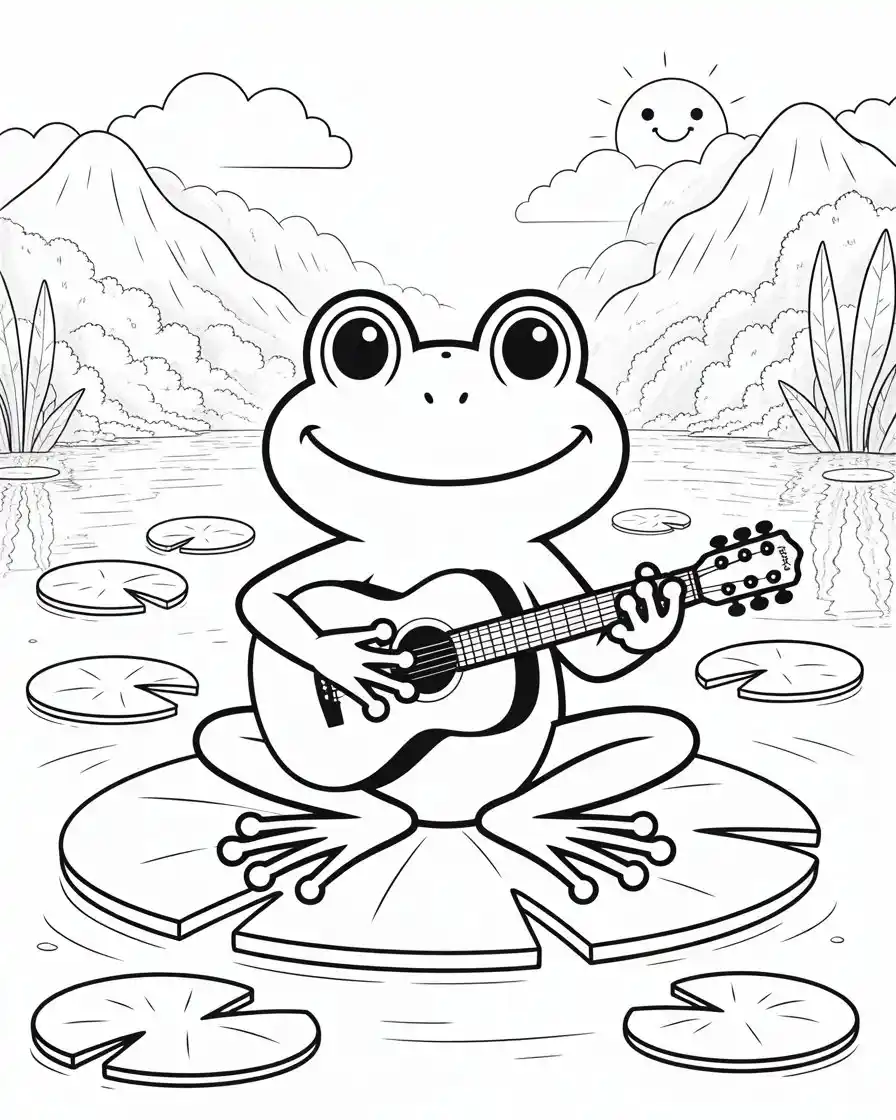
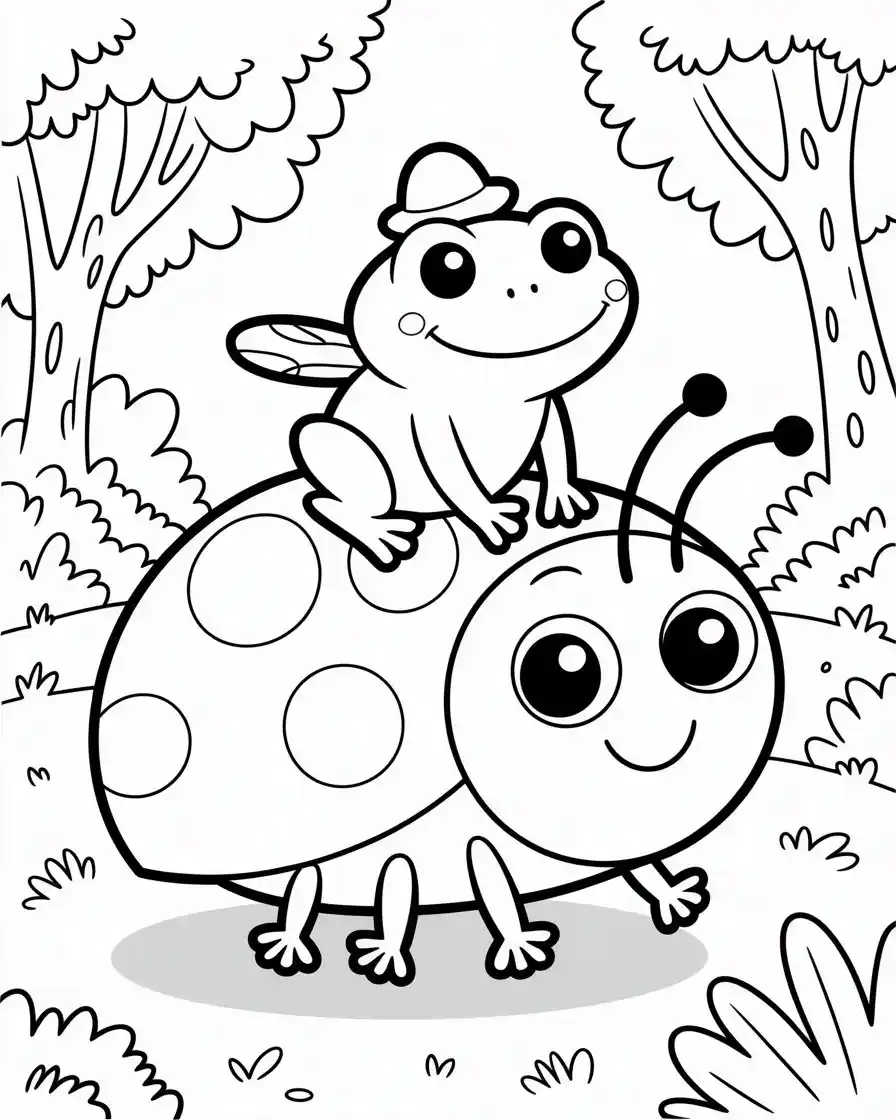
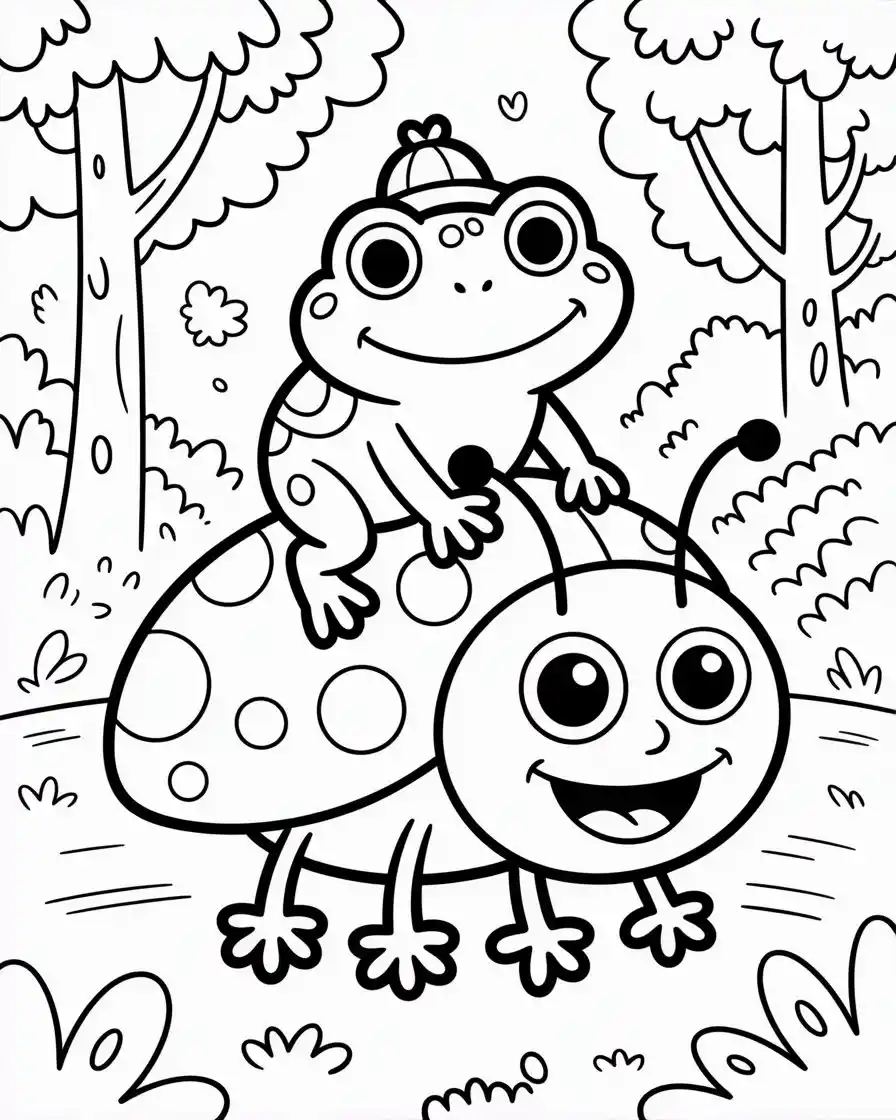

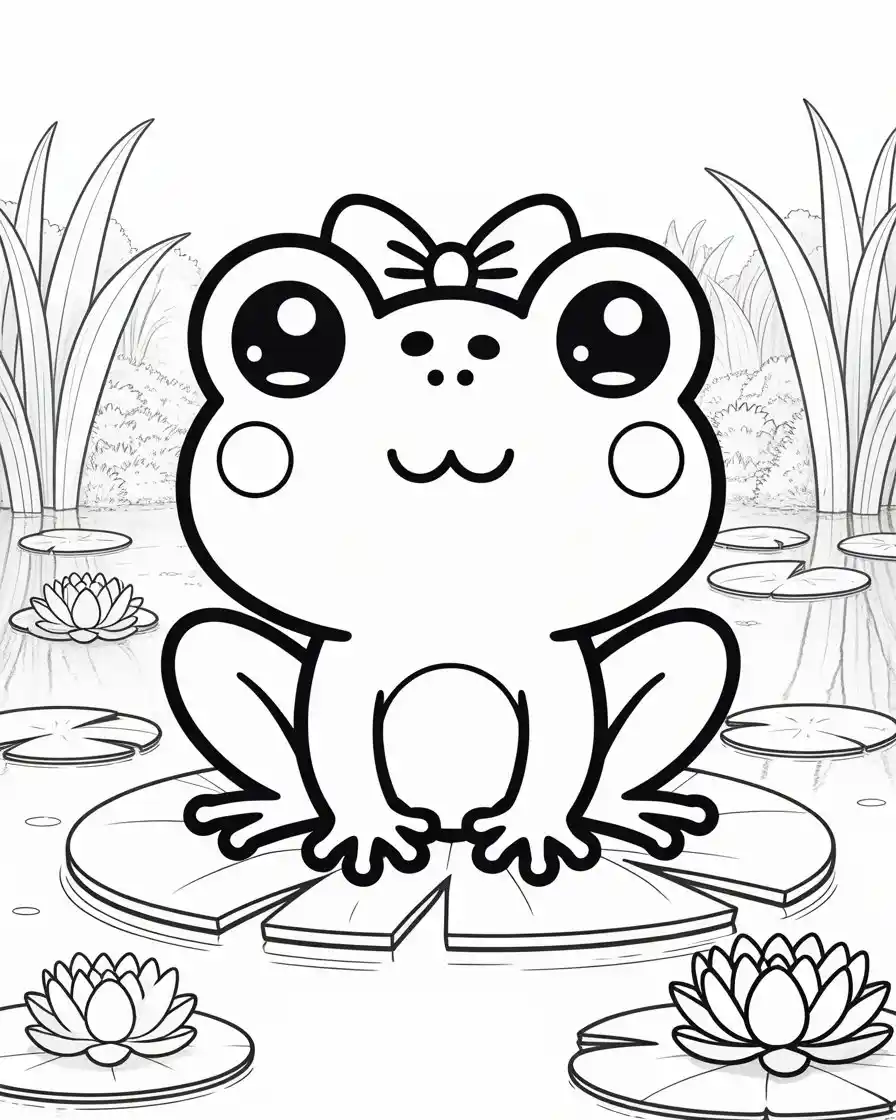

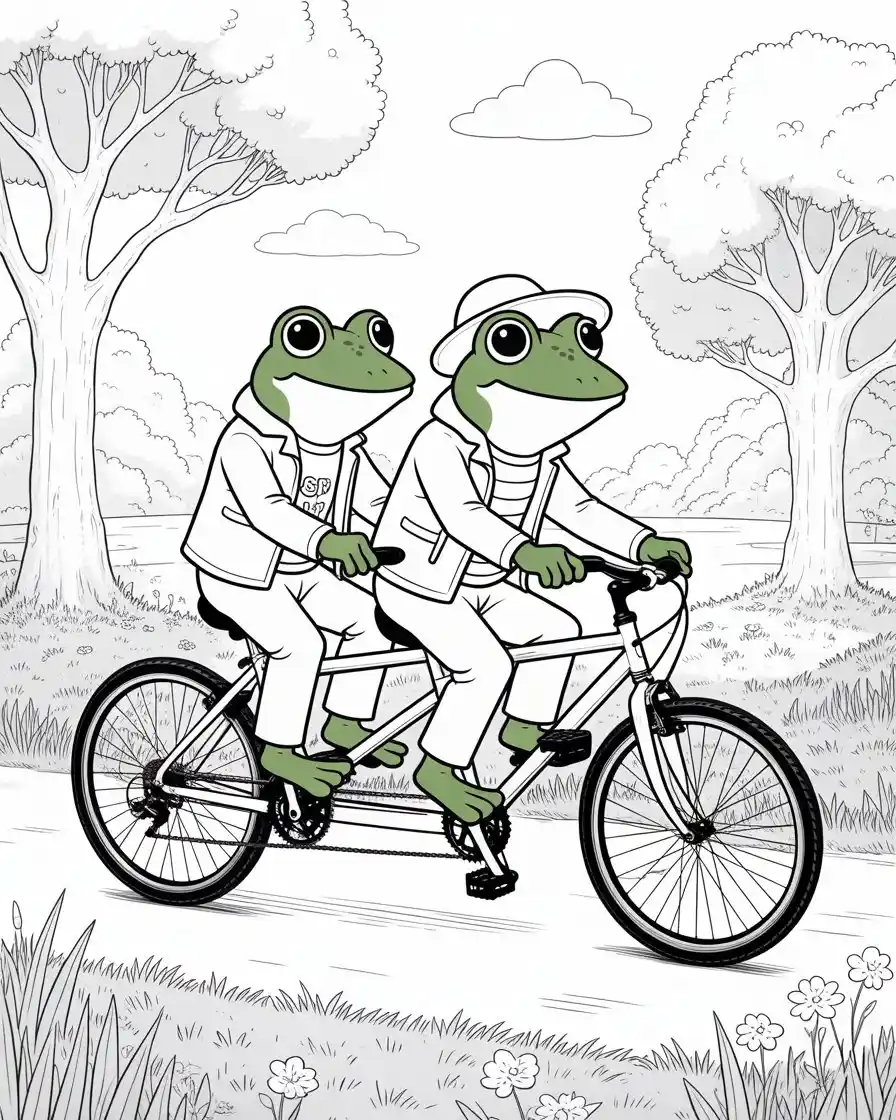
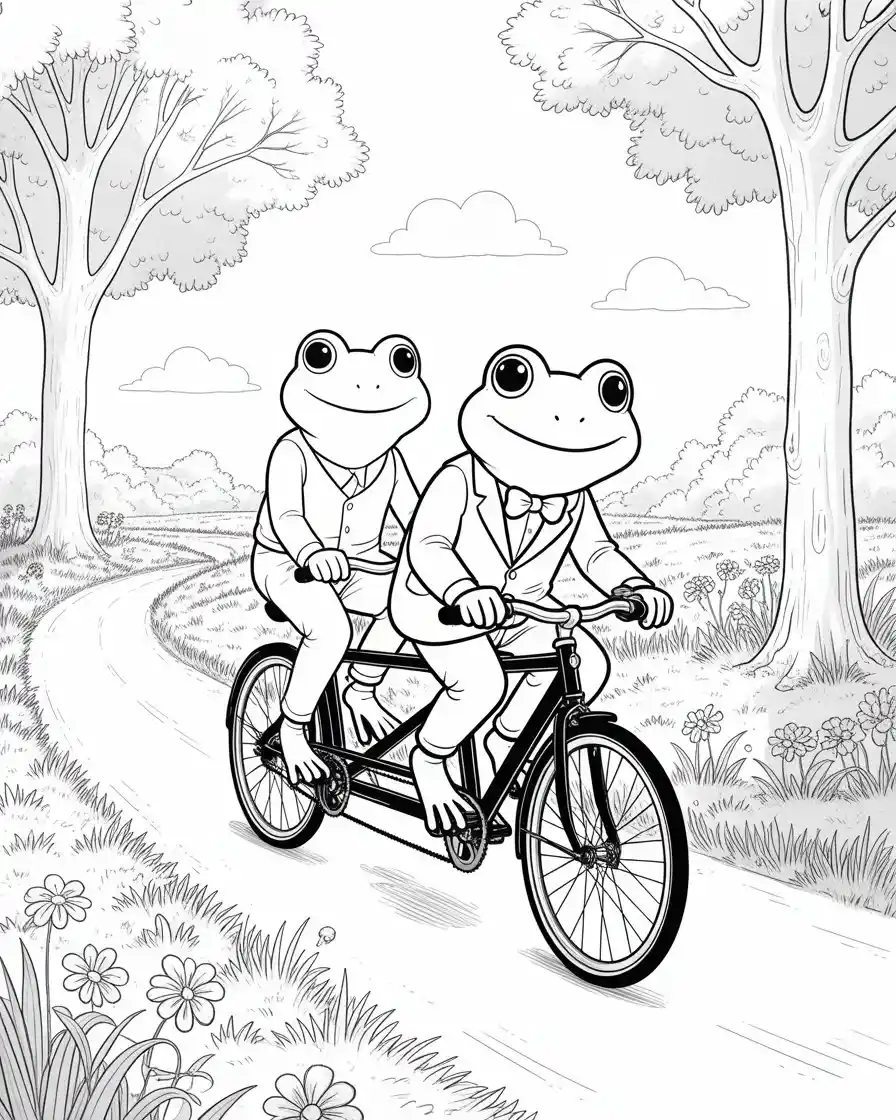
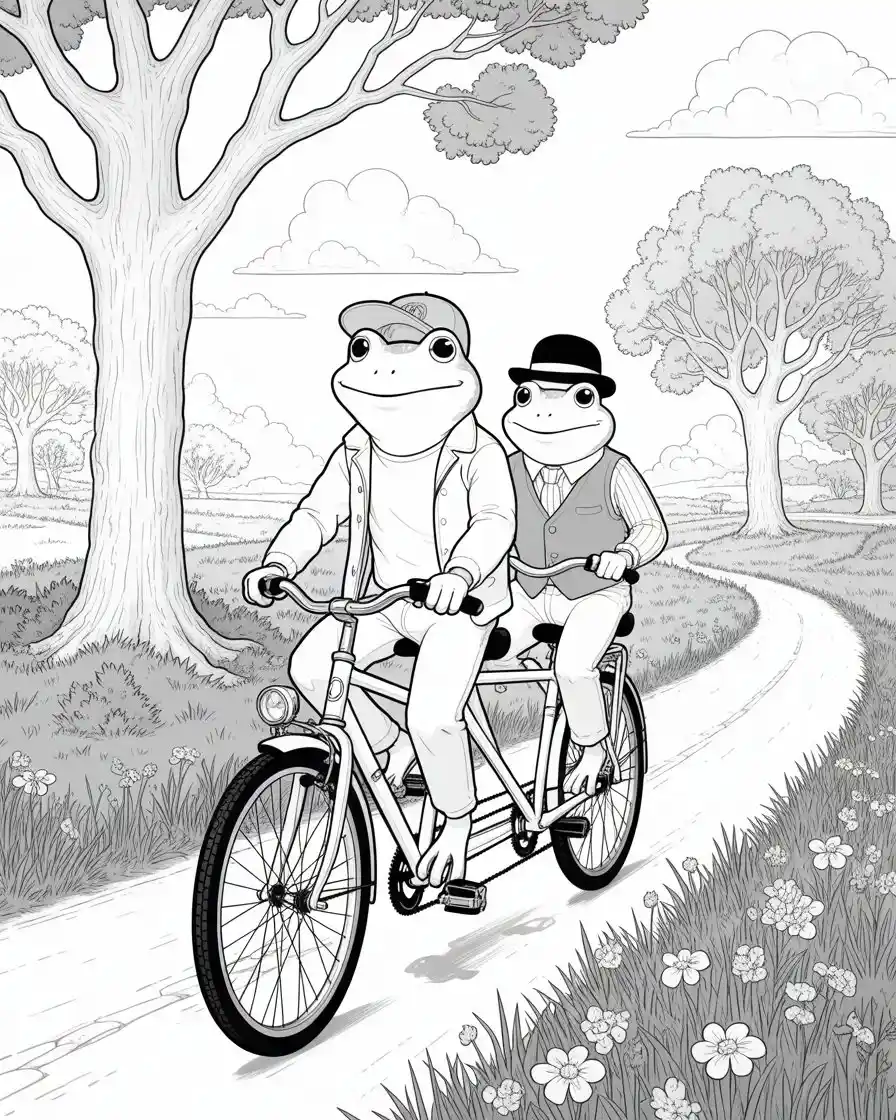


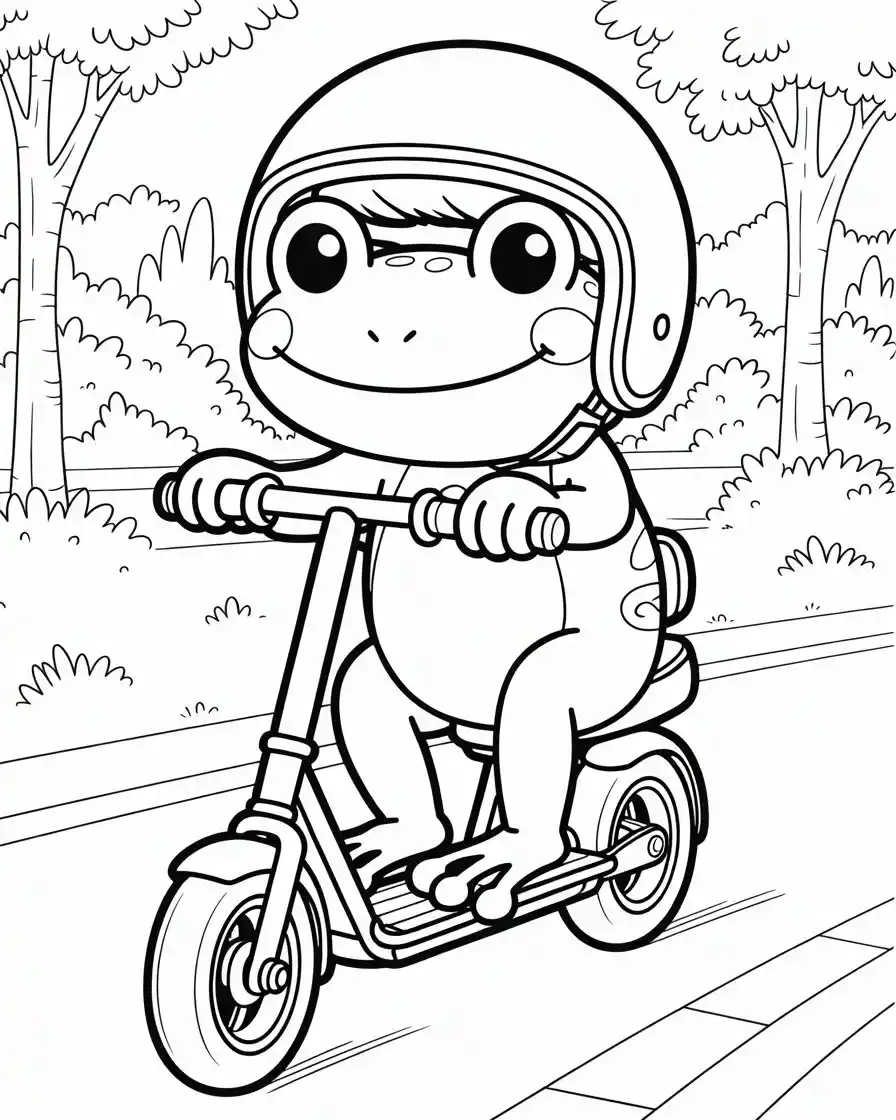







A Look at the Different Frog Styles
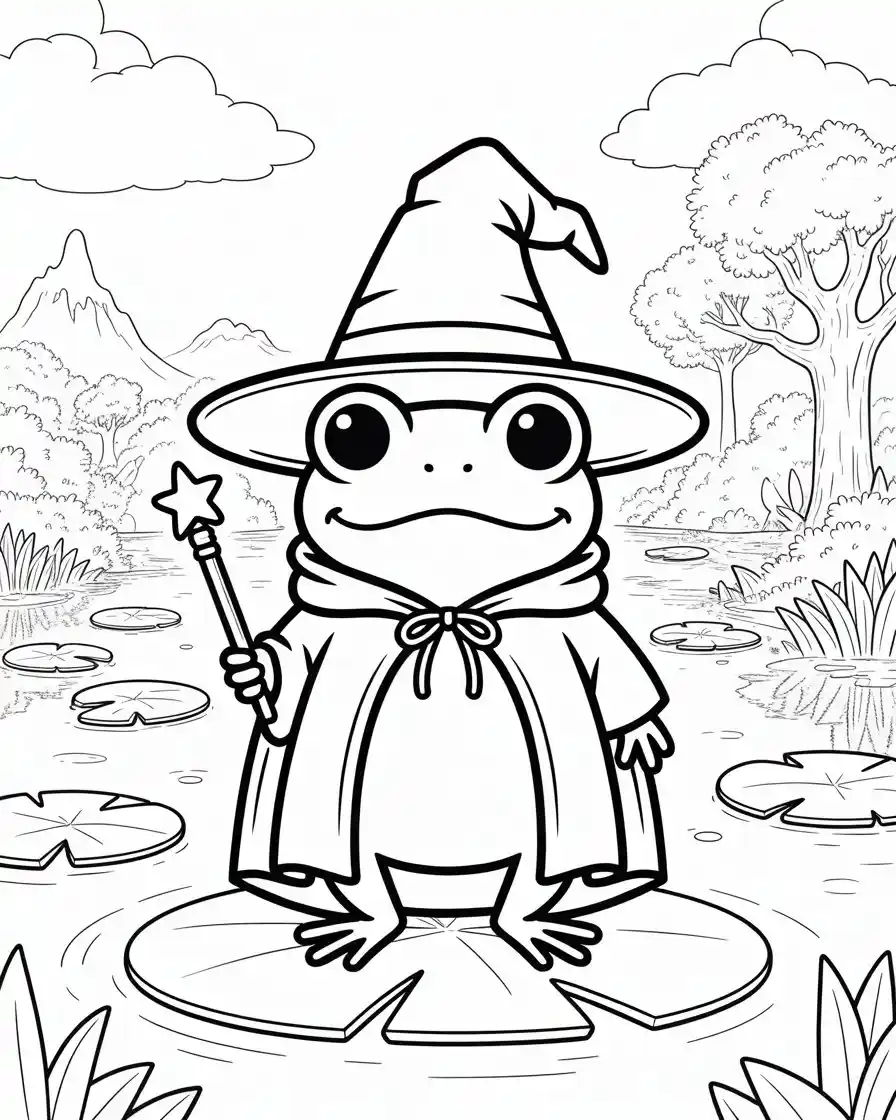
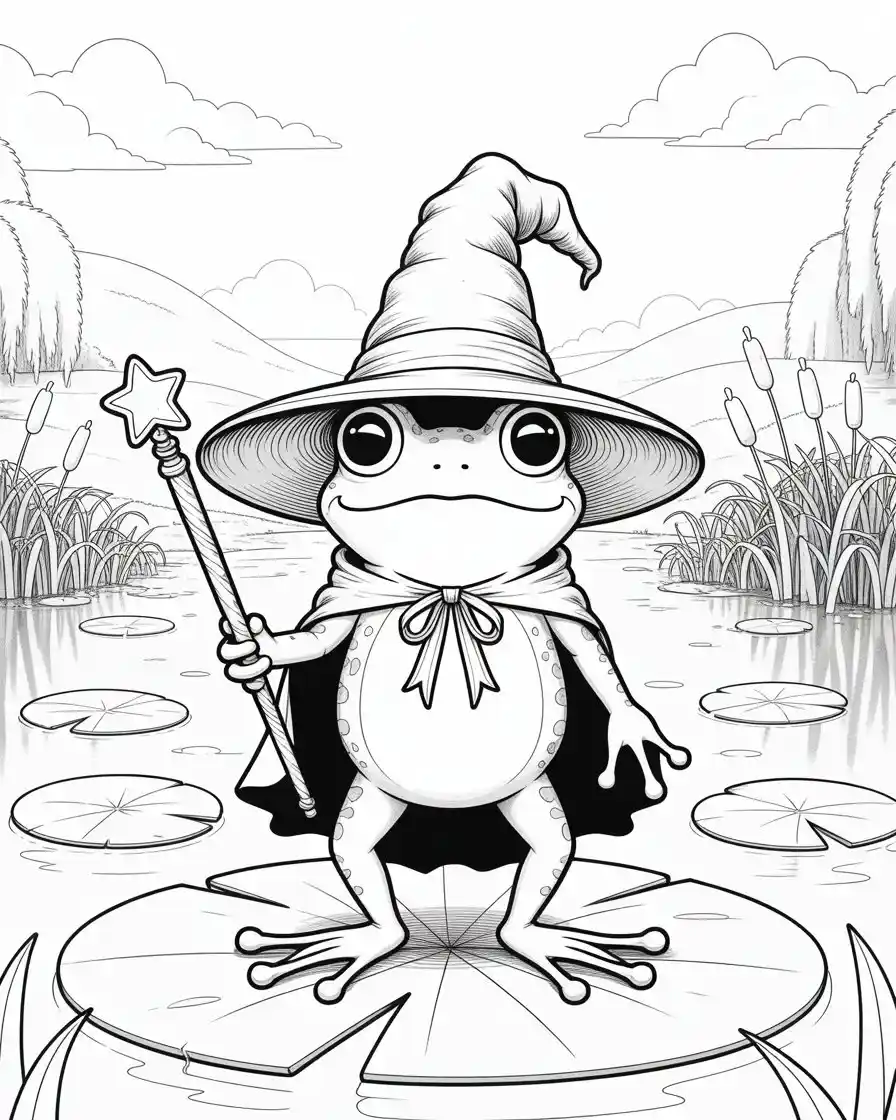
Not every frog coloring page in this set looks the same, and that variety is intentional, so it’s easy to find a design that matches your child’s age or your own coloring mood.
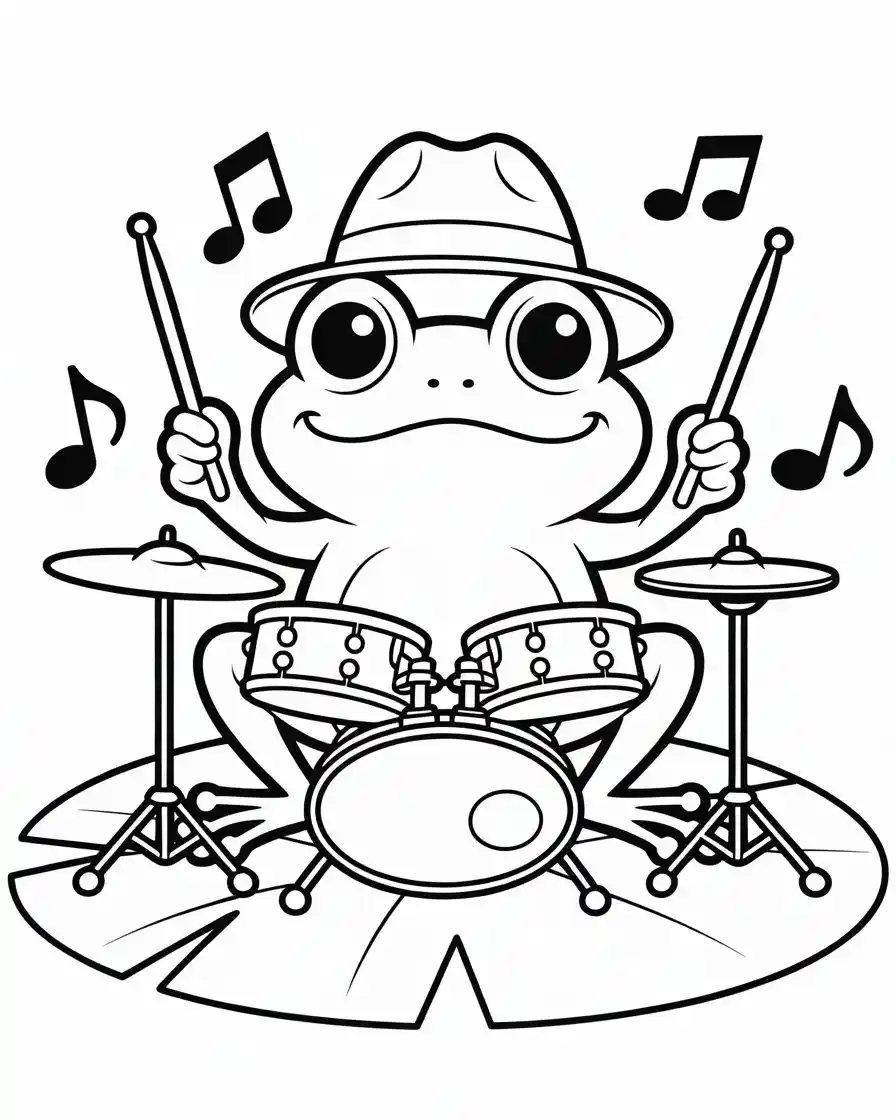
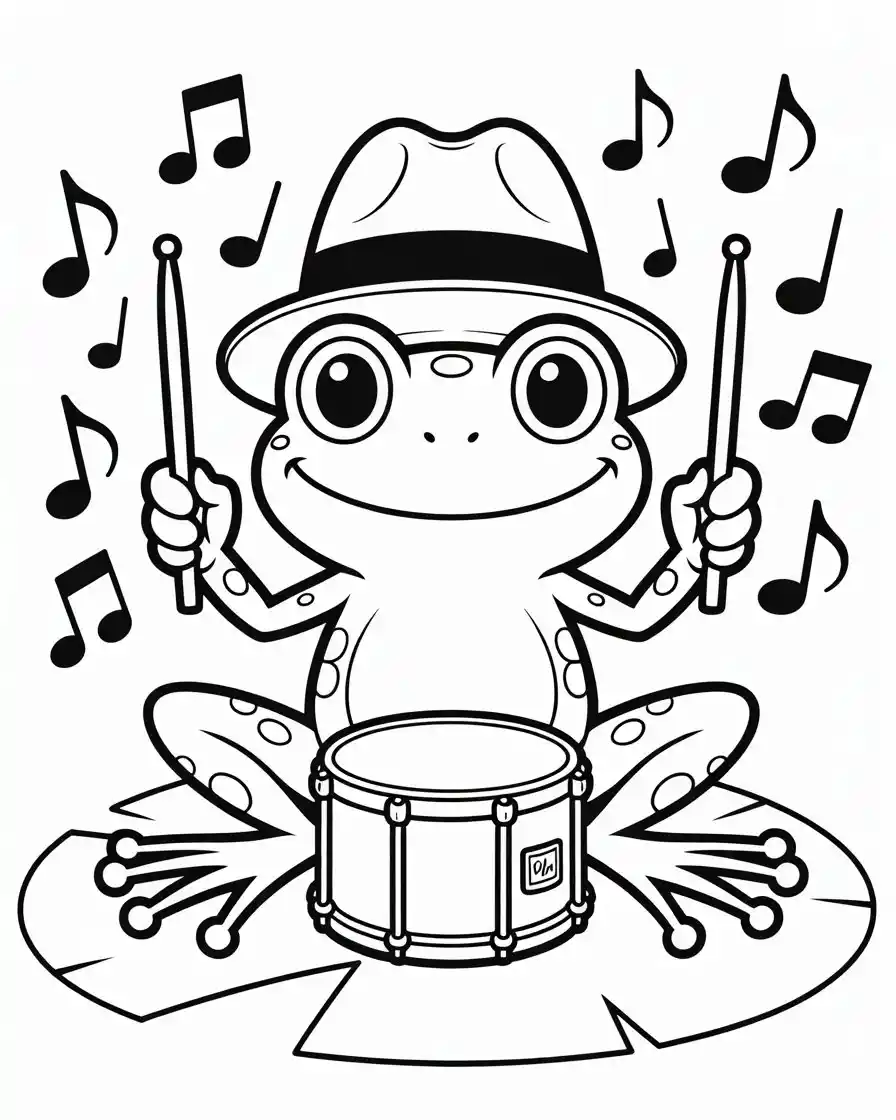
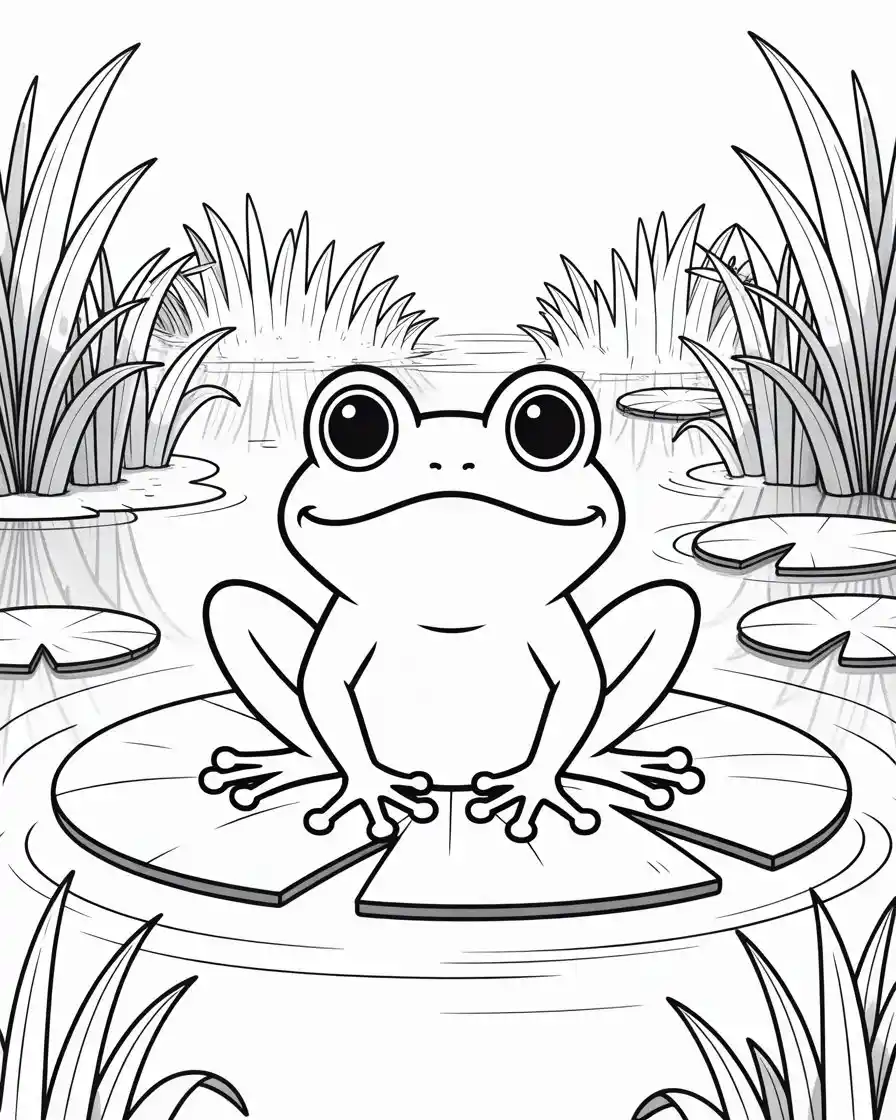
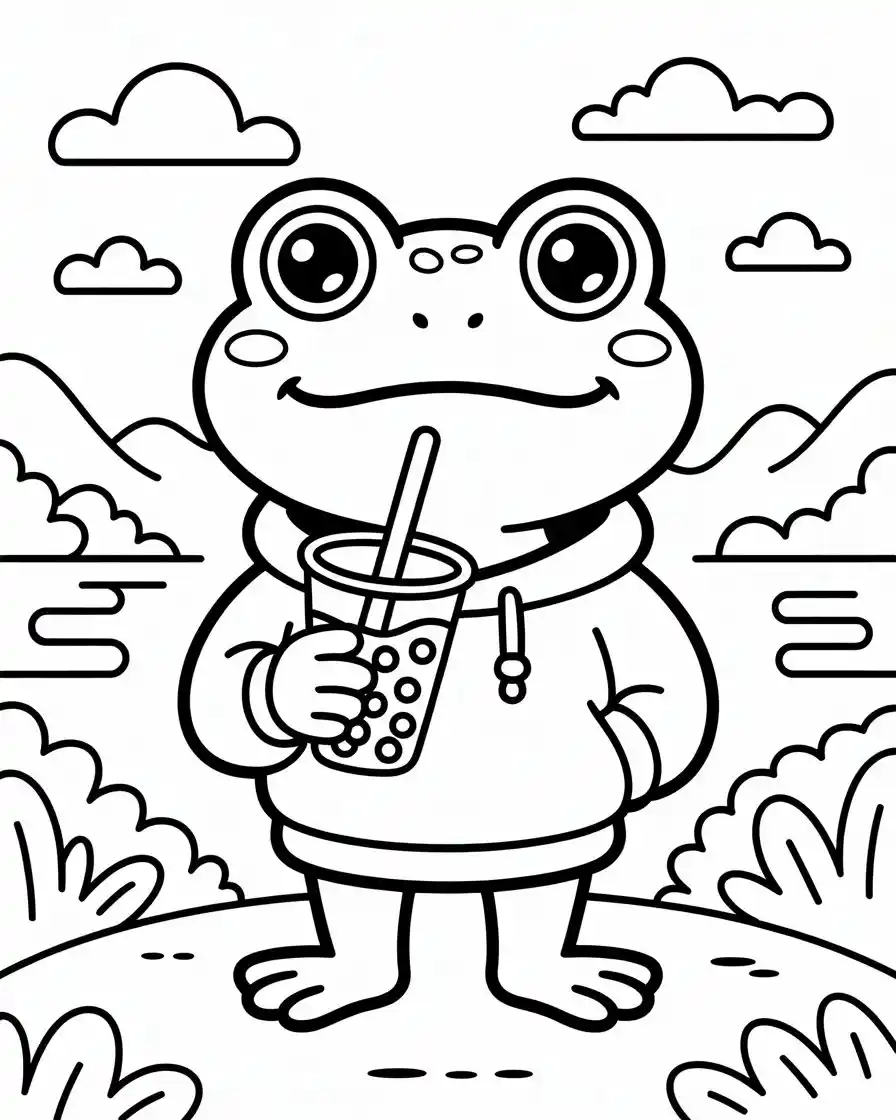
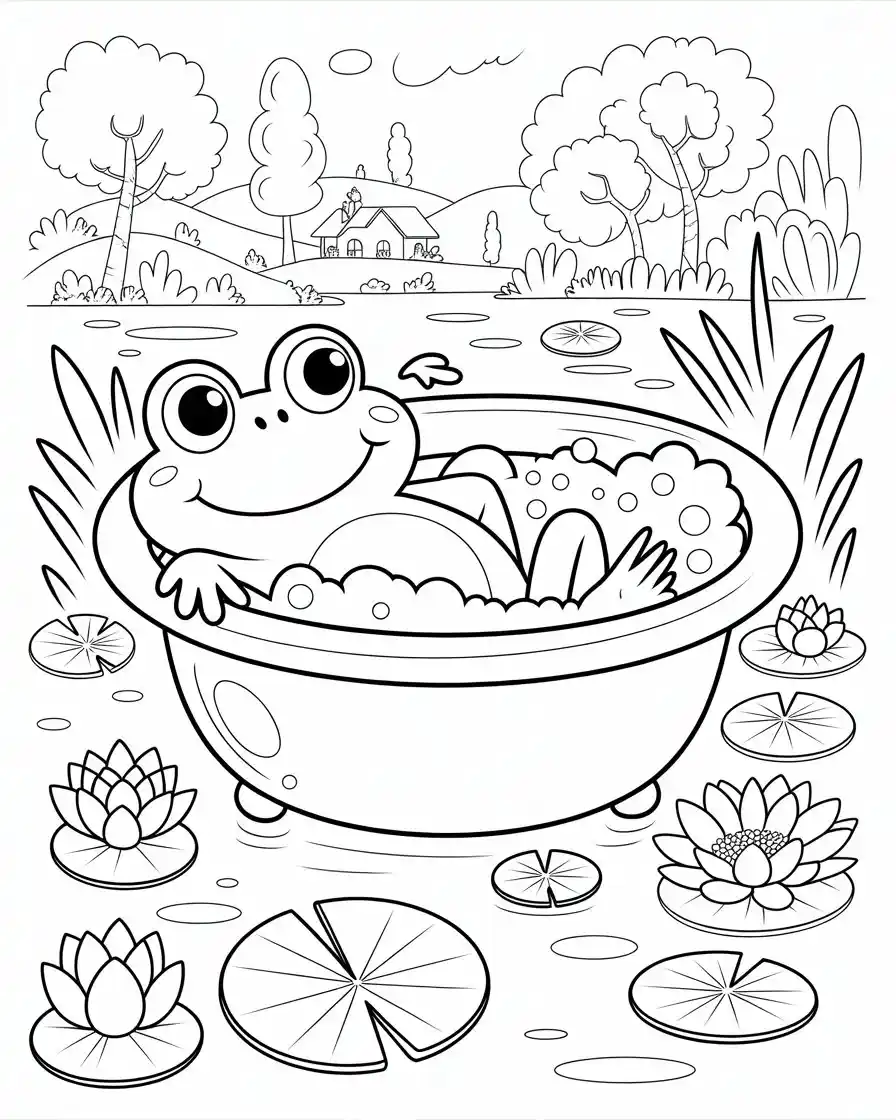
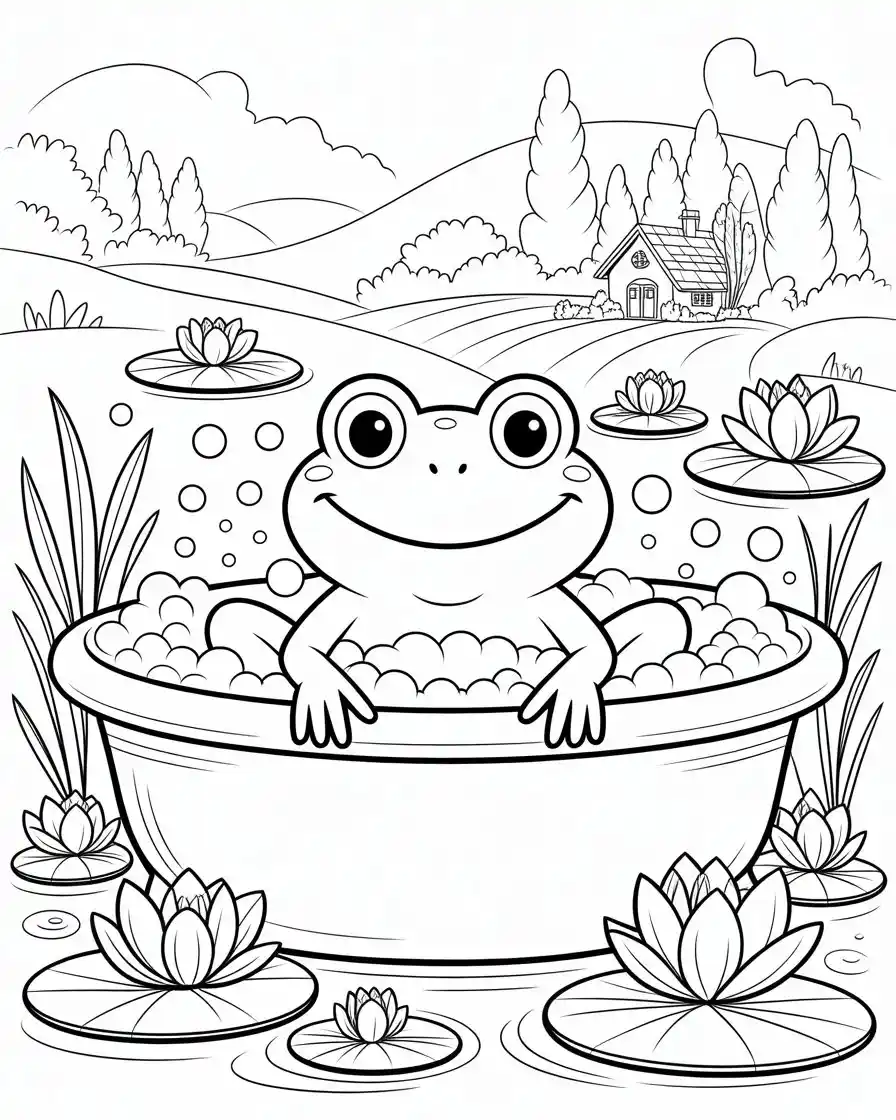
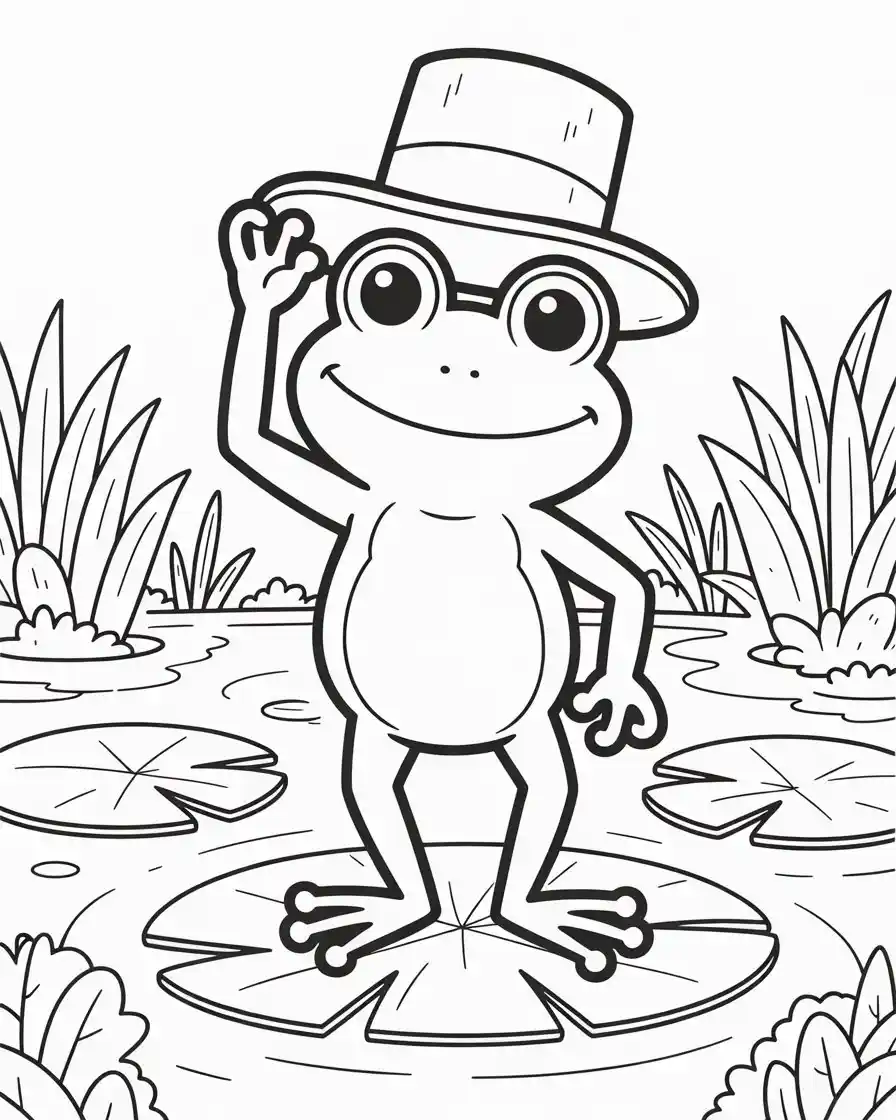
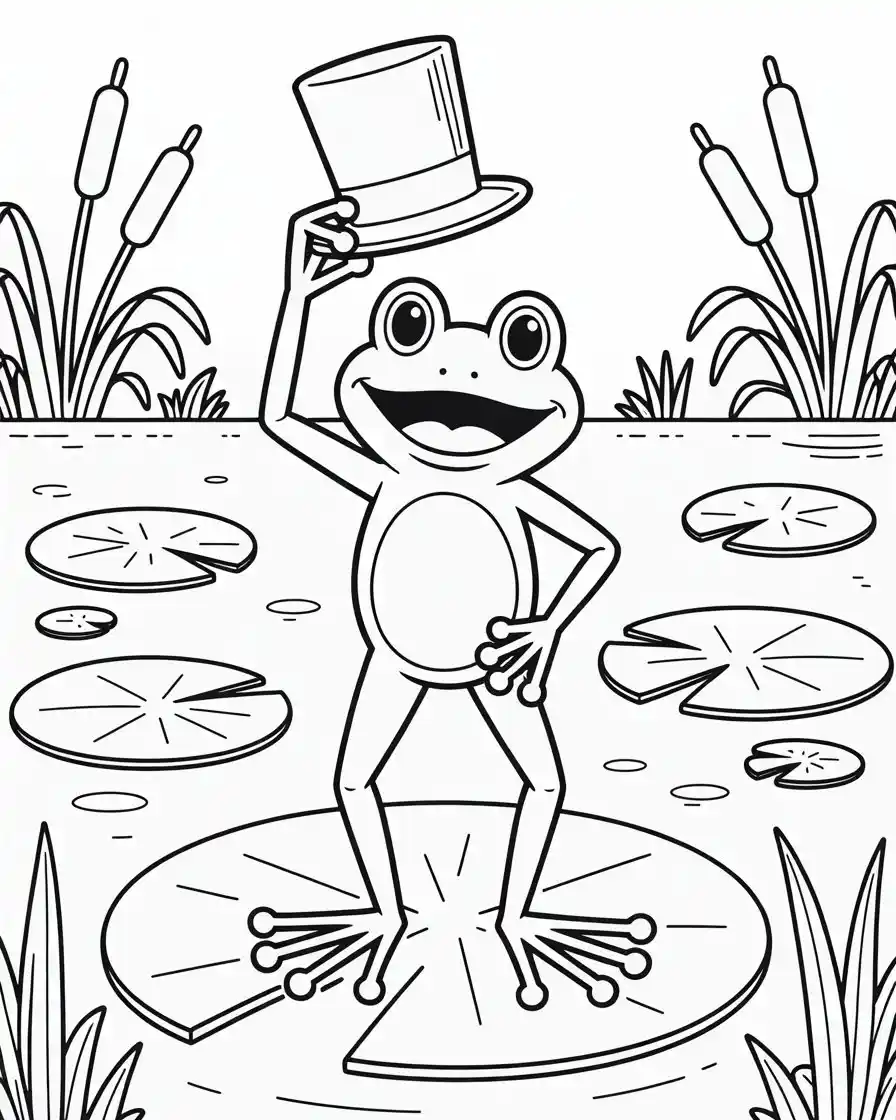
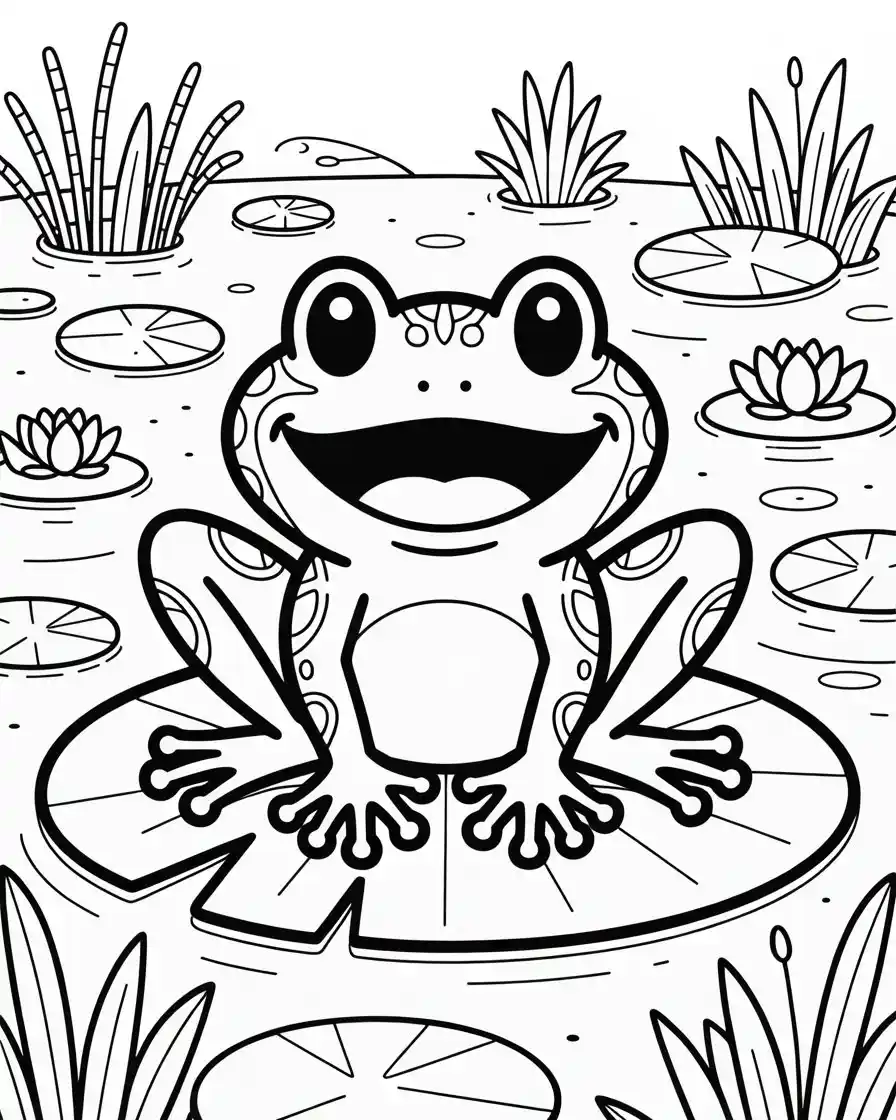
Cute & Cartoon Frog Pages, Rounded features, big eyes, and thick outlines built for toddlers and preschoolers who are still developing pencil control. These cute frog coloring pages are available as printable PDF downloads with no extra steps.
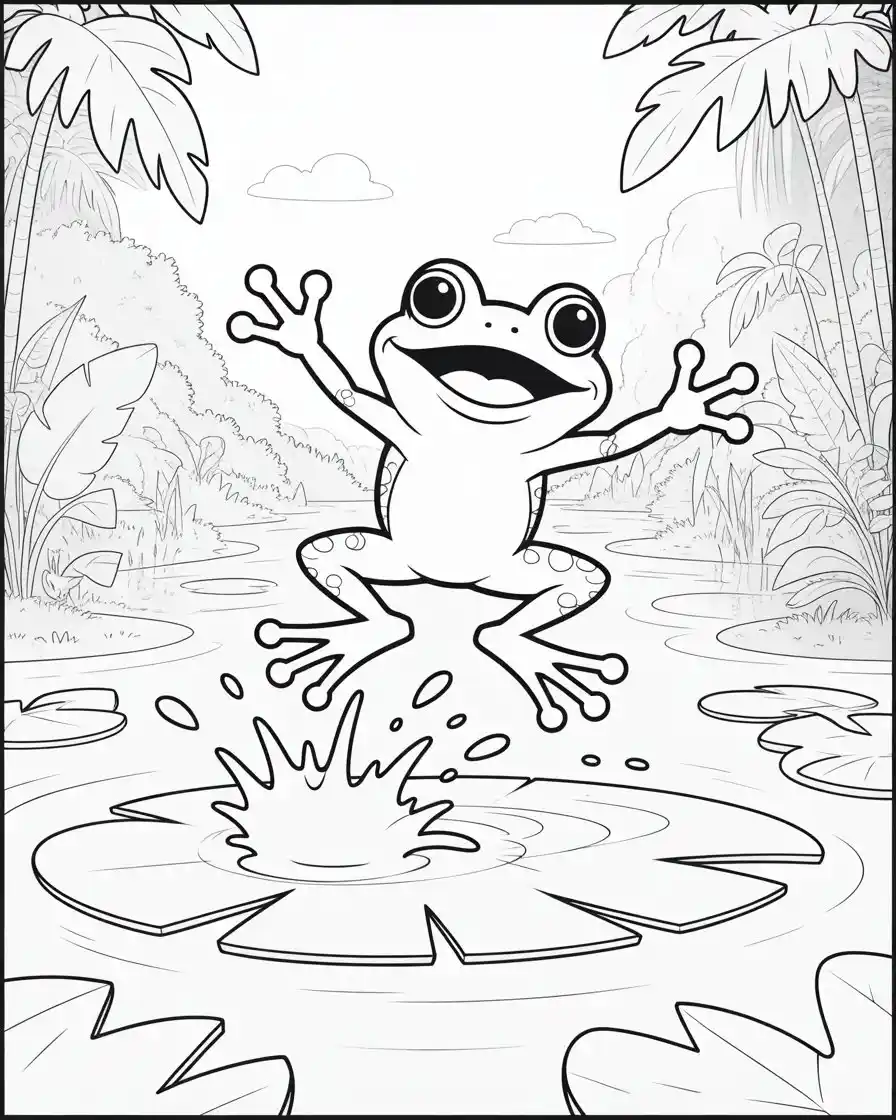
Realistic Frog Designs, Detailed skin texture and accurate proportions for older kids and adults who want a longer, more advanced coloring session.
Species-Specific Pages, Realistic frog coloring pages based on real species, including the tree frog color style, poison dart frog, and glass frog, each with distinctive natural coloring and markings.
Frog Life Cycle Pages, A step-by-step illustration showing the journey from egg to tadpole to adult frog, useful for a classroom science unit.
Frog Mandala and Pattern Designs, A frog silhouette worked into a symmetrical, detailed pattern, built for teens and adults who want a calmer, more meditative session.
A Closer Look at the Frog Life Cycle
Since the life cycle is one of the most requested educational designs in this collection, it’s worth a closer look. A frog’s life begins as a small egg, usually laid in clusters in still water. Within days to weeks, the egg hatches into a tadpole, a fully aquatic stage with gills and a long tail but no legs. Over the following weeks, the tadpole gradually grows back legs, then front legs, while its tail shrinks and its gills are replaced by lungs. By the time this transformation is complete, the animal has become a fully formed young frog, ready to move between water and land. Coloring each stage separately gives kids a hands on way to understand a process that can otherwise feel abstract.
Color Choices That Match Real Frogs
Since real frogs come in such a wide range of colors, this is a great subject for experimenting with bold, layered color choices. For a realistic tree frog, try a base coat of bright green, then add a slightly darker green along the back and legs for shading. For poison dart frog designs, keep colors saturated and avoid blending too much, since their vivid, high-contrast patterns are part of what makes them visually striking. Markers work well for bold, fast results on the simpler cute designs, while colored pencils give more control for shading realistic skin texture.
A Few More Frog Facts Worth Sharing
Beyond the life cycle, a few more details make good conversation starters during a coloring session. Some frog species can survive being frozen solid through the winter, their bodies producing a kind of natural antifreeze that protects their cells until they thaw out again in spring. Glass frogs are named for their nearly transparent underside, which in some species is thin enough to see the animal’s internal organs, including a visibly beating heart. Frogs also don’t drink water through their mouths the way most animals do, instead absorbing moisture directly through a patch of skin on their belly called the “drinking patch.” Sharing a detail like this while a child colors turns a simple activity into a small biology lesson.
Which Frog Design Fits Which Age
Whether you’re after easy frog coloring pages for toddlers just starting with crayons or a detailed, realistic design for adults, this table breaks down what tends to work best at each stage.
| Age Group | Best Fit | Why |
| Preschool (2–4 years) | Cute & Cartoon Frog Pages | Simple, rounded shapes suit early crayon grip |
| Early Elementary (5–8 years) | Frog Life Cycle Pages | Step-by-step story format holds attention |
| Older Kids (9–12 years) | Species-Specific Pages | Real species facts add an educational angle kids enjoy |
| Teens & Adults | Realistic Designs and Mandala Patterns | Detailed texture supports a longer, calmer session |
Frog vs. Toad: A Difference Worth Knowing
These two amphibians get mixed up constantly, so it’s worth explaining the difference while coloring. Skin texture is the clearest visual clue: frogs typically have smooth, moist skin, while toads have drier, bumpier skin covered in small warts. Body shape differs too, frogs tend to have longer legs built for jumping, while toads have shorter legs better suited to walking or hopping short distances. Frogs are also more likely to be found in or near water, while many toad species can survive further from water sources for longer stretches. Pointing out the skin texture alone is usually enough for a child to correctly identify either animal going forward.
What Frog Coloring Actually Teaches Kids
Coloring offers real developmental value alongside being an easy, low-cost activity. For younger children, holding a crayon and staying within an outline builds the same fine motor control and grip strength used later for handwriting, which is part of why the activity is so common in preschool routines. Working through the life cycle sequence also supports early sequencing and storytelling skills, since kids naturally narrate what happens at each stage as they color. For teens and adults, a slow, pattern heavy mandala design offers a different kind of value; many people enjoy this kind of repetitive, detailed shading as a quiet, low key hobby.
What Kids Do With a Finished Frog Page
A colored frog design doesn’t have to end up in a drawer. Younger kids often enjoy cutting out a favorite cute frog design to use as a bookmark or gift tag, while a detailed realistic tree frog page works well pinned to a bedroom wall. In a classroom setting, having each student color one stage of the life cycle and arranging the results in order makes an easy, effective bulletin board for a pond, wetlands, or amphibian unit, and it naturally opens a conversation about metamorphosis and animal habitats.
Steps to Print a Frog Sheet at Home
- Click a design to open the full PDF in a new tab.
- Print at 100% scale rather than “fit to page” to avoid thinning out fine skin-texture detail.
- Use standard printer paper for crayon or light pencil work.
- Switch to cardstock if markers or watercolor pencils will be used, since thinner paper lets ink bleed through quickly.
- Every frog coloring pages in this set works on both US Letter and A4 paper without any stretching or cropping.
Frequently asked questions
Explore More Animal Coloring Pages
If you enjoyed this collection, a few related pages worth checking out include [Turtle Coloring Pages], [Lizard Coloring Pages], [Jellyfish Coloring Pages], and [Gorilla Coloring Pages], all free, printable, and ready to download.
Whether it’s a quick cartoon design for a five-minute activity or a detailed, species accurate scene for a longer afternoon, this collection of frog coloring pages is built to give families and teachers a reliable, print ready option they can come back to.